Cintya Tara Annisa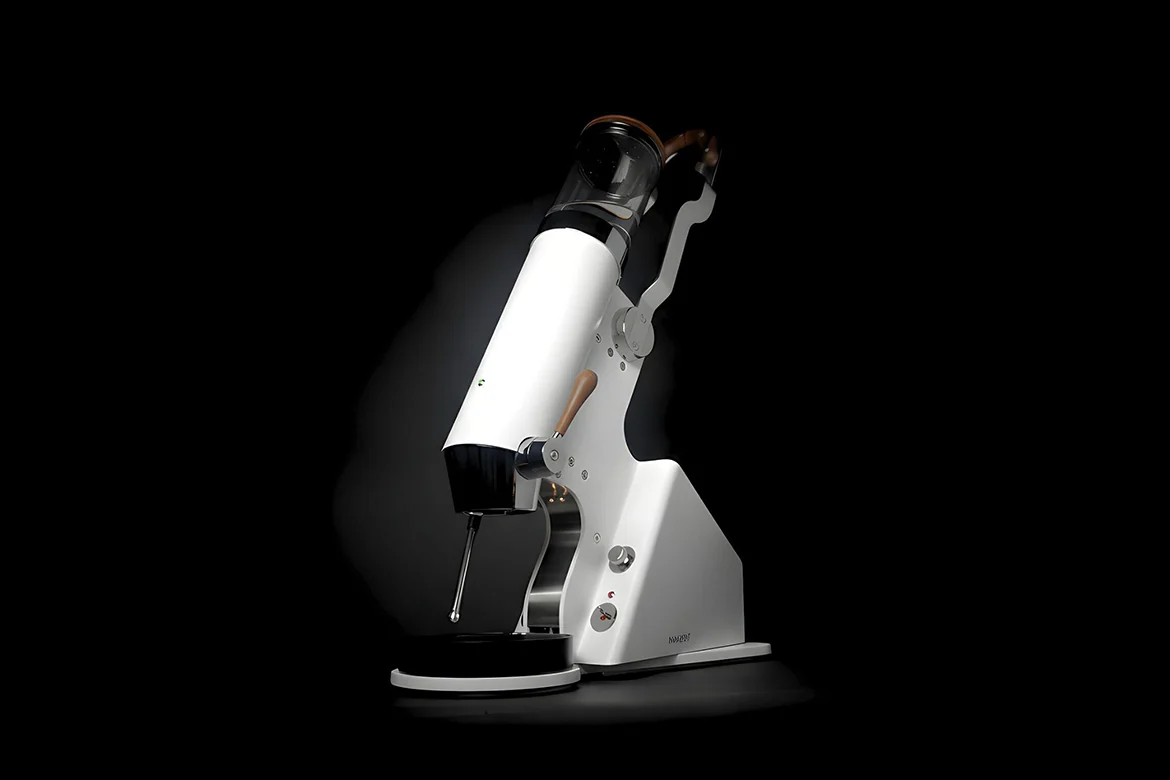
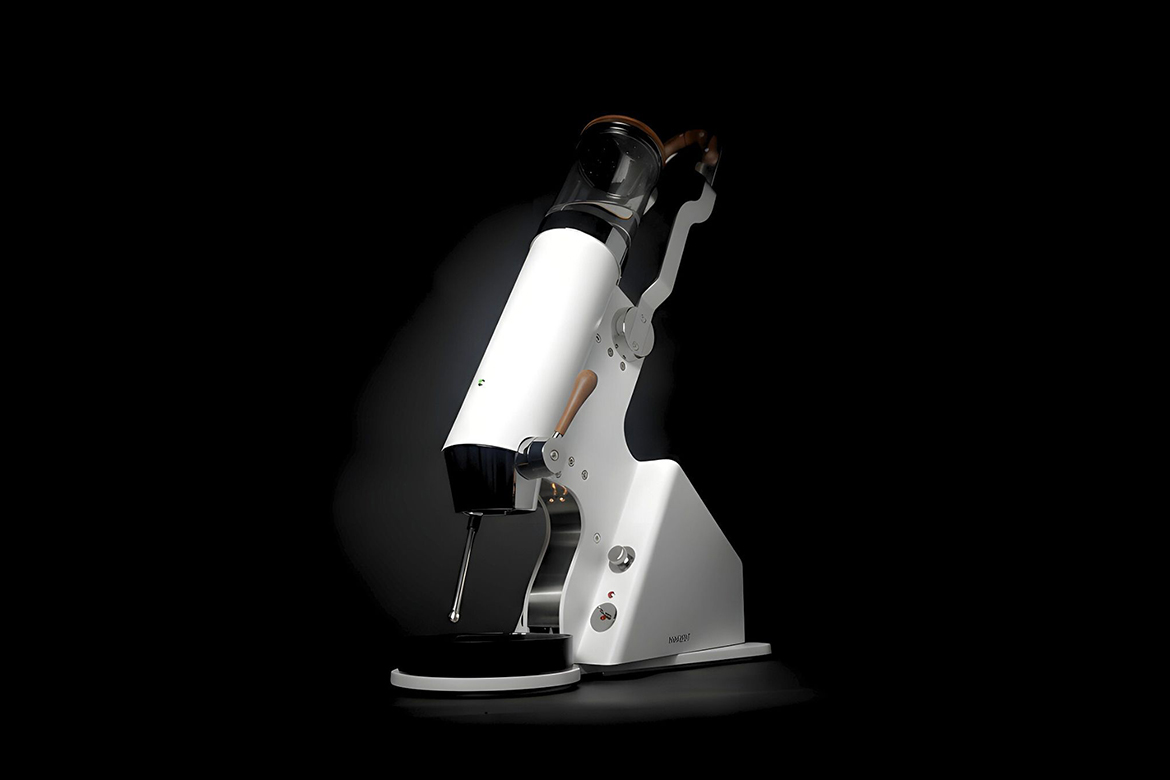
The Swiss coffee technology firm MANUMENT has officially announced the launch of its latest Leva series, marking a significant milestone in the company’s evolution by centralizing production within its own dedicated facility in Thun, Switzerland. This strategic move to in-house manufacturing represents a pivot toward total quality control and artisanal precision, as the brand prepares to enter the highly competitive North American market in June 2026. By integrating medical-grade engineering with traditional espresso mechanics, MANUMENT aims to redefine the luxury coffee hardware sector, catering to both high-end residential users and the professional hospitality industry.
The announcement signals a new chapter for the Thun-based manufacturer, which has spent the last five years establishing a presence in European and Middle Eastern markets. The transition to a proprietary factory allows the company to oversee every stage of the assembly process, ensuring that each machine meets the rigorous standards associated with the "Swiss Made" designation. As the specialty coffee industry continues to see a surge in demand for manual and tactile brewing experiences, MANUMENT’s focus on the lever-action mechanism places it at the forefront of a growing movement that seeks to marry historical brewing methods with modern technological reliability.
A Chronology of Innovation: From Concept to Global Expansion
The genesis of MANUMENT dates back to 2018, born from a fundamental inquiry into the mechanics of the traditional hand lever machine. While the lever machine is historically recognized as the origin of the first true espresso—invented in the mid-20th century to achieve the pressure necessary for crema—it has often been overshadowed in the modern era by automated pump-driven systems. MANUMENT’s founders sought to reverse this trend by reimagining the lever system from the ground up, rather than merely refining existing designs.
In the initial development phase, the company assembled a multidisciplinary team that bridged the gap between culinary expertise and high-precision engineering. This team included coffee specialists, mechanical engineers, and specialists from the medical technology sector. The inclusion of medical tech expertise was a deliberate choice intended to bring a level of hygiene, material durability, and precision tolerance rarely seen in consumer kitchenware.
Following eighteen months of intensive research and development, the first prototype was finalized. The resulting machine was a complex assembly of 590 individual components, a number that underscores the intricate nature of its design. By 2023, the company underwent a leadership transition when Henrik Mattern took over as CEO. Mattern brought a wealth of experience from the luxury automotive and design sectors, specifically through his tenure at Porsche and Porsche Design. His appointment was a clear indicator of MANUMENT’s intention to position itself not just as a kitchen appliance manufacturer, but as a global high-end lifestyle brand.
The Engineering Philosophy: The Swiss Watch of Lever Machines
The core of the MANUMENT appeal lies in its mechanical complexity and the tactile feedback it provides the user. Unlike standard espresso machines that rely on electric pumps to generate the nine bars of pressure required for espresso, a lever machine relies on manual force and spring tension. This allows the barista to have direct control over the pressure profile of the shot, a variable that significantly impacts the flavor extraction of specialty coffee beans.
The comparison to a Swiss watch is more than a marketing metaphor; it is a reflection of the machine’s internal architecture. Each of the 590 parts is hand-assembled in small series. This manual assembly process allows for a level of inspection that automated lines cannot replicate. In the new Leva series, the company has emphasized that every screw, handle, and internal valve is subjected to rigorous testing within the Thun factory.
Industry experts, including world-renowned coffee authority James Hoffmann, have noted the machine’s unique positioning. Hoffmann’s characterization of the device as the "Swiss watch of lever machines" highlights the industry’s recognition of MANUMENT’s commitment to precision. In a market where many manufacturers are moving toward digital interfaces and automation, MANUMENT’s insistence on mechanical perfection offers a counter-narrative that appeals to "espresso purists"—individuals who view the preparation of coffee as a craft rather than a utility.
Strategic Market Expansion and North American Entry
The decision to officially enter the North American market in June 2026 is a calculated response to the region’s burgeoning specialty coffee culture. According to market data, the United States and Canada represent some of the largest consumers of high-end coffee equipment globally. The rise of the "prosumer" market—home users who invest in professional-grade equipment—has created a lucrative niche for brands that offer both aesthetic appeal and technical performance.
MANUMENT’s expansion strategy is notably selective. Rather than pursuing mass-market distribution, the company is focusing on long-term partnerships with a global dealer network. This approach is designed to maintain the brand’s exclusivity and ensure that after-sales service and technical support meet the high standards expected of a luxury product. The North American launch will target a diverse range of clients, including:
- Private Collectors and Enthusiasts: Home baristas seeking the ultimate manual brewing experience.
- Specialty Roasteries: Businesses that require high-end equipment to showcase the nuances of their premium beans.
- Luxury Hospitality: Hotels, bars, and restaurants that prioritize design and a premium guest experience.
The company has indicated that the June 2026 launch will be supported by a robust logistical framework to handle the specific electrical and regulatory requirements of the North American grid and safety standards.
Leadership and Vision: The Porsche Influence
The influence of CEO Henrik Mattern is evident in the brand’s current trajectory. His background at Porsche and Porsche Design has translated into a business model that prioritizes "uncompromising" quality and a "selective" brand presence. Under his leadership, MANUMENT has moved away from being a niche engineering project toward becoming a globally recognized brand in the luxury segment.
Mattern’s vision for the company is centered on the concept of "complete control." By moving production to the Thun factory, the company has insulated itself from the inconsistencies of third-party manufacturing. This move is particularly significant in the post-pandemic economic landscape, where supply chain disruptions have plagued manufacturers. By controlling the production of "every detail, every screw, and every handle," MANUMENT is making a promise of longevity and reliability to its customers.
"With the opening of our own factory and the launch of the new series, we are taking the next logical step," Mattern stated. He emphasized that the "Made in Switzerland" label is not just a geographic indicator but a commitment to a specific philosophy of manufacturing that values durability over obsolescence.
Industry Context: The Global Specialty Coffee Trend
The launch of the new Leva series occurs at a time when the global specialty coffee market is experiencing sustained growth. Analysts project that the global espresso machine market will continue to expand at a compound annual growth rate (CAGR) of over 4% through the end of the decade. Within this market, the "manual" and "lever" sub-segments are seeing a resurgence as consumers become more educated about extraction variables.
The shift toward manual machines is often linked to the "Third Wave" of coffee, which emphasizes the origin of the beans and the transparency of the brewing process. A lever machine, which requires the operator to physically engage with the brewing cycle, fits perfectly into this artisanal framework. Furthermore, the sustainability aspect of a machine built to last decades, rather than years, resonates with a growing demographic of environmentally conscious consumers who are moving away from the "throwaway" culture of cheap electronics.
Implications for the Professional Sector
For cafes and restaurants, the adoption of MANUMENT technology offers a distinct point of differentiation. In a crowded marketplace, the visual presence of a hand-assembled Swiss lever machine serves as a statement of quality. Beyond aesthetics, the mechanical nature of the machine offers a different maintenance profile compared to complex electronic systems, which can often be difficult and expensive to repair when digital components fail.
Roasteries, in particular, stand to benefit from the precision offered by the Leva series. The ability to fine-tune pressure profiles allows roasters to highlight specific flavor notes in their coffee that might be muted by the standardized pressure of a traditional pump machine. This synergy between the equipment and the coffee bean is a core component of MANUMENT’s value proposition to the professional community.
Conclusion and Future Outlook
As MANUMENT prepares for its 2026 North American debut, the company stands as a testament to the enduring appeal of mechanical excellence. By combining the heritage of the lever machine with the precision of modern Swiss engineering, the brand is carving out a unique space in the global market. The opening of the Thun factory ensures that the company remains agile and capable of maintaining its "uncompromising" standards as it scales.
The next two years will be critical for the brand as it builds the necessary infrastructure to support its North American customers and continues to grow its selective dealer network. If the success of the brand in Europe and the Middle East is any indication, the Leva series is poised to become a benchmark for what is possible when traditional craftsmanship is elevated by modern technological rigor. For the global coffee community, MANUMENT represents more than just a machine; it is a celebration of the ritual of espresso, refined through the lens of Swiss precision.