Indra Kusuma
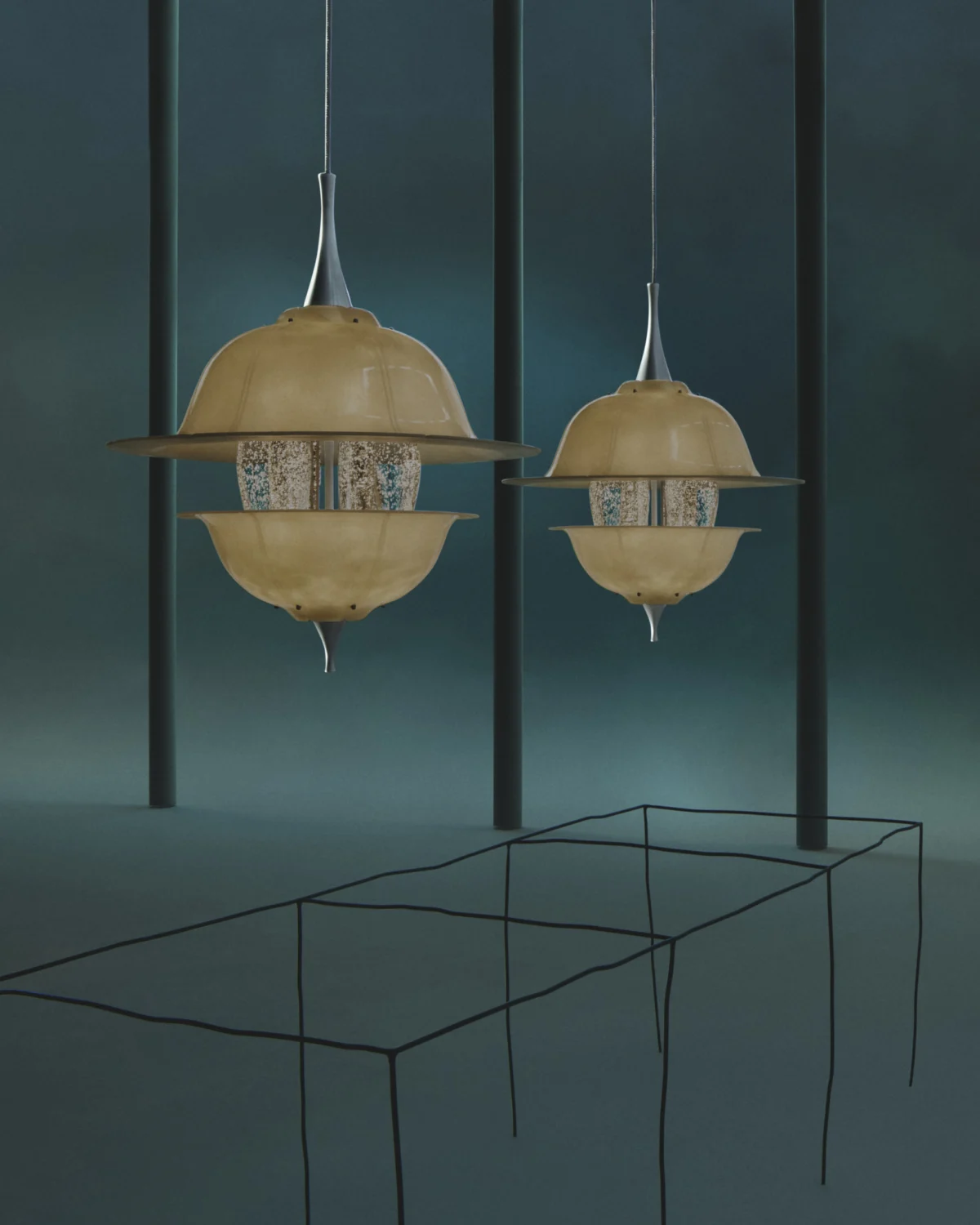
After a five-year hiatus from traditional collection releases, the New York-based design studio Apparatus has returned with a profound narrative-driven project titled Act V: Afsaneh. This sprawling, multi-disciplinary collection represents a significant evolution for the brand, shifting from its hallmark industrial aesthetic toward a more symbolic, myth-inspired lexicon. Conceived by artistic director Gabriel Hendifar, the collection serves as both a deeply personal homage to his mother and a broader philosophical inquiry into the divine feminine as a catalyst for creativity, knowledge, and cyclical renewal.
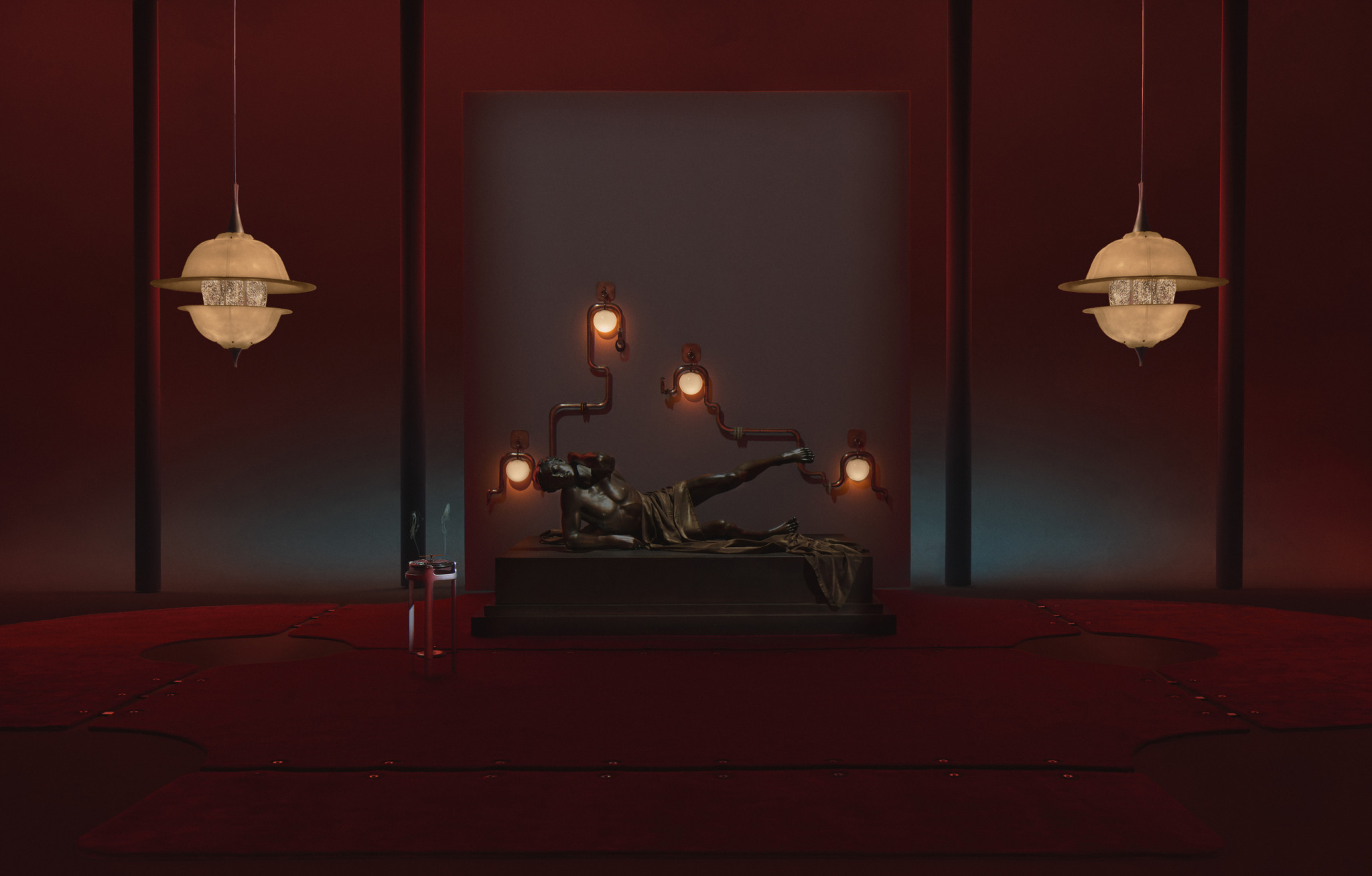
The release of Act V marks the most ambitious undertaking in the studio’s history, requiring a total recalibration of their production processes to accommodate new materials and narrative structures. By segmenting the collection into four distinct chapters—Esfand, Gol, Rahvi, and Jahaan—Hendifar has created a living fable that attempts to bridge the gap between static object design and the fluidity of human experience.
A Chronology of the Collection and Design Intent
The conceptual genesis of Act V began in the wake of the studio’s previous major output, with Hendifar spending the intervening years researching the intersection of Persian heritage and contemporary interior architecture. The term "Afsaneh" serves as the linguistic anchor for the project; it is both the Farsi word for "fable" and the given name of Hendifar’s mother. This dual identity informs the collection’s structure, which is designed to be read as a sequence of stages—creation, growth, transmission, and community.

The development timeline for the project spanned over 48 months, involving extensive prototyping with materials that represent a departure for the studio. While previous Apparatus collections relied heavily on the stark contrast of blackened brass and frosted glass, Act V introduces molded fiberglass, water-formed brass, and a curated selection of semi-precious stones, including lapis lazuli, red jasper, and honey agate. The integration of these elements suggests a move toward a warmer, more tactile, and overtly symbolic design language.
The Four Chapters of Afsaneh
The collection is organized into a progression that mirrors the natural cycle of life. The first chapter, Esfand (The Seed), references the final month of the Persian calendar and traditional practices of warding off the "evil eye." It establishes the collection’s material palette, utilizing lacquered finishes in hues of pomegranate, sky, and dusk.

The second stage, Gol (The Flower), marks a transition into organic form. Through the use of molded fiberglass, Hendifar creates membrane-like surfaces that suggest fragility and bloom. This chapter also introduces a sensory component; the studio has developed a namesake fragrance—Afsaneh—blending notes of damask rose, oud, and frankincense. This represents a strategic expansion of the Apparatus brand into lifestyle and olfactory design, emphasizing the ephemeral nature of the objects.
The third chapter, Rahvi (The Serpent), addresses the transmission of wisdom. Through the use of water-formed brass and blown glass, the pieces in this segment take on sinuous, flowing forms. The addition of semi-precious stones functions as a form of "symbolic weight," with the stones acting as amulets. Finally, Jahaan (The World) concludes the narrative, shifting the focus from the individual object to the collective environment. This chapter utilizes bronze and aluminum, reflecting on how shared experiences and community structures shape our perception of space.

Collaborative Movement: The Martha Graham Partnership
Perhaps the most innovative aspect of the Act V launch is the studio’s collaboration with the Martha Graham Dance Company. Recognizing that static objects often fail to convey the dynamic energy of human movement, Hendifar sought to translate the collection’s themes into a choreographic medium. Five short films, set to be released episodically throughout late 2026, interpret the furniture and lighting through dance.
Industry analysts note that this cross-disciplinary approach is indicative of a broader trend in high-end furniture design, where firms are increasingly positioning themselves as cultural institutions rather than mere manufacturers. By aligning with a storied organization like the Martha Graham Dance Company, Apparatus is effectively elevating its product status from "luxury goods" to "functional art," a distinction that carries significant weight in the global design market.

Economic and Market Implications
The launch of Act V comes at a pivotal time for the interior design industry, which has seen a shift toward personalized, storytelling-based residential environments. While the studio has not released specific production volumes, the move toward complex materials like hand-formed fiberglass and semi-precious inlays suggests a high-touch, limited-production strategy.
The global decorative lighting market, currently valued in the multi-billion dollar range, has been characterized by a surge in demand for statement pieces that function as sculpture. Apparatus, by leaning into this demand, is reinforcing its position as a trendsetter in the luxury sector. The decision to host exhibitions in New York, London, Miami, and Los Angeles indicates a robust international strategy, leveraging the physical presence of these pieces to create "destination" experiences for architects, designers, and collectors.

Expert Analysis and Industry Reception
Design critics have observed that Act V represents a "softening" of the Apparatus brand. The rigidity of the studio’s early industrial-inspired works has given way to curves, translucent surfaces, and a deliberate inclusion of raw, natural textures. This pivot aligns with a post-pandemic design consciousness that prioritizes wellness, comfort, and the "nurturing" quality of the home.
"Hendifar is moving beyond the ‘object’ to define an ‘atmosphere,’" says one industry analyst. "By framing the collection as a fable, he allows the consumer to engage with the pieces not just as furniture, but as actors in a larger domestic story. The inclusion of scent and movement suggests that the studio is no longer content with just occupying space; they want to occupy the senses."

Future Outlook and Regional Presentations
The rollout of Act V is intentionally paced. Following the initial New York premiere in October 2026, the collection will travel to London, Miami, and Los Angeles. Each venue is expected to feature a bespoke installation, ensuring that the "fable" changes depending on its cultural context. This modular, evolving presentation strategy is a departure from traditional trade show launches, which typically focus on a single, centralized debut.
As the studio prepares for the episodic release of its films and the subsequent global exhibitions, the primary challenge will be maintaining the narrative cohesion of such a wide-ranging project. However, the rigor applied to the material selection and the depth of the conceptual framework suggest that Apparatus is well-positioned to sustain this momentum.

Ultimately, Act V: Afsaneh serves as a testament to the power of design to synthesize memory, mythology, and materiality. As Hendifar notes, the collection is not intended to be a fixed monument, but rather an invitation for the user to write their own ending to the fable. Whether through the glow of a fiberglass light or the weight of a stone-adorned brass fixture, the pieces in this collection are built to facilitate the cycles of creation and renewal that define the human experience. In a market often driven by rapid turnover, Apparatus has opted for a slower, more deliberate cadence—a choice that may well define the next chapter of contemporary American design.