
 Ali Ikhwan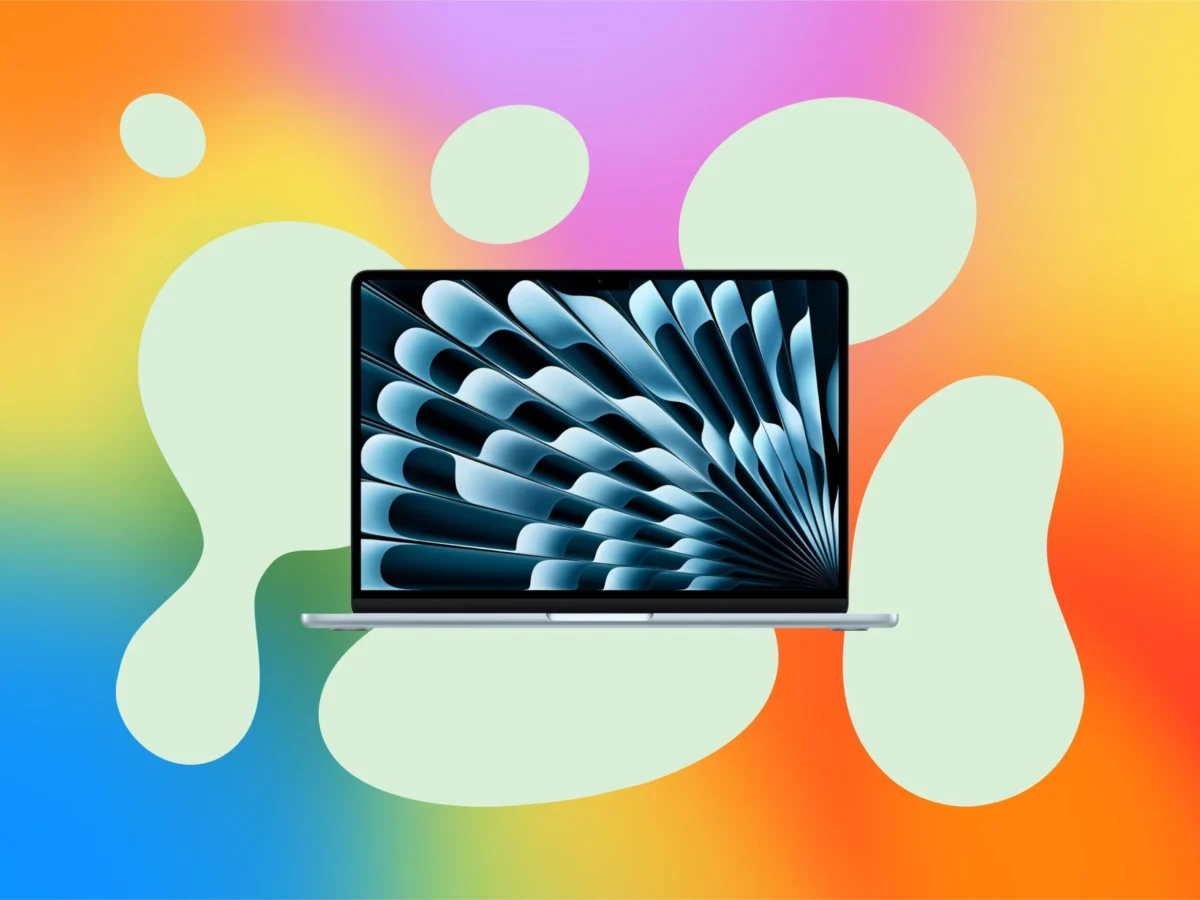
Apple Inc. has officially updated its retail pricing structure, implementing significant price increases across nearly its entire computing and tablet portfolio. The move, which became visible on the company’s official web storefront on Thursday afternoon, follows a period of mounting speculation regarding the stability of consumer electronics pricing in the face of a volatile global supply chain. This adjustment marks one of the most substantial mid-cycle price corrections in the company’s recent history, affecting the newly released MacBook Neo, the MacBook Air, and the high-performance MacBook Pro, as well as the iMac, Mac Studio, and the comprehensive iPad family.
The price adjustments arrive just weeks after Apple executives characterized such increases as "inevitable" during internal discussions and briefings with industry analysts. The primary catalyst cited for the shift is a deepening crisis in the semiconductor and memory markets, where a pivot toward artificial intelligence (AI) infrastructure has significantly strained the availability of consumer-grade components. While Apple has historically leveraged its massive scale to secure favorable pricing from suppliers, the current market dynamics—driven by a global rush to build AI data centers—have finally forced the Cupertino-based tech giant to pass increased production costs on to the end consumer.
Detailed Breakdown of MacBook Pricing Adjustments
The most immediate impact of the pricing update is felt in the MacBook lineup, which recently underwent a transition to the M5 silicon architecture. The MacBook Neo, Apple’s latest entry-level portable, saw a $100 increase, bringing its starting price to $699. While still positioned as the most affordable gateway into the macOS ecosystem, the 16% price hike represents a shift in Apple’s strategy for the budget-conscious segment.
The MacBook Air, the company’s most popular laptop, has undergone a $200 price increase. The base model now starts at $1,299. Despite the higher entry price, the configuration remains robust, featuring 16 GB of unified memory and 512 GB of solid-state storage. However, industry observers note that the timing is particularly challenging for consumers, as the M5 MacBook Air was refreshed only months ago.
The most dramatic shift occurred within the MacBook Pro segment. The starting price for the MacBook Pro has climbed by nearly $400, reaching $1,999—a 20% increase over its previous MSRP. While the Pro model offers double the storage capacity of the MacBook Air (1 TB) and enhanced thermal management, both machines utilize the same base M5 chip architecture. This creates the widest price-to-performance gap between the Air and Pro models observed in over a decade, potentially complicating the value proposition for creative professionals who do not strictly require the Pro’s sustained performance capabilities or additional ports.
Chronology of the Price Hike and Market Context
The trajectory toward these increases began in early 2024, as reports surfaced of a "memory crisis" within the technology sector. In late September, a series of reports suggested that Apple’s primary memory suppliers—including Samsung, SK Hynix, and Micron—were reallocating production capacity away from traditional LPDDR5 (Low Power Double Data Rate) memory used in laptops and toward HBM (High Bandwidth Memory) required for AI accelerators like those produced by NVIDIA.
By mid-October, industry insiders warned that Apple’s margins were being squeezed by the rising cost of NAND flash and DRAM. Two weeks ago, a report from the Wall Street Journal indicated that Apple had begun notifying retail partners of an impending "price normalization" event. The official implementation on Thursday afternoon coincides with the final days of major autumn retail events, such as Amazon Prime Day, creating a brief period of price arbitrage where third-party retailers are still honoring older, discounted rates while the manufacturer’s own store reflects the new, higher MSRP.
The Component Shortage and the AI Factor
The underlying cause of these price hikes is a fundamental shift in the global semiconductor landscape. The surge in generative AI development has created an insatiable demand for high-performance memory modules. Because the manufacturing facilities for AI-grade memory and consumer-grade memory share the same raw silicon wafers and production lines, the industry has seen a massive "crowding out" effect.
Data centers and enterprise-level AI providers are currently willing to pay a significant premium for memory components, often outbidding consumer electronics manufacturers. For much of the year, it was theorized that Apple’s long-term supply contracts would insulate it from these fluctuations. However, as the shortage persisted into the second half of the year, the cost of securing a steady supply of 16 GB and 32 GB memory modules—now the standard for the M5 era—has risen beyond the point where Apple could maintain its traditional profit margins without an MSRP adjustment.
Furthermore, the complexity of the M5 chip itself, which utilizes a sophisticated 3-nanometer process, adds to the bill of materials. When combined with the increased costs of logistics and rare-earth metals used in the MacBook’s Retina displays and chassis, the cumulative pressure on Apple’s bottom line became unsustainable.
Impact on the iPad and Desktop Lineups
The pricing update was not limited to the MacBook family. The iPad lineup, which had recently seen a surge in demand following the introduction of the M4 iPad Pro, also saw broad increases. The base iPad (10th Generation) and the iPad Air models have seen incremental jumps, while the iPad mini has been repositioned at a $500 starting price.
On the desktop side, the iMac and Mac Studio—workhorses for education and professional studios respectively—have seen increases ranging from 5% to 12% depending on the configuration. The Mac Studio, in particular, has seen its higher-tier configurations increase by several hundred dollars, reflecting the high cost of the unified memory architecture that defines the "Ultra" series of chips.
Notably, the iPhone remains unaffected by this specific round of price increases. Analysts suggest that because the iPhone operates on a different refresh cycle and utilizes different memory densities, Apple may be attempting to hold the line on smartphone pricing to maintain its market share in the highly competitive mobile sector. However, some experts warn that if component prices do not stabilize by early next year, the iPhone 17 cycle could see similar upward pressure.
Market Reactions and Retail Arbitrage
The reaction from the financial sector has been largely pragmatic. Analysts from major firms suggest that while the price hikes may dampen short-term demand among price-sensitive consumers, they are necessary to protect Apple’s industry-leading margins. Historically, Apple’s customer base has shown a high degree of brand loyalty and price inelasticity, meaning the company can often raise prices without a corresponding drop in total units sold.
However, the timing of the announcement during a major sales holiday has created a unique scenario for consumers. Currently, major retailers like Amazon and Walmart are listing the 13-inch MacBook Air for as low as $949—a $350 discount relative to Apple’s new official price. The MacBook Neo is also seeing significant third-party discounts, retailing for approximately $590 at select outlets.
Retail experts suggest this "golden window" for buyers will likely be short-lived. Third-party retailers typically adjust their pricing to match the manufacturer’s MSRP once their current inventory—purchased at the older wholesale rates—is depleted. For consumers who had planned to upgrade their hardware this year, the current discrepancy between third-party stock and Apple’s official pricing represents a final opportunity to secure M5-generation hardware at "pre-crisis" prices.
Future Implications for the Tech Industry
Apple’s decision to raise prices is often seen as a bellwether for the rest of the consumer electronics industry. When Apple adjusts its pricing due to component costs, competitors such as Dell, HP, and Lenovo frequently follow suit, as they are subject to the same supply chain pressures but often have less bargaining power with suppliers.
This event highlights a growing trend of "tech inflation" driven by the AI boom. As more companies integrate AI features directly into their operating systems—such as Apple Intelligence—the hardware requirements for even "entry-level" machines are rising. Higher RAM requirements and more powerful neural engines necessitate more expensive components, making the era of the $499 premium laptop increasingly a thing of the past.
In the long term, the industry may see a shift toward more modular or repairable designs to offset rising costs, or a greater emphasis on cloud-based computing to reduce the need for high-end local hardware. For now, however, the reality for the consumer is a market where the cost of entry for premium technology is moving significantly higher. Apple’s Thursday update is a stark reminder that even the world’s most valuable company is not immune to the gravitational pull of global economic and technological shifts.







