
 Ali Ikhwan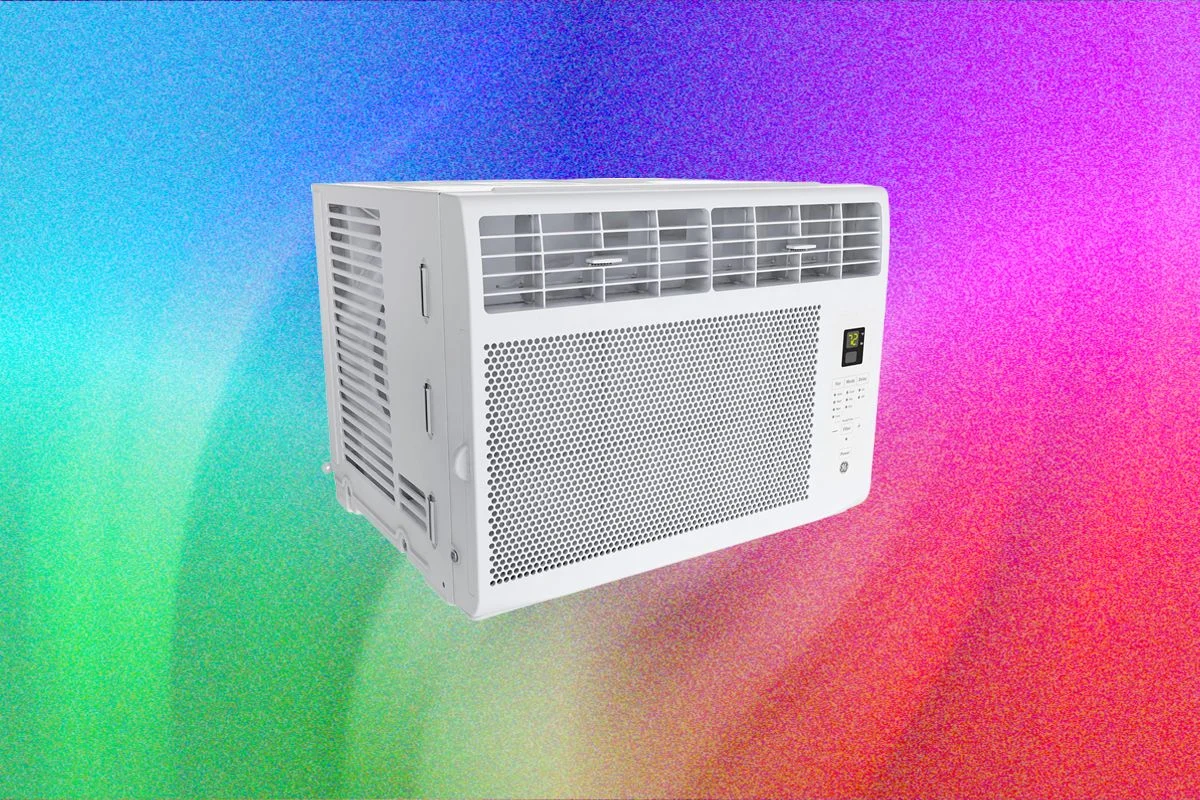
The Current State of Residential Cooling Technology
The air conditioning industry is currently undergoing a significant transformation driven by two primary factors: the adoption of inverter technology and the integration of smart home protocols. Historically, room air conditioners utilized single-speed compressors that functioned on an "all or nothing" basis—turning on at full power until a temperature was reached and then shutting off entirely. Modern units, such as those from TCL and Dreo, increasingly employ inverter compressors that can vary their speed, allowing for more precise temperature maintenance, significantly lower noise levels, and improved energy efficiency.
Furthermore, the industry is grappling with the transition to smart home standards. While many manufacturers are now promising compatibility with "Matter," the new universal smart home protocol, real-world testing indicates that implementation remains inconsistent across the board. This technological "growing pain" is a central theme in recent product evaluations, where hardware performance often outpaces software reliability.
Chronology of Product Testing and Market Entry
The current market landscape features a mix of established legacy brands and aggressive new entrants. TCL, a company that established its reputation in the television sector, entered the air conditioning market only five years ago. Their rapid ascent mirrors their strategy in the display market: offering high-specification hardware at a price point that undercuts traditional premium brands.
In the portable sector, companies like Dreo and EcoFlow are redefining the category. The traditional portable air conditioner was often seen as an inefficient last resort. However, the timeline of development over the last 36 months shows a pivot toward dual-hose systems and battery-integrated units. For example, the EcoFlow Wave series has evolved from a niche 4,000 BTU unit to a more robust 5,100 BTU system capable of both heating and cooling, signaling a move toward year-round, off-grid climate management.
Performance Analysis: Window-Mounted Units
TCL Q-Series: The Value Disruptor
The TCL Q-Series 10,000 BTU model represents the current "value peak" in the market. Priced significantly lower than its primary competitors, it maintains a Combined Energy Efficiency Ratio (CEER) of 15.0. In field testing within a 120-square-foot environment, the unit demonstrated the ability to lower temperatures by 10 degrees Fahrenheit within a three-hour window. While its 60-decibel operating volume is audible, it is considered acceptable for daytime use. However, the unit highlights the industry-wide struggle with Matter connectivity, as testers frequently report difficulties pairing the device with ecosystems like Apple Home.
LG and Friedrich: The High-Capacity and Premium Segments
For larger spaces, the LG 12,000 BTU Smart Window unit provides a solution for rooms up to 550 square feet. Despite its substantial 90-pound weight and the requirement for professional-grade bracket installation, it remains a cost-effective choice for heavy-duty cooling.
At the opposite end of the spectrum lies the Friedrich Kuhl series. Retailing for over $1,200, this unit is engineered for longevity and security. Its heavy metal chassis is specifically designed to prevent forced entry—a common concern for ground-floor installations. Moreover, it introduces advanced air purification into the cooling cycle by supporting MERV 13 filtration, addressing the growing consumer demand for indoor air quality alongside temperature control.
GE AWAS05BBA: The Budget Baseline
The entry-level market remains dominated by simplified units like the GE 5,000 BTU model. Foregoing smart features, remotes, and vertical airflow adjustment, this unit focuses on the core mission of cooling small spaces (approximately 150 square feet). Its primary appeal lies in its surprisingly quiet operation and ease of installation, proving that high-end technology is not always a prerequisite for effective localized cooling.
Innovation in the Portable AC Sector
Portable units have historically suffered from the "depressurization effect." In single-hose models, the unit exhausts hot air out the window, which creates negative pressure inside the room, eventually drawing warm air in from other parts of the building.

Dreo 740S: Solving the Efficiency Gap
The Dreo Portable Air Conditioner 740S addresses this by utilizing a dual-hose system and a smart inverter. With a 12 CEER rating, it bridges the gap between portable convenience and window-unit efficiency. This model is particularly relevant for residents of older buildings or those with non-standard window shapes (such as casement or slider windows) where traditional AC units cannot be mounted.
Off-Grid and Specialized Solutions: EcoFlow and Zero Breeze
The most radical shift in the industry is the move toward portability for outdoor and off-grid use. The EcoFlow Wave 2 and the Zero Breeze Mark III are at the forefront of this movement. These units are not intended to cool entire homes but rather to provide "micro-climate" cooling for tents, vans, or small cabins.
- EcoFlow Wave 2: Features a 5,100 BTU cooling capacity and a 6,100 BTU heating capacity. Its versatility is bolstered by multiple power options, including standard AC, add-on batteries, and solar panels.
- Zero Breeze Mark III: Focuses on extreme portability. Weighing only 22 pounds (plus battery), it utilizes a 1,022-Wh battery pack that can be daisy-chained. This represents a significant engineering feat in miniaturizing compressor technology for the enthusiast market.
Supporting Data: Understanding BTU and Efficiency Ratings
The selection of an air conditioner is governed by the British Thermal Unit (BTU), a measure of heat removal capacity. The U.S. Department of Energy provides a baseline recommendation of 20 BTUs per square foot of living space. However, environmental factors can necessitate adjustments to this formula:
- Sunlight Exposure: Increase capacity by 10% for exceptionally sunny rooms.
- Occupancy: Add 600 BTUs for each additional person beyond two regular occupants.
- Kitchen Use: If the unit is placed in a kitchen, an additional 4,000 BTUs is recommended to counteract heat from appliances.
The Combined Energy Efficiency Ratio (CEER) is the secondary critical metric. Ranging typically from 9 to 15, each point increase in the CEER rating represents a measurable reduction in seasonal energy consumption. While high-CEER units often carry a higher upfront cost, the amortization of that cost through lower utility bills usually occurs within three to five cooling seasons.
Regulatory and Safety Considerations
Installation safety has become a focal point for municipal governments. In high-density urban environments like New York City, local laws often mandate the use of specialized support brackets for window units to prevent accidental falls. These brackets transfer the weight of the unit from the window sash to the building’s exterior frame.
Furthermore, the environmental impact of refrigerants is a looming regulatory challenge. The industry is currently transitioning away from R-410A toward R-32, a refrigerant with a significantly lower Global Warming Potential (GWP). Consumers are increasingly advised to check the refrigerant type of new units to ensure long-term serviceability and environmental compliance.
Broader Impact and Industry Implications
The diversification of the air conditioning market reflects broader societal shifts. The rise of battery-powered units like the Zero Breeze and EcoFlow points to an increasing interest in "van life," camping, and disaster preparedness. As power grids face increased strain during heatwaves, the ability to run high-efficiency or battery-backed cooling systems may become a critical component of residential resilience.
The failure of smart home integration (as seen with TCL’s Matter issues) highlights a significant hurdle for the "Internet of Things" (IoT). Until manufacturers can ensure seamless connectivity, the "smart" aspect of these appliances will remain a secondary consideration for most buyers, who prioritize raw cooling performance and noise reduction.
In conclusion, the modern consumer must balance the immediate need for cooling with long-term considerations of energy efficiency, noise, and installation requirements. Whether choosing a high-value window unit from TCL, a secure and filtered premium model from Friedrich, or a versatile portable system from Dreo, the data suggests that the "one size fits all" approach to air conditioning is a thing of the past. The market has matured into a segmented landscape where specific solutions exist for every architectural constraint and lifestyle requirement.







