
 Ali Ikhwan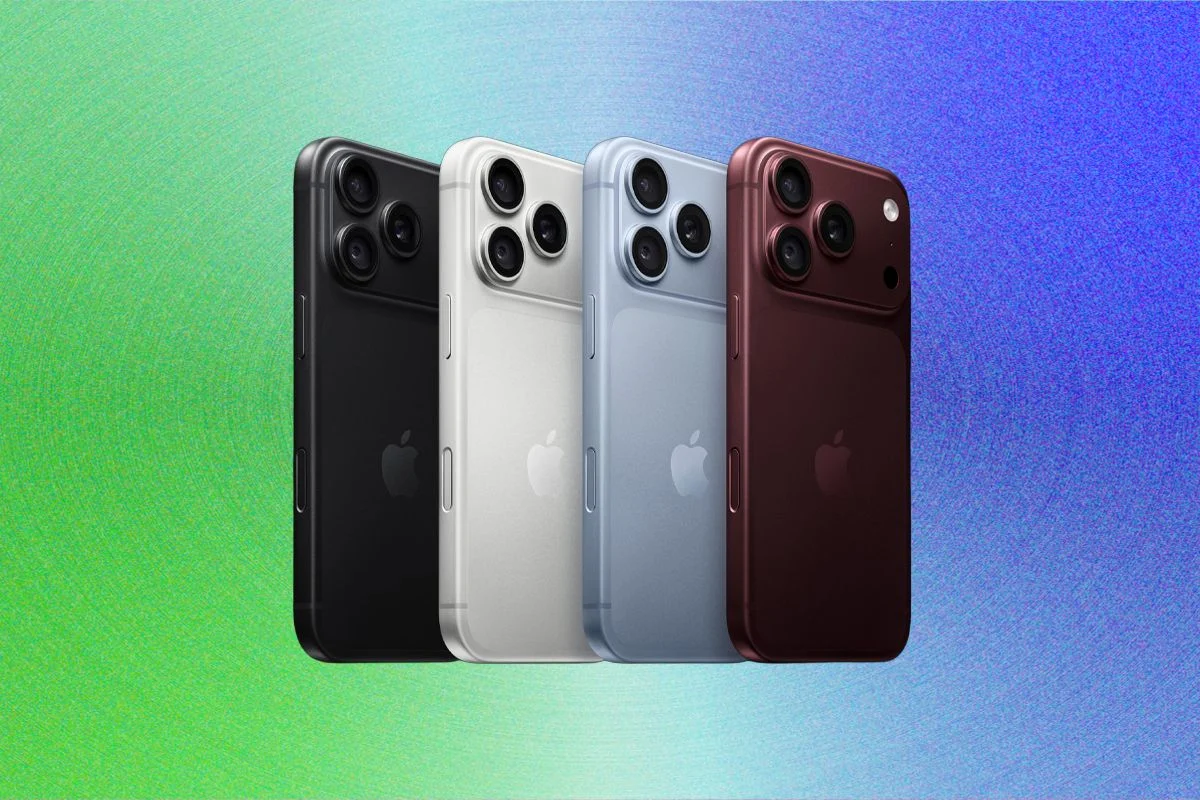
Apple has officially signaled a paradigm shift in its hardware strategy with the introduction of the iPhone Duo, the company’s first foray into the competitive foldable smartphone market. This radical departure from the traditional slab form factor represents the most significant industrial design overhaul in the iPhone’s history. The announcement, which took place during a highly anticipated hardware event, also saw the unveiling of the iPhone 18 Pro and iPhone 18 Pro Max, further cementing the premium tier of Apple’s ecosystem. While market analysts have noted the absence of a standard "base" model iPhone 18, industry insiders suggest that a more accessible entry-level device, potentially branded as the iPhone 18e or a second-generation iPhone Air, remains in the development pipeline for a projected release in the spring of 2027.
The introduction of the iPhone Duo arrives at a critical juncture for the mobile industry. Foldable devices, once relegated to niche status, have seen a steady increase in consumer adoption as hinge durability and software optimization have improved. Apple’s decision to enter this segment, opting for a passport-sized design that unfolds into a 7.6-inch display, indicates a calculated move to challenge the dominance of existing flagship foldables. By waiting to enter the market until the technology reached a level of maturity that satisfies its rigorous engineering standards, Apple is positioning the Duo as a refined alternative to current industry leaders.
A Chronology of the Launch and Availability
The release schedule for the new lineup follows a staggered approach, reflecting both supply chain logistics and the distinct market positioning of each device. Preorders for the iPhone 18 Pro and iPhone 18 Pro Max are set to commence on September 12, with the initial retail shipments scheduled for September 18. This rapid turnaround underscores Apple’s ability to manage complex global distribution networks. In contrast, the iPhone Duo, which requires more specialized manufacturing processes, will be available for preorders on October 16, followed by a general market release on October 23. This delay provides potential buyers with a window to evaluate reviews and compare the utility of a folding device against the refined performance of the traditional Pro models.

Technological Foundations: The A20 Pro Chipset
At the core of the new iPhone 18 series lies the A20 Pro chip, a silicon advancement that Apple claims delivers a 20 percent increase in raw processing speed and a 30 percent improvement in energy efficiency compared to its predecessor. This performance leap is facilitated by a redesigned thermal architecture, which now incorporates an expanded vapor chamber, a necessity given the increasing computational demands of on-device artificial intelligence.
The A20 Pro is also notable for its integrated neural engine, which is specifically optimized to handle the complex workloads of Apple Intelligence. In the case of the iPhone Duo, the chipset includes a dedicated display engine designed to manage the seamless transition of graphical assets between the device’s exterior 5.4-inch screen and its expansive 7.6-inch interior panel. Every model in the current lineup is rumored to feature 12 GB of RAM, a substantial increase that supports the multitasking capabilities expected of a modern flagship device.
Design and Display Innovation
Across the entire 18-series, Apple has maintained its commitment to the Super Retina XDR OLED display technology, characterized by its ProMotion 120-Hz adaptive refresh rate. This technology remains a standard-bearer for mobile displays, capable of scaling down to a 1-Hz refresh rate to preserve battery life during static tasks or when the always-on display is active.
Durability remains a focal point of Apple’s industrial design. The devices utilize Ceramic Shield 2, a material iteration that enhances scratch resistance and anti-reflective properties. Brightness levels remain industry-leading, with panels reaching peak luminance of 3,000 nits. The iPhone Duo distinguishes itself with a custom nano-texture finish on its interior display, a choice made to minimize the visibility of the central crease and reduce glare, addressing one of the most common consumer criticisms of early foldable screen technology.

The iPhone Duo: A New Form Factor
The iPhone Duo’s design philosophy prioritizes utility over sheer thinness. Weighing 254 grams and measuring 11.3 mm when folded, the device is substantial, a physical reflection of its dual-screen hardware and reinforced titanium frame. Apple has opted for a magnetic hinge mechanism that provides a tactile, satisfying closing action, ensuring structural integrity during daily use.
Software optimization for the Duo is perhaps its most significant competitive advantage. Apple has reconfigured the iOS interface to push controls to the vertical edges, allowing for a more ergonomic experience when the device is unfolded. The operating system’s native support for split-screen multitasking is enhanced by features such as "StandBy," which allows the exterior screen to function as a bedside clock or widget hub while the device is in a docked or folded state. Despite the space constraints inherent in a foldable chassis, the Duo manages to house the largest battery ever fitted to an iPhone, offering up to 24 hours of mixed-use longevity.
The Pro and Pro Max: Familiar Powerhouses
For those preferring the conventional smartphone experience, the iPhone 18 Pro and Pro Max offer iterative yet significant improvements. The Pro model, with its 6.3-inch display, features a slimmed-down Dynamic Island that now supports up to three simultaneous Live Activities, enhancing the user’s ability to track real-time information.
The most notable hardware upgrade in the Pro series is the introduction of a physical variable aperture lens in the primary camera system. This feature mimics the functionality of a human pupil, allowing the camera to mechanically adjust the opening to control light intake. This has profound implications for photography; a wider aperture enhances low-light performance and creates a natural bokeh effect for portraits, while a smaller aperture provides greater depth of field for landscapes. Videographers will also benefit from the ability to shoot in 4K at 120 frames per second, a feature that aligns with professional cinematic standards.

Battery efficiency in the Pro Max model has seen a remarkable increase, with Apple claiming up to 43 hours of video playback. This six-hour improvement over the iPhone 17 Pro Max is a testament to the efficiency gains of the A20 Pro chip and optimized power management software.
Market Implications and Consumer Considerations
The release of the iPhone 18 series coincides with a broader conversation regarding the necessity of frequent upgrades. Apple has acknowledged this by emphasizing the longevity of its software support and the availability of repair services. For existing users of models as old as the iPhone 11 Pro, Apple continues to provide software updates, and the company’s ongoing focus on repairability—such as battery replacement programs—suggests a strategic shift toward sustainability.
However, the cost of entry for the new series has increased, with the Pro models seeing a $100 price hike over the previous generation. This decision, likely driven by rising component costs and the integration of more complex manufacturing techniques, may influence consumer purchasing behavior. Apple offers various financial avenues, including the Apple Card’s 24-month, 0-percent APR financing and the Apple Upgrade program, though these involve long-term contractual commitments.
Analytical Perspective: The "AI-First" Strategy
The integration of the A20 Pro chip and the emphasis on Apple Intelligence across the 18-series suggest that Apple is no longer competing solely on hardware specifications. Instead, the focus has shifted toward creating a cohesive ecosystem where on-device processing power facilitates private, secure, and intuitive AI interactions. The decision to limit the base-model release until 2027 suggests that Apple is segmenting its market: the 18-series is for the power user and the "early adopter," while the future, more affordable models will likely serve the broader consumer market once the costs of these new technologies have further stabilized.

For the enterprise and professional sectors, the increased RAM, the versatility of the variable aperture camera, and the potential for a foldable workspace in the iPhone Duo suggest that Apple is positioning its mobile devices as increasingly viable replacements for dedicated workstation hardware. As the market digests these announcements, the success of the iPhone 18 lineup will likely be measured not just in unit sales, but in the speed with which the ecosystem adapts to the new form factor of the Duo and the augmented capabilities of the Pro models.







