Hanik Kholidah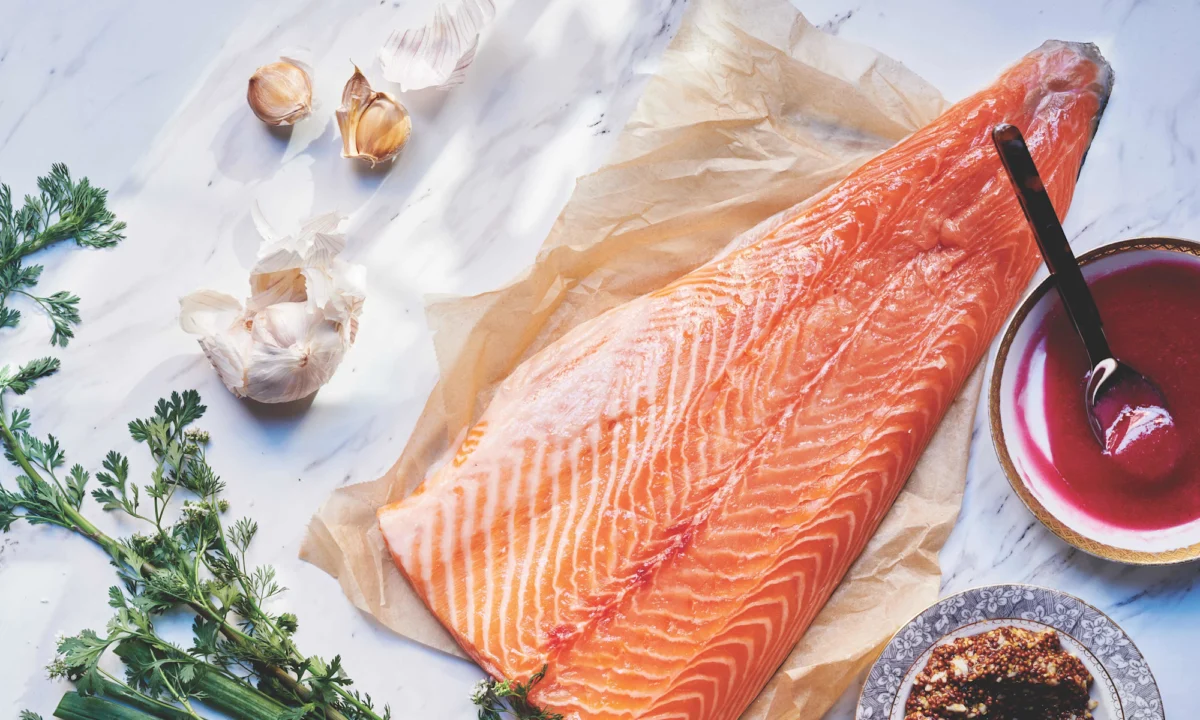
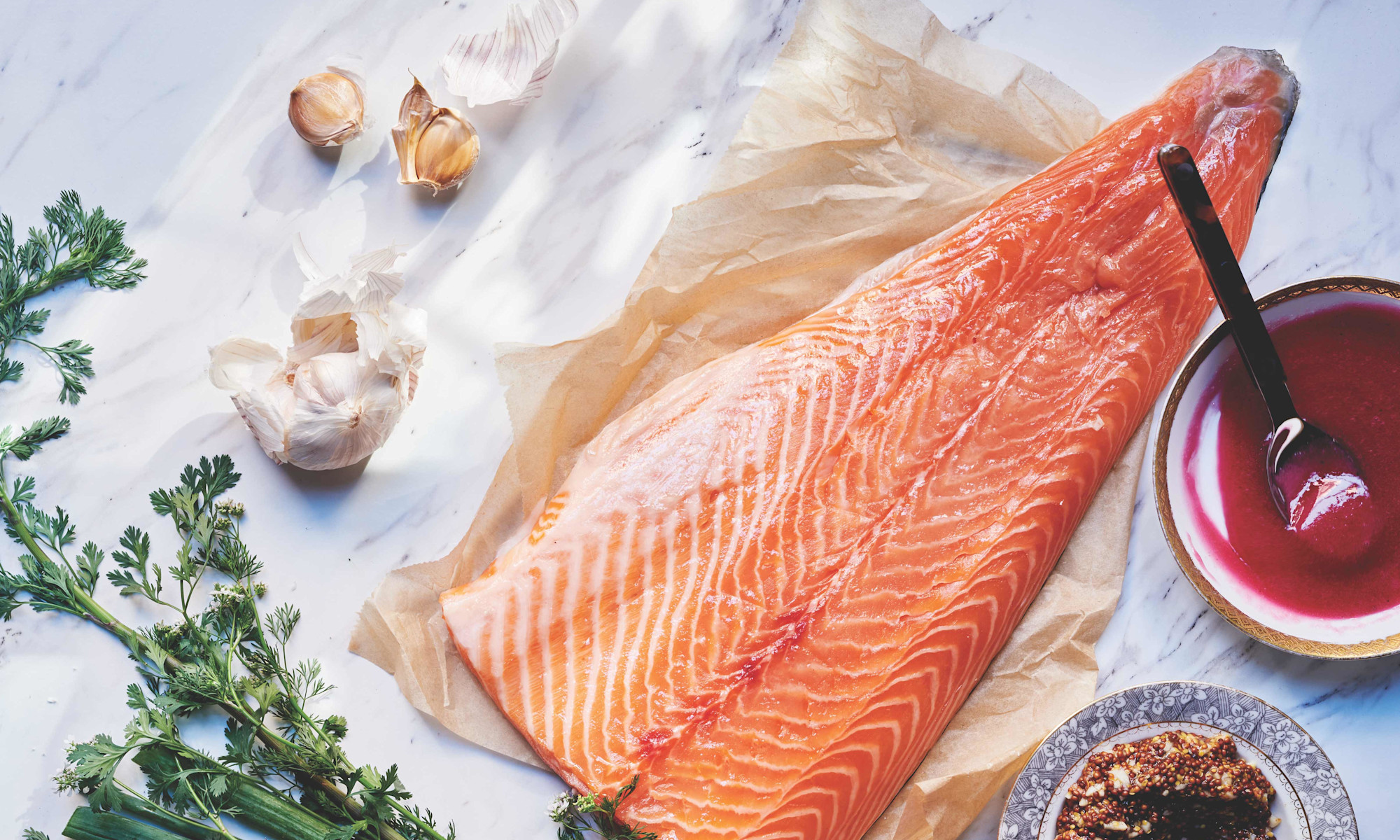
The culinary landscape of the American South is undergoing a significant transformation as chefs and nutritionists increasingly integrate ancestral knowledge with modern wellness principles, a trend exemplified by the recent unveiling of a signature Hibiscus Honey Mustard Salmon recipe by culinary artist Krystal Mack. This dish represents a sophisticated synthesis of Carolina-style mustard-based barbecue traditions and Caribbean botanical medicine, utilizing the hibiscus flower—commonly known as sorrel in the West Indies—not merely as a flavoring agent but as a functional health ingredient. By marrying the sharp acidity of mustard with the deep, floral sweetness of a slow-infused hibiscus honey, the recipe highlights a growing movement toward "food as medicine" within mainstream gastronomic discourse. The preparation, which requires a meticulous six-to-eight-hour infusion process for the honey, underscores a shift back toward slow-food techniques that prioritize nutrient density and flavor complexity over convenience.
The Cultural and Historical Foundations of Carolina Mustard and Caribbean Sorrel
To understand the significance of this culinary development, one must examine the historical convergence of the ingredients involved. The mustard-based sauce used in this salmon preparation pays homage to the "Mustard Belt" of South Carolina, a geographical region where German immigrants settled in the 18th century. Unlike the tomato-based sauces of Memphis or the vinegar-heavy liquids of Eastern North Carolina, the South Carolina tradition relies on yellow mustard, vinegar, and sweeteners to create a profile that is uniquely tangy and pungent. This European influence eventually merged with the cooking techniques of enslaved Africans and Indigenous peoples, creating a cornerstone of American barbecue.
Parallel to this Southern tradition is the use of hibiscus, or Hibiscus sabdariffa. While the plant is native to West Africa, it was carried across the Atlantic during the Transatlantic Slave Trade and became a staple of Caribbean culture, particularly in Jamaica, Trinidad, and Guyana. In these regions, "sorrel" is more than a beverage; it is a seasonal ritual and a medicinal powerhouse. Mack’s integration of these two distinct lineages—Carolina mustard and Caribbean hibiscus—serves as a narrative of the African Diaspora’s influence on the American palate, reclaiming herbalism as a fundamental component of the domestic kitchen.
Nutritional Analysis: The Functional Properties of Hibiscus and Salmon
The selection of ingredients in this recipe is backed by a growing body of nutritional data suggesting that functional foods can play a critical role in preventative health. Hibiscus is frequently cited in ethnobotanical studies for its high concentration of anthocyanins, polyphenols, and vitamin C. According to research published in various journals of clinical nutrition, hibiscus extracts have demonstrated significant diuretic properties, aiding in the management of fluid retention and blood pressure regulation. Furthermore, its antimicrobial properties make it a valuable asset in supporting the immune system.
The protein component of the dish, salmon, provides the necessary structural balance to these potent botanicals. Rich in Omega-3 fatty acids—specifically eicosapentaenoic acid (EPA) and docosahexaenoic acid (DHA)—salmon is widely recognized by the American Heart Association for its role in reducing systemic inflammation and promoting cardiovascular health. When paired with the antioxidant-rich hibiscus honey, the meal becomes a dense source of micronutrients. The inclusion of honey, a natural humectant and antimicrobial agent, further enhances the dish’s profile, though the recipe notes that the hibiscus infusion requires a reduction of volume by more than half to concentrate these beneficial compounds.
Chronology of Preparation: The Precision of Slow Infusion
The production of Hibiscus Honey Mustard Salmon is defined by a specific chronology that emphasizes patience and precision. The process begins at least 24 hours before the final assembly of the dish, focusing on the creation of the hibiscus honey.
- The Reduction Phase: Hibiscus flowers are combined with water in a small pot and brought to a simmer. The objective is to reduce the liquid volume by more than 50%, transforming a thin tea into a potent, deep-red concentrate. This phase typically takes approximately 30 to 45 minutes of active simmering, though the total preparation and cooling time for the infusion can extend to several hours.
- The Integration Phase: Once the hibiscus liquid has reached the desired concentration (approximately 1/4 cup), it is strained to remove the floral solids. While still warm, the liquid is stirred continuously into high-quality honey. This ensures a homogenous mixture where the floral notes are fully encapsulated by the honey’s sugars.
- The Maturation Phase: The resulting hibiscus honey requires a resting period of six to eight hours. This allows the flavors to meld and the viscosity to stabilize. Culinary experts suggest that making the honey a day in advance is optimal for achieving the desired flavor profile.
- The Final Assembly: On the day of service, the hibiscus honey is combined with mustard to create a glaze. This glaze is applied to the salmon, which is then cooked using methods that preserve the moisture of the fish while caramelizing the sugars in the honey.
This timeline reflects a departure from the "30-minute meal" culture, suggesting that high-level nutritional benefits and flavor depth are products of time and controlled chemical reactions, such as the Maillard reaction and the concentration of solutes through evaporation.
Market Trends and the Rise of Functional Gastronomy
The emergence of recipes like Mack’s Hibiscus Honey Mustard Salmon coincides with a broader shift in consumer behavior within the global food and beverage market. Market analysis indicates that the "functional food" sector is projected to grow significantly over the next decade, as consumers increasingly seek out ingredients that offer health benefits beyond basic nutrition. Hibiscus, in particular, has seen a resurgence in popularity, moving from the specialty tea aisle into mainstream condiments, snacks, and entrees.
Industry experts attribute this trend to a heightened public awareness of the link between diet and chronic illness. As traditional medicinal practices regain legitimacy through scientific validation, ingredients like hibiscus are being rebranded from "folk remedies" to "superfoods." This shift is also reflected in the hospitality industry, where chefs are increasingly collaborating with herbalists to design menus that cater to the "wellness-conscious" diner. The versatility of the hibiscus honey—which can be stored for up to a month and used in various applications such as sweetening teas or lemonades—appeals to the modern consumer’s desire for multi-purpose, artisanal pantry staples.
Expert Reactions and Culinary Implications
Culinary critics and nutritionists have noted that the success of this dish lies in its balance of flavors. The inherent bitterness and acidity of the hibiscus flower counteract the fatty richness of the salmon, while the mustard provides a bridge between the two. Dr. Elena Rodriguez, a food scientist specializing in botanical infusions, notes that "the use of hibiscus as a sweetener base is a clever way to introduce high levels of antioxidants into a savory context. By reducing the hibiscus water before adding honey, the chef is essentially creating a bioactive syrup that enhances both the shelf life and the health impact of the final product."
From a culinary perspective, the dish is praised for its accessibility. While the recipe calls for specific botanical knowledge regarding hibiscus, it also offers a "fail-safe" option: the use of plain honey if hibiscus is unavailable. This inclusivity ensures that the fundamental technique—glazing high-quality protein with a balanced sweet-and-savory sauce—remains available to home cooks of varying skill levels and ingredient access.
Broader Socio-Economic and Environmental Impact
Beyond the kitchen, the promotion of ingredients like hibiscus and salmon has implications for sustainable agriculture and trade. Hibiscus is a relatively hardy crop that requires fewer pesticides than many other commercial flowers, making it an attractive option for sustainable farming initiatives in tropical climates. Furthermore, the emphasis on using "wild-caught" or sustainably farmed salmon encourages consumers to pay closer attention to the origins of their seafood, potentially driving demand for more transparent supply chains.
The preservation of cultural recipes also serves as a form of "intangible heritage." By documenting the use of sorrel and Carolina mustard, creators like Krystal Mack ensure that the history of these regions remains vibrant and relevant. This cultural preservation is increasingly viewed as a vital component of social sustainability, fostering a deeper connection between the consumer and the history of their food.
Conclusion: The Future of Integrated Cooking
The Hibiscus Honey Mustard Salmon is more than a recipe; it is a blueprint for a future where flavor, history, and health are inextricably linked. As the culinary world continues to move away from processed additives and toward whole-plant infusions, the role of the chef is evolving into that of a curator of wellness. The meticulous preparation required for the hibiscus honey serves as a reminder that the most rewarding culinary experiences often require a return to slower, more intentional methods of preparation.
In an era defined by rapid technological advancement, the enduring appeal of a mustard-based sauce and an ancient herbal remedy suggests that the most effective path forward in nutrition may involve looking backward to the wisdom of ancestral kitchens. As this recipe gains traction in home kitchens and professional establishments alike, it stands as a testament to the power of cultural fusion and the untapped potential of the natural world to nourish both the body and the spirit. Through the careful vetting of ingredients and a commitment to culinary excellence, the integration of hibiscus into the American dinner table marks a new chapter in the ongoing story of global gastronomy.