rifanmuazin
The Rise of Generative AI in Creative Industries
The journey of AI image generation, from early conceptual models to the robust tools available today, has been remarkably swift. Key milestones such such as the public release of OpenAI’s DALL-E 2, Stability AI’s Stable Diffusion, and the emergence of Midjourney in the early 2020s marked a turning point, making sophisticated generative capabilities accessible to a broader audience. These initial offerings quickly moved beyond mere novelty, demonstrating the potential for AI to augment human creativity rather than simply replace it. By 2026, the market has matured significantly, with various models specializing in different output styles and offering diverse integration options, from standalone platforms to embedded features within popular design suites. The current landscape is characterized by intense competition and continuous innovation, driven by both technological breakthroughs and an expanding user base seeking efficient visual solutions.
Methodology: Evaluating Performance Across Creative Demands
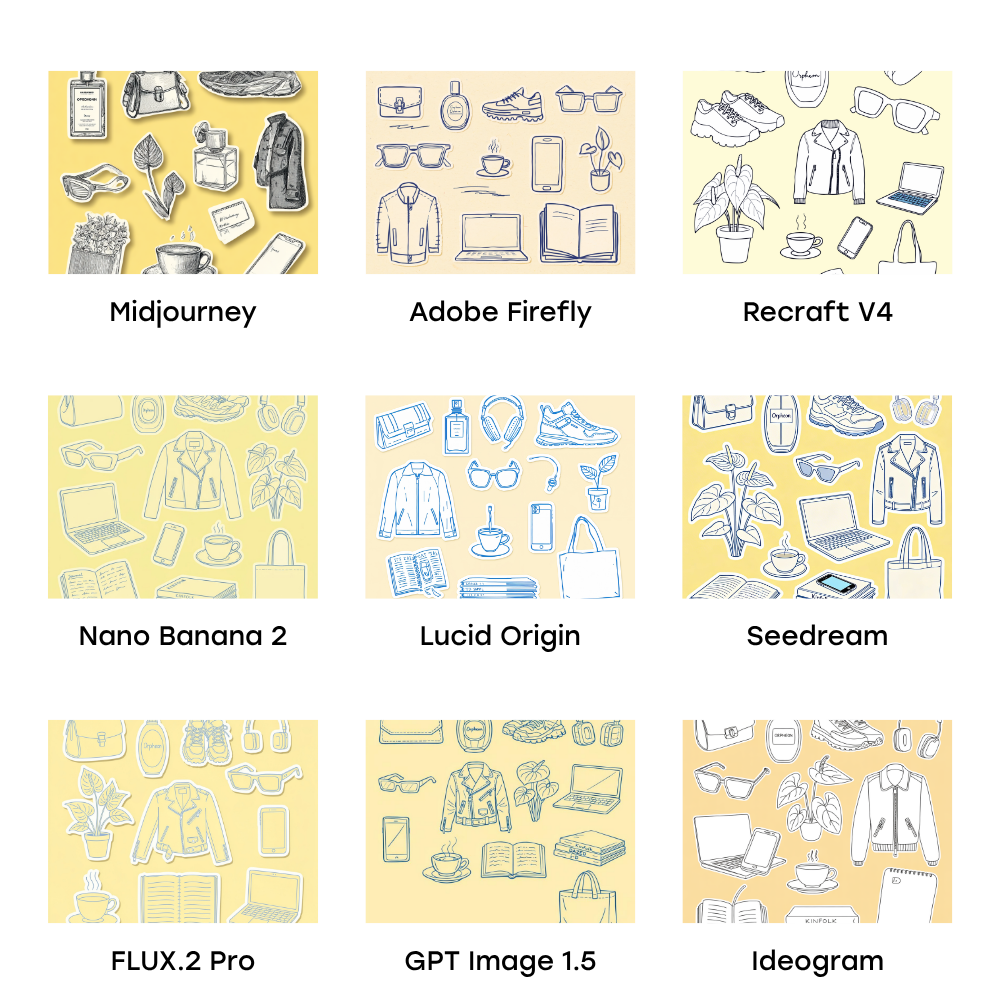
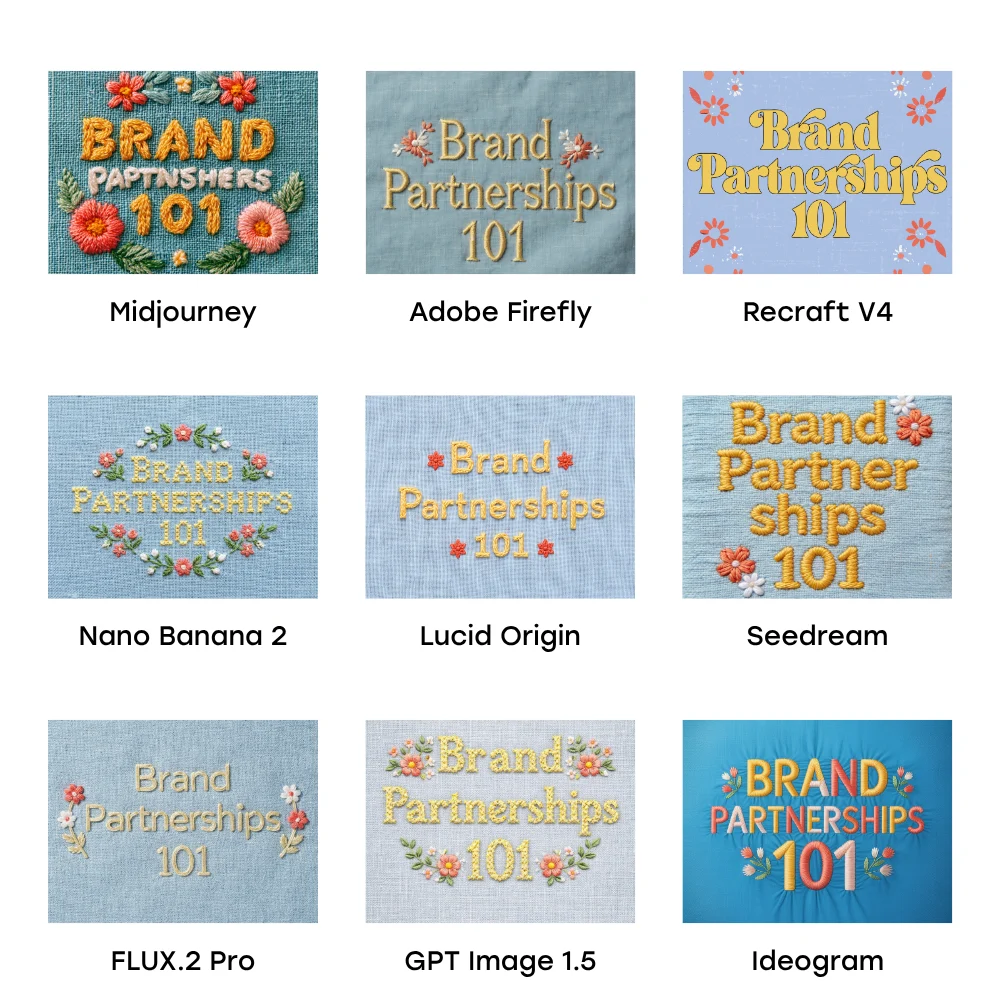
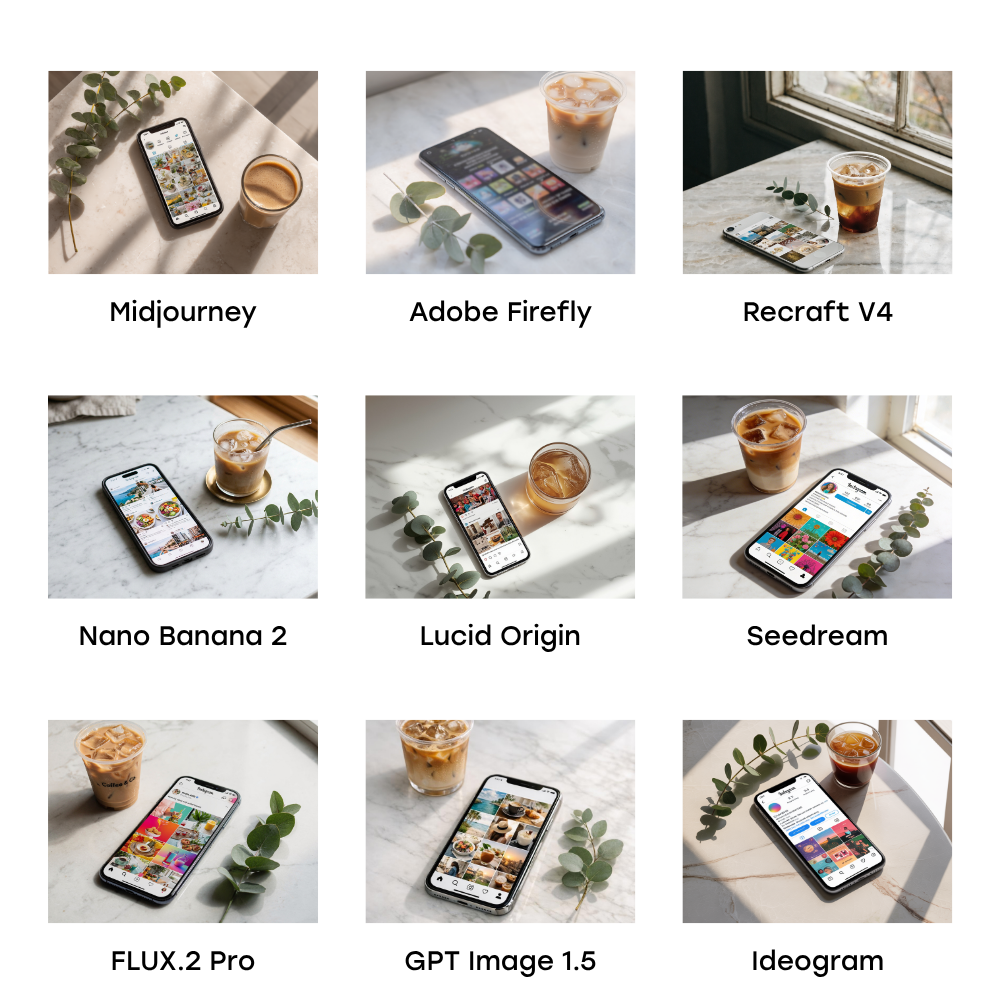
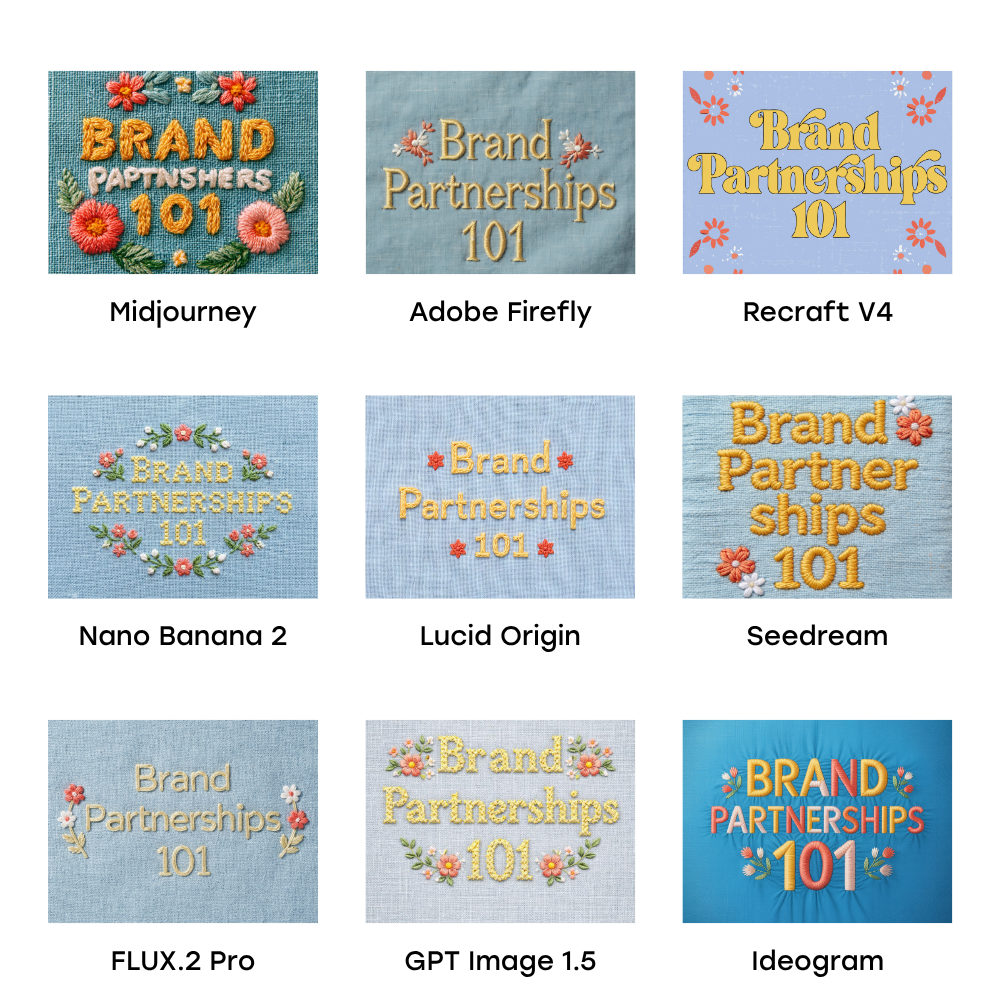
To provide a robust evaluation, the selected AI image generators were rigorously tested against three distinct creative challenges: a complex hand-drawn doodle sticker sheet requiring precise object rendering and stylistic consistency, a styled product flat lay demanding photorealistic quality and accurate detail, and an embroidered typography graphic assessing text generation capabilities and material texture fidelity. This multi-faceted approach aimed to simulate common creator needs, moving beyond simple image generation to assess the tools’ ability to adhere to specific, detailed prompts.
The testing process focused on models available through integrated platforms like Leonardo.ai (leveraging its Canva integration for workflow efficiency) and standalone tools such as Midjourney, Recraft, and Adobe Firefly. This allowed for a direct comparison of the underlying AI models while also considering the user experience and additional features offered by each platform.
Mastering the Art of Prompt Engineering

Effective prompt engineering proved to be the linchpin for achieving desirable outcomes across all tested models. The quality of the output was consistently correlated with the specificity and strategic construction of the input prompt. Extensive research into creator communities (such as r/midjourney and r/StableDiffusion on Reddit), Instagram prompt breakdowns, and specialized guides like Envato’s illustration prompt guide informed the development of optimized prompting strategies. Several critical principles emerged:

- Subject-First Prioritization: The initial words of a prompt exert the most influence. Models consistently produced more focused results when the primary subject and its action were stated first, followed by stylistic descriptors. For example, "A woman sitting at a desk with a laptop open" before "editorial lifestyle photography, warm natural light."
- Leveraging Camera Terminology for Photorealism: For photorealistic outputs, specific photography jargon proved highly effective. Terms like "shallow depth of field," "shot from a slight angle," "soft golden hour lighting," and "35mm film photography" tapped into the models’ training data, which includes vast archives of image captions and photography descriptions. Vague adjectives like "beautiful" or "high quality" offered minimal impact.
- Descriptive Color Language: While some design-centric tools like Recraft showed promise with hex codes for precise brand palettes, descriptive color names (e.g., "light blue," "butter yellow") yielded more accurate results across the majority of tested generators.
- Anchoring Illustration Styles: Unlike photorealism, which models often interpret broadly, illustration prompts required explicit stylistic anchors. Detailed descriptions of medium and technique, such as "hand-drawn doodle, light blue ink, single color, simple line art with slightly wobbly quality, outlines only," were crucial. Without such specificity, outputs often defaulted to generic clip art aesthetics or attempted photorealism. Envato’s guide, for instance, highlights the utility of terms like "ink hatching, gouache blocks, flat vector shapes, stipple shading, gestural linework."
- Strategic Use of Negative Prompts: Underrated but powerful, negative prompts (e.g., "no watermark," "no text," "no photorealism") significantly refined outputs by eliminating unwanted elements. Their effectiveness, however, was contingent on an already well-constructed positive prompt, emphasizing refinement over foundational creation. Placing critical exclusions early in the negative prompt further enhanced their impact.
A standardized prompt template was developed and consistently applied: [Subject and what they’re doing] + [setting or context] + [2 or more specific details] + [style]. This structure facilitated a systematic comparison of how each model interpreted and rendered detailed instructions.
Comparative Analysis of Leading AI Image Generators (2026)

The evaluation of nine AI image generation models revealed a diverse range of strengths and weaknesses, highlighting that the "best" tool often depends on the specific creative task.
Midjourney
- Strengths: Renowned for its artistic flair and visually rich, mood-driven outputs. Excels in generating aesthetically compelling images with a strong creative vision. Offers intuitive button-based editing for subtle or strong variations and even animation.
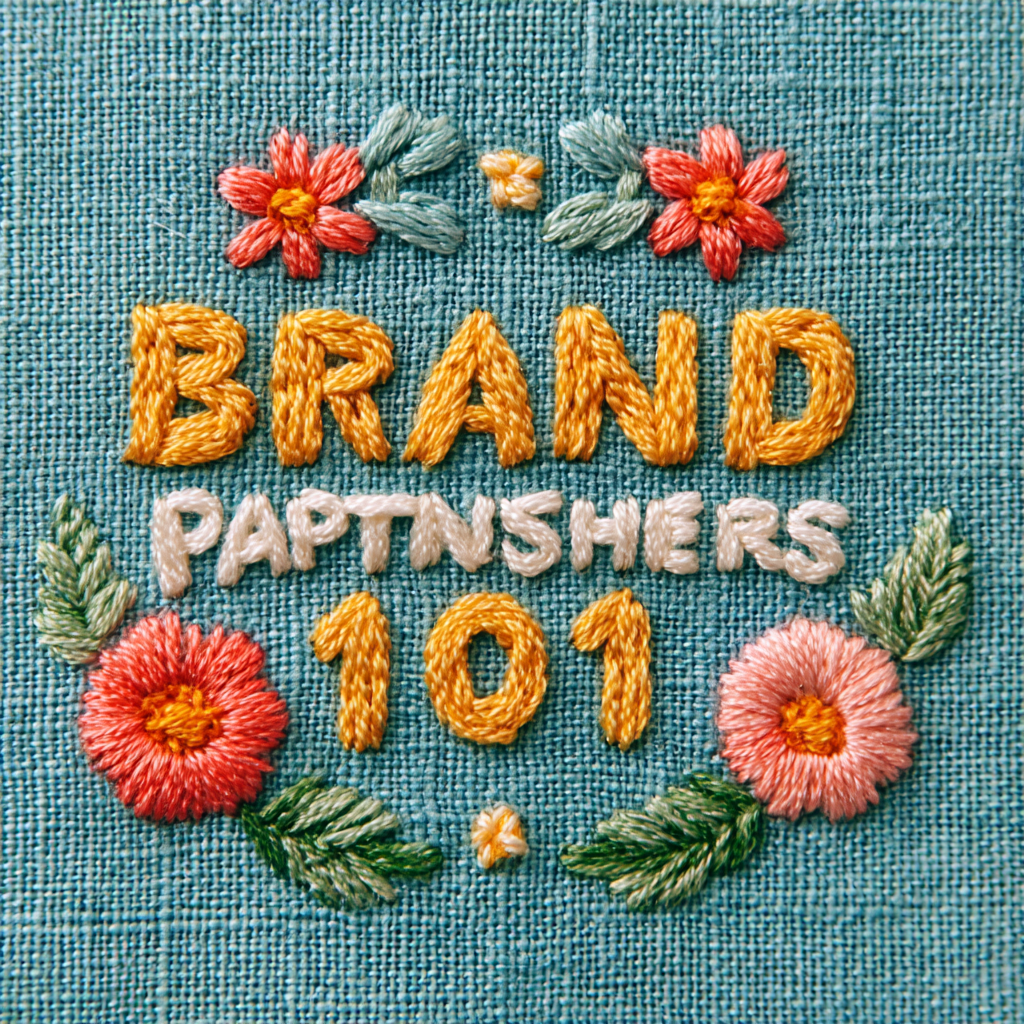
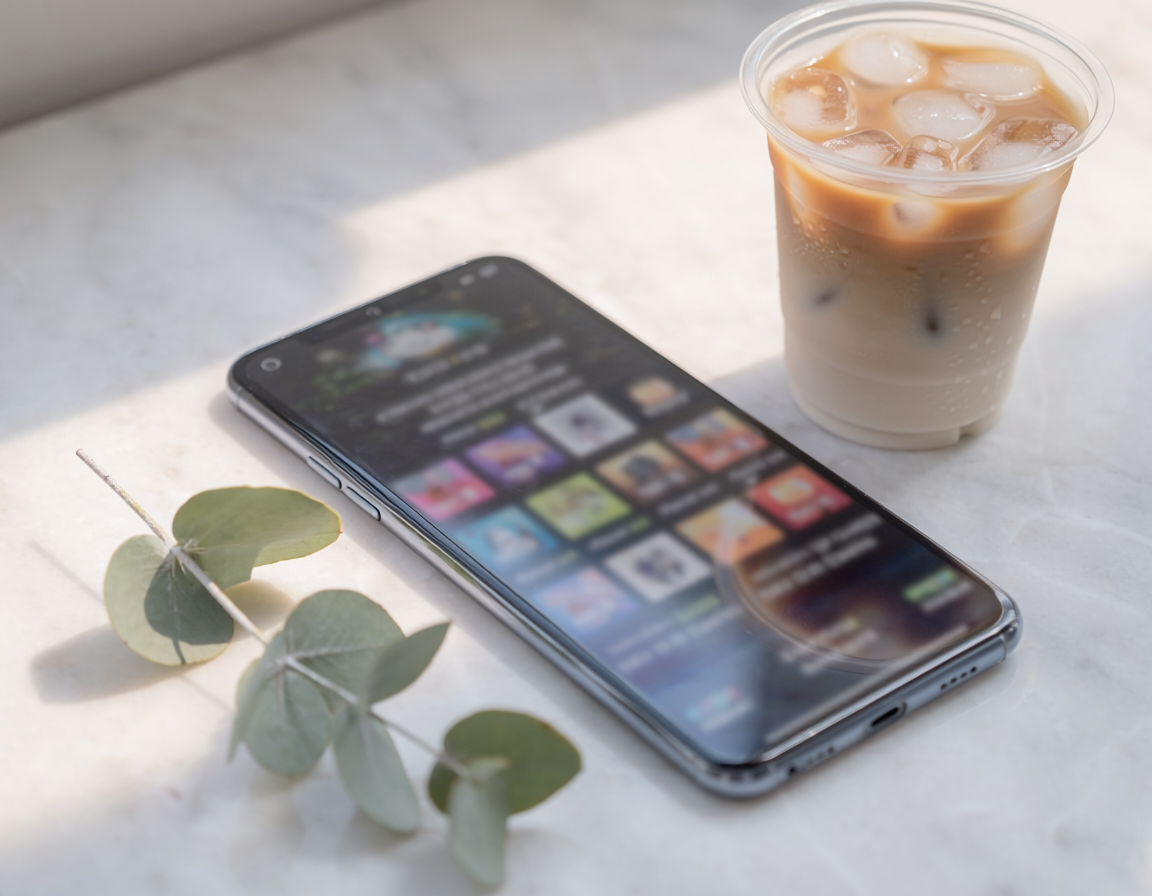
- Limitations: Struggled significantly with detailed object specificity and accurate text rendering. When prompted for 13 distinct objects with precise characteristics (e.g., "structured clutch bag with clasp hardware," "wireless square transparent over-ear headphones"), it often missed the brief, producing beautiful but inaccurate elements. Photorealistic results, while strong in overall mood and lighting, faltered on granular details like specific brand elements or the presence of ice in a drink. Typography tasks consistently resulted in garbled or misspelled words.
- Ideal Use: Creators prioritizing artistic expression, abstract concepts, or mood boards where exact object representation or text accuracy is secondary.
Adobe Firefly 5

- Strengths: Strong integration within the Adobe Creative Cloud ecosystem, offering seamless transitions to Photoshop or Illustrator. Adobe’s commitment to training Firefly on licensed and public-domain content provides a distinct advantage in commercial licensing, offering cleaner commercial-use rights and IP indemnification for enterprise users. Produced genuinely hand-drawn and whimsical illustrations.
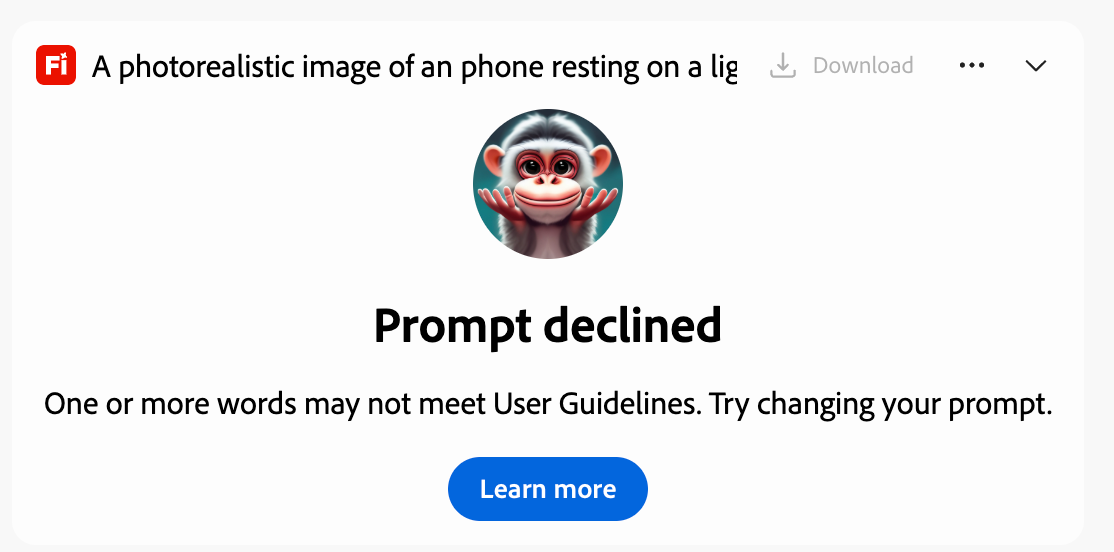
- Limitations: Displayed a cautious approach to brand names, declining terms like "iPhone" and "Instagram" in prompts, which, while beneficial for copyright, requires users to adapt their prompting strategy. Accuracy in illustration details was sometimes lacking (e.g., incorrect zipper placement on a jacket).
- Ideal Use: Creators and businesses deeply embedded in the Adobe ecosystem who require robust commercial licensing, prioritize ethical training data, and are comfortable working around brand-name restrictions.
Recraft V4 Pro

- Strengths: Designed for creators and designers, offering extensive control over visual style, custom color palettes, and a vast library of reference designs. Its agentic chat feature allows for iterative refinement through conversation. Showed a clear aesthetic vision, sometimes delivering surprisingly creative results even when deviating from the prompt.
- Limitations: First-pass illustrations could be inconsistent (e.g., generic sneakers, unexpected color introduction). Photorealistic images, while visually appealing at first glance, revealed inaccuracies upon closer inspection (e.g., distorted phone dimensions, gibberish on-screen content, structural anomalies). Its typography output, while visually interesting, often diverged from the requested embroidery realism.
- Ideal Use: Designers seeking granular control over style, access to a rich design library, and an iterative refinement workflow. Suited for those who value creative interpretation and are willing to fine-tune initial outputs.
GPT Image 1.5 (OpenAI)

- Strengths: Accessible through ChatGPT, making it convenient for users already within that ecosystem. Offers control over style, quality, and dimensions when accessed via platforms like Leonardo.ai. Demonstrated faithful adherence to typography prompts, even if the aesthetic was not always universally appealing.
- Limitations: Illustration outputs sometimes appeared compressed or had a recognizable "AI yellowish tinge." Photorealistic results struggled with brand recognition and specific layout cues (e.g., an unrecognizable Instagram feed). While accurate in text generation, the aesthetic quality of typography often leaned towards cartoonish.
- Ideal Use: General users of ChatGPT seeking quick image generation, or those prioritizing prompt adherence over nuanced aesthetic quality, particularly for text-heavy graphics where precision is paramount.
Nano Banana 2 (Google)

- Strengths: Consistently delivered the most accurate rendering of specific real-world objects and styles, particularly in illustration. Its likely access to Google’s vast indexed visual data (image search, Google Shopping) allows it to "understand" specific brand names and product aesthetics (e.g., "Diptyque Orphéon" perfume bottle, "Salomon trail running sneakers") with remarkable precision. Excelled in producing realistic Instagram feeds and added "lived-in" elements to photorealistic scenes, enhancing believability.
- Limitations: While highly accurate, its outputs might occasionally lack the distinct artistic "flair" of Midjourney or Recraft, prioritizing literal interpretation.
- Ideal Use: Creators requiring high fidelity in object representation, accurate brand rendering, and consistent results across various styles, especially for detailed illustration work or product-focused photorealism. Regarded as the most consistent performer across all test categories.
Seedream (ByteDance)

- Strengths: Produced the most authentic sticker-like effect for illustrations and demonstrated strong text generation capabilities, accurately rendering every label and spelling. Notably, it correctly identified and rendered an anthurium plant, a detail that challenged other models. CapCut Pro integration is a significant advantage for video creators.
- Limitations: Accuracy issues emerged on closer inspection of illustrations (e.g., unrequested phone on magazine stack, transparent headphones). Photorealistic outputs had recognizable "fake phone" elements, though surrounding details were well-rendered. Typography, while accurate, sometimes had a slightly cartoonish font weight that contrasted with fabric realism.
- Ideal Use: Creators focused on reliable text generation within images and those leveraging the CapCut ecosystem for integrated content creation, particularly for sticker-style graphics.
Ideogram 3.0

- Strengths: Positioned as a strong contender for text generation in images, demonstrating a capability to spell words correctly and place them appropriately.
- Limitations: Showed inconsistency in color adherence and delivered generic, less personalized illustrations (e.g., a monstera instead of a specific anthurium). Photorealistic images often fell into the "uncanny valley," appearing "almost real" but with discernible artificial elements. Its typography interpretations often leaned cartoonish, failing to achieve the desired handcrafted realism of embroidery.
- Ideal Use: Creators prioritizing accurate text in their generated images and willing to accept some trade-offs in visual personality or specific stylistic adherence.
FLUX.2 Pro

- Strengths: Gaining traction for its balance of quality and speed. Displayed creative interpretations, such as rendering illustrations as physically printed and arranged stickers, bridging the gap between illustration and photorealism. Handled shadows effectively in photorealistic scenes and delivered impressively realistic stitching textures in typography.
- Limitations: Creative liberties sometimes meant deviations from the prompt’s exact intent (e.g., printed stickers instead of flat illustrations). Object details in illustrations were occasionally inaccurate. Typography, despite excellent stitching texture, sometimes made text appear "glued on" rather than integrated.
- Ideal Use: Creators seeking a model that can take creative liberties, offering outputs with a distinct point of view and surprising artistic interpretations. Suitable for those open to less predictable but potentially more unique results.
Lucid Origin

- Strengths: Offers fast generation modes and a distinctive dimensional, almost 3D, quality to its outputs. Demonstrated strong reading comprehension by interpreting "flat lay" literally as a top-down shot, unlike most competitors.
- Limitations: Text generation was generally poor, and several requested objects in illustrations did not accurately match the prompt. Photorealistic elements like ice in drinks and on-screen phone content appeared deeply unrealistic. While its typography offered an appealing aesthetic, it often missed specific details (e.g., missing white accents) and lacked the grounded physical reality of other models.
- Ideal Use: Creators prioritizing quick generation and a unique, embossed or dimensional aesthetic, who do not require pixel-perfect prompt adherence or highly accurate text.
Technical Underpinnings: Diffusion vs. Autoregressive Models

The distinct performance characteristics observed across these models are largely rooted in their underlying architectural approaches.

- Diffusion Models: These models, exemplified by FLUX, Stable Diffusion, and Midjourney, operate by starting with random visual noise (akin to static) and iteratively refining it. At each step, the model processes the input prompt and gradually removes the noise, nudging the image closer to the description. This "denoising" process often results in outputs with a characteristic painterly, textured, or artistic quality. They build the entire image holistically, refining from chaos to clarity, which can lead to strong overall compositions but sometimes struggles with precise, granular details or text.
- Autoregressive Models: Google’s Imagen (which powers Nano Banana 2) and OpenAI’s GPT Image models often employ an autoregressive approach. These models generate images sequentially, predicting and adding elements piece by piece, similar to how language models construct sentences. This sequential processing can make them particularly adept at following complex, multi-component prompts and maintaining internal consistency, as they build upon previously generated elements. This often translates to better adherence to detailed instructions and object specificity.
The boundary between these architectures is increasingly blurred, with newer models like Seedream and Ideogram utilizing hybrid approaches to combine the strengths of both. Understanding these foundational differences helps explain why a prompt might yield dramatically different results across various tools. Furthermore, all these models learn from vast datasets of images paired with their textual descriptions. This explains why specific vocabulary (e.g., photography terms, illustration techniques) resonates so effectively, as it directly aligns with the language the models were trained on.

Legal and Ethical Considerations in AI Image Generation

The commercial viability and widespread adoption of AI image generators are inextricably linked to evolving legal and ethical frameworks.

- Copyrightability: A significant ongoing debate centers on the copyright status of AI-generated images. The U.S. Copyright Office has consistently ruled that an image generated solely through a text prompt, without significant human creative input, is not copyrightable. This position was further reinforced when the U.S. Supreme Court declined to alter this stance in March 2026. For many creators using these images for social media or blog headers, this may have minimal day-to-day impact. However, it implies that creators cannot claim exclusive ownership over AI outputs in the same way they would with human-created art. The more an AI image is modified, edited, and integrated into a broader human-designed work, the stronger the potential claim to copyright for the combined work.
- Training Data and Lawsuits: The vast majority of AI models are trained on immense datasets of images scraped from the internet, often without explicit consent or compensation to the original artists. This has led to over 70 copyright lawsuits, with a landmark case naming Stability AI and Midjourney slated for trial in September 2026. Adobe Firefly stands as a notable exception, being trained exclusively on licensed Adobe Stock content and public-domain material, which allows Adobe to offer IP indemnification for its enterprise plans, providing a layer of legal security for commercial users.
- Generating Human Subjects: The ability of AI image generators to create convincing images of non-existent people, and sometimes even images that bear resemblances to real individuals, introduces profound ethical and legal complexities. Beyond right-of-publicity issues, concerns about deepfakes, misinformation, and the potential for harmful stereotypes derived from biased training data necessitate extreme caution when generating human subjects. Many creators, for these reasons, opt to avoid such outputs entirely.
Market Access and Economic Models

Accessibility to AI image generation tools varies across the market. Most platforms offer a freemium model:

- Free Tiers/Credits: Leonardo.ai provides daily refreshing tokens, allowing users to test multiple models without a subscription. Recraft, Ideogram, and Meta AI also offer free access. ChatGPT includes image generation in its free plan, with paid plans offering faster generation and higher limits.
- Subscription Models: Midjourney requires a paid subscription, with plans starting at approximately $10/month. Adobe Firefly is integrated into most Creative Cloud plans, with a limited number of free generations available via Adobe’s website.
For creators seeking to explore and compare tools without initial financial commitment, platforms like Leonardo.ai offer the most flexible starting point due to their multi-model access.

Conclusion: A Landscape of Specialization and Rapid Evolution

The current generation of AI image generators represents a powerful, albeit still imperfect, suite of tools for creative professionals. The evaluation clearly demonstrates that while no single model excels at every task, specific tools show remarkable strengths in particular domains. Nano Banana 2 stands out for its accuracy in rendering specific objects and styles, making it a strong all-rounder, particularly for detailed illustrations. Seedream and Ideogram 3.0 lead in reliable text generation, a crucial feature for many graphic design applications. Midjourney maintains its position as the premier tool for artistic and mood-driven visuals, while Adobe Firefly offers unparalleled commercial licensing and workflow integration.
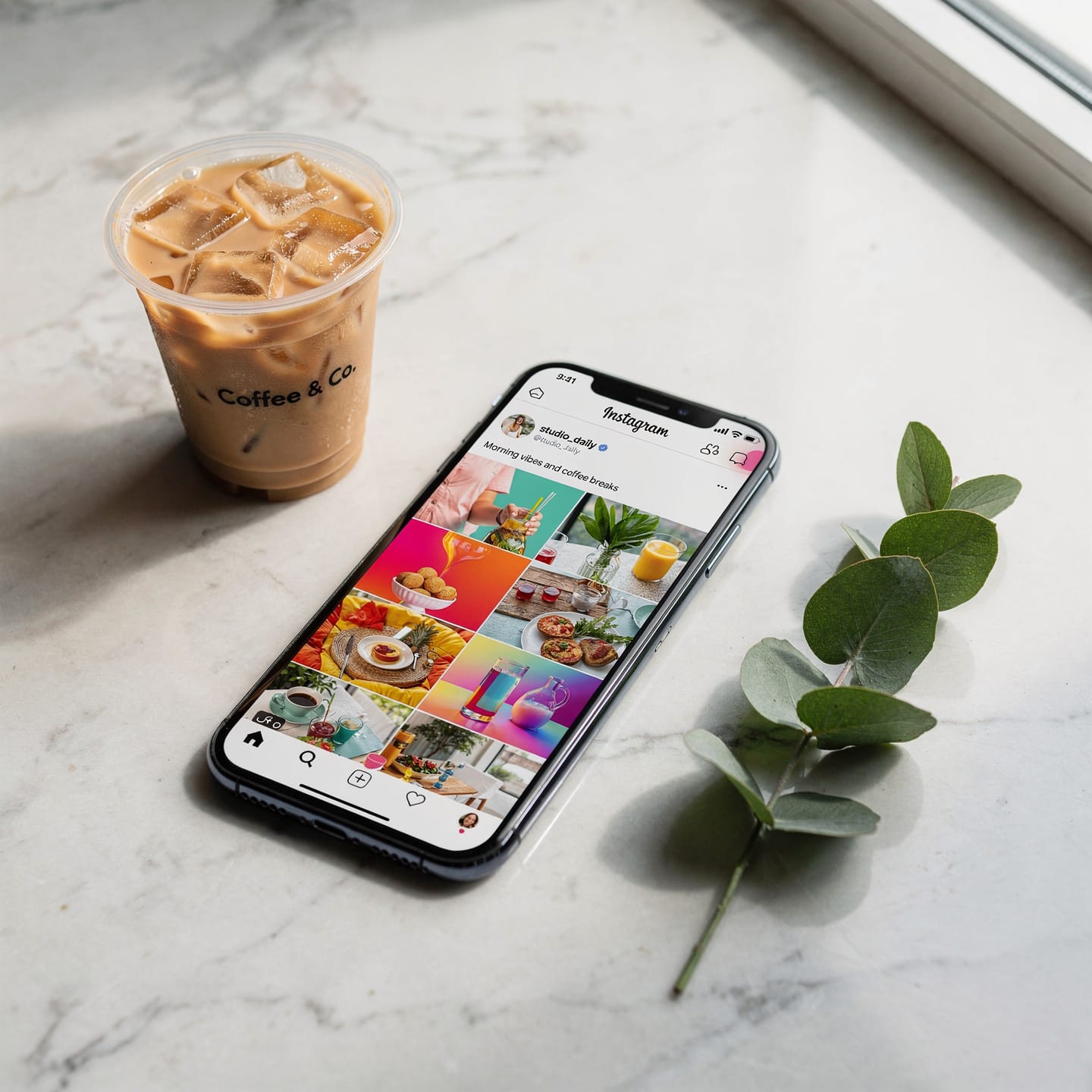
The distinction between "obviously AI" and indistinguishable human-created work is rapidly diminishing, particularly for illustrations and stylized graphics. However, photorealistic outputs still often betray their AI origin upon close inspection, particularly in fine details like screen content, text within images, or subtle product anomalies.

As these tools continue their rapid evolution, driven by ongoing research in diffusion and autoregressive models, their capabilities will only expand. The future of content creation will likely see deeper integration of AI into existing design workflows, further empowering creators to produce high-quality visuals with unprecedented speed and efficiency, while simultaneously navigating the complex and evolving legal and ethical landscape.