
 Muhammad Hendra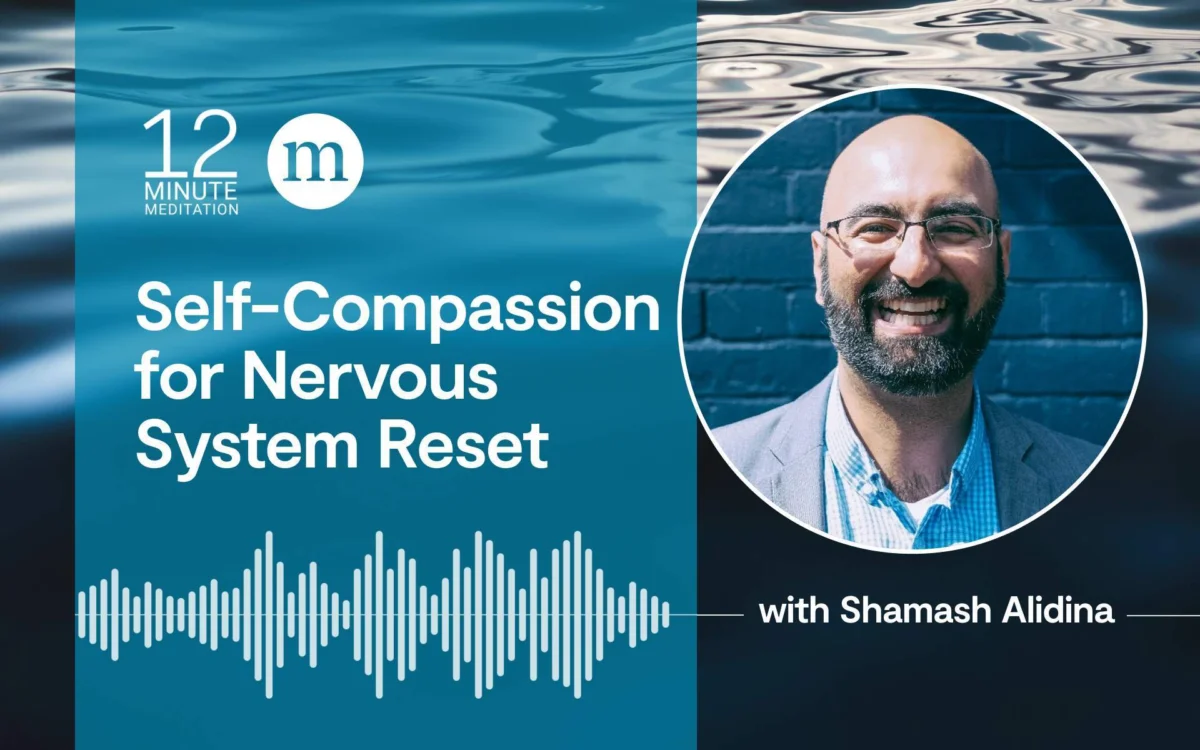
In an era characterized by unprecedented levels of stress and mental strain, individuals often find themselves ensnared in persistent stress cycles, struggling to find effective mechanisms for respite and recovery. Amidst this challenge, a growing body of research and expert consensus points towards self-compassion as a profoundly powerful, yet frequently overlooked, practice for healing and the restoration of mental and physical well-being. This gentle, intentional approach serves as a critical intervention to pause, recalibrate the nervous system, and initiate a fundamental reset, moving beyond the instinctual fight-or-flight responses that often dominate modern life. Mindfulness teacher Shamash Alidina, a seasoned practitioner and prominent voice in the field, champions this methodology, offering structured pathways to cultivate self-compassion precisely when its benefits are most needed.
The Pervasive Nature of Stress and Its Physiological Toll
The human body’s stress response, a primal survival mechanism designed for acute threats, has become a chronic condition for many in contemporary society. Data from organizations like the American Psychological Association consistently highlight rising stress levels across demographics, with economic pressures, global events, and the relentless pace of digital life contributing to a state of perpetual vigilance. This "stress cycle" manifests physiologically through the activation of the sympathetic nervous system, triggering the release of hormones such as cortisol and adrenaline. While beneficial in short bursts, prolonged exposure to these hormones can lead to a cascade of negative health outcomes, including increased risk of cardiovascular disease, weakened immune function, digestive issues, chronic pain, and significant mental health challenges such as anxiety disorders and depression.
Beyond the immediate discomfort, chronic stress impacts cognitive function, impairing memory, concentration, and decision-making abilities. The prefrontal cortex, responsible for executive functions, can be compromised, leading to a vicious cycle where stress makes it harder to manage stress effectively. This physiological and psychological entanglement underscores the urgent need for accessible, evidence-based interventions that can gently disengage the body and mind from this detrimental loop.
The Emergence of Self-Compassion as a Therapeutic Tool
While self-care practices have gained traction, self-compassion, though seemingly intuitive, is not always the immediate or instinctual response for many. Societal conditioning often promotes self-criticism, a relentless pursuit of perfection, and a belief that harsh internal judgment is a motivator for improvement. However, leading psychological research, particularly from figures like Dr. Kristin Neff, defines self-compassion as comprising three core components: self-kindness (treating oneself with warmth and understanding rather than harsh judgment), common humanity (recognizing that suffering and personal inadequacy are part of the shared human experience, rather than isolating oneself), and mindfulness (observing one’s painful thoughts and feelings without judgment, holding them in balanced awareness).
Scientific studies increasingly validate the profound benefits of cultivating self-compassion. Research has shown that individuals high in self-compassion exhibit lower levels of cortisol, the primary stress hormone, suggesting a direct physiological dampening of the stress response. They also tend to have stronger immune systems, report greater emotional resilience, and experience reduced symptoms of anxiety, depression, and post-traumatic stress. Furthermore, self-compassion is correlated with increased motivation, healthier relationships, and greater overall life satisfaction. It acts as an internal resource, providing a stable foundation from which to navigate life’s inevitable difficulties, fostering psychological flexibility rather than rigidity in the face of adversity. This growing body of evidence has positioned self-compassion as a cornerstone of modern psychological and wellness practices.
Shamash Alidina: A Leading Voice in Accessible Mindfulness and Self-Compassion
Shamash Alidina stands as a significant figure in the global mindfulness movement, particularly noted for his ability to translate complex concepts into practical, accessible guidance. His journey into mindfulness began in 1998, a period when secular mindfulness was still nascent in mainstream discourse. This early adoption allowed him to develop a deep, experiential understanding of its principles, which he has since dedicated his career to sharing. In 2010, Alidina transitioned to teaching mindfulness full-time, a testament to the growing demand for these practices and his commitment to their dissemination.

Based in London, Alidina operates a successful training organization, extending his influence far beyond geographical boundaries through online courses and speaking engagements at international conferences. His philosophy centers on demystifying mindfulness and self-compassion, making them relatable and actionable for everyday individuals facing real-world challenges. This commitment is vividly reflected in his acclaimed publications, notably Mindfulness For Dummies and, more recently, The Mindful Way Through Stress. These works exemplify his pedagogical approach: clear, concise, and eminently practical, avoiding jargon in favor of direct, experiential learning. His frequent appearances in major newspapers, magazines, and radio shows underscore his role as a public educator, bringing mindfulness and self-compassion into broader public consciousness. Alidina’s consistent presence in media and his extensive teaching career highlight a sustained effort to equip individuals with tools for mental and emotional resilience.
Alidina’s Framework: Three Pathways to a Self-Compassionate Reset
In his teachings, particularly within the context of stress management, Shamash Alidina emphasizes specific, actionable strategies for invoking self-compassion. While the precise details of a guided meditation script are proprietary to his practice, the overarching principles he advocates align with established self-compassion frameworks, designed to actively interrupt the stress cycle and foster a sense of inner calm. These pathways typically involve:
-
Mindful Awareness of Suffering: The initial step involves gently acknowledging and observing the presence of stress, pain, or difficulty without immediately trying to fix or suppress it. This is not about wallowing but rather about creating a space of non-judgmental awareness for one’s current experience. When caught in a stress cycle, the nervous system is often on high alert, reacting to perceived threats. Mindfully noticing the physical sensations (e.g., tension, rapid heart rate), emotional states (e.g., anxiety, frustration), and cognitive patterns (e.g., rumination, self-criticism) associated with stress allows for a moment of pause. This step activates the prefrontal cortex, shifting attention away from the amygdala’s automatic threat response. By simply acknowledging "This is a moment of suffering," or "I am feeling stressed right now," one creates a crucial space between the stimulus and the reaction, a prerequisite for any intentional response.
-
Connecting with Common Humanity: A fundamental aspect of self-compassion is recognizing that personal suffering is not an isolated experience but a universal part of the human condition. When stressed, individuals often feel alone, as if their struggles are unique or a sign of personal failing. This isolation can exacerbate feelings of shame and intensify the stress response. Alidina’s approach encourages individuals to gently remind themselves that "All humans experience stress and difficulty," or "I am not alone in this feeling." This mental shift actively counters the self-isolating tendencies of self-criticism and shame. By connecting with the shared experience of imperfection and struggle, the nervous system can begin to de-escalate. The realization that others also grapple with similar challenges can foster a sense of belonging and reduce the intensity of personal judgment, thereby calming the emotional circuitry associated with threat and isolation.
-
Offering Self-Kindness and Soothing Touch: The third crucial component involves actively extending warmth, care, and understanding to oneself, much as one would to a dear friend in distress. This can involve gentle internal phrases such as "May I be kind to myself in this moment," "May I be free from suffering," or "May I give myself the comfort I need." Alongside these mental affirmations, physical gestures can be incredibly potent in signaling safety to the nervous system. Placing a hand over the heart, gently stroking an arm, or clasping hands can activate the vagus nerve, which plays a critical role in regulating the parasympathetic nervous system (the "rest and digest" system). This physical self-soothing releases oxytocin, a hormone associated with bonding and well-being, which directly counteracts the effects of cortisol and adrenaline. The combination of kind internal dialogue and soothing touch creates a powerful physiological and psychological shift, moving the individual from a state of fight-or-flight to one of safety and self-care, effectively resetting the nervous system and interrupting the stress cycle.
By integrating these three pathways—mindful awareness, common humanity, and self-kindness—individuals are provided with a holistic method to engage with their stress, not by fighting it, but by nurturing themselves through it. This practice is not about avoiding discomfort but about relating to it in a way that promotes healing and resilience.
Broader Implications and the Future of Wellness
The teachings of Shamash Alidina and the wider movement of self-compassion hold significant implications for individual well-being and societal health. As mental health challenges continue to rise globally, accessible practices like these offer a proactive and empowering approach to self-management.
- Public Health Initiatives: Integrating self-compassion into public health campaigns and educational curricula could equip future generations with fundamental emotional regulation skills, potentially reducing the prevalence of stress-related illnesses and improving overall mental health outcomes.
- Workplace Wellness: Employers are increasingly recognizing the economic and human cost of employee stress and burnout. Implementing self-compassion training in corporate environments can foster a more supportive culture, enhance employee resilience, and improve productivity and job satisfaction.
- Personal Empowerment: For individuals, learning self-compassion offers a profound sense of agency. It shifts the locus of control inward, providing tools to navigate life’s inevitable challenges with greater equanimity and strength, rather than relying solely on external circumstances or support systems.
- Therapeutic Integration: Self-compassion is increasingly being integrated into various psychotherapeutic modalities, including Cognitive Behavioral Therapy (CBT) and Dialectical Behavior Therapy (DBT), enhancing their effectiveness by addressing the often-overlooked dimension of self-relationship.
The work of practitioners like Shamash Alidina underscores a critical paradigm shift in wellness: moving from a focus on merely coping with stress to actively cultivating an internal landscape of kindness and understanding. In a world that often demands perfection and relentless striving, the simple yet profound act of showing compassion to oneself offers not just temporary relief but a sustainable foundation for long-term well-being and a more resilient, compassionate society. The embrace of self-compassion is not a luxury, but an essential skill for navigating the complexities of modern existence, providing a vital pathway to a calmer nervous system and a more peaceful mind.