Cintya Tara Annisa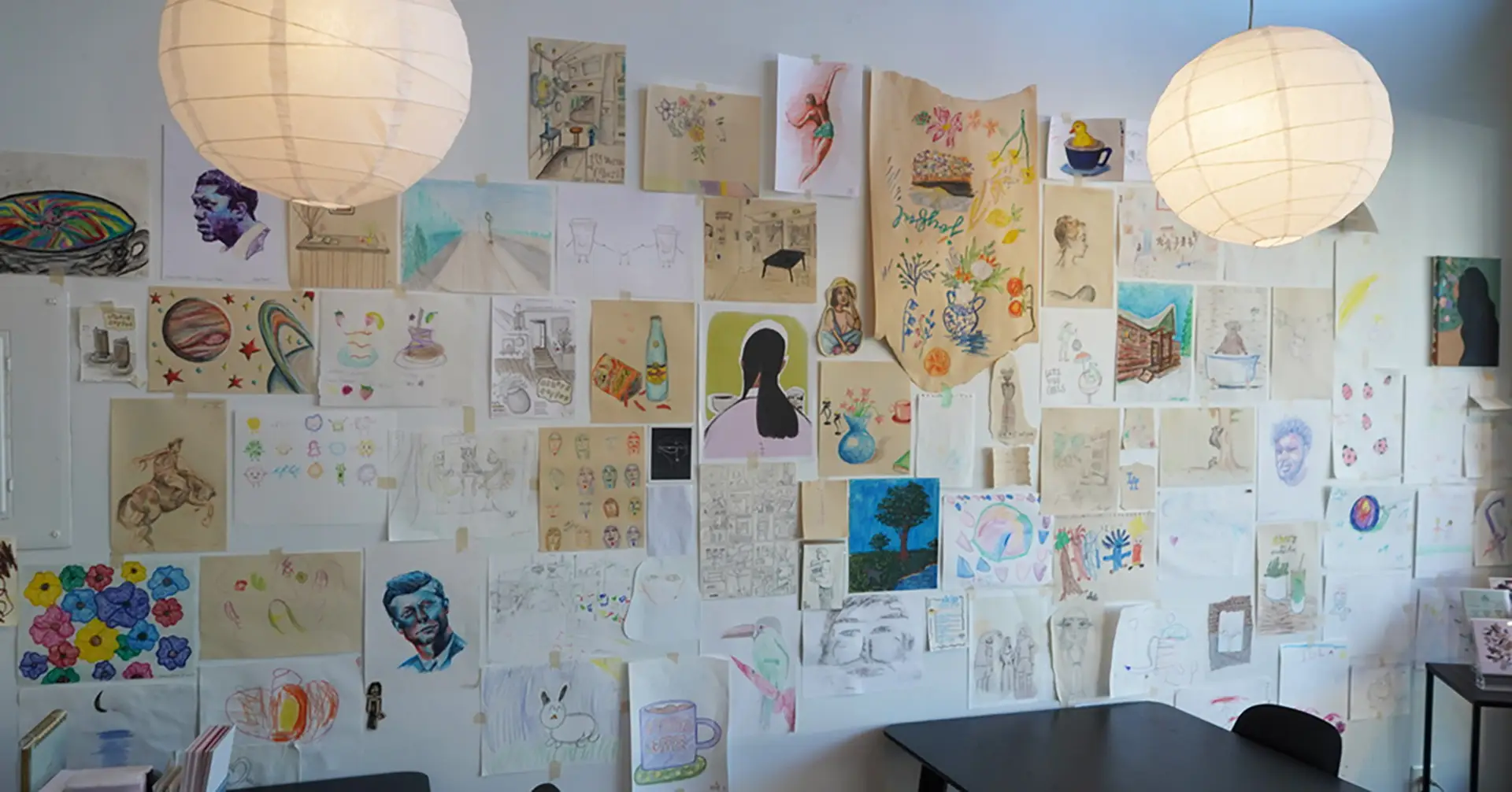
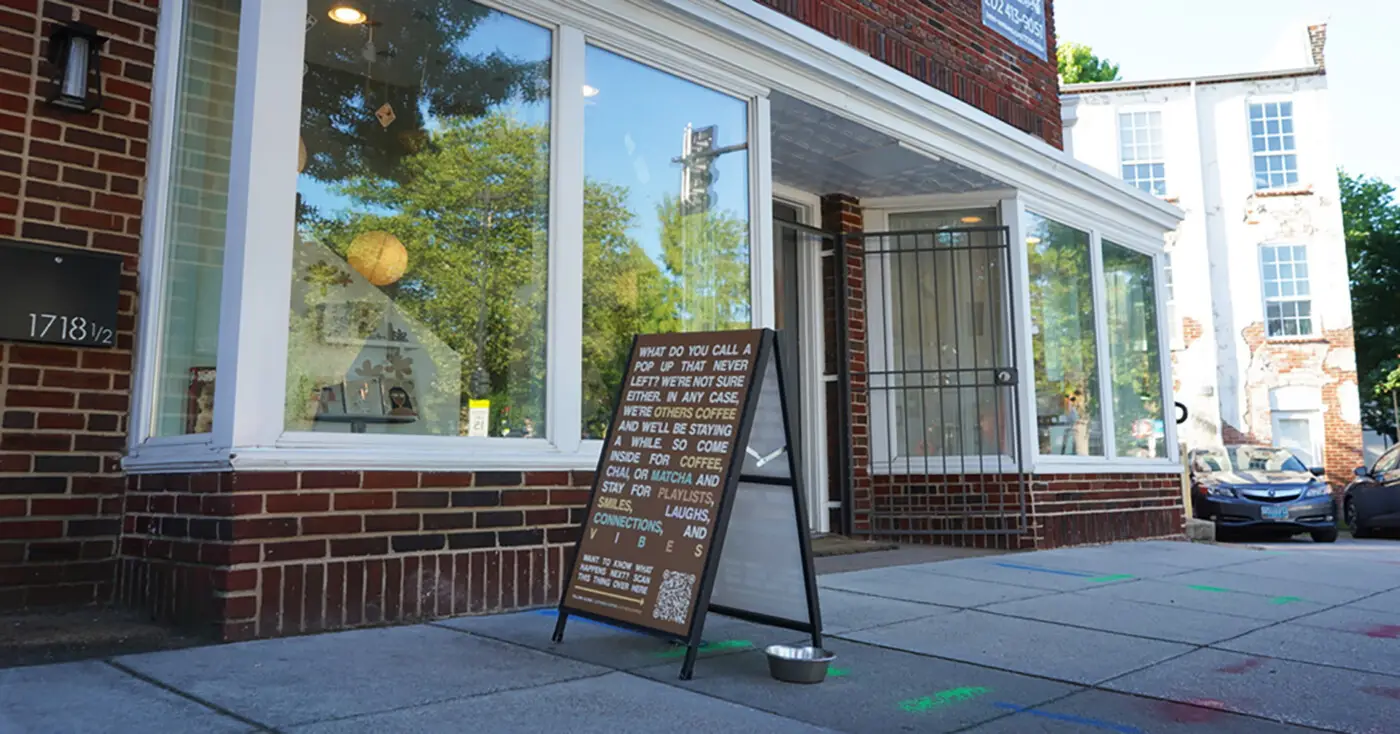
Others Coffee, a specialty coffee roaster and retailer based in Washington, D.C., has announced a comprehensive renovation of its flagship location in the Adams Morgan neighborhood. The project represents a significant milestone for the company, which was founded in 2020 by hospitality professionals Brian Raupp and Ashley May following industry-wide layoffs during the COVID-19 pandemic. The renovation aims to transition the current 500-square-foot space from a "permanent pop-up" configuration into a purpose-built, high-capacity specialty coffee bar. Scheduled to commence in August 2026, the construction is timed to conclude ahead of the brand’s sixth anniversary on September 29, 2026.
The Genesis of Others Coffee: A Pandemic-Era Success Story
The trajectory of Others Coffee is reflective of a broader shift in the American labor market during the early 2020s, characterized by a surge in independent entrepreneurship following the disruption of traditional service industry roles. When the pandemic halted operations across the District of Columbia’s vibrant culinary scene, Raupp and May—both experienced baristas—shifted their focus toward self-taught roasting and digital brand development.
The company officially launched on National Coffee Day in 2020. Initial operations were lean, focusing on online sales, community giveaways, and a series of pop-up events throughout the D.C. metropolitan area. This "guerrilla" approach to retail allowed the founders to build brand equity and a loyal customer base without the immediate overhead of a long-term commercial lease.
A pivotal moment in the company’s chronology occurred during a collaborative pop-up with Little Acre Flowers, a local floral design studio. The success of this collaboration led to a formal sublease agreement within the florist’s space in Adams Morgan. Over the subsequent two years, as the business stabilized and outgrew its secondary status, Others Coffee secured a full-term lease for the space, establishing its first standalone brick-and-mortar presence in one of the city’s most dense and diverse neighborhoods.
Technical Specifications and Infrastructure Upgrades
The upcoming renovation is primarily driven by the need for modern infrastructure to support the volume of a thriving urban café. Despite operating as a brick-and-mortar for over two years, the current layout retains much of its original retail-centric design, which lacks the plumbing and electrical systems standard in the specialty coffee industry.
According to co-founder Brian Raupp, the existing setup relies on portable solutions, including a La Marzocco GS3 espresso machine drawing from five-gallon water carboys and minimal refrigeration capacity. The "pop-up that never stopped" model, while charming, has reached its functional limits.
The 2026 build-out will introduce several critical upgrades:
- Integrated Plumbing: The installation of direct water lines and drainage systems to support multi-group espresso machines and dedicated rinsing stations.
- Professional Refrigeration: The replacement of small-scale residential units with undercounter commercial refrigeration to streamline milk management and storage.
- Ice Production: The acquisition of an on-site ice machine, eliminating the logistical burden of transporting ice from external sources.
- Curvaceous Service Bar: A custom-designed service counter intended to optimize barista workflow while maintaining an aesthetic connection with the customer.
In terms of equipment, the company is moving toward a more robust service platform. While the founders expressed interest in high-end models like the La Marzocco Linea PB or GB5, the current plan prioritizes the La Marzocco Linea Classic EE for its reliability and "workhorse" reputation in high-traffic environments. Additionally, the shop will expand its grinding capacity to include a dedicated second espresso grinder, specifically to improve the quality and efficiency of its decaffeinated offerings. A Hive Cafe Brewer will also be integrated into the workflow, marking a shift from the brand’s long-standing reliance on Toddy systems for cold extraction.
Spatial Design and Multimodal Functionality
Managing a 500-square-foot footprint requires a high degree of intentionality in interior design. The renovation project seeks to balance the "DIY charm" that defined the brand’s early years with the professional requirements of a modern café.
A key component of the redesign is the implementation of a multimodal seating system. This strategy addresses the dual needs of the Adams Morgan community:
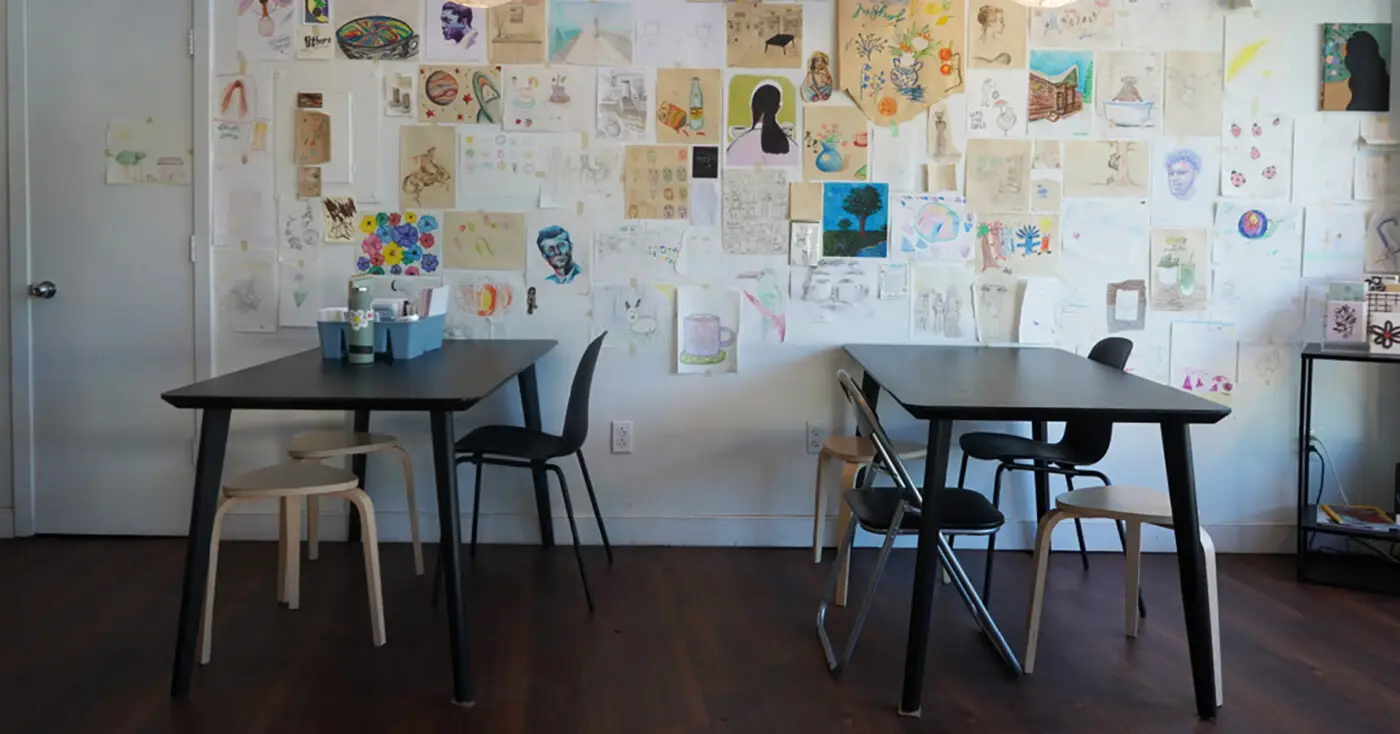
- Weekday Productivity: The layout will provide designated areas for longer-term seating, catering to the "work-from-home" demographic and students who utilize the space for focused tasks.
- Weekend Socialization: The seating can be reconfigured for a more casual, high-turnover environment during the neighborhood’s busy weekend periods, maximizing the small square footage without creating congestion.
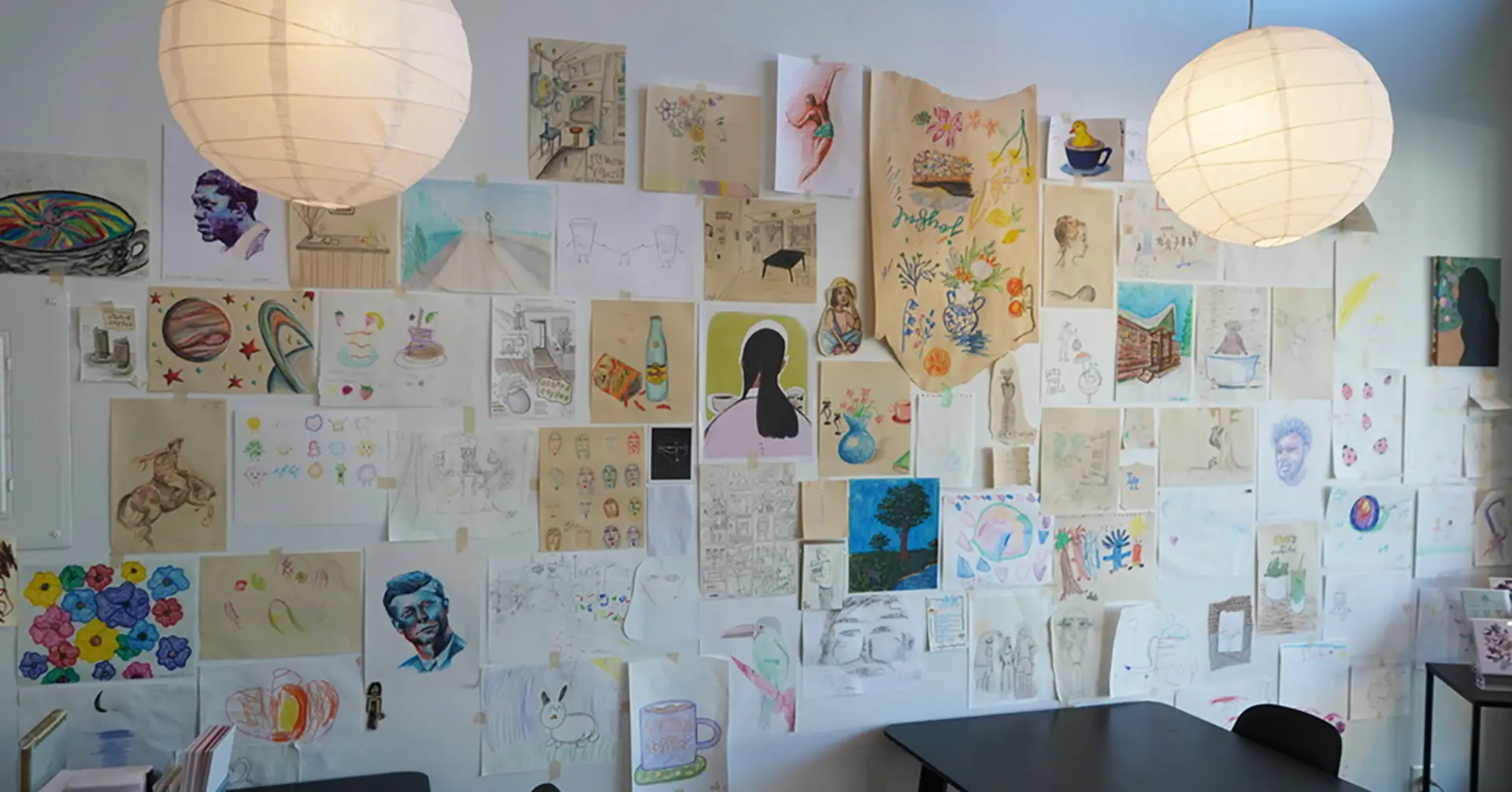
The founders have also emphasized the importance of "vibe" and hospitality. A unique feature of Others Coffee is the provision of free coloring materials for patrons, a low-tech intervention designed to encourage mental breaks and foster a relaxed atmosphere. This focus on "soft" hospitality is intended to differentiate the brand in a competitive market.
Sustainability and Community Integration
In an era where environmental impact is a primary concern for consumers, Others Coffee has integrated several sustainable practices into its business model. The renovation itself is being approached with a philosophy of "minimal intervention," changing only what is necessary to reduce material waste and carbon footprint.
The company’s sustainability initiatives include:
- Waste Management: A partnership with a local urban farm ensures that spent coffee grounds—a significant byproduct of café operations—are diverted from landfills and used for high-quality composting.
- Reusable Systems: The shop encourages the use of personal beverage containers and offers a refillable tin program for its whole-bean coffee, reducing the reliance on single-use packaging.
- Local Sourcing: By collaborating with D.C.-based craftspeople and firms, the company reduces the environmental costs associated with long-distance logistics.
Collaborative Partnerships: Architecture and Construction
The renovation is the result of a long-term professional relationship between the founders and local creatives. The lead architect for the project, Werner Brito, initially connected with Others Coffee as a customer during a pop-up event in Georgetown. This organic connection eventually led to a professional partnership when the founders sought architectural expertise via social media.
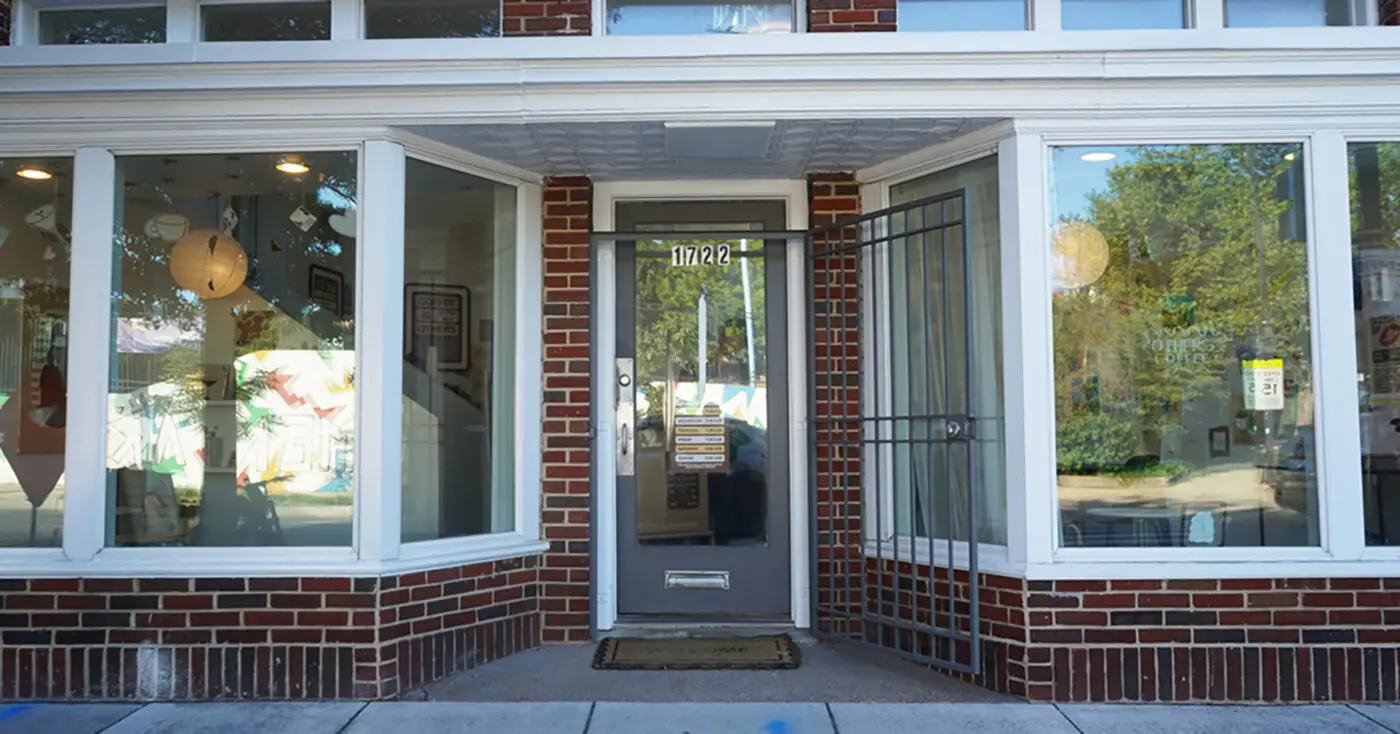
Brito has been instrumental in navigating the complexities of D.C. building codes and maximizing the utility of the 500-square-foot space. To execute the physical build-out, the team has engaged Javid Farazad of Otto Construction. The collaboration between the owners, the architect, and the general contractor highlights the interconnected nature of the District’s small business ecosystem.
Market Analysis: The Adams Morgan Coffee Landscape
Adams Morgan has long been recognized as a cultural and commercial hub in Washington, D.C. Known for its historic row houses, eclectic nightlife, and independent retail, the neighborhood presents both opportunities and challenges for specialty coffee operators.
The renovation of Others Coffee comes at a time when the "third-wave" coffee market is maturing. Consumers increasingly demand not only high-quality product but also transparency in sourcing and a distinct physical environment. By moving from a sublease to a purpose-built flagship, Others Coffee is positioning itself to capture a larger share of the local market, which includes a mix of long-term residents, young professionals, and international visitors.
The project also reflects the resilience of the D.C. small business sector. According to data from the Office of the Deputy Mayor for Planning and Economic Development (DMPED), the 2020-2026 period saw a significant fluctuation in retail occupancy, with specialty food and beverage outlets serving as a stabilizing force in neighborhoods like Adams Morgan.
Future Outlook and Reopening Timeline
The renovation is currently in the final planning stages, with a target closure date in August 2026. The founders have expressed a strong desire to reopen by September 29, 2026, coinciding with the company’s sixth anniversary. This timeline allows for approximately four to six weeks of construction, a standard window for a project of this scale.
Upon completion, the "new" Others Coffee will serve as a case study in how pandemic-born "side projects" can evolve into sophisticated commercial enterprises. By upgrading its infrastructure while maintaining its community-focused roots, Others Coffee aims to secure its place as a permanent fixture in the District’s culinary landscape for the next six years and beyond. The successful execution of this build-out will likely serve as a blueprint for other micro-roasters looking to transition from the pop-up circuit to a sustainable brick-and-mortar model.