Cintya Tara Annisa
The specialty coffee landscape in the United States reached a new milestone on June 18, 2026, as Oakland-based roaster Mr. Espresso officially unveiled its first-ever co-fermented offering: the Sumatra CSC Alamin Bener Meriah Jasmine Co-Ferment. This release marks a significant departure for the family-owned institution, which has spent nearly half a century building a reputation on traditional Italian oakwood roasting. By integrating hyper-modern agricultural processing techniques with its heritage-driven production methods, Mr. Espresso is positioning itself at the forefront of a growing industry trend that seeks to redefine the flavor boundaries of single-origin coffee.
The newly released micro-lot is sourced from the Bener Meriah estate, located within the high-altitude reaches of Sumatra’s renowned Aceh Province. Composed entirely of the Typica variety, the lot is the result of a collaboration with Central Sumatera Coffee (CSC), a collective of young coffee professionals established in 2015. The group’s primary mission is to challenge the traditional perceptions of Indonesian coffee—often characterized by earthy and savory profiles—by implementing rigorous quality controls and experimental fermentation protocols.
Technical Innovation in Post-Harvest Processing
The Sumatra CSC Alamin Bener Meriah Jasmine Co-Ferment is defined by its complex processing journey, which deviates significantly from the standard "Giling Basah" (wet-hulled) method typical of the region. The process begins immediately after harvest, where freshly picked cherries are placed in nylon bags for a 16-hour duration. This initial stage allows the fruit to soften and facilitates a natural increase in internal sugar levels, creating a nutrient-rich environment for the subsequent fermentation.
Following this pre-fermentation period, the cherries are depulped. The parchment coffee is then moved into specialized fermentation tanks. It is at this stage that the "co-fermentation" occurs. Technicians introduce specific yeast strains alongside finely powdered dried jasmine flowers. This anaerobic environment allows the jasmine’s aromatic compounds to integrate with the coffee beans at a molecular level as the yeast breaks down the mucilage.
Once the fermentation cycle is complete, the coffee undergoes a multi-stage drying process. It is first air-dried until it reaches a 35% moisture content, at which point it is wet-hulled—a traditional Indonesian step that removes the parchment layer while the bean is still relatively moist. The green beans are then dried further to a final stable moisture content of 11–12% before undergoing meticulous hand-sorting to ensure uniformity and the removal of defects.
Strategic Shift in Flavor Profiles
For decades, Sumatran coffees have been synonymous with heavy bodies and notes of cedar, tobacco, and peat. The introduction of the Jasmine Co-Ferment represents a deliberate effort to pivot toward a more floral and fruit-forward sensory experience. John Di Ruocco, Vice President of Coffee at Mr. Espresso, noted that the decision to use Sumatran beans for this experiment was intentional, aimed at providing a contrast to the more common Colombian co-ferments currently flooding the specialty market.
"There’s been a lot of buzz around co-ferments, and we’ve been curious about it ourselves," Di Ruocco stated in the official announcement. "A lot of the co-ferments I’ve seen are made with Colombian coffee, which already has a fruit-forward flavor. This combination sounded intriguing because you get some of the varietal character from the Sumatra, combined with a lovely, jasmine floral flavor as well."
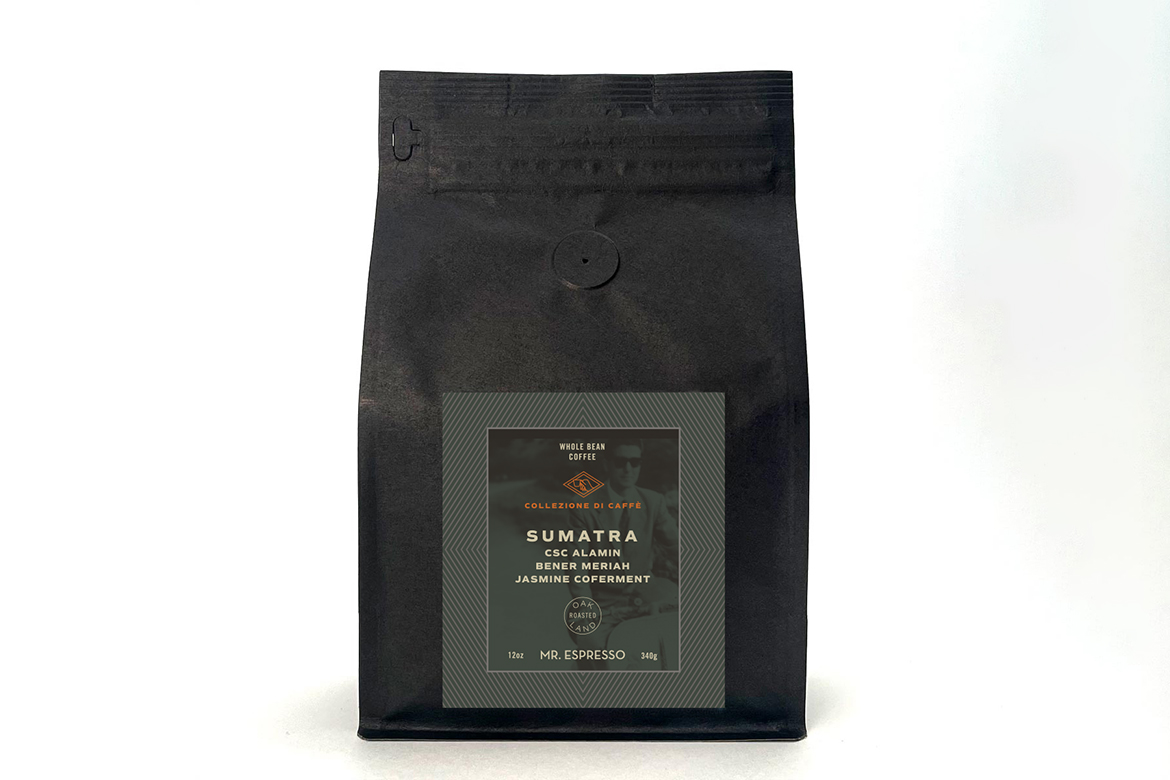
Di Ruocco emphasized that the goal was not to mask the coffee’s natural identity but to enhance it. "Sumatra tends to be a little more savory and less fruit-forward, making this a truly unique combination. Plus, unlike some other co-ferments, this doesn’t hit you over the head with the flavor you’re infusing," he added. The resulting profile is described as luxuriously creamy, featuring a complex bouquet of lychee, papaya, mint, mango, cantaloupe, and rosewater, anchored by the primary jasmine floral note.
The Role of Oakwood Roasting
A critical component of this release is the roasting method employed at Mr. Espresso’s Oakland facility. Since its founding in 1978, the company has remained one of the few roasters in North America to use oakwood as its primary fuel source. Unlike traditional gas-fired roasters, wood roasting introduces a different heat transfer dynamic. The higher moisture content in wood smoke creates a more humid roasting environment, which proponents argue helps to seal in the coffee’s natural oils and results in a smoother, more full-bodied cup with lower perceived acidity.
In the case of the Jasmine Co-Ferment, the oakwood roasting process serves as a balancing agent. The intense botanical notes produced by the anaerobic jasmine fermentation are tempered by the wood fire, creating a rounded cup structure. This synergy between experimental origin processing and traditional roasting craftsmanship is a hallmark of Mr. Espresso’s "next generation" strategy.
Industry Context: The Rise of Experimental Fermentation
The launch of the Sumatra CSC Alamin Bener Meriah Jasmine Co-Ferment occurs at a time when the specialty coffee industry is grappling with the definitions of "purity" versus "innovation." Co-fermentation—the process of adding external ingredients such as fruit, spices, or flowers during the fermentation stage—has become a polarizing yet popular trend.
Market data from the last three years suggests a surging consumer interest in highly aromatic and "non-traditional" coffee flavors. According to recent industry reports, micro-lots featuring experimental processing often command a 30% to 50% premium over standard specialty lots at the farm gate. This provides a vital economic incentive for producers like Central Sumatera Coffee to invest in the infrastructure required for anaerobic tanks and controlled additives.
However, the trend has also sparked debate among purists who argue that infusions can obscure the "terroir" of the coffee. Mr. Espresso’s approach seeks to find a middle ground by selecting a base variety (Typica) and an origin (Bener Meriah) that provide enough structural integrity to complement, rather than be overshadowed by, the jasmine infusion.
Historical Legacy and Modern Evolution
To understand the significance of this launch, one must look at the history of Mr. Espresso. Founded by Carlo Di Ruocco, an immigrant from Salerno, Italy, the company was instrumental in introducing authentic espresso culture to the San Francisco Bay Area in the late 1970s. For nearly fifty years, the brand was known primarily for its "classic" Italian profiles—rich, dark, and designed for espresso machines.
Today, the company is managed by the second generation of the Di Ruocco family, including siblings Laura, John, and Luigi, alongside their mother, Marie. This leadership transition has seen the brand evolve from a traditional wholesaler into a multi-faceted specialty coffee player. The 2023 opening of "The Caffè" in downtown Oakland served as a physical manifesto for this evolution, showcasing modern brewing techniques alongside their signature wood-roasted beans.

The release of the Jasmine Co-Ferment is the latest step in this modernization. It signals to the market that while Mr. Espresso remains committed to its Italian roots, it is also willing to engage with the "Fourth Wave" of coffee, characterized by scientific rigor at the farm level and a focus on radical flavor profiles.
Regional Impact in Aceh Province
The collaboration with Central Sumatera Coffee also highlights a shift in the agricultural economy of the Aceh Province. Sumatra is Indonesia’s largest coffee-producing region, but it has historically struggled with price volatility and climate-related challenges. The emergence of groups like CSC, which focus on "high-value, low-volume" micro-lots, provides a sustainable model for younger farmers.
By focusing on single-variety lots like the Typica used in this release, CSC is helping to preserve botanical diversity in a region where many farmers have switched to more disease-resistant but lower-quality hybrids. The success of an experimental lot on the international stage, backed by a respected brand like Mr. Espresso, serves as a proof-of-concept for other Sumatran producers looking to diversify their offerings beyond the traditional commodity market.
Broader Market Implications
The Sumatra CSC Alamin Bener Meriah Jasmine Co-Ferment is being released in 8 oz bags, a common format for hyper-limited micro-lots. This sizing allows the roaster to maintain a more accessible price point for a product that is inherently expensive to produce due to the labor-intensive sorting and fermentation requirements.
As specialty coffee consumers become increasingly educated about processing methods, roasters are under more pressure to provide transparency. Mr. Espresso’s detailed breakdown of the 16-hour bag fermentation and the specific use of dried jasmine powder reflects a broader industry shift toward "technical transparency."
Looking ahead, the success of this jasmine-infused lot could pave the way for further experimental collaborations between West Coast roasters and Southeast Asian producers. As climate change continues to impact traditional growing regions, the ability to create resilient and high-value flavor profiles through processing innovation may become a necessity rather than a luxury.
Conclusion and Availability
The Sumatra CSC Alamin Bener Meriah Jasmine Co-Ferment stands as a testament to the evolving identity of Mr. Espresso. It bridges the gap between the old world of Salerno and the new world of experimental Sumatran agriculture. For the consumer, it offers a rare opportunity to experience a classic variety through a modern lens, supported by the unique textural qualities of oakwood roasting.
The limited release is currently available through Mr. Espresso’s digital storefront and at select retail locations. As the specialty coffee industry continues to watch the trajectory of co-fermented products, this Oakland-born experiment will likely be cited as a key moment in the cross-pollination of tradition and technology.