Pranda Michaela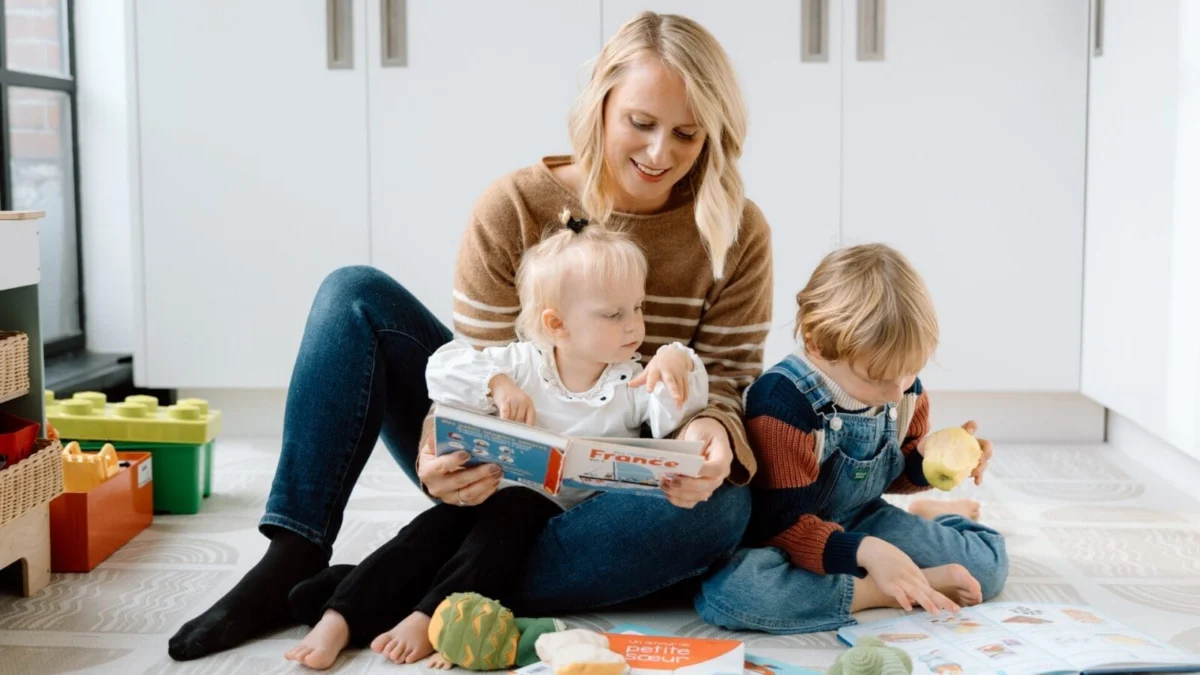
The journey of motherhood is often accompanied by a persistent companion: guilt. For working mothers, particularly those who are also entrepreneurs, this feeling can be amplified, creating a complex tapestry of ambition and maternal responsibility. Lucie Thomé, founder of Bébé Foodie, shares her candid experience with this pervasive struggle, highlighting the societal pressures and internal conflicts that define the modern mother’s quest for balance.

The initial anticipation of parenthood is often met with unsolicited advice and societal expectations. Thomé recalls a stark premonition shared upon her pregnancy announcement: "Welcome to the next 21 years of your life where you’ll be judged for every decision you make." This seemingly dramatic statement, she found, was an unnerving prophecy. The constant scrutiny, both external and internal, quickly translates into a profound sense of guilt, a feeling that permeates every choice, from feeding methods to career aspirations.

Early motherhood presented Thomé with immediate challenges that fueled this guilt. Her initial vision of exclusively breastfeeding was met with the reality of her son’s perceived hunger, leading to a midnight run for formula. The subsequent preference for a bottle was another source of internal criticism, a feeling that her body was "not enough." This experience underscores a common narrative for new mothers, where perceived failures in meeting idealized benchmarks can trigger significant self-doubt. The relentless inner critic, as Thomé describes it, becomes a constant presence, its volume increasing with each perceived misstep.

The Evolving Landscape of Parental Guilt
As children grow, the sources of maternal guilt adapt and diversify. The decision to breastfeed or not, to sleep train or not, or to return to work or not, all become potential triggers for self-recrimination. This is particularly evident in the realm of feeding. The introduction of solids, for instance, is often framed as a performance of parenting perfection, with expectations of meticulously prepared, balanced meals and a regimented mealtime schedule. For Thomé, a French native accustomed to later dinner times, the 5 p.m. dinner mandate felt particularly unnatural.

The omnipresence of social media exacerbates these pressures. Curated feeds showcasing perfectly portioned meals, seamless routines, and toddlers enthusiastically consuming nutritious foods can create an unrealistic standard. Coupled with captions offering "tips and tricks," these platforms can leave mothers feeling inadequate and overwhelmed, especially when already navigating the exhaustion of early parenthood. The well-intentioned advice, when delivered without context or consideration for individual circumstances, can inadvertently breed guilt rather than offer support.

The Tightrope Walk: Ambition and Motherhood
It was precisely the pressure surrounding mealtimes that catalyzed Thomé’s entrepreneurial journey. The creation of Bébé Foodie, a platform and app designed to guide parents through introducing solid foods with expert advice and practical flexibility, stemmed from a deep-seated desire to alleviate this pressure. However, this pursuit of a professional passion introduced a new dimension to her internal conflict.

Thomé articulates the perceived dichotomy: "Be the mother who is fully available at all times or be the woman with ambition and a career." This often-cited "mommy vs. career" dilemma forces many women into a perceived zero-sum game. Thomé’s own experience exemplifies this. While working full-time in corporate, she pursued certification as a nutrition consultant, dedicating nights and weekends to building Bébé Foodie and assembling a team of pediatric experts. The internal struggle intensified when she found herself more engaged by her nascent business than by her son’s playtime, a realization that immediately triggered a wave of guilt. The constant pull between her maternal role and her entrepreneurial drive became a defining characteristic of this period.

The arrival of her second child further complicated this balancing act. A planned one-month maternity leave stretched to two due to the demands of managing a newborn and a toddler. During this time, Thomé found herself worrying about the business’s momentum, questioning if she was falling behind. This anxiety highlights the difficulty many entrepreneurs face in disconnecting from their ventures, even during critical family time.

A poignant moment of realization occurred when introducing solids to her daughter, shortly before Bébé Foodie’s launch. Despite being the founder of a baby-feeding platform, Thomé admits to relying on store-bought purées and simplified meal preparations due to time constraints. This personal experience brought the core of her entrepreneurial mission into sharp focus: Bébé Foodie was not about promoting perfection, but about dismantling the pressure and offering adaptable guidance. The philosophy she espoused for other parents – "You can do this your way" – had to apply to herself.

Redefining Success: Ambition as a Force for Good
The notion that ambition and motherhood are inherently competitive is a deeply ingrained societal narrative. However, Thomé’s evolving perspective suggests a more integrated approach. Her children witness her building something meaningful, demonstrating a passion and dedication that, she believes, enriches their understanding of purpose and drive. The idea that loving her work detracts from her love for her children is being replaced by the understanding that these facets of her life can coexist and even complement each other.

While the lingering whispers of guilt remain, Thomé has found a more empowering truth: her children do not require her constant, undivided attention to thrive. Instead, they need her presence in the moments that matter. This understanding allows for a more intentional engagement with both her family and her career. She volunteers at school when possible, dedicates time to building pirate ships, and engages in playful learning with her children. Then, she returns to her work, consciously striving to be fully present in each context.

The pressures of mealtimes have also been reframed. Her children eat well, but the family’s dining experience is not always the idealized sit-down dinner. Some days are shared meals, others are meals on the go. This flexibility, Thomé has learned, does not diminish the quality of connection. True connection, she posits, is not solely contingent on a perfectly plated dinner.

Growth Through Integration
The journey of balancing ambition and motherhood is a continuous process of learning and adaptation. Thomé acknowledges that the feeling of being a "bad mom" on some days and a "bad founder" on others is a recurring experience. This duality, however, is not a sign of failure but rather an indication of the complex demands placed upon mothers today.

Ultimately, Thomé’s narrative is one of growth and self-acceptance. She is learning to hold ambition and tenderness in the same hands, recognizing that these qualities are not mutually exclusive. This integration, she concludes, is not about achieving perfect balance, but about embracing the inherent complexities and finding a sustainable, fulfilling path forward. The experience of building Bébé Foodie has not only provided a solution for other parents but has also served as a powerful catalyst for her own personal and professional evolution, demonstrating that ambition and motherhood can indeed coexist and flourish together.