Pranda Michaela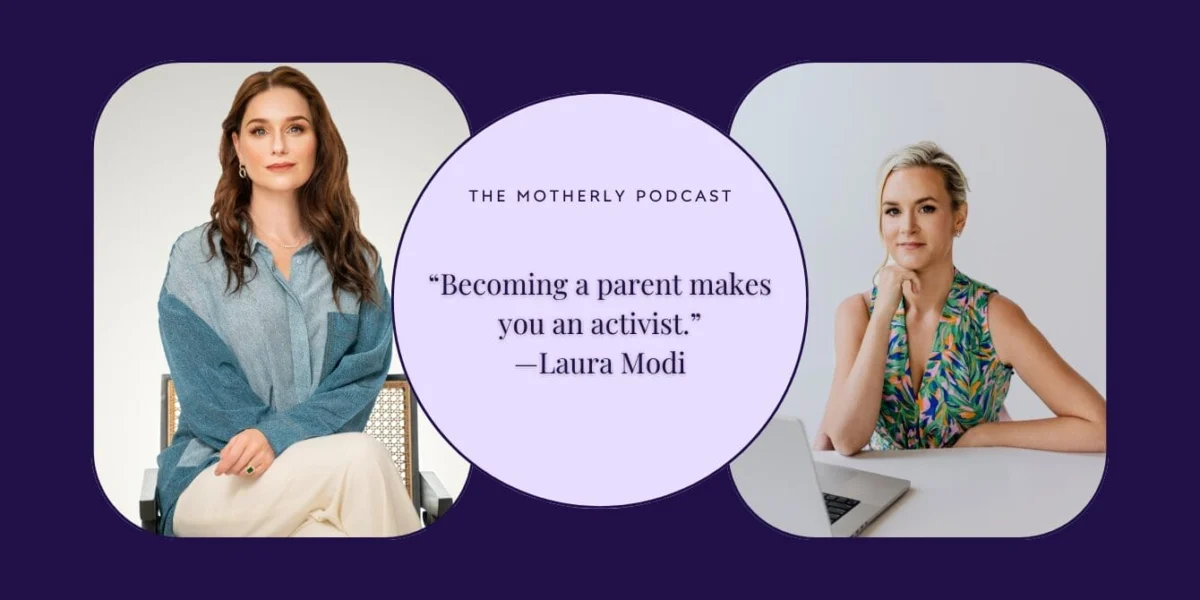
When Laura Modi welcomed her first daughter into the world, she anticipated the journey of motherhood would be a natural progression, a seamless flow of maternal instincts and fulfilled expectations. Instead, she found herself navigating a deeply personal and unexpected crisis, a moment that would ultimately catalyze a significant shift in the infant formula industry. Standing in a brightly lit pharmacy aisle, awaiting a locked case of formula, she experienced a profound sense of failure, a feeling that she, as a mother, had fallen short of a fundamental biological imperative. This pivotal experience, fraught with emotional turmoil and a stark realization of systemic shortcomings, became the genesis of Bobbie, an infant formula company founded in 2018 with a mission to elevate American parenting standards to those found in Europe.
Modi, a former tech executive who relocated from Ireland to the United States after completing her studies, embarked on a rigorous research journey, a "rabbit hole" that transformed her personal frustration into a business endeavor. Bobbie has since emerged as a prominent brand in the baby product sector, not only by offering a product with stringent quality standards but also by actively navigating the 2022 infant formula crisis and making substantial investments in domestic manufacturing to ensure supply chain resilience. This growth has occurred concurrently with Modi raising four children, a testament to her multifaceted approach to leadership and family life.
In a recent conversation on The Motherly Podcast, Modi shared insights with host Liz Tenety, delving into the complexities of building a company and a family simultaneously. She discussed the imperative to destigmatize formula feeding, advocating for a more joyful and less shame-laden cultural conversation. At 40, and a mother of four, Modi reflected on her evolving understanding of herself as a parent and a leader.
The Genesis of Bobbie: From Personal Crisis to Industry Innovation
Modi’s journey into the world of infant nutrition was born from a deeply personal and disheartening experience. "Everything I went through in life before, there was a level of preparation and planning and expectations for what I was getting into," Modi recalled. "As a type A woman, you’re sort of ready for it. And I went into motherhood and it was like a slap in the face." She highlighted a generational disconnect, where women were encouraged to pursue ambitious careers but were seldom equipped with the practical knowledge and realistic expectations for the challenges of motherhood. "But very rarely for our generation did we also get told, and you’re also going to be an incredible mother—and by the way, here’s everything you should know, and here are the trade-offs."
The initial struggles with breastfeeding her first child were particularly jarring. "Liquid gold would flow. The skies would open up. Nipples wouldn’t hurt. The whole kit and caboodle," she had envisioned. The reality, however, was starkly different. The physical pain, mastitis, and fever she endured, coupled with the inability to produce sufficient milk, led to a profound sense of inadequacy. "It was my first visceral feeling of, I am failing at being a mother. I am failing my child at nourishing them," Modi articulated. This feeling of failure was not solely directed at herself but also at a societal narrative that presented an idealized, often unattainable, version of motherhood.
The turning point arrived during a visit to a pharmacy to purchase infant formula. The act of having to have the formula unlocked, the perceived judgment, and the stark contrast between a product of human origin and a manufactured alternative, amplified her feelings of shame and inadequacy. "I had to ring the shame bell. They’re like, aisle three, unlock formula. You’re just going to announce to the world that I’ve failed to feed my child." This experience ignited a critical question: "What am I feeding her? Why isn’t it better? Why hasn’t it changed in 30 years?" This persistent "why" propelled her into an intensive research phase.
A European Perspective on American Standards
Modi’s European upbringing provided a crucial comparative lens through which to view the American infant formula landscape. "As an Irish woman, I became a mother in the U.S. to American babies. I had to mother in an American world. But I could draw comparisons," she explained. In Europe, she observed that parents had access to federal paid leave and a wider array of formula options that adhered to globally evolving standards. "Meanwhile, American moms wanted that so much they were packing suitcases full of powdered milk and shipping it into the country."
This stark contrast between innovation-focused America and the perceived stagnation in its infant formula sector fueled her resolve. "I’m here in the U.S., a first world country known for being the most innovative in the world, and something seemed very backward." She realized the issue extended beyond mere product quality; it was deeply intertwined with the cultural perception and support systems surrounding parenthood in the United States.
From Motherhood to Activism
Modi’s transformation from a frustrated parent to a vocal advocate and entrepreneur is encapsulated in her statement: "I didn’t get into this because I like making powdered milk. Becoming a parent makes you an activist." This shift in perspective underscores the profound responsibility that parenthood instills. "When you become a parent, you’re born with a responsibility to better the world for your children—the nutrition opportunities, the society they’ll grow up in." This inherent responsibility compels parents to scrutinize existing systems and identify areas ripe for improvement. "That responsibility has you look at the status quo and see opportunities everywhere. I use the word opportunities because policies are broken, products are broken, the conversations are broken—and every single one of them is a beautiful opportunity to lean in and be an advocate to change it."
Building Bobbie: The Intersection of Family and Career
The entrepreneurial journey of building Bobbie while simultaneously expanding her family was, by Modi’s own admission, an arduous undertaking. "Building a company while growing your family is incredibly hard," she acknowledged. She found that the aspiration to "have it all" necessitates significant trade-offs and a willingness to embrace different life stages. "It requires trade-offs—deep investments, acknowledging that there are different seasons in life, some where you’re drowning and it’s not sustainable, and that’s okay."
Modi recalled advice from mentors who urged her to abandon the pursuit of perfect balance. "They said if you want to have that level of impact, throw balance out the window. It’s not going to exist." This realization allowed her to accept the demanding nature of her chosen path, understanding that periods of intense focus on her company were temporary. The key, she emphasized, was "acceptance of different seasons."
Reshaping the Formula Feeding Conversation
When Modi launched Bobbie, the discourse around formula feeding was largely characterized by shame and controversy. "The conversation around feeding deserves way more attention and love and joy," she asserted. Bobbie’s mission has been to steer this conversation away from "martyrdom and the feeding wars" towards a celebration of the fundamental act of nourishing a child. "It needs to move away from what feels like martyrdom and the feeding wars and into a position of pride and excitement, because you are doing one of the most magical things regardless of how you feed your child."
The tangible impact of this cultural shift is evident in the brand’s reception. "To go from a place that was quite negative and stigmatized and controversial to now, where people are openly talking about it online, wearing Bobbie on a sweater, getting our logo tattooed on them—there is no greater joy than knowing the conversation has changed so dramatically that people want to wear it with pride." The ultimate goal, she stated, is to create an environment where parents feel empowered and unburdened by shame.
Product Innovation: Elevating Nutritional Standards
Modi’s initial alarm in the formula aisle stemmed from the ingredients themselves. "The first thing that scared me was that the ingredients weren’t things I would have fed myself." She also questioned the prevalent use of ingredients like corn syrup as a primary carbohydrate source. "Infant formula is designed to mirror breast milk—the same carbs, proteins, and fats. Most moms don’t realize that 50 percent of breast milk is sugar. We shouldn’t be scared of sugar, but we should be questioning what type of sugar a formula company is using."
Bobbie’s product development focused on enhancing nutritional quality through better ingredients, ethical sourcing, and adherence to high organic and pesticide-free certifications. "My big push was, let’s not fear formula. Let’s take a lens at improving it with better ingredients, better sourcing, the highest organic certifications, pesticide-free and clean label. Not every ingredient is treated equal."
Navigating the 2022 Formula Shortage: A Leader’s and a Mother’s Response
The 2022 infant formula shortage presented an unprecedented crisis for American families and a critical test for companies like Bobbie. For Modi, it was a "call of duty." Her response was immediate and decisive: investing in manufacturing and significantly expanding domestic production capabilities. "I can safely say I am utterly obsessed with every ounce of how that product is made."
During the height of the shortage, Bobbie experienced a surge in demand that outpaced its production capacity. Modi’s team proposed halting new customer acquisition to ensure supply for existing subscribers. However, her maternal instincts prevailed. "I woke up the next morning as a mother and said, I won’t take that risk. For the subscribers who took a bet on signing up for us, that was a promise. So we turned off accepting new customers for seven months. It was a motherly decision." This choice underscored her commitment to existing customers and highlighted the ethical considerations that guide her leadership.
Re-evaluating Investment Priorities: Beyond the Bottom Line
Motherhood has profoundly reshaped Modi’s perspective on investment and societal priorities. She advocates for a long-term view, emphasizing the need to invest in future generations rather than solely focusing on short-term financial gains. "How do you invest in the next generation and not just the next quarter?" she posited.
Key areas she identified as critically underfunded include childcare, maternal nutrition, and education. "Childcare is massively broken," she stated, emphasizing the need for fundamental systemic changes. She also highlighted the often-overlooked nutritional needs of mothers, particularly during and after pregnancy. "Maternal nutrition is another massive one. I’m in the nutrition space and each time I had a baby, all I’m doing is focused on my baby’s nutrition, but I am depleted." The realm of education, particularly for parents navigating new life stages, also presents a significant area for investment and innovation.
The Modern Parent: Demanding Proof and Embracing Individuality
Working directly with parents has provided Modi with invaluable insights into the evolving expectations of this generation. "Transparency is not enough anymore—parents want proof," she observed. "They want receipts to show that brands and companies are not just talking about certain things but actually taking action. Parents can cut through the BS of that very quickly."
Furthermore, she notes a growing embrace of individuality and a rejection of rigid categories. "Over the last 10 years, there’s been a lot more embracing the personalized mother that you are, rather than feeling this desire to fit into binary boxes—formula feeding mom, breastfeeding mom." This shift towards self-definition and acceptance of diverse parenting approaches fosters a more inclusive and supportive environment.
Embracing Midlife: Confidence and Nurturing Growth
At 40, Modi reflects on this life stage with a sense of assuredness and anticipation. "It’s going to be a great decade," she declared. Her confidence has grown in parallel with her capacity for self-awareness. "I am so much more sure of myself today than I was having my first at 30. My aperture for growth is so much greater, but my confidence on knowing where I want to grow and what I do and don’t know is also so much greater."
Modi views her life in decades, with her 20s focused on career discovery, her 30s dedicated to building her personal and professional life, and her 40s designated for "nurture." This decade, she envisions, will be about cultivating her own identity, her role as a mother, her children, and her company. "I’m going to nurture who I am, my motherhood, my children, and my company. This is going to be a decade of nurturing everything I’ve grown."
The Art of Prioritization: Joy as a Guiding Principle
In managing an incredibly demanding schedule, Modi prioritizes activities that bring her joy. "It’s truly the things that bring me joy," she stated. This principle extends to her family life, where she chooses to invest time in experiences that create lasting memories, even if they deviate from traditional parenting norms. "I’ve decided it’s okay to put more time into the things that bring me joy, because when my kids see me happy and in my element, that’s being the parent I want to be."
The Future of Bobbie: Setting New Standards
Looking ahead, Modi remains committed to Bobbie’s core mission of obsession with product quality and innovation. "We are developing the hardest, most important product in the world," she remarked, emphasizing the profound responsibility of providing a baby’s sole source of nutrition. Her vision for Bobbie’s future involves continuing to elevate nutritional standards, influence policy, and provide parents with peace of mind. "I want to get to the place where in 10 years, Bobbie has fundamentally changed culture because of every action we’ve taken."
Motherhood’s Superpower: Anticipating Needs
At Motherly, the belief that motherhood unlocks unique strengths is a cornerstone. For Laura Modi, her superpower is "anticipating needs." This skill, invaluable as a CEO navigating a dynamic industry, is equally critical as a mother of four. "It allows me to stay two steps ahead and be ready for what’s to come." This proactive approach, honed through the demands of both business and family, defines her leadership and her journey as a parent.