Angie Faith
The literary landscape is constantly evolving, with trends in reading habits, the integration of new technologies, and the recognition of diverse voices shaping how we engage with books. This past week has seen significant developments across these fronts, from identifying the most anticipated summer reads to the introduction of artificial intelligence within digital reading platforms and the celebration of LGBTQ+ literature.
Identifying the Hottest Summer Reads for 2026
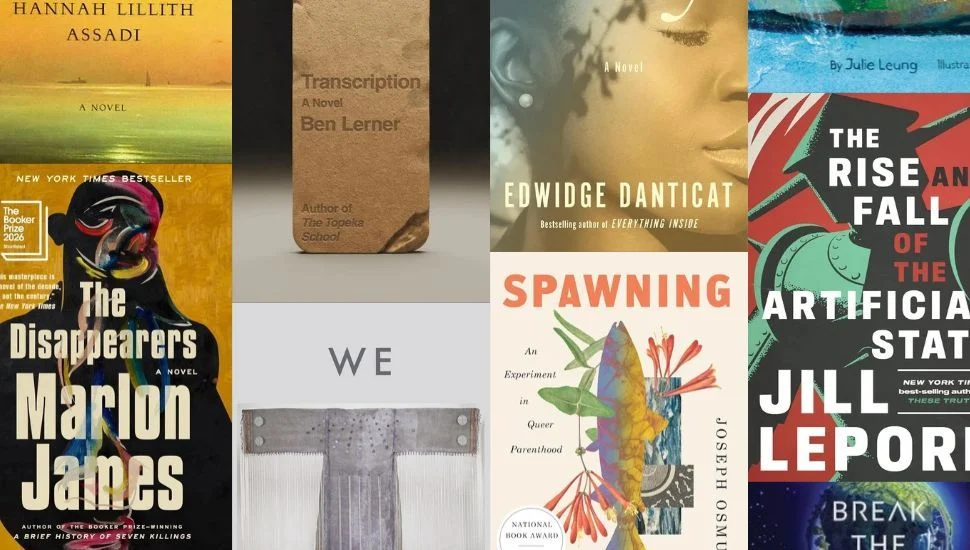
In an effort to gauge the pulse of the publishing world and anticipate reader interest, literary hub Lit Hub has compiled a comprehensive list of the "Buzziest Summer Reading Books of 2026." This annual aggregation draws from a wide array of reputable sources, including major industry publications such as Kirkus Reviews and Publishers Weekly, esteemed newspapers like The New York Times, popular magazines including People, and community-driven platforms like Goodreads. The methodology behind this list involves meticulously tracking which titles are most frequently highlighted across these diverse summer reading recommendations, providing a data-driven insight into the books poised to capture public attention.
Adding a touch of wry humor to the compilation, the article’s subtitle, "Even English Majors Can Add Without AI," playfully acknowledges the growing conversation around artificial intelligence’s role in creative and analytical tasks. This particular phrasing underscores a sentiment felt by many in the literary community, balancing the excitement of technological advancement with a nostalgic appreciation for traditional academic and intellectual pursuits. The selection process itself, by synthesizing recommendations from such a broad spectrum of sources, aims to offer a robust overview of forthcoming literary trends, reflecting both critical acclaim and popular anticipation for the upcoming summer reading season. The sheer volume of data analyzed—cross-referencing dozens of curated lists—underscores the collaborative nature of identifying literary buzz and the collective anticipation that builds around promising new releases.
The Evolving Perception of Reading: Attractiveness and Declining Engagement
A fascinating, albeit debated, trend has emerged regarding the perception of reading and its correlation with attractiveness. While the term "booksmaxxing"—the act of strategically incorporating reading into one’s life to appear more desirable—may be a recent coinage, the underlying sentiment that readers are perceived as more appealing is gaining traction. Data from a book summary app’s survey indicates a significant uptick in book mentions within dating profiles, with a 29% increase overall and a notable 41% rise among women. Furthermore, the survey suggests that a substantial 75% of individuals find partners who read, or who indicate they are well-read, to be more attractive. This data, while originating from a specific app and thus requiring a degree of cautious interpretation, points to a cultural shift where intellectual engagement, often demonstrated through reading, is increasingly valued in personal relationships.
This perceived increase in the allure of reading stands in stark contrast to broader trends in American reading habits. A recent CBS poll reveals a disquieting decline in reading frequency. According to the survey, 36% of Americans report reading fewer books now compared to a decade ago. This figure is balanced by 40% who state their reading habits remain consistent and 23% who are reading more. The primary reasons cited by those reading less include competing activities such as watching movies and television, engaging with social media, and playing video games. Participants also frequently cite being too busy, experiencing significant distractions, and possessing diminished attention spans as barriers to reading. These explanations, while understandable in the context of a hyper-connected and fast-paced digital age, are characterized as "distinctly unsexy" by observers, highlighting the cultural paradox of reading being simultaneously viewed as attractive and increasingly neglected.
The implications of this decline are multifaceted. Beyond personal enrichment, widespread reduced reading can impact critical thinking skills, vocabulary development, and a society’s capacity for deep engagement with complex issues. The rise of social media and short-form content, while offering immediate gratification and connection, may be conditioning a generation towards passive consumption rather than active intellectual exploration. The growing popularity of book clubs and literary-themed vacations, as mentioned in the original report, offers a counter-narrative, suggesting a dedicated segment of the population actively seeking to cultivate a deeper connection with literature, even as overall engagement wanes. This suggests a potential bifurcation in reading culture: a growing niche of dedicated enthusiasts alongside a broader population whose leisure time is increasingly dominated by more readily accessible digital entertainment.
Google Play Books Integrates AI Companion for Enhanced Reading Experience
In a significant technological advancement for digital reading, Google Play Books has launched "Book Insights," a new feature designed to act as a "helpful reading companion." Powered by Google’s advanced AI model, Gemini, this feature aims to enrich the reading experience by providing interactive tools and contextual information directly within the digital book. Currently available on select English titles, primarily those in the public domain, Book Insights offers functionalities such as "Catch Me Up," which provides users with a concise recap of their reading progress, and the ability to ask questions in real-time as they read.
For instance, a reader can query the AI with questions like, "Was this character introduced earlier in the book?" or "Can you explain this historical context?" This integration signifies a deliberate move by major tech companies to leverage artificial intelligence within the realm of literature, potentially transforming how individuals interact with and comprehend written works. The initial focus on public domain books suggests a strategic approach, allowing for extensive testing and refinement of the AI’s capabilities before broader implementation. The implications of such AI companions are considerable. They could democratize access to deeper understanding by assisting readers who may struggle with complex narratives or unfamiliar subject matter. However, concerns may also arise regarding the potential for over-reliance on AI, the impact on independent critical analysis, and the preservation of the serendipitous discoveries that often characterize the reading journey. Google’s commitment to embedding AI within its core reading platform signals a future where digital books may offer a more interactive and personalized experience than ever before.
Celebrating LGBTQ+ Voices: The 2025 Lambda Literary Awards
The literary community recently turned its attention to the winners of the 2025 Lambda Literary Awards, an annual ceremony dedicated to celebrating excellence in LGBTQ+ literature. These awards recognize outstanding works across a diverse array of categories, shining a spotlight on the rich and varied contributions of LGBTQ+ authors and stories to the literary canon. This year’s ceremony held particular significance for some involved, including individuals who served as judges, contributing to the selection process for specific categories.
One such judge, after extensive deliberation, helped select Guest Privileges: Queer Lives and Finding Home in the Middle East by Gaar Adams as the winner of the LGBTQ+ Nonfiction category. The book has been highly recommended, underscoring the quality and importance of the narratives being honored. The Lambda Literary Awards encompass 26 distinct categories, acknowledging the breadth of LGBTQ+ storytelling in fiction, poetry, drama, and various non-fiction genres. The awards serve not only as a platform for recognition but also as a crucial mechanism for amplifying voices that have historically been marginalized. By highlighting these works, the Lambda Literary Awards foster a greater understanding and appreciation of LGBTQ+ experiences within the broader cultural landscape, contributing to a more inclusive and representative literary world. The continued success and prominence of these awards are vital for ensuring that LGBTQ+ literature receives the attention and acclaim it deserves.
The Cinematic Journey Continues: Heartstopper Forever Trailer Release
Following the immense popularity of the Netflix series Heartstopper, based on the acclaimed graphic novel series, anticipation has been building for the next chapter of this beloved queer romance. The recent release of the trailer for Heartstopper Forever, which is slated to be a film adaptation rather than a full season, has generated significant excitement among fans. The trailer offers a glimpse into the continuation of Nick and Charlie’s story, showcasing the heartfelt and visually appealing style that has defined the series.
The transition from a television series to a cinematic release marks a significant moment for the franchise, suggesting a desire to provide a grander, potentially more conclusive, narrative arc for its characters. The Heartstopper phenomenon has been lauded for its authentic and sensitive portrayal of young queer relationships, resonating deeply with audiences worldwide. The continued success of Heartstopper and the anticipation surrounding Heartstopper Forever highlight a growing demand for diverse and inclusive storytelling in mainstream media. This trend, marked by the increasing presence of well-received queer adaptations, not only entertains but also contributes to greater visibility and representation for LGBTQ+ narratives, further solidifying their place in contemporary popular culture. The film’s promise to be a "solid addition to that canon" underscores the franchise’s commitment to quality storytelling and its impact on the broader landscape of queer representation in media.
Dungeon Crawler Carl Secures Television Adaptation on Peacock
The immensely popular litRPG series Dungeon Crawler Carl, penned by Matt Dinniman, is officially making its transition to the small screen with a straight-to-series order from Peacock. This development marks a significant milestone for the franchise, translating its unique blend of dark humor, intense action, and captivating world-building into a live-action format. The announcement was met with characteristic flair, with Peacock declaring, "Surprise, bitches! It’s official. The apocalypse will be televised."
This direct-to-series order signifies strong confidence from the network in the potential of Dungeon Crawler Carl to capture a wide audience. The series is being developed by Seth MacFarlane’s Fuzzy Door production company, known for its successful ventures in television, and Universal Global Television. Matt Dinniman himself will serve as a co-executive producer, ensuring that the adaptation remains faithful to the spirit and intricate details of his original work. The Dungeon Crawler Carl series has garnered a substantial following for its innovative approach to the fantasy genre, often subverting tropes while delivering a compelling narrative. The adaptation’s success will hinge on several key creative decisions, none more anticipated than the casting of the feline protagonist, Princess Donut, a character integral to the series’ charm and narrative drive. The development of Dungeon Crawler Carl into a television series underscores the growing influence of online literature and niche genre fiction in mainstream entertainment, demonstrating that compelling stories, regardless of their origin, can find a significant audience when brought to a wider platform.