Angie Faith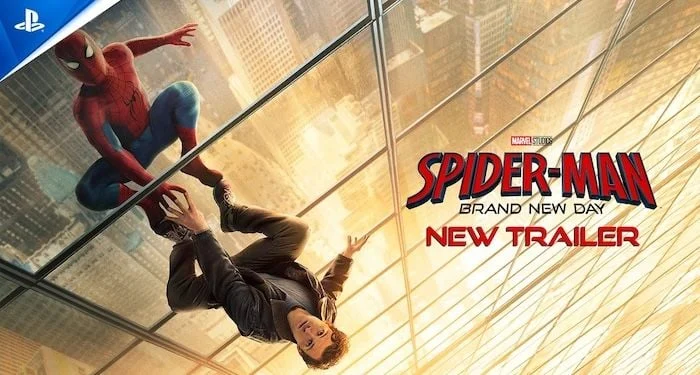
The cinematic universe of Spider-Man is set to expand once more with the release of the first trailer for Spider-Man: Brand New Day. This upcoming installment, featuring Tom Holland reprising his role as the iconic web-slinger, appears to delve into a reality where the world has seemingly forgotten Peter Parker’s heroic alter ego. The trailer, unveiled today, offers a tantalizing glimpse into a narrative that picks up five years after the events of Spider-Man: No Way Home, suggesting a direct continuation of the established continuity and the far-reaching consequences of previous magical interventions.
The trailer’s narrative premise—a Spider-Man no longer recognized by the public—immediately raises questions about the nature of reality manipulation and the enduring impact of Peter Parker’s choices. This concept echoes themes explored in No Way Home, where the spell cast by Doctor Strange to make the world forget Peter Parker’s identity had unforeseen and devastating repercussions. The five-year gap suggests that the memory wipe was either incomplete, has begun to fade, or a new, more profound alteration has occurred, leaving a Spider-Man without the public adoration or even the basic recognition he once enjoyed. This narrative direction could explore the psychological toll on Peter Parker, forcing him to operate in anonymity while still bearing the immense responsibility of protecting New York City.
Returning alongside Tom Holland are key figures from the previous trilogy. Zendaya is confirmed to reprise her role as Mary Jane Watson, whose relationship with Peter Parker has been a central pillar of the modern Spider-Man saga. Her presence, especially in a world where Spider-Man is forgotten, raises compelling questions about her own memories and her connection to Peter. Will she remember him? Will their relationship need to be rebuilt from scratch? The trailer offers no explicit answers but hints at the emotional complexities that lie ahead.
Furthermore, the trailer confirms the return of Mark Ruffalo as Bruce Banner, also known as The Hulk. The inclusion of The Hulk suggests a larger Marvel Cinematic Universe (MCU) context for Spider-Man: Brand New Day, potentially indicating that this forgotten Spider-Man scenario has broader implications for other heroes. The Hulk’s presence could signify either a collaborative effort to understand or rectify the current reality, or perhaps a more adversarial encounter, depending on the unfolding plot. Ruffalo’s character has been a seasoned veteran of the MCU, and his perspective on a world where a major hero is erased from public consciousness could be crucial to the film’s unfolding mystery.
Adding another layer of intrigue is the confirmed appearance of Jon Bernthal as The Punisher. Bernthal’s portrayal of Frank Castle has been widely praised for its gritty realism and moral ambiguity. The Punisher’s inclusion in a Spider-Man film, particularly one dealing with identity and memory, suggests a potential convergence of street-level vigilantism and the larger cosmic machinations at play. The Punisher, often operating outside the law and with a distinct moral code, could represent a contrasting perspective on heroism and the role of vigilantes in society. His interaction with a forgotten Spider-Man could lead to unexpected alliances or confrontations, further exploring the film’s themes of recognition and purpose.
The release date for Spider-Man: Brand New Day has been set for July 31st, positioning it as a significant summer blockbuster. This strategic release window suggests a high level of anticipation from both the studio and the fanbase, aiming to capture a broad audience during a prime period for moviegoing. The five-year gap since No Way Home allows for narrative development and the exploration of the long-term consequences of the multiversal chaos that defined the previous film. This extended period provides ample opportunity for the filmmakers to craft a nuanced story that delves deeper into the implications of memory and identity within the superhero genre.
The decision to proceed with a direct sequel that centers on a forgotten hero taps into a rich vein of comic book lore. Throughout Spider-Man’s history, various storylines have explored the concept of his identity being revealed or erased, often leading to profound personal and societal upheaval. The "Brand New Day" title itself is a nod to a significant comic book storyline from 2008, where a magical deal made by Spider-Man with the demon Mephisto retroactively altered history, erasing his marriage to Mary Jane Watson and his secret identity from the minds of everyone, including MJ. While the film is not a direct adaptation, the thematic resonance is undeniable, suggesting a focus on rebuilding and redefining oneself in the face of erased history. This approach allows for a fresh start while acknowledging the character’s established past.
The trailer’s visual cues and tonal atmosphere are expected to align with the established aesthetic of Tom Holland’s Spider-Man films, blending high-octane action with character-driven drama. The inclusion of established MCU characters like The Hulk and The Punisher signals a commitment to maintaining the interconnectedness of the Marvel universe, promising potential crossovers and a sense of a larger, ongoing narrative. The interplay between Holland’s youthful, earnest Peter Parker and the more jaded or pragmatic approaches of characters like The Punisher could offer compelling dramatic friction.
Industry analysts anticipate that Spider-Man: Brand New Day will likely address the narrative consequences of the multiverse-altering events in No Way Home. The spell cast by Doctor Strange, intended to protect Peter Parker’s identity, ultimately fractured the multiverse, bringing villains from other realities into the MCU. While No Way Home concluded with Peter choosing to let everyone, including his friends, forget him to protect them, the implications of such a drastic measure are far-reaching. The potential for lingering effects, alternate timelines, or new threats emerging from the damaged multiverse is a fertile ground for storytelling. The film’s title could refer to a new beginning for Peter, a chance to forge a different path, or a literal "brand new day" for a world that no longer knows its friendly neighborhood Spider-Man.
The success of Spider-Man: No Way Home, which grossed over $1.9 billion worldwide, has set an incredibly high bar for future installments. The studio will be looking to capitalize on the established popularity of Tom Holland’s Spider-Man while introducing new narrative arcs and potentially broadening the scope of the character’s adventures. The integration of characters like The Hulk and The Punisher, who have their own significant fanbases, could further boost box office performance and broaden the film’s appeal. The strategic use of these characters suggests a desire to weave Peter Parker more deeply into the fabric of the wider MCU, moving beyond the more contained narratives of his solo outings.
The trailer’s release is the first significant marketing push for Spider-Man: Brand New Day, and its reception will be closely watched by the industry. Early reactions and analyses will likely focus on the film’s plot, its visual effects, and the performances of its lead actors. The promise of a forgotten hero, coupled with the return of beloved characters and the potential for new narrative frontiers, positions Spider-Man: Brand New Day as one of the most anticipated films of the coming year. The film’s success will not only depend on its ability to deliver thrilling action and compelling drama but also on its capacity to meaningfully explore the themes of identity, memory, and the true cost of heroism in a world that may no longer recognize its saviors. The cinematic landscape of superhero films is constantly evolving, and Spider-Man: Brand New Day appears poised to offer a fresh, thought-provoking chapter in the enduring saga of one of Marvel’s most beloved characters.
Canadian Bookstore Chain Indigo Experiments with Reviving Mass-Market Paperback Format
In a move that could signal a resurgence for a beloved but declining book format, Canadian bookstore giant Indigo is actively experimenting with the revival of the mass-market paperback. This initiative, detailed in a recent report, focuses on reintroducing these compact, affordable books to a new generation of readers and to offer existing titles a renewed lease on life. The mass-market paperback, once a ubiquitous presence on bookshelves and in casual reading habits, has seen a significant downturn in popularity over the past decade, largely due to shifts in consumer preferences and the rise of digital reading formats.
Historically, mass-market paperbacks have been synonymous with genre fiction, particularly romance, mystery, and thrillers. Their small size and lower price point made them ideal for impulse purchases and for readers who consumed books rapidly. However, the economics of publishing and the changing retail landscape have led to a steady decline in their production and availability. Many publishers have shifted their focus to trade paperbacks and hardcovers, which offer higher profit margins and a more premium feel.
Indigo’s experiment, however, takes a different approach. For the past year, the prominent Canadian retailer has been collaborating with publishers to re-release popular Canadian nonfiction titles in the pocket-sized mass-market format. This strategy is particularly noteworthy as it deliberately targets nonfiction, a genre less traditionally associated with mass-market paperbacks. By focusing on Canadian authors and subjects, Indigo is not only aiming to cater to a domestic market but also to foster a sense of national literary pride and accessibility.
The results of Indigo’s initiative have been reportedly encouraging. The company states that it is effectively "giving these books a second life." This revival is not merely anecdotal; some of the re-released nonfiction titles have reappeared on bestseller lists, demonstrating a tangible demand for these affordable, portable editions. This suggests that the mass-market paperback format still holds appeal for certain segments of the reading public, particularly when presented with relevant and engaging content.
The implications of this experiment extend beyond Indigo’s bottom line. If successful, it could encourage other retailers and publishers to reconsider the potential of the mass-market paperback. In an era where the cost of living is a growing concern for many consumers, the affordability of mass-market books makes them an attractive option. Furthermore, the tactile nature of a physical book, even in its most basic form, continues to resonate with many readers who prefer the experience of holding a book to reading on a screen.
The revival of this format could also have broader implications for the Canadian literary landscape. By prioritizing Canadian nonfiction, Indigo is providing a platform for domestic authors and stories to reach a wider audience. This could stimulate further interest in Canadian literature and encourage more writers to produce works that are both intellectually stimulating and economically viable in this rediscovered format. The success of such an initiative could lead to a more diverse and accessible literary marketplace, where a wider range of voices and subjects can find their audience.
The strategy employed by Indigo highlights a nuanced understanding of the book market. It acknowledges the dominance of digital and larger print formats while recognizing that there is still a space for the accessible, unpretentious mass-market paperback. By carefully selecting titles and partnering with publishers, Indigo is demonstrating a forward-thinking approach to retail that prioritizes both content and format innovation. The long-term success of this experiment will be closely observed, as it could offer valuable insights into the future of print publishing and book retail in an increasingly digital world.
The Wheel of Time Franchise Expands Beyond Screen with Animated Series, Films, and Video Games
Despite the cancellation of its live-action series after three seasons, the expansive fantasy world of Robert Jordan’s The Wheel of Time is poised for a significant multimedia revival. iwot Studios, the entity responsible for the franchise’s media adaptations, has announced a slate of ambitious new projects designed to engage fans across various platforms. This strategic expansion includes the development of an animated series, multiple feature films, and a video game, signaling a robust commitment to growing the Wheel of Time universe.
The decision to pivot towards a broader multimedia strategy following the live-action series’ conclusion reflects a growing trend in the entertainment industry, where successful intellectual properties are leveraged across diverse media to maximize their reach and impact. The Wheel of Time, with its intricate lore, vast mythology, and epic scope, presents a rich foundation for such an undertaking. The cancellation of the Prime Video series, while disappointing for some viewers, appears to have paved the way for a more integrated and potentially more cohesive approach to adapting the beloved book series.
A key partnership in this expansion is with Thomas Wu, a veteran of animated storytelling who previously contributed to the critically acclaimed Netflix series Arcane. Wu’s involvement suggests a strong emphasis on quality and innovation in the animated series. His statement, "I see tremendous opportunity in expanding The Wheel of Time into fully authentic, integrated, interactive, and animated storytelling experiences. The depth of the mythology provides a foundation for sustained, multi-platform franchise growth," underscores the studio’s vision. This indicates a desire to create interconnected narratives that leverage the strengths of each medium, rather than simply producing standalone projects.
The development of an animated series offers a significant advantage in adapting the complex magical systems and fantastical elements of The Wheel of Time. Animation can provide a greater degree of creative freedom in visualizing the unique creatures, landscapes, and magical effects that are central to the series’ appeal. This medium is also well-suited to exploring nuanced character development and intricate plotlines, potentially allowing for deeper dives into the lore that fans have come to cherish. The success of Arcane has demonstrated the potential for animated series to achieve mainstream critical and commercial success, setting a high standard for The Wheel of Time‘s animated venture.
The inclusion of multiple feature films suggests a long-term vision for the franchise, potentially allowing for the adaptation of key storylines or the exploration of different eras within the Wheel of Time mythology. Feature films can offer a grand cinematic experience, bringing the epic scale of Jordan’s world to the big screen with high production values. This could also attract a broader audience that may not be familiar with the book series or the previous television adaptation. The studio’s approach to film development will likely involve careful consideration of which narratives are best suited for the cinematic medium, potentially focusing on pivotal events or character arcs.
The planned video game further diversifies the franchise’s footprint. Interactive entertainment offers a unique way for audiences to engage with a fictional world, allowing them to step into the shoes of characters and make choices that impact the narrative. The potential for a Wheel of Time video game is immense, offering opportunities for exploration, combat, and narrative depth that can complement the other media. The success of other fantasy franchises in the gaming space, such as The Witcher and Elden Ring, demonstrates the viability and appeal of such projects. A well-crafted game could become a significant revenue stream and a powerful tool for world-building, providing players with an immersive experience of the Aes Sedai’s world.
This multi-pronged approach signifies a strategic effort to build a sustainable and expansive franchise. By engaging fans through different mediums, iwot Studios aims to create a rich and interconnected ecosystem of Wheel of Time content. This strategy is designed to appeal to both long-time fans of the book series and newcomers alike, offering multiple entry points into Jordan’s vast and intricate world. The success of this endeavor will hinge on the quality of execution across all platforms and the studio’s ability to maintain a consistent vision and narrative coherence throughout the franchise’s expansion. The return of The Wheel of Time to the forefront of popular culture, albeit in new forms, signals a significant moment for fantasy enthusiasts worldwide.
Combined Bestseller Lists Reveal Top-Performing Titles Across Major Retailers
A comprehensive analysis of prominent bestseller lists, including those from USA Today, Publishers Weekly, The New York Times, Amazon, and independent booksellers, reveals the current literary landscape and highlights consistently high-performing titles. This aggregated approach provides a valuable overview of what readers are actively purchasing and engaging with across various market segments. This week’s compilation notably features two significant debut titles from acclaimed authors, alongside continued strong performance from a popular series adaptation.
The debut of two new titles from established literary fiction powerhouses underscores the enduring appeal of established authors and their ability to capture reader attention. Ann Patchett’s new novel, Whistler, and Maggie O’Farrell’s latest work, Land, have both made immediate impacts, entering the aggregated bestseller lists. Ann Patchett is a Pulitzer Prize finalist and National Book Award winner, known for her deeply resonant character studies and evocative prose. Her novels frequently explore themes of family, connection, and the complexities of human relationships. Whistler is anticipated to continue this tradition, likely drawing in readers who appreciate her nuanced storytelling and insightful observations on the human condition.
Similarly, Maggie O’Farrell, a multi-award-winning author, has a strong following for her historical fiction and intimate portrayals of human experience. Her previous novel, Hamnet, received widespread critical acclaim and commercial success. Land is expected to build upon this momentum, offering readers a compelling narrative that likely delves into themes of identity, place, and the legacies passed down through generations. The simultaneous debut of these two highly anticipated novels signifies a significant moment for literary fiction, indicating a strong reader appetite for thoughtful, character-driven narratives. Their presence on multiple bestseller lists validates their critical reception and commercial appeal.
Beyond these notable debuts, the aggregated lists also indicate the sustained impact of media adaptations on book sales. The Off Campus series, a popular collection of romance novels, has seen a significant surge in sales, with a remarkable 50% of the top 10 fiction bestsellers on Amazon this week originating from this series. This phenomenon highlights the powerful synergy between literature and other forms of entertainment, such as film and television. When a book or series is adapted into a successful movie or show, it often drives a substantial increase in sales of the original source material, introducing it to a new audience and re-engaging existing fans. The Off Campus series’ dominance on Amazon’s fiction charts is a clear testament to the effectiveness of this cross-promotional strategy.
The consistent presence of titles across these diverse bestseller lists suggests a robust and varied reading market. While genre fiction, particularly romance, demonstrates significant commercial power, the strong debut of literary fiction highlights the continued importance of critical acclaim and author reputation. Independent booksellers, often curating titles based on local interest and literary merit, provide a valuable counterpoint to the sales-driven data of larger online retailers. The inclusion of their lists in this aggregated analysis offers a more holistic view of the literary marketplace.
The data also provides insights into consumer purchasing habits. The concentration of sales around the Off Campus series indicates a strong demand for escapist and emotionally driven narratives, particularly within the romance genre. Conversely, the successful launch of new literary fiction titles suggests a segment of the readership actively seeking out complex themes, sophisticated prose, and character-driven storytelling. This duality in the market underscores the diverse tastes and preferences of contemporary readers.
The ongoing tracking of bestseller lists is a crucial barometer for the publishing industry, informing publishers, authors, and retailers about market trends, reader preferences, and the overall health of the book market. The current aggregated data paints a picture of a dynamic landscape, where established literary voices continue to command attention, and popular media adaptations can create powerful sales momentum. The interplay between critical acclaim, authorial legacy, and the influence of other media continues to shape what becomes a bestseller, offering a fascinating snapshot of contemporary reading culture.