
 Indra Kusuma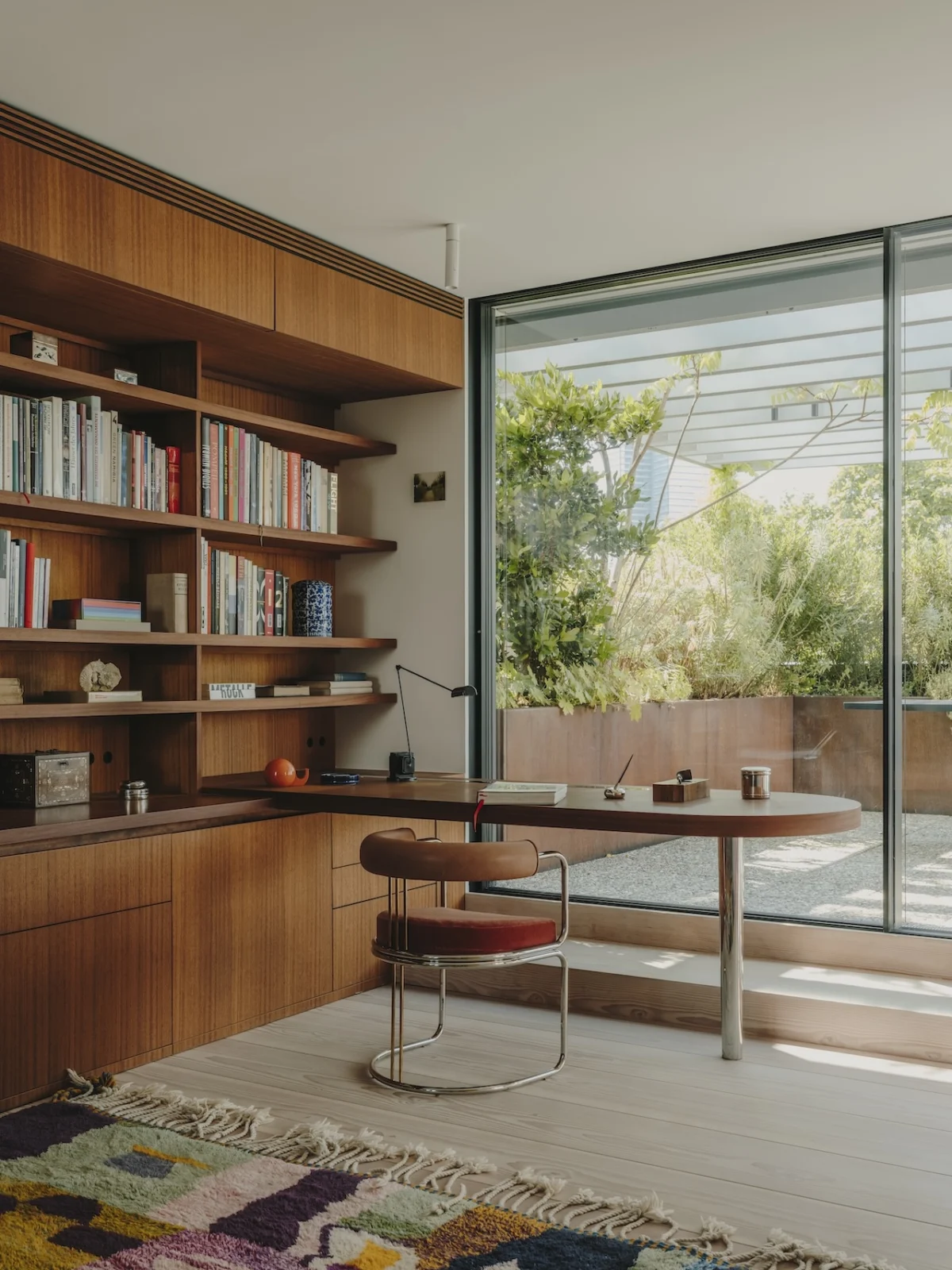
The intricate art of architectural transformation, particularly when applied to historic structures, rarely finds a more eloquent expression than in the concept of the "inhabited palimpsest." This challenging design paradigm demands that a historic building be imbued with contemporary life and functionality without sacrificing the intrinsic qualities that rendered it worthy of preservation in the first place. This delicate balance has been masterfully navigated by Munich-based workshop and studio Holzrausch with their recently completed project, Penthouse Frankfurt. This endeavor stands as a compelling testament to thoughtful adaptive reuse, where the distinct architectural grammar of the Wilhelminian era—characterized by deep floor plates, generously proportioned rooms, and robust load-bearing masonry—is not merely accommodated but woven into the very fabric and logic of the modern intervention.
The Historical Canvas: Frankfurt’s Wilhelminian Legacy
Frankfurt am Main, a city renowned for its striking juxtaposition of historic charm and futuristic skyscrapers, provides a rich backdrop for such a project. The Wilhelminian era, spanning roughly from 1890 to 1918, was a period of rapid industrialization and urban growth in Germany, marked by a distinctive architectural style that reflected the prosperity and imperial ambitions of the time. Buildings from this period are typically characterized by their imposing scale, ornate facades, high ceilings, large windows, and solid construction, often featuring sandstone or brickwork, elaborate stucco, and intricate detailing. These structures were built to last, designed with generous spatial layouts that offered both grandeur and comfort, attributes that paradoxically present both opportunities and challenges for modern adaptation.

For architects and developers today, Wilhelminian buildings represent a valuable cultural asset. Their inherent robustness and classic proportions offer an excellent foundation for contemporary living, often boasting better natural light distribution and more expansive volumes than modern constructions. However, integrating 21st-century amenities, energy efficiency standards, and open-plan living desires into these rigid, load-bearing masonry structures requires exceptional ingenuity and a deep understanding of historical building practices. The existing fabric cannot be easily erased; instead, it must be engaged in a dialogue with new additions, ensuring structural integrity while updating aesthetic and functional parameters. Frankfurt’s urban planning often encourages the preservation and sensitive modernization of these heritage assets, seeing them as vital threads in the city’s evolving architectural tapestry.
Holzrausch’s Vision and Integrated Approach

Holzrausch, known for its commitment to craftsmanship and integrated design solutions, approached Penthouse Frankfurt with a philosophy rooted in respect for history combined with a forward-looking vision for contemporary comfort and aesthetics. Their unique operational model as a "single-source supplier" proved instrumental in the project’s success. This model brings designers, construction planners, and skilled craftspeople into a continuous dialogue from conception to completion. This seamless collaboration mitigates common disconnects between design intent and construction reality, ensuring that every detail, every material junction, and every structural modification is executed with precision and a unified vision.
A spokesperson for Holzrausch, commenting on the project’s ethos, might articulate: "Our aim was never to erase the past but to celebrate it, allowing the Wilhelminian spirit to coexist harmoniously with a new, contemporary layer of inhabitation. The inherent quality of these historic buildings provides an unparalleled foundation, and our integrated approach ensures that the new interventions are not just additions, but integral components of a revitalized whole." This holistic methodology allowed the team to interpret the existing architectural conditions—the deep floor plates, the rhythm of structural walls, the generous room heights—not as constraints, but as foundational elements upon which to build a modern narrative.

Chronology of Transformation: From Concept to Completion
The journey of transforming a historic Wilhelminian building into a sophisticated contemporary penthouse is a multi-phased endeavor, demanding meticulous planning and execution. While specific dates for Penthouse Frankfurt are not detailed, a typical timeline for such a project would unfold as follows:

- Initial Assessment and Feasibility (6-12 months): This phase involves comprehensive structural surveys, historical research, regulatory checks for historic preservation, and initial conceptual design studies. Given the addition of a two-story roof extension, extensive structural analysis to ascertain the existing building’s load-bearing capacity and potential reinforcement needs would have been paramount.
- Design and Permitting (12-18 months): The detailed architectural and interior design development takes place, including material selection, spatial planning, and engineering specifications. For a historic building in a German city, securing building permits for significant alterations and a roof extension would involve rigorous reviews by municipal planning and heritage departments, ensuring compliance with strict conservation guidelines.
- Construction and Renovation (18-24 months): The physical transformation begins. This includes the delicate process of reinforcing existing structures, demolishing non-load-bearing elements as needed, and then constructing the new roof extension. The coordination of various trades—structural engineers, carpenters, plumbers, electricians, interior finishers—under Holzrausch’s single-source model would have been critical to maintain quality and schedule.
- Interior Fit-out and Finishing (6-9 months): This final stage focuses on installing bespoke joinery, applying finishes, integrating advanced building systems, and preparing the spaces for occupancy. The meticulous installation of the Kambala paneling, custom kitchen elements, and integrated art display solutions would have demanded exceptional craftsmanship.
From initial concept to final completion, such a complex project could easily span three to five years, a testament to the dedication required to blend heritage with cutting-edge design and construction.
Architectural Interventions and a Curated Material Palette

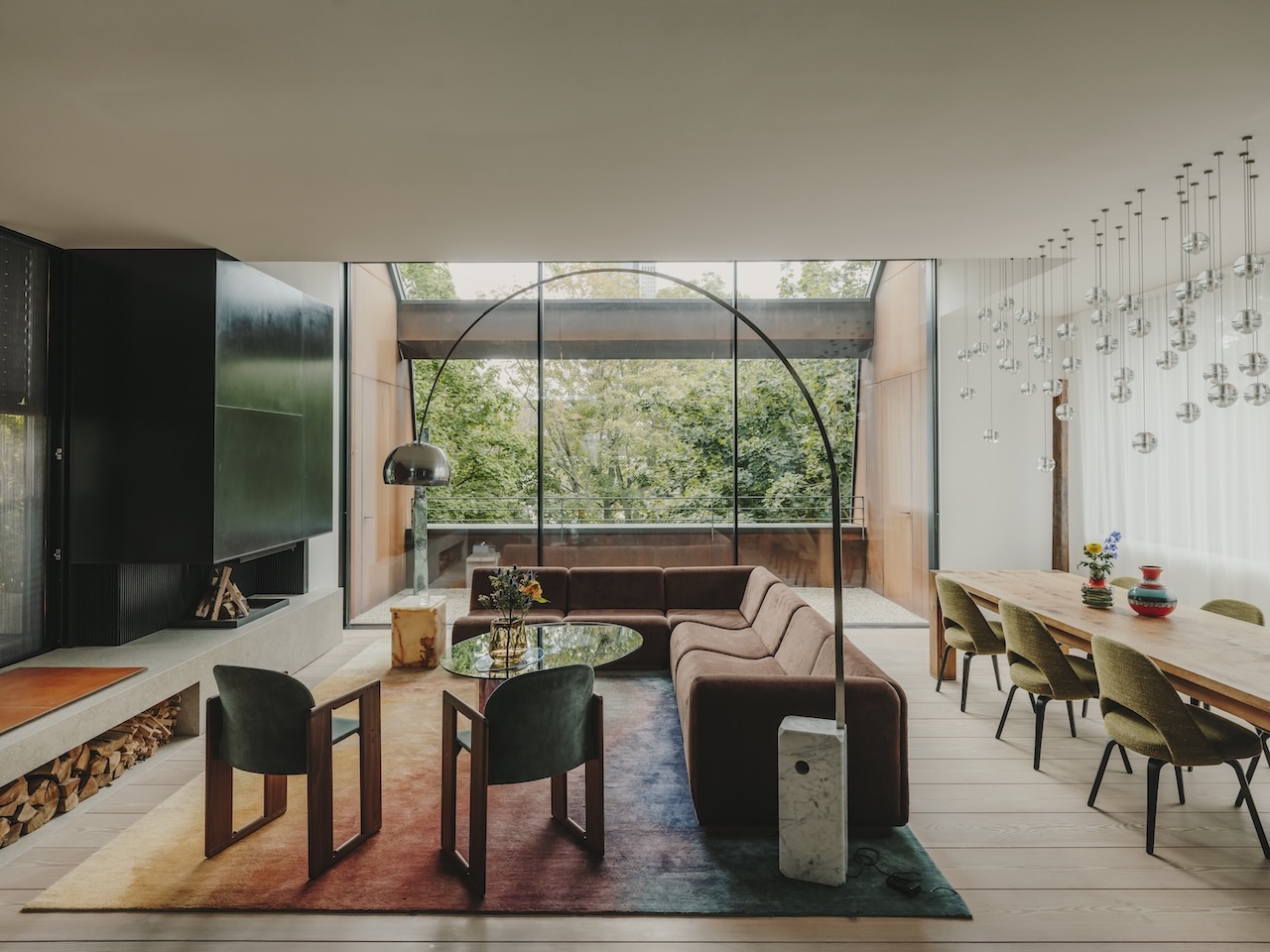
The most structurally defining and visually impactful intervention at Penthouse Frankfurt is undoubtedly the two-story roof extension. By constructing a new, distinct volume above the historic shell, Holzrausch made a clear architectural statement, legibly distinguishing between the original Wilhelminian structure and the contemporary addition. This approach avoids stylistic mimicry, instead creating a dynamic dialogue between old and new. The design likely employs lightweight construction techniques for the extension to minimize additional load on the historic masonry, while its contemporary form and materials create a respectful yet assertive counterpoint to the building below. This strategy not only provides expanded living space but also visually "crowns" the building, offering panoramic views of Frankfurt.
Within this thoughtfully crafted interior, a refined material palette unfolds, dominated by the exquisite African hardwood, Kambala. This timber, chosen for its warm amber grain that gracefully oxidizes over time, functions as a continuous spatial membrane. It runs as full-height paneling across rooms, built-ins, and circulation areas, creating a cohesive and enveloping warmth. Kambala (also known as Iroko) is prized for its durability, stability, and distinctive appearance, often seen as a sustainable alternative to teak when responsibly sourced. Its application here provides a consistent visual ground, unifying diverse spaces and imparting a sense of quiet luxury and natural elegance. This material choice reflects a commitment to natural beauty and longevity, qualities that resonate with the enduring character of the historic building itself.

Beyond the pervasive warmth of Kambala, the kitchen exemplifies Holzrausch’s mastery of material synthesis. Here, warm-brushed stainless steel, with its subtle luster and hygienic properties, meets the tactile richness of terrazzo and the grounding presence of stained timber. The combination of these materials—each with its own texture, temperature, and visual weight—is resolved with remarkable coherence, a direct benefit of Holzrausch’s integrated design and construction process. The result is a kitchen that is both highly functional and aesthetically sophisticated, where every junction and transition feels deliberate and harmonious, far from a collection of isolated elements.
A Sanctuary for Art: Integrating a Private Collection

A defining requirement for the Penthouse Frankfurt project was its capacity to house a significant private art collection. This posed a unique challenge: creating a domestic environment that felt distinctly lived-in and comfortable, yet simultaneously functioned as a gallery space, allowing the artworks to command attention without competition or being overwhelmed. Many residences designed for art collectors often fall into one of two extremes: the stark, clinical neutrality of a "white cube" gallery, which can feel sterile for daily living, or an exuberant domesticity that, while comfortable, can detract from or overpower the artistic expressions.
Holzrausch’s solution was a nuanced and sophisticated one. The calm sequencing of rooms, guided by the continuous Kambala "shell," directly responded to the client’s need for sustained attention to their collection. The warm, inviting tones of the Kambala paneling provide a visual ground that is humanizing and rich, yet deliberately non-assertive. It offers a subtle backdrop that complements a wide range of artistic styles and palettes, allowing the art to pop without feeling isolated. This carefully calibrated balance ensures that the residence functions as both a comfortable home and a refined exhibition space, where the architecture itself enhances the experience of the art rather than competing with it. A hypothetical client might remark: "The genius of Holzrausch lies in creating a home where our collection feels perfectly integrated, not just displayed. Each piece breathes within the space, and the warmth of the wood makes the entire experience deeply personal and inviting, a true extension of our lives." This thoughtful integration elevates the residence beyond mere functionality, transforming it into a living gallery.

Broader Implications and Design Precedent
The Penthouse Frankfurt project by Holzrausch stands as a significant case study in contemporary adaptive reuse, offering valuable insights into sustainable urban development and heritage preservation. Its success in transforming a Wilhelminian-era building into a modern, art-centric home sets a compelling precedent for similar developments across Europe and beyond.

- Model for Sustainable Development: Adaptive reuse is inherently sustainable. By retaining and repurposing existing structures, the project significantly reduces embodied carbon associated with new construction, conserves resources, and minimizes waste. This approach aligns with global imperatives for greener building practices, demonstrating that luxury and sustainability are not mutually exclusive but can be elegantly intertwined.
- Enriching Urban Dialogue: Frankfurt, with its dynamic skyline, constantly engages in a dialogue between its historical layers and its modern aspirations. Penthouse Frankfurt contributes positively to this conversation, proving that historic buildings can evolve to meet contemporary needs without losing their soul. It enriches the urban fabric by adding a new chapter to an existing architectural story, fostering a sense of continuity and progress.
- The Enduring Relevance of the "Inhabited Palimpsest": The project vividly brings to life the concept of the "inhabited palimpsest"—a parchment rewritten over time, where traces of earlier texts remain visible. In architectural terms, this means layers of history are acknowledged and celebrated, not obliterated. Holzrausch’s work demonstrates that this layered approach can yield spaces of profound depth and character, far richer than those built on a tabula rasa. It encourages architects to delve into the narrative of a building, understanding its past to inform its future.
- Benchmark for Integrated Design: Holzrausch’s single-source supplier model exemplifies the benefits of integrated design and construction. In an industry often fragmented, their cohesive approach ensures a higher quality of finish, greater design integrity, and often more efficient project delivery. This model offers valuable lessons for complex, high-end projects where precision and a unified vision are paramount.
- Future of Art and Architecture: As art collections grow and patrons seek unique spaces to house them, the challenge of creating residences that are both comfortable homes and effective galleries will intensify. Penthouse Frankfurt offers an elegant solution, striking a delicate balance that avoids the pitfalls of overly sterile or excessively decorative environments. It proposes a future where art is seamlessly integrated into daily life, enhanced by thoughtful architectural backdrops.
In conclusion, the Penthouse Frankfurt project by Holzrausch is more than just a renovation; it is a meticulously crafted architectural statement. It skillfully navigates the complex terrain of historic preservation and modern intervention, delivering a residence that is both deeply respectful of its Wilhelminian heritage and boldly contemporary in its functionality and aesthetic. Through its innovative use of materials like Kambala, its integrated design philosophy, and its sensitive approach to accommodating a significant art collection, the project redefines luxury living within a historic context. Captured with stunning clarity by Salva Lopez’s photography, Penthouse Frankfurt stands as a compelling exemplar of how the past can inform and enrich the present, creating spaces that are timeless, sophisticated, and profoundly livable.







