
 Indra Kusuma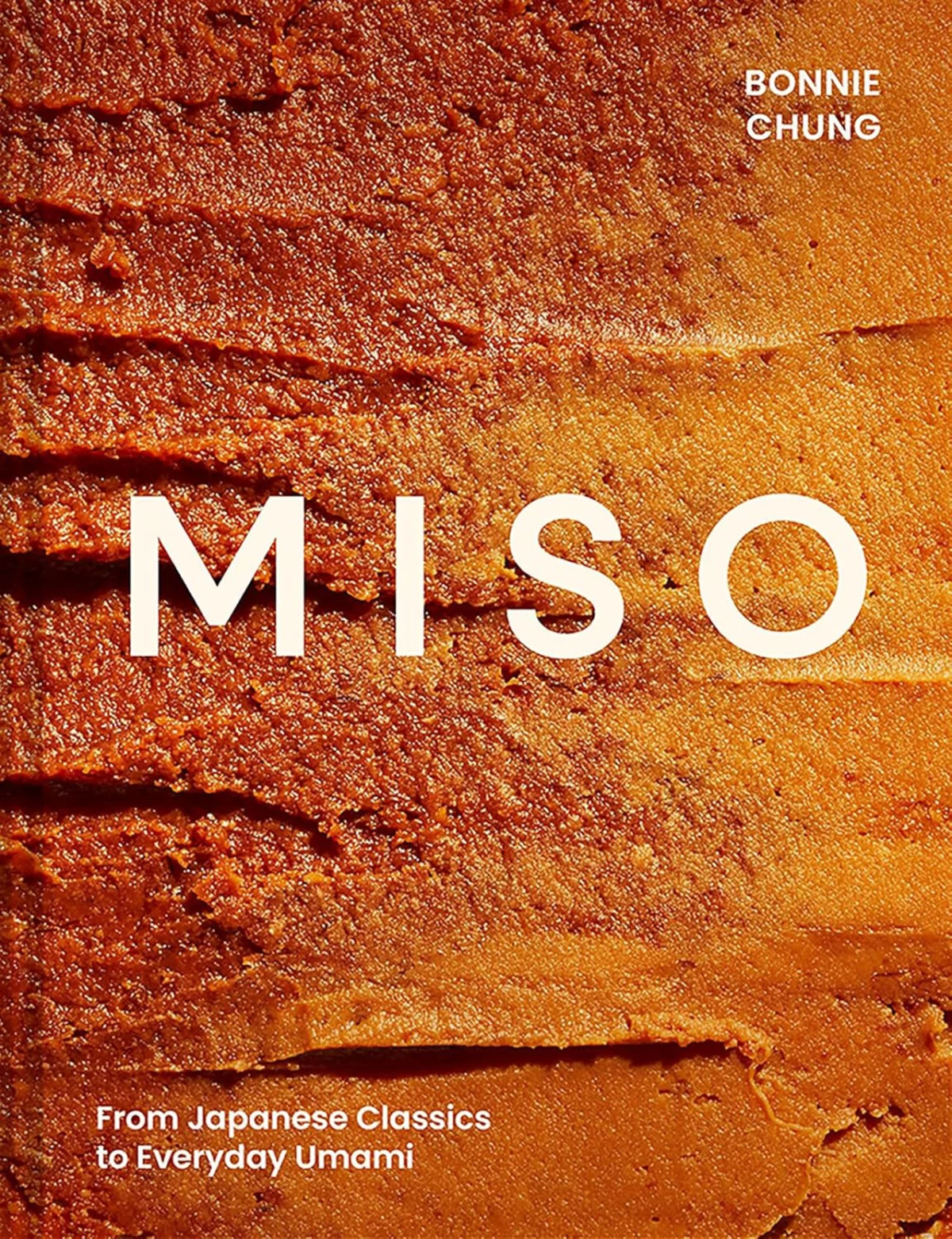
A distinct and compelling discipline in contemporary culinary literature is the crafting of an entire book around a singular ingredient. This rigorous approach demands not only profound curiosity but also the unwavering confidence that a single subject, when meticulously examined, can captivate and enlighten a reader. This month marks the release of three exemplary works in this genre: Anna Stockwell’s The Butter Book, Bonnie Chung’s expanded edition of Miso: From Japanese Classics to Everyday Umami, and Taschen’s The Gourmand’s Mushroom: A Collection of Stories & Recipes. These publications transcend the conventional cookbook format, presenting butter, miso, and mushrooms not merely as pantry staples but as substances imbued with profound visual presence, cultural resonance, and versatile culinary potential. Through detailed recipe techniques, rich cultural context, and striking close-up "glamour" photography, each title, in its unique way, meticulously argues for its featured ingredient as both fundamental material and boundless muse, reflecting a growing trend in gastronomic exploration.
The Rise of the Ingredient Monograph in Gastronomy
The increasing popularity of single-ingredient cookbooks signifies a shift in culinary appreciation, moving beyond broad recipe collections to an intense focus on the essence, history, and multifaceted applications of individual food items. This trend caters to a sophisticated audience of home cooks, professional chefs, and food enthusiasts who seek a deeper understanding of the components that build flavor and texture. Unlike general cookbooks that offer a diverse array of dishes, ingredient monographs provide an immersive journey, unearthing the scientific properties, cultural narratives, and often overlooked versatility of a single foodstuff. This focused approach encourages readers to develop a more intuitive and creative relationship with their ingredients, fostering innovation and a profound respect for culinary foundations. Publishers like Chronicle Books, Pavilion Books (Harper Collins), and Taschen are at the forefront of this movement, investing in titles that blend rigorous research with exquisite design, elevating the humble ingredient to an object of art and intellectual inquiry.
The Butter Book: An Ode to the Golden Essential
Release Date: March 17, 2026, by Chronicle Books.

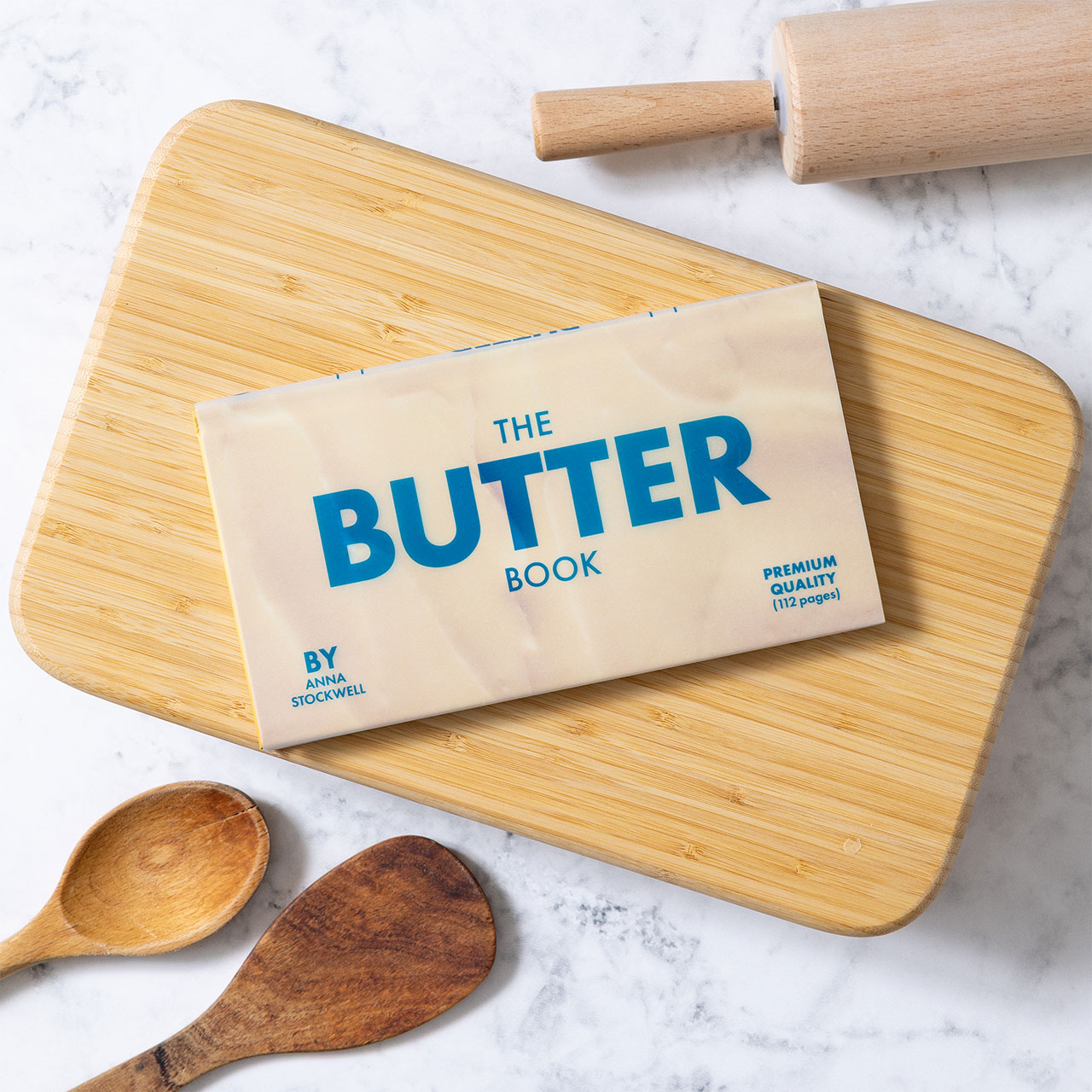
Anna Stockwell’s The Butter Book immediately distinguishes itself with a clever trompe l’oeil design that ingeniously mimics a stick of butter. The book’s cream-colored pages, suggesting churned cream, are encased in a vellum jacket adorned with familiar blue typography, a concept credited to Chronicle Books Food & Lifestyle Art Director Lizzie Vaughn. This playful yet sophisticated design signals the book’s dual commitment to both culinary depth and aesthetic appeal.
Stockwell, a veteran of prestigious test kitchens at Bon Appétit and Epicurious, brings an authoritative voice to her exploration of butter. Her extensive experience in recipe development, which includes countless hours of browning, clarifying, whipping, and emulsifying, shines through her confident prose. She meticulously details how butter can transform dishes, from basting scallops to achieve unparalleled tenderness to glossing a roast chicken until it gleams with golden perfection. A significant portion of the book is dedicated to compound butters, showcasing modular and creative methods for infusing complex flavors into even the most straightforward dishes—ranging from savory puttanesca to sweet hot honey variations. This section alone provides a masterclass in flavor layering, demonstrating butter’s capacity as a versatile vehicle for taste.

Beyond its culinary applications, Stockwell delves into butter’s rich history as one of humanity’s oldest human-made foods, intrinsically linked to the evolution of cooking itself. She explores the fascinating world of butter accessories, including antique molds, specialized slicers, and elegant warmers. While acknowledging a shared skepticism for single-use kitchen gadgets, Stockwell admits a fondness for historical items like the Coquillor, a silver butter dish and curler that effortlessly extrudes perfect rosettes.
A key theme in The Butter Book is the contemporary "butter renaissance," a phenomenon evident in the proliferation of swooped whipped mounds and elaborate edible sculptures gracing brand launches and high-end restaurant menus. Stockwell traces the lineage of butter sculpture back to 1536, when chef Bartolomeo Scappi famously carved Hercules with a lion as a dinner centerpiece in Rome, illustrating that this seemingly modern trend has deep historical roots. As butter continues to influence food culture, fashion, and interior design—serving as a defining hue, a culinary reference, and an indulgent signifier—The Butter Book emerges as a timely, design-forward homage, providing both practical guidance and a historical perspective on this indispensable ingredient. The book offers an estimated 100-150 recipes, spanning classic techniques to innovative applications, aiming to solidify butter’s place not just in the pantry but as a cornerstone of culinary artistry.

Miso: From Japanese Classics to Everyday Umami – A Fermented Revelation
Release Date: January 2026, by Pavilion Books (Harper Collins).
Photography: Yuki Suguira, Food & Prop Styling: Aya Nishimura, Illustrations: Merlin Evans.
Bonnie Chung’s Miso: From Japanese Classics to Everyday Umami is presented as her magnum opus and a heartfelt tribute to her favorite ingredient. This new and expanded edition approaches miso with a focused lens on fermentation and balance, positioning the deeply flavorful paste as an indispensable tool in the modern kitchen. Miso, a fermented soybean paste, has been a cornerstone of Japanese cuisine for over a millennium, renowned for its ability to impart profound depth and umami with minimal volume. Its rich history dates back to ancient China, with its introduction to Japan in the 7th century, evolving into the diverse range of pastes known today.

Chung meticulously outlines the various types of miso—shiro (white), aka (red), awase (blended), and others—detailing their distinct tasting notes, production methods, and ideal culinary applications. She provides clear guidance for home fermentation, empowering readers to explore this ancient craft, alongside profiles of innovative and sustainable miso producers. The book gracefully transitions from recognizable Japanese classics, such as the ubiquitous miso soup and the iconic miso black cod, to more unexpected and innovative applications, including miso udon carbonara and white miso ice cream with hazelnut praline. This breadth demonstrates miso’s remarkable versatility beyond traditional boundaries, positioning it as a global flavor enhancer.
Throughout the book, Chung frames miso not merely as a structural ingredient but as "a chef’s secret" for unlocking unparalleled flavor. She encourages readers to integrate a spoonful into everyday cooking—to enrich a tomato sauce, intensify a gravy, or deepen a dessert—thereby demystifying the ingredient and challenging the perception of miso as "exotic." Her goal is to firmly establish miso as an essential component in any well-stocked pantry.

Visually, Miso draws inspiration from the ingredient’s inherent richness and tonal range. Its striking cover features a full-bleed, close-up photograph capturing the nuanced shades of miso, from deep russet to pale ochre, evoking the majestic hues of the Grand Canyon at sunset. This aesthetic choice underscores the book’s commitment to presenting miso as an ingredient of both culinary and visual splendor. The collaborative efforts of photographer Yuki Suguira, food and prop stylist Aya Nishimura, and illustrator Merlin Evans contribute to the book’s immersive experience, making it a comprehensive guide to understanding and utilizing this powerful fermented food. The book is anticipated to contain a wide array of recipes, likely exceeding 80, showcasing both traditional and contemporary uses of miso.
The Gourmand’s Mushroom: A Mycological Masterpiece
Release Date: End of March 2026, by TASCHEN.

From the acclaimed authors behind TASCHEN’s successful Egg and Lemon collections, David Lane and Marina Tweed, founders of the UK-based Gourmand Magazine, comes the third installment in their series: The Gourmand’s Mushroom: A Collection of Stories & Recipes. This volume embarks on an ambitious exploration of one of Earth’s most mysterious and fascinating ingredients—the mushroom. The book seamlessly weaves together culinary craftsmanship with profound cultural inquiry, reflecting the Gourmand Magazine’s signature blend of food, art, and lifestyle.
The book opens with a contemplative reflection on impermanence, the art of foraging, and the evocative nature of culinary memory, penned by esteemed chef and food writer Jeremy Lee. This sets the tone for a journey that transcends mere recipes, delving into the philosophical and sensory dimensions of fungi. Mushrooms, with their incredible diversity—from the prized truffle to the humble button mushroom—have captivated humanity for millennia, featuring prominently in folklore, traditional medicine, and diverse cuisines across the globe. The book explores the science of mycology, the ecological role of fungi, and their historical significance in human culture.

The photography within The Gourmand’s Mushroom is a visual feast, capturing caps and gills as intricate sculptures, mesmerizing patterns, and compelling forms. This artistic approach situates fungi within a broader context of art, folklore, science, and design, transforming what might otherwise be a simple ingredient into an object of profound aesthetic appreciation. The book’s visual narrative elevates mushrooms beyond their edible qualities, celebrating them as fleeting marvels and endlessly inventive components in both nature and gastronomy.
However, The Gourmand’s Mushroom is far more than a chic coffee table book; it is a comprehensive culinary resource. It features an expansive collection of original recipes that showcase the incredible versatility of mushrooms. From classic preparations like funghi sott’olio (marinated mushrooms) and rich duxelles to comforting Hungarian mushroom pie (gombás lepény), the recipes encourage readers to explore the full spectrum of fungal flavors and textures. The authors emphasize the unique umami profile that mushrooms bring to dishes, acting as natural flavor enhancers and meat substitutes in vegetarian cuisine. With an estimated 70-90 unique recipes and numerous stories, the book offers a deep dive into the culinary and cultural landscape of mushrooms.

The Intersection of Food and Design: A New Culinary Sensibility
These three monographs collectively highlight a sophisticated culinary sensibility that views food through a design lens. For a growing audience, the appeal of an ingredient extends far beyond taste to encompass its visual, textural, and structural qualities. The Butter Book celebrates butter’s glossy sheen, its malleability, and its capacity to form elegant sculptures. Miso explores the dense richness and tonal variations of the fermented paste, emphasizing how its subtle visual cues hint at its deep umami potential. The Gourmand’s Mushroom revels in the architectural potential of fungi, showcasing their diverse forms, intricate patterns, and earthy beauty.
This integration of food and design reflects a broader cultural movement where aesthetics play an increasingly crucial role in gastronomic experiences, from plating to presentation, and indeed, to the very design of the cookbooks themselves. These books are not just guides for cooking but objects of beauty that inspire visual as well as culinary creativity. They invite readers to consider how ingredients behave under heat, how they carry cultural narratives, and how they ultimately shape the look and feel of a finished dish.

Broader Implications for the Culinary Landscape
The emergence of such specialized ingredient monographs signals several key implications for the broader culinary landscape. Firstly, they foster a deeper appreciation for fundamental ingredients, encouraging both amateur and professional cooks to master the nuances of individual components rather than merely following recipes. This mastery leads to more confident and innovative cooking.
Secondly, these books contribute to the ongoing globalization of food culture. By demystifying ingredients like miso and showcasing the universal appeal of butter and mushrooms, they encourage cross-cultural culinary experimentation and integration. Bonnie Chung’s mission to make miso "essential, not exotic" is emblematic of this trend.

Finally, the emphasis on high-quality photography and thoughtful design in these publications elevates the cookbook genre itself. They become collectible items, blending practical utility with artistic merit, appealing to a demographic that values aesthetics as much as gastronomy.
In essence, these meticulously crafted books leave the reader with a hunger rooted as much in intellectual curiosity as in pure appetite. Each, devoted to a single ingredient, creates space for a profound understanding: how it transforms under heat, how it embodies cultural heritage, and how it sculpts the aesthetic and sensory experience of a dish. Butter, in its versatility, teaches both restraint and indulgence. Miso reminds us that time and fermentation are invaluable ingredients that cannot be rushed. Mushrooms insist that we look closer at the hidden wonders that thrive in the shadows. Individually, these ingredients might appear straightforward. However, when brought together, as in the reviewer’s inspired choice of brown butter-miso glazed maitakes, they unveil a conspiratorial symphony of flavors and textures, proving that a deep dive into the singular can lead to truly extraordinary culinary revelations.







