Hanik Kholidah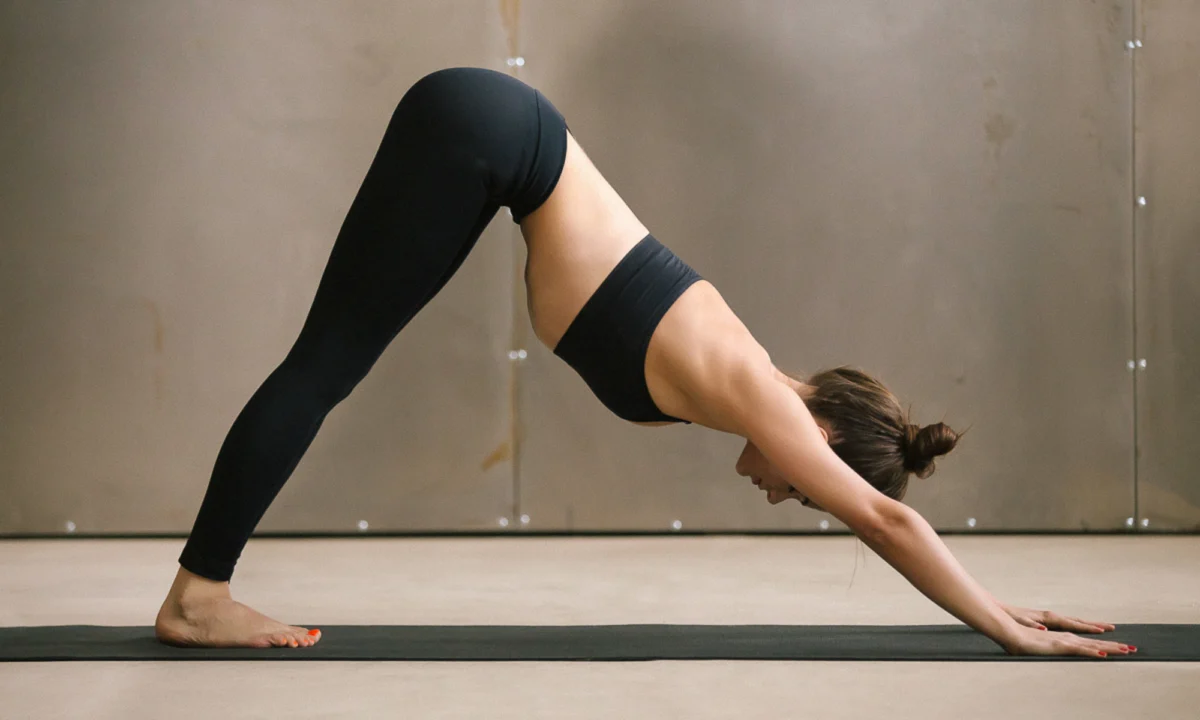
The relationship between the human body, the respiratory system, and the brain functions as a delicate triad that, when disrupted by the pressures of modern life, often results in chronic sleep disturbances and elevated cortisol levels. To address this growing public health concern, a refined sequence of somatic movements and breathing techniques has been developed to repair this internal relationship, allowing individuals to recalibrate their physiological responses to stress. This sleep preparation practice, rooted in both yoga tradition and psychotherapeutic principles, is designed to reduce physical tension, lower heart rates, and decrease the presence of stress hormones in the bloodstream, facilitating a more efficient transition into restorative sleep.
The Biological Foundation of Somatic Sleep Preparation
The practice of "Sleep Recovery," as outlined by registered yoga teacher and psychotherapist Lisa Sanfilippo, M.Sc., RYT, posits that the bedroom should be more than a place of rest; it should serve as a dedicated environment for neurological down-regulation. By performing specific movements within this space, the practitioner anchors the environment to a state of calm, effectively conditioning the brain to associate the room with the cessation of the "fight or flight" response.
Central to this methodology is the concept of somatic listening. This involves a conscious effort to interpret the body’s internal signals—such as muscle tightness or shallow breathing—and responding with targeted interventions. The sequence is designed to target essential anatomical regions that harbor the most significant amounts of day-to-day stress, including the spine, the intercostal muscles of the ribcage, and the posterior chain of the legs.
Initially, the protocol requires a learning phase of approximately 20 to 25 minutes. However, as the neurological pathways for these movements become established, the routine can be condensed into a 10-to-12-minute practice. Unlike pharmacological interventions, which may lead to tolerance or diminished efficacy over time, somatic practices typically yield greater results with continued use as the practitioner develops deeper muscle memory and enhanced respiratory control.
The Role of the Vagus Nerve and Parasympathetic Activation
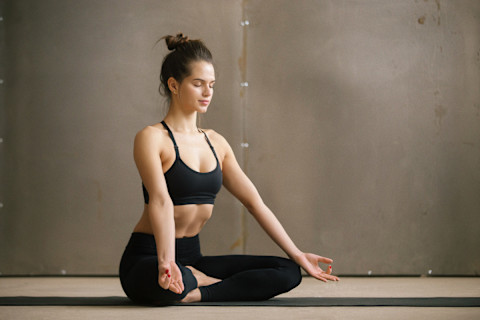
A critical component of the sequence is the "Basic Yoga Breath," a technique that involves creating a gentle tone in the back of the throat during respiration. This specific action, combined with a conscious lengthening of the exhalation, is a direct intervention into the autonomic nervous system. It activates the parasympathetic branch, often referred to as the "rest and digest" system.

By slowing the breath and narrowing the glottis slightly, the practitioner stimulates the vagus nerve. The vagus nerve is the longest cranial nerve in the body, extending from the brainstem through the neck and into the chest and abdomen. It serves as the primary component of the parasympathetic nervous system, responsible for regulating internal organ functions, including heart rate and digestion. When the vagus nerve is "toned" through rhythmic breathing and movement, it sends a powerful signal to the brain that the body is safe, thereby inhibiting the production of adrenaline and cortisol.
A Systematic Chronology of Movement
The routine is structured as a series of four primary interventions, each serving a specific physiological and psychological purpose.
-
Respiratory Calibration: The practice begins with the Basic Yoga Breath. By focusing on the sound and sensation of the breath at the back of the throat, the practitioner shifts their attention from external stressors to internal sensations. This transition is vital for breaking the cycle of "rumination," a common psychological barrier to sleep where the mind continuously replays the day’s events or worries about the future.

-
Spinal Mobilization via Cat and Cow Poses: The second phase involves rhythmic movement between the Cat Pose (rounding the spine) and Cow Pose (arching the spine). This sequence is strategically designed to stretch the intercostal muscles—the muscles located between the ribs. Expanding these muscles creates more physical space for the lungs to inflate, further supporting deep respiration. Furthermore, the rhythmic movement of the spine helps "massage" the internal organs and provides further stimulation to the vagus nerve as it passes through the torso. This movement sends a continuous message of relaxation from the heart and organs back to the brain.
-
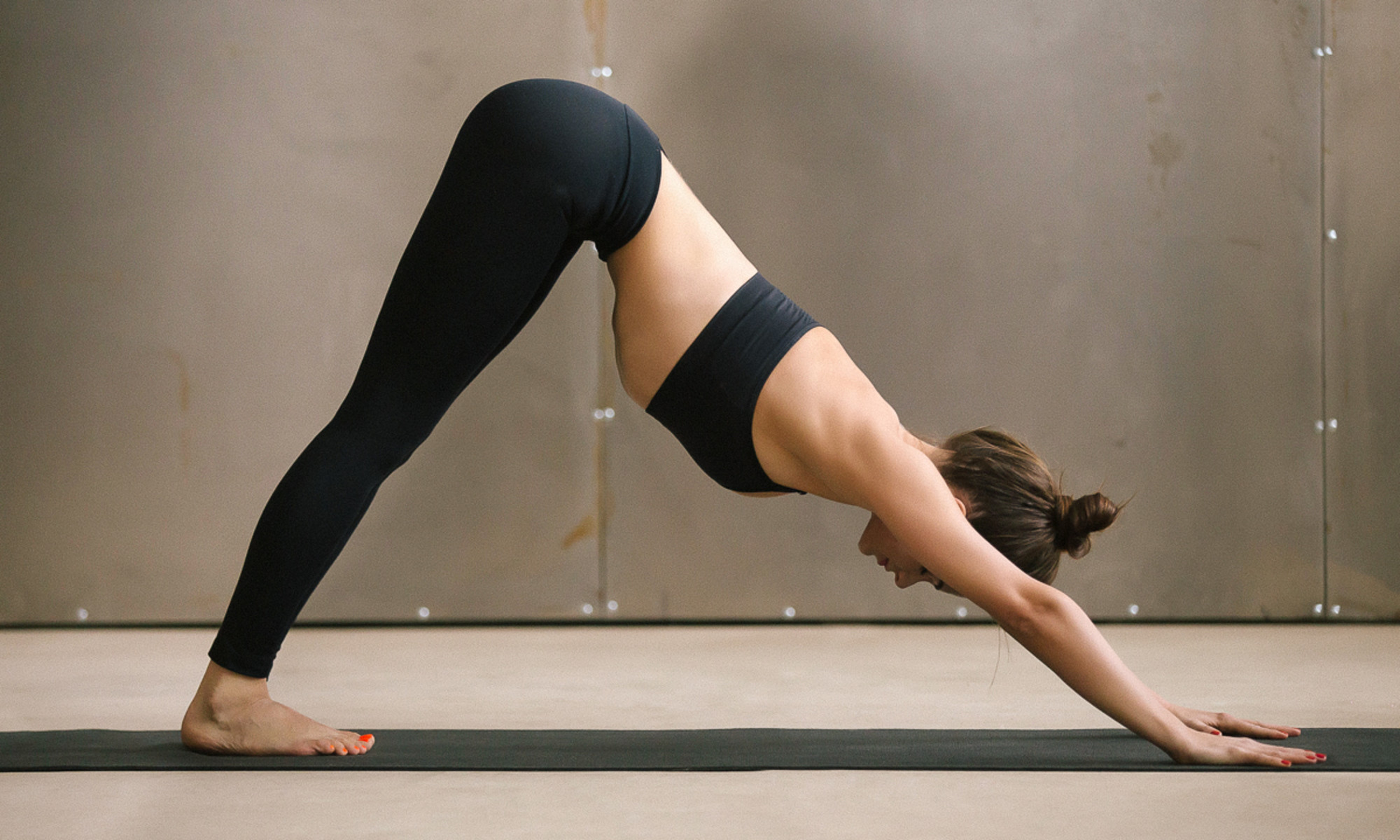
Inversion and Circulation via Downward-Facing Dog: The third movement, Adho Mukha Svanasana or Downward-Facing Dog, introduces a mild inversion to the sequence. By placing the head below the heart, the practitioner encourages a shift in blood circulation. This pose is particularly effective at stretching the longest muscles in the body, including the hamstrings and the spinal extensors. From a clinical perspective, inversions are recognized for their ability to calm the mind and provide the chest and brain with oxygenated blood, which helps the body feel refreshed yet balanced, rather than over-stimulated.
-
Psychological Re-centering via Child’s Pose: The sequence concludes with Child’s Pose, a position that involves kneeling and folding the torso over the thighs. This pose is frequently observed in young children as a natural mechanism for self-soothing when overwhelmed. It lengthens the muscles of the lower back and the posterior pelvis, areas where many adults hold significant tension. By closing off the front of the body and resting the forehead on the floor or a pillow, the practitioner creates a sense of "introversion," further withdrawing from external stimuli and preparing the mind for the unconscious state of sleep.
Clinical Context and Supporting Data on Sleep Health
The development of these somatic protocols comes at a time when global sleep deprivation has reached critical levels. According to the Centers for Disease Control and Prevention (CDC), approximately one-third of adults in the United States report getting less than the recommended seven hours of sleep per night. The economic implications are equally staggering; a study by the RAND Corporation estimated that sleep deprivation costs the U.S. economy up to $411 billion annually due to lost productivity and healthcare expenses.
Research published in journals such as Applied Psychophysiology and Biofeedback suggests that mind-body interventions like yoga can significantly improve sleep quality in patients with chronic insomnia. Unlike sedative-hypnotics, which can disrupt sleep architecture (the natural progression through various sleep stages), yoga and breathing exercises have been shown to increase the duration of deep sleep and REM sleep by stabilizing the nervous system before sleep onset.
The background of the developer, Lisa Sanfilippo, who holds a Master of Science degree and is a registered psychotherapist, highlights a broader trend in the medical community: the integration of "bottom-up" (body-to-brain) and "top-down" (brain-to-body) approaches to mental health. While traditional talk therapy addresses the cognitive aspects of stress, somatic practices address the physical manifestations that often prevent cognitive tools from being effective.

Broader Implications for Public Health and Wellness
The adoption of a 10-to-12-minute nightly routine represents a low-cost, high-impact intervention for public health. As the medical community continues to explore the "gut-brain axis" and the role of the vagus nerve in emotional regulation, practices that facilitate autonomic balance are becoming essential components of preventative medicine.
Furthermore, the emphasis on the bedroom as a "soothing space" aligns with the principles of sleep hygiene. Experts in sleep medicine argue that the modern bedroom has become "contaminated" by digital blue light and work-related stress. By introducing a physical ritual that signals the end of the day, individuals can reclaim their environment.
The long-term impact of such a practice extends beyond mere sleep duration. By repairing the relationship between body, breath, and brain, practitioners often report improved emotional resilience during waking hours. The ability to "listen" to the body’s needs allows for earlier intervention when stress begins to accumulate, potentially preventing the development of more severe anxiety or depressive disorders.

In summary, the sequence of movements and breathing techniques provided in the "Sleep Recovery" framework offers a scientifically grounded method for managing the physiological triggers of wakefulness. Through the targeted activation of the parasympathetic nervous system and the systematic release of muscular tension, individuals can transition from a state of high-alertness to a state of profound restoration, ultimately improving their overall quality of life and long-term health outcomes.