Angie Faith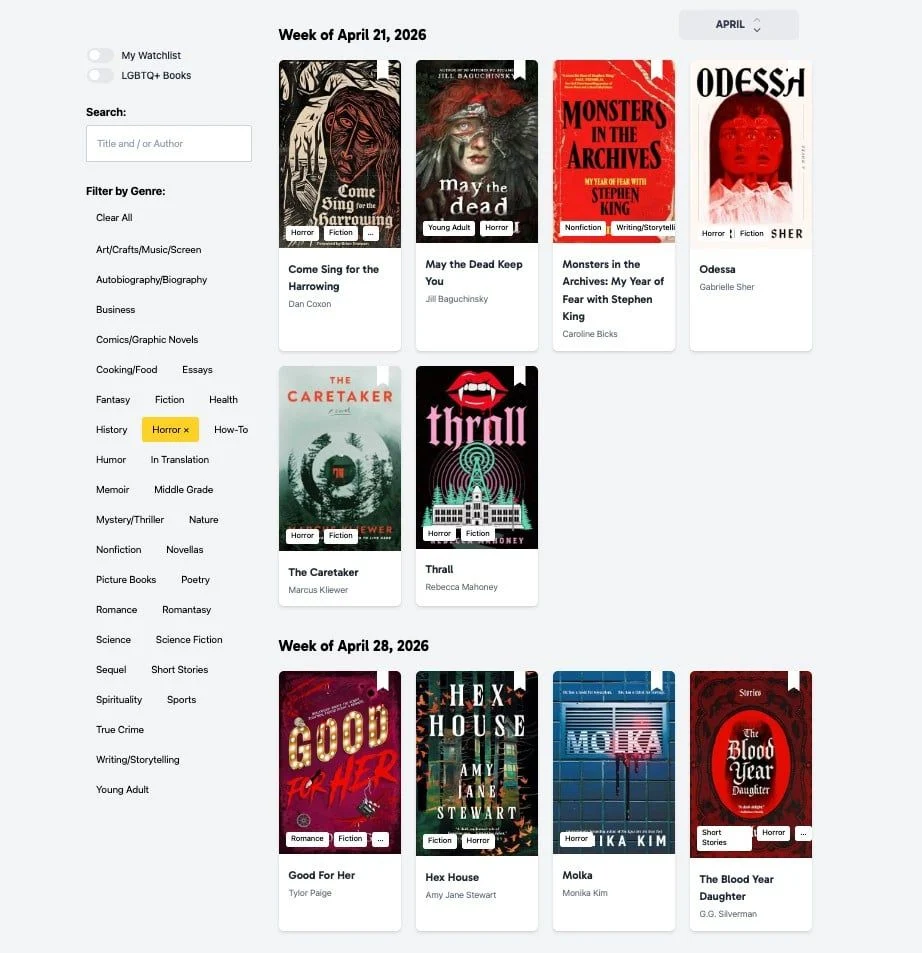
The monthly deluge of new horror book releases presents a significant challenge for avid readers and industry professionals alike. With hundreds of titles vying for attention, discerning genuinely exciting and potentially impactful works from those with robust marketing campaigns can feel like an overwhelming task. This constant influx often leads to valuable, lesser-known titles being overlooked, creating a gap in discovery for many eager to explore the evolving genre. To address this, Book Riot has introduced the New Release Index, a comprehensive and dynamic tool designed to streamline the discovery process for upcoming literary works, with a particular focus on the ever-popular horror genre.
Revolutionizing Book Discovery: The Genesis of the New Release Index
The impetus behind the New Release Index stems from a recognized need within the literary community for a more efficient and equitable system of book discovery. Traditionally, the unveiling of new books is heavily influenced by publisher marketing budgets, often amplifying titles from established authors or those with significant promotional backing. This can inadvertently sideline innovative voices and unique narratives that may not possess the same financial leverage. Recognizing this disparity, Book Riot, a prominent online publication dedicated to all things books, conceptualized and developed the New Release Index as a solution.
The Index functions as a curated database, meticulously compiling information on forthcoming book releases across various genres. Its core strength lies in its user-friendly interface and powerful filtering capabilities. Users can navigate upcoming titles, organized chronologically by their official release dates. Crucially, the Index allows for granular filtering by genre, enabling readers to pinpoint specific categories of interest, such as horror. This feature is particularly vital for genres like horror, which exhibit a rich diversity of subgenres and thematic explorations, from psychological thrillers and supernatural tales to body horror and cosmic dread.
A Glimpse into the Future of Horror: Unveiling the Index’s Functionality
A representative preview of the New Release Index, specifically filtered to showcase upcoming horror titles, reveals its intuitive design. The interface presents a visual cascade of book covers, immediately drawing the user’s eye. Upon selecting a cover that piques their interest, users are presented with a detailed book description, offering a concise yet informative overview of the plot, themes, and potential appeal. This immediate access to essential information bypasses the need to navigate multiple websites or consult extensive pre-publication catalogs.
Furthermore, the Index incorporates a "Watchlist" feature, empowering users to actively curate their personal discovery lists. By saving titles of interest to their Watchlist, readers can meticulously track books they anticipate, ensuring that even those with modest marketing presence are not forgotten amidst the larger industry noise. This personalized approach transforms passive browsing into an active engagement with upcoming literature, fostering a sense of anticipation and personalized curation.
Addressing the Information Overload: Data and Design Considerations
The sheer volume of new book releases each month is staggering. Industry data from sources such as Publishers Weekly and NPD BookScan consistently indicate thousands of new titles entering the market annually across all genres. For the horror genre alone, estimates suggest hundreds of new books are published each quarter, a figure that has seen a notable increase in recent years, driven by a resurgence of reader interest and a growing number of independent and small press publishers.
The New Release Index’s design directly confronts this information overload. By aggregating data from various publishing houses and distributors, it provides a centralized repository of upcoming literary works. The chronological organization ensures that users are presented with timely information, allowing them to plan their reading lists and pre-order selections effectively. The genre-specific filtering is not merely a convenience; it is a critical navigational tool in a landscape where genre boundaries are increasingly fluid and subgenres are proliferating. For instance, a reader interested in folk horror might find it difficult to isolate such titles from broader supernatural fiction without a dedicated filtering mechanism.

Industry Reactions and Potential Implications
While direct statements from all publishers regarding the New Release Index are not yet available, the general sentiment within the literary ecosystem points towards a positive reception. For independent publishers and authors, such a tool offers a democratizing effect, potentially leveling the playing field by providing visibility beyond traditional promotional channels. It can serve as an invaluable resource for reviewers, booksellers, and librarians seeking to identify promising new talent and diverse offerings within the horror genre.
The implications of the New Release Index extend beyond mere discovery. By highlighting a broader spectrum of upcoming books, it has the potential to influence market trends and reader preferences. As readers increasingly rely on curated indices and personalized recommendations, the visibility granted to books through such platforms can significantly impact sales figures and author careers. This could foster a more diverse and vibrant literary landscape, where merit and originality are more readily recognized, regardless of a publisher’s marketing budget.
A Timeline of Discovery: The Evolving Role of Curated Resources
The concept of curated book discovery is not new, but the digital age has amplified its reach and sophistication. Historically, literary magazines, book review sections of newspapers, and word-of-mouth were the primary avenues for discovering new authors and titles. The advent of the internet and social media platforms democratized these channels further, but also introduced new challenges related to information volume and authenticity.
The development of the New Release Index represents a natural evolution in this ongoing quest for efficient and equitable book discovery. Its introduction in the current publishing climate, characterized by rapid digital transformation and a heightened demand for niche content, is particularly timely. The Index’s ongoing development and potential for expansion to include other genres or specialized filters suggest a long-term commitment to serving the needs of the modern reader.
Broader Impact on the Literary Ecosystem
The New Release Index’s influence could ripple through the entire literary ecosystem. For readers, it promises a more informed and less overwhelming approach to building their "to-be-read" (TBR) piles. This can lead to greater reader satisfaction and a deeper engagement with the literary world.
For authors and publishers, particularly those operating outside the mainstream, the Index offers a potential pathway to increased visibility and audience engagement. By being discoverable through a reliable and user-friendly platform, these creators can reach readers who might otherwise never encounter their work. This can foster a more diverse authorial landscape and encourage the creation of a wider range of literary experiences.
Booksellers and librarians, who are constantly tasked with recommending new titles, can leverage the Index to identify trending books and emerging authors, enhancing their ability to serve their patrons effectively. The data generated by user interactions with the Index could also provide valuable insights into reader preferences and market dynamics, informing future publishing decisions.
In essence, the New Release Index is more than just a list of upcoming books; it is a strategic tool designed to foster a more inclusive, informed, and dynamic literary marketplace. As the volume of published works continues to grow, such innovative solutions will become increasingly critical in ensuring that readers can connect with the stories that resonate most deeply with them, and that authors of all backgrounds have the opportunity to be discovered and celebrated.