 Ali Ikhwan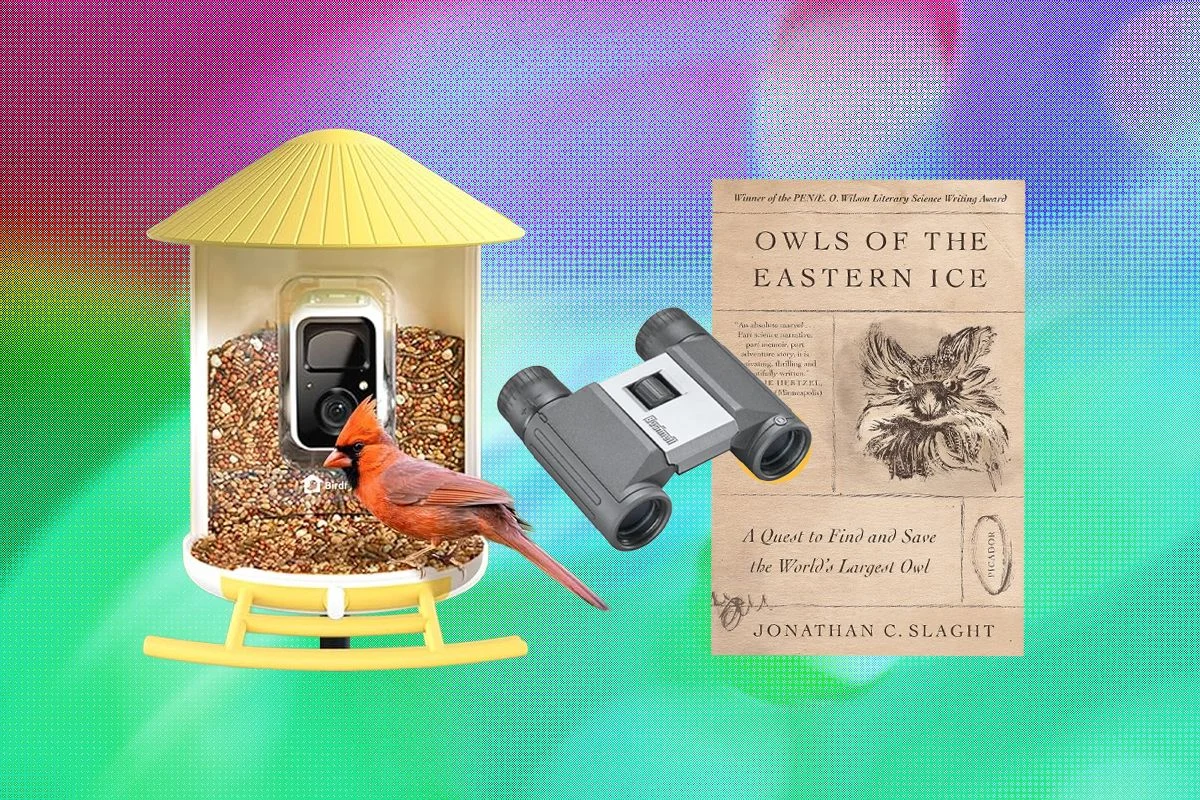
The hobby of bird-watching, or birding, has transcended its reputation as a niche pursuit for retirees to become a widespread phenomenon, capturing the interest of millions across diverse demographics. Driven by a global surge in outdoor recreation, the practice has evolved significantly over the past decade. Recent industry data indicates that the global bird-watching market—encompassing specialized optics, high-tech monitoring equipment, and educational resources—is projected to grow steadily as younger generations increasingly engage with nature. This shift has turned what was once a quiet pastime into a data-driven, community-oriented activity characterized by life-listing, citizen science participation, and technological integration.
The Evolution of Modern Birding
The rise of birding as a mainstream hobby is closely linked to the proliferation of digital tools that have lowered the barrier to entry. Historical data from the Cornell Lab of Ornithology demonstrates a direct correlation between the rise of mobile bird-identification apps and an increase in submissions to platforms like eBird. This democratization of data has transformed the hobby from a solitary pursuit of observation into a collaborative global scientific effort.

In the last five years, the market has pivoted toward hardware that bridges the gap between traditional field observation and smart-home technology. Today’s birding enthusiast is as likely to be found managing a backyard data stream as they are to be trekking through a wilderness area. This evolution has necessitated a new class of gift-giving, moving beyond simple field guides toward sophisticated, tech-enabled equipment.
Smart Technology: The New Frontier
The introduction of AI-powered smart bird feeders has fundamentally altered the backyard birding landscape. Devices such as the Netvue Birdfy series represent the current standard for consumer-grade wildlife observation. These systems, which utilize motion-activated cameras and machine-learning algorithms, allow users to identify species in real-time, record high-definition video, and share findings through mobile applications.
The impact of this technology extends beyond mere entertainment. By providing constant monitoring, these devices offer homeowners a window into local avian behavior, such as the nesting habits of chickadees or the hoarding behaviors of corvids, which would otherwise remain hidden from the casual observer. From a consumer perspective, the key considerations for these devices remain consistent: battery longevity, image resolution, and, crucially, the absence of mandatory subscription models. While premium services exist, the market currently favors hardware that offers robust offline functionality or free basic cloud storage.

The Essential Toolkit for Beginners
For those entering the hobby, the barrier to entry remains relatively low, though quality equipment is essential for engagement. The standard "starter" kit typically includes entry-level, high-durability binoculars and a reference guide. Industry experts emphasize that the technical specifications of binoculars—specifically the magnification power (8x or 10x) and lens diameter—are critical for field performance.
The Bushnell Powerview 2 8×21 series is frequently cited by professional reviewers as the benchmark for entry-level optics, providing a balance of portability and optical clarity. Beyond optics, the "life list" journal remains a staple. While digital apps have digitized the process, the act of maintaining a physical record provides a tangible connection to the hobby, serving as a chronological log of one’s personal encounters with local wildlife.
The Role of Supplemental Nutrition
The practice of supplemental feeding is a significant component of backyard birding, though it requires careful management to ensure ecological health. The market has responded with customized seed subscription services, such as The Happy Birdwatcher Co., which curate blends based on regional biodiversity and specific species requirements.
-SOURCE-Caramel-Quin.jpg)
This approach addresses common issues such as seed waste and the potential for attracting invasive species. However, analysts note that the efficacy of these programs depends on the accuracy of the geographical data provided to the consumer. For instance, while regional customization is highly beneficial for attracting native species, birders are increasingly encouraged to supplement these efforts with high-energy options like suet cakes—particularly in colder climates where insect populations are dormant. The shift toward "no-waste" and "hot pepper" varieties highlights a growing awareness of the need to deter non-target animals like squirrels and starlings while maintaining an hospitable environment for preferred birds.
Educational Resources and Citizen Science
The literature surrounding ornithology has similarly evolved. Modern texts, such as David Allen Sibley’s "What It’s Like to Be a Bird," provide a bridge between technical biology and accessible natural history. By explaining the "why" behind avian behavior—such as the nutritional intake required for chickadee development or the survival rates of waterfowl—these resources empower the reader to become a more active and informed observer.
This educational foundation is vital for the transition from a casual feeder owner to an informed naturalist. The inclusion of artistic, nature-journaling guides like those authored by John Muir Laws further encourages this transition by promoting the "art of observation," which forces the observer to slow down and record fine details, thereby deepening their connection to the ecosystem.

Gaming and Interactive Engagement
The gamification of birding has proven to be a highly effective engagement tool. Titles such as "Wingspan," a card-driven board game, have gained critical acclaim for their accurate portrayal of avian biology and migration patterns. For families, games like "Bird Bingo" serve as a simplified entry point, encouraging children to identify species through visual recognition. The widespread adoption of these games indicates that the appeal of birding is not merely in the act of observation, but in the cognitive challenge of identification and categorization.
The Impact of High-End Photography
For the dedicated hobbyist, the integration of professional-grade mobile photography tools has changed how findings are documented. High-end lens attachments, such as those produced by Moment, allow for macro photography and cinematic video capture that rival traditional DSLR setups in terms of convenience. This technology allows for immediate documentation of rare sightings, which are then uploaded to global databases. However, the reliance on proprietary mounting systems and specific software ecosystems presents a potential hurdle, particularly as smartphone manufacturers continuously update their hardware designs.
Analysis of Future Trends
The birding industry is currently in a state of rapid expansion, with a clear trend toward the "smartification" of the outdoors. As artificial intelligence continues to improve, we can expect to see more accurate, real-time species identification in consumer devices. However, this growth brings with it significant questions regarding privacy, data ownership, and the potential impact of constant surveillance on wildlife behavior.

Furthermore, the growing popularity of birding has significant implications for conservation. As the number of active birders increases, so too does the volume of data available to conservationists regarding population shifts and climate-driven migration changes. The "citizen scientist" model is likely to become an even more crucial pillar of environmental monitoring in the coming decade.
Conclusion
Choosing the right gift for a bird enthusiast requires an understanding of where they fall on the spectrum of the hobby. Whether they are a beginner seeking the clarity of their first pair of binoculars, a family looking for educational games, or an experienced naturalist looking to document their observations with professional-grade photography, the current market offers a wealth of options.
The common thread among these tools is their ability to enhance the user’s connection to the natural world. As we look toward the future, the integration of technology into this age-old hobby promises to make birding not just a pursuit of leisure, but a vital component of how we understand and interact with the biodiversity of our planet. By selecting gifts that facilitate learning, conservation, and active participation, givers are doing more than providing an object—they are contributing to the ongoing, global effort to document and protect avian species.