Reynand Holland
The reality for new parents is undeniable: infants generate a significant volume of waste, with disposable diapers forming a substantial portion of this burden. A single child can go through approximately 6,000 diapers within their first two years of life, a statistic that highlights the immense scale of this ongoing issue. While reusable diapers present a more eco-friendly alternative, their practicality often falls short for parents navigating the demanding routines of modern life. Beyond the sheer volume, traditional single-use diapers are increasingly scrutinized for their potential health and environmental ramifications. The materials and chemical additives used in their production raise concerns, prompting a closer examination of what truly goes into protecting our babies and the planet.
The concerns surrounding conventional disposable diapers extend beyond their landfill contribution. A closer look at their composition reveals a complex array of materials, including plastics and chemical fragrances, which have been linked to potential health risks. Research suggests that exposure to certain chemicals found in these products may be associated with endocrine and reproductive disorders, acute skin rashes, and, in some cases, even an increased risk of testicular cancer later in life. This is particularly alarming given the limited regulatory oversight concerning diaper ingredients. Unlike menstrual products, baby diapers are not mandated to undergo comprehensive chemical testing beyond lead content by the Consumer Product Safety Commission. This regulatory gap leaves a significant portion of the chemical landscape of diapers untested for potentially harmful substances, including carcinogens and endocrine-disrupting chemicals, leaving parents to make informed choices with incomplete information.
The lifecycle of a disposable diaper culminates in its disposal alongside municipal waste, contributing to overflowing landfills and the persistent challenge of waste management. It was precisely this visual of overflowing bins, a common sight for many households with young children, that sparked a pivotal realization for Tony Patron, founder of REDYPER, and his business partner. Witnessing the sheer volume of plastic diapers destined for landfills ignited a drive to seek and implement a more sustainable solution. This initial concern laid the groundwork for what would eventually become Dyper, a company dedicated to pioneering the development of safe, high-performance, and non-toxic diapers.
The Genesis of Dyper: A Commitment to Innovation and Sustainability
The journey to establish Dyper was born from a dual perspective: that of a concerned new father grappling with the environmental implications of diaper waste and an engineer equipped with the skills to address complex problems. Patron’s initial efforts involved exploring collaborations with existing manufacturers of compostable diapers. However, these discussions evolved into a strategic merger, leading to the formation of Dyper. This new entity was specifically designed with a mission to create non-toxic, biodegradable diapers that would significantly reduce both household and environmental waste.
The product development team at Dyper has been instrumental in their pursuit of creating diapers where nearly all components are biodegradable. While acknowledging that certain technological limitations currently prevent complete biodegradability for specific elements, such as the fastening tabs, the company’s overarching goal remains clear: to offer a diaper that rivals conventional products in terms of absorbency, fit, and comfort, while simultaneously prioritizing the elimination of skin irritation. This dual focus on performance and well-being underscores Dyper’s comprehensive approach to diaper design.

Prioritizing Plant-Based Materials and Transparency
At the core of Dyper’s product philosophy is a strong reliance on plant-based materials. The company predominantly utilizes US-grown, Forest Stewardship Council (FSC)-certified bamboo and eucalyptus fibers. The viscose bamboo sourced for their diapers comes from an Oeko-Tex certified supplier, a certification that signifies rigorous testing for harmful substances and ethical production practices. In a significant move towards transparency, Dyper meticulously labels each layer of its diapers with its specific components. This commitment allows conscious parents to have a clear understanding of what is in contact with their baby’s skin, fostering trust and informed decision-making.
Dyper’s product certifications further solidify its dedication to sustainability and safety. Their diaper products are Certified USDA BioPreferred, with the diapers meeting a 55% biobased content and their accompanying wipes achieving an impressive 95% biobased content. Furthermore, the diaper products themselves adhere to Oeko-Tex standards, ensuring they are free from a wide range of harmful chemicals. Most recently, Dyper achieved the DermaTest 5-Star Certification, a prestigious accreditation that provides a robust guarantee of the diapers’ hypoallergenic properties and their suitability for sensitive skin, confirming that they are unlikely to cause skin reactions.
Beyond the selection of materials, Dyper subjects its products to rigorous third-party laboratory testing. This independent verification process ensures that their diapers are not only compostable but also demonstrably non-toxic, providing an extra layer of assurance for parents concerned about the health impacts of diaper use.
The "Plants Over Plastic" Philosophy: A Paradigm Shift in Diapering
The guiding principle behind Dyper’s mission is succinctly captured in their slogan: "plants over plastic for happy babies." This philosophy translates into a product line free from common irritants found in many conventional diapers, such as phthalates, latex, and parabens. By opting for natural fibers and eschewing harmful chemical additives, Dyper creates diapers that are exceptionally gentle on a baby’s delicate skin. Moreover, the emphasis on responsibly sourced materials ensures that parents can feel confident about the origin and environmental impact of the products they choose for their children.
Dyper diapers are engineered not only for their positive impact on baby’s skin and the environment but also to enhance parental convenience. While composed of over 50% plant-based materials, these diapers are designed for high performance, effectively preventing leaks and minimizing the occurrence of diaper rash, thereby contributing to a happier and more comfortable baby.
A standout feature of Dyper’s commitment to a circular economy is their optional REDYPER program. This service, available in select regions, offers a convenient solution for the disposal of used diapers and wipes. Through partnerships with regional composting facilities, the REDYPER program facilitates the composting of biodegradable materials within a 14-to-16-week timeframe. Any non-compostable elements are then efficiently removed and appropriately disposed of. As of the latest available data, the REDYPER program has successfully diverted over 14 million pounds of waste from landfills, demonstrating a tangible impact on waste reduction.
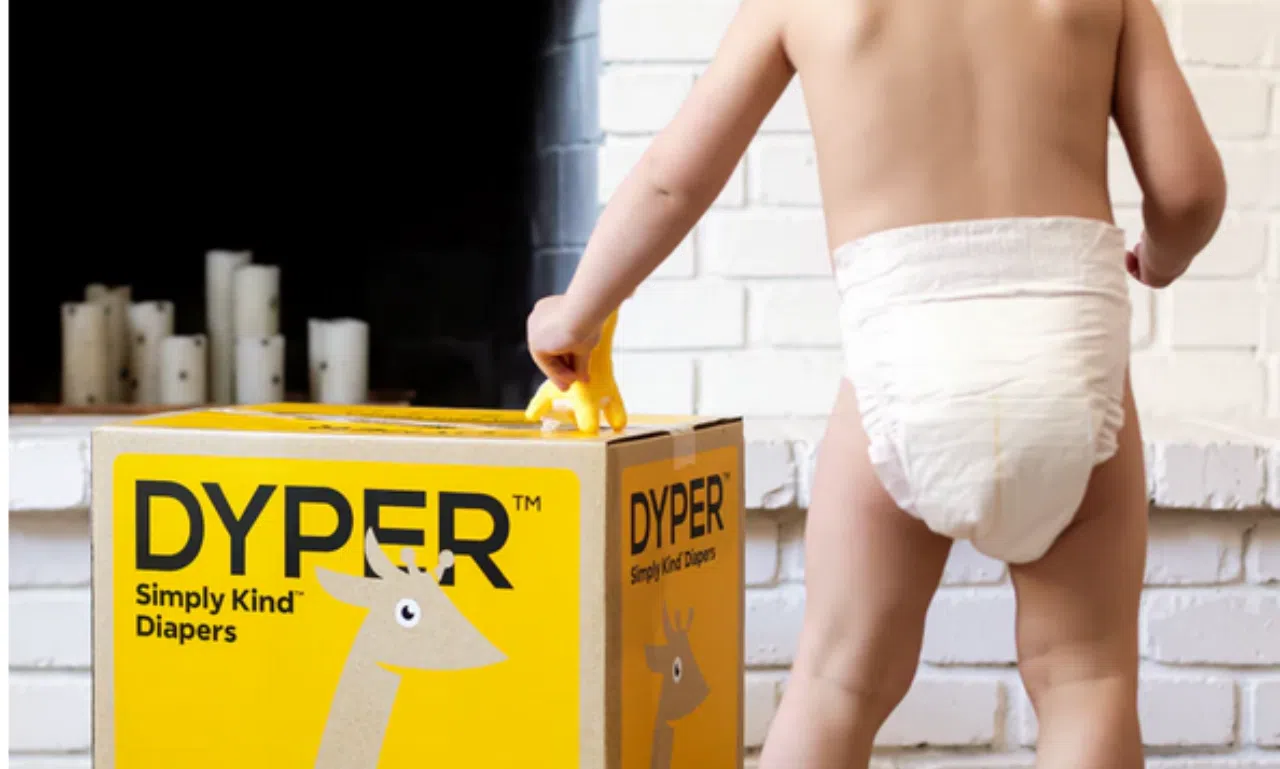
Dyper’s "plants over plastic" philosophy extends to their packaging as well. The company actively seeks to minimize its environmental footprint by utilizing sustainable materials wherever feasible in its packaging solutions. This holistic approach to sustainability reinforces their commitment to reducing environmental impact across the entire product lifecycle. Ultimately, Dyper aims to eliminate the perceived trade-off between functional, high-performing diapers and environmentally conscious choices, offering a comprehensive solution that supports both the well-being of babies and the health of the planet.
Making Sustainable Diapering Accessible and Convenient
Dyper offers a flexible purchasing model, catering to diverse parental needs through both subscription services and one-time purchases. Their products are available in a wide range of sizes, ensuring a proper fit for babies at every stage of development. For parents in areas where the REDYPER program is operational, the company provides a convenient weekly or bi-weekly pickup service for used diapers and wipes. This service is a critical component in facilitating the composting process and further diverting waste from landfills.
By partnering with specialized composting facilities, Dyper ensures that the materials are processed responsibly. This logistical framework allows for the efficient breakdown of compostable components, with any remaining materials being removed and managed appropriately. The substantial amount of waste diverted by the REDYPER program underscores the effectiveness of their innovative approach to diaper disposal and waste management.
In choosing Dyper, consumers are not merely selecting a high-performing diaper; they are actively embracing a brand that champions sustainability, transparency, and superior baby care. This commitment resonates with a growing segment of consumers who are increasingly prioritizing ethical and environmentally responsible products for their families. The company’s proactive stance on ingredient transparency, material sourcing, and end-of-life solutions sets a new standard in the diaper industry, demonstrating that it is possible to balance the practical needs of parenting with a deep commitment to environmental stewardship. The continued growth and innovation within companies like Dyper suggest a promising future where convenience and sustainability are not mutually exclusive, but rather integral components of essential baby care products.