
 Indra Kusuma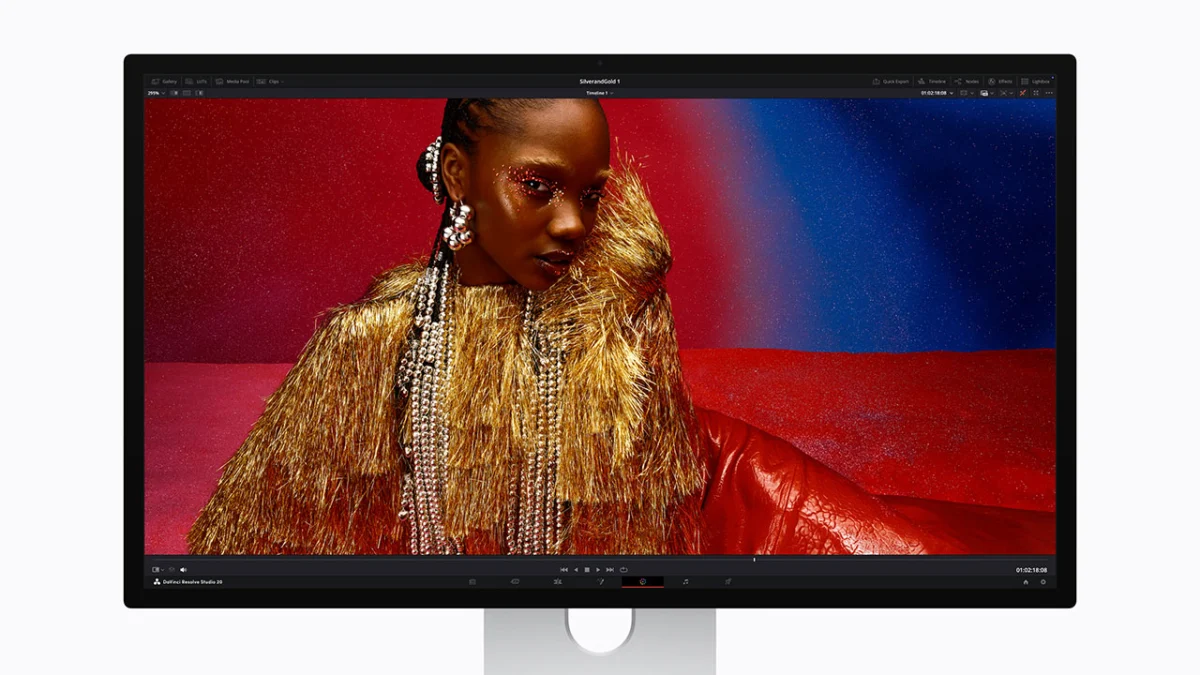
Apple has officially unveiled its expanded Studio Display family, a significant strategic move poised to redefine the digital workspace for creative professionals and demanding users. This latest iteration of desktop monitors, comprising the Studio Display and the more advanced Studio Display XDR, solidifies Apple’s vision of the screen as the central nexus for creative exchange, where high-fidelity visuals, integrated communication tools, and robust connectivity converge to shape how users interact with and process an ever-increasing deluge of information. The announcement signifies a carefully considered evolution in Apple’s display strategy, moving beyond passive surfaces to actively facilitate complex workflows.
A Legacy of Innovation: Apple’s Journey in Professional Displays
To fully appreciate the significance of the new Studio Display family, it’s essential to contextualize it within Apple’s rich history of crafting high-quality displays for professionals. Apple’s commitment to visual excellence dates back decades, with iconic products like the Apple Cinema Display line, which consistently set industry benchmarks for design and picture quality. The 2011 Thunderbolt Display, a personal stalwart for many long-time users, represented a crucial step forward, integrating I/O capabilities directly into the monitor, making it a hub for peripherals and connectivity. This foresight laid the groundwork for the modern integrated display concept.
Following the discontinuation of the original Thunderbolt Display, Apple’s high-end display offering diversified. In 2019, the company introduced the Pro Display XDR, a groundbreaking professional reference monitor designed for the most demanding workflows in film, video, and photography, offering extreme dynamic range and unparalleled color accuracy. However, there remained a significant gap in Apple’s lineup for a high-performance, integrated display positioned below the ultra-premium Pro Display XDR but above consumer-grade options. The new Studio Display family directly addresses this market need, catering to a broader segment of creative professionals, developers, and power users who require exceptional visual quality and integrated functionality without necessarily needing the absolute top-tier reference capabilities of the Pro Display XDR. This strategic expansion signals Apple’s renewed focus on providing tailored display solutions across various professional tiers, reinforcing its ecosystem for creative and technical work.
The Studio Display: An Integrated Hub for Modern Workflows
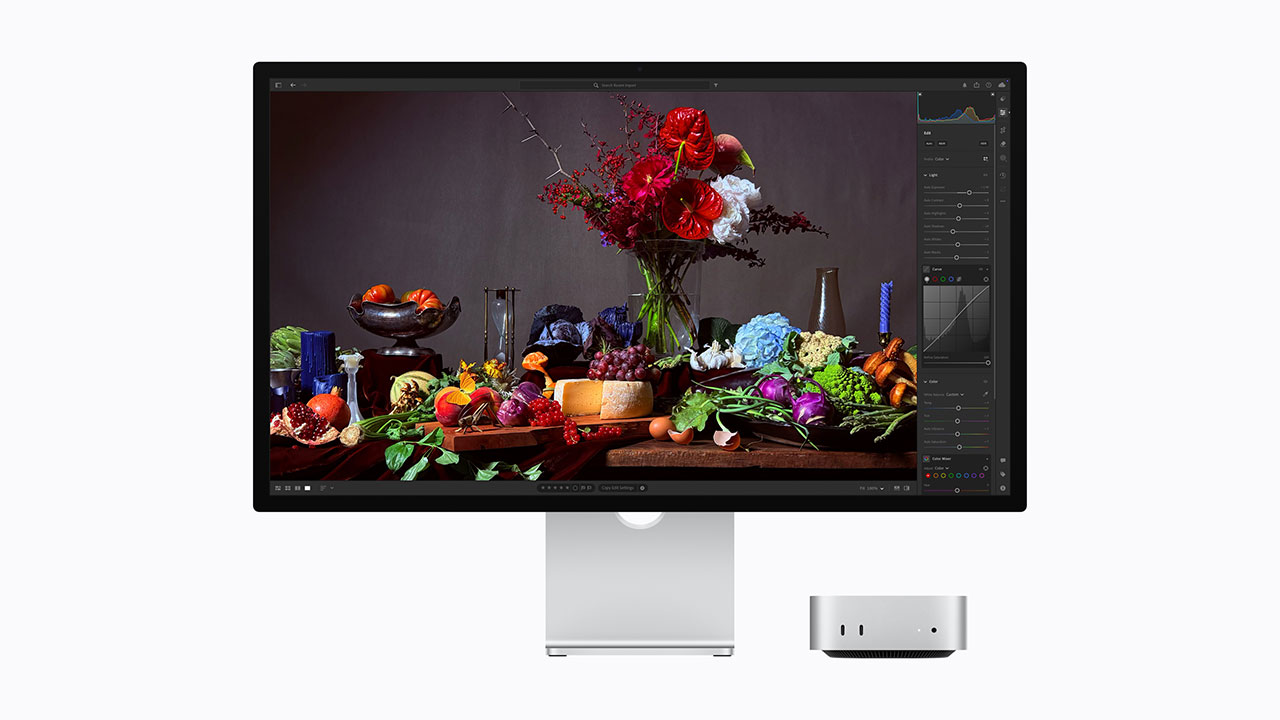
At its entry point, the updated Studio Display fundamentally reframes the desktop monitor, transforming it into a sophisticated, integrated communications and creative hub. Anchoring this experience is a stunning 27-inch 5K Retina panel, boasting an impressive resolution of more than 14 million pixels. This pixel density is a critical factor in delivering the "Retina" experience, where individual pixels are indistinguishable at a normal viewing distance, resulting in incredibly sharp text, intricate details, and lifelike imagery. For professionals, this means a significantly expanded canvas for detailed work, reducing the need for constant zooming and panning in applications like graphic design, photo editing, and software development.
Unparalleled Visual Fidelity
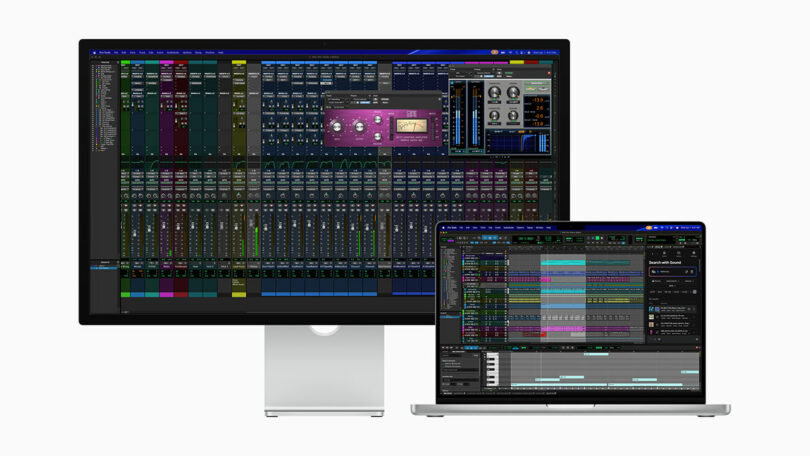
The display’s visual performance is meticulously calibrated for clarity and continuity, ensuring that user attention, retention, and responsiveness are embedded outcomes. Beyond sheer pixel count, the Studio Display offers a balanced brightness of 600 nits, providing excellent visibility even in well-lit environments, while maintaining comfort during prolonged usage. Crucially, it supports the P3 wide color gamut, an industry standard for professional content creation. The P3 gamut encompasses a significantly broader range of colors than the sRGB standard, allowing for more vibrant, accurate, and true-to-life color reproduction. This is indispensable for designers, photographers, and video editors who rely on precise color representation for their work, ensuring that what they see on screen is faithful to the final output. The harmonious interplay of high pixel density, optimal brightness, and a finely tuned color profile prioritizes both legibility and vibrancy, reducing the potential for eye fatigue and strain that often accompanies extended screen time. Apple’s commitment to human-centric design is evident here, recognizing that performance is ultimately measured in terms of user comfort and sustained productivity.
Bridging Communication and Creativity

One of the most innovative aspects of the Studio Display is its seamless integration of advanced communication technologies, effectively transforming it from a mere output device into a multi-directional interface. The inclusion of a 12MP Ultra Wide camera with Center Stage technology is a game-changer for remote collaboration and virtual meetings. Center Stage intelligently uses machine learning to keep users perfectly framed during video calls, even as they move around their workspace. This dynamic capability creates a more natural and engaging video conferencing experience, minimizing distractions and enhancing presence. Furthermore, the camera’s "Desk View" feature, if activated, allows for the sharing of a top-down view of a user’s desk, facilitating demonstrations or collaborative reviews of physical documents and objects – a subtle yet powerful addition for interactive workflows.
Complementing the visual prowess is a sophisticated audio system. The Studio Display incorporates studio-quality microphones, often featuring beamforming technology to focus on the user’s voice while actively suppressing background noise. This ensures crystal-clear audio transmission, vital for professional communications. Moreover, a six-speaker sound system with Spatial Audio creates an immersive auditory experience. Spatial Audio, by simulating a three-dimensional soundscape, enhances everything from video calls to multimedia consumption and even allows for more precise audio monitoring in certain creative applications. These integrated features collectively establish the display as a genuine "site of presence," blurring the lines between the digital and physical realms of interaction.

Seamless Connectivity and Ergonomics
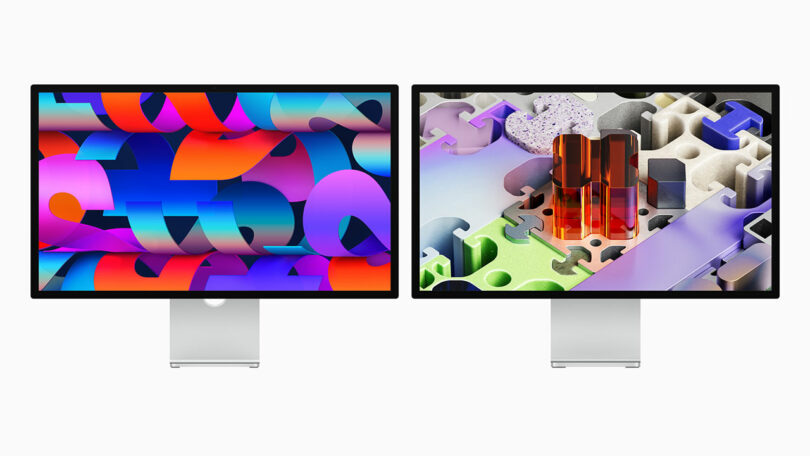
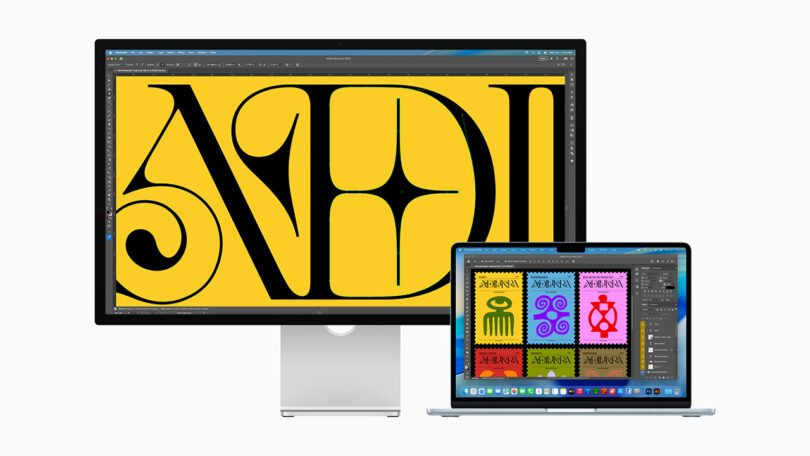
Connectivity is another cornerstone of the Studio Display’s design philosophy. Equipped with Thunderbolt 5 technology, the display becomes an infrastructural component of the modern workspace. This single high-bandwidth port allows for remarkable versatility: users can daisy-chain up to four Studio Displays, creating an expansive, continuous visual field for multitasking and complex project management. Beyond display extension, the Thunderbolt 5 port also supports a wide array of high-speed peripherals, from external SSDs and RAID arrays to professional audio interfaces, all connected through a single cable to the host device. Critically, this same cable delivers up to 96W of charging power, capable of fast-charging compatible MacBook models, thereby simplifying cable management and streamlining the desktop environment. This level of integrated connectivity liberates the workspace, allowing for a more modular and adaptable setup that can be modulated across multiple surfaces without clutter or compromise.

The physical design of the Studio Display also emphasizes user comfort and adaptability. While the original text doesn’t detail stand options, Apple typically offers various configurations, including a tilt-adjustable stand, a tilt- and height-adjustable stand, and a VESA mount adapter. These options ensure that users can customize the display’s position to suit their ergonomic needs, further contributing to reduced physical strain during long work sessions.
The Studio Display XDR: Pushing the Boundaries of Professional Visualization

If the Studio Display expands the everyday screen into an integrated hub, the all-new Studio Display XDR recalibrates what a professional interface can truly achieve, setting a new benchmark for critical viewing environments. Building upon the 27-inch 5K Retina panel, the XDR variant introduces Extreme Dynamic Range (XDR) capabilities, elevating it to a true reference-grade monitor for the most demanding creative tasks.
Extreme Dynamic Range and Unrivaled Contrast

The core of the Studio Display XDR’s superior performance lies in its advanced backlighting technology. It utilizes a mini-LED backlight system, comprising over 2,000 local dimming zones. Unlike traditional LED backlights that illuminate large areas, mini-LEDs allow for much finer control over brightness and contrast across the screen. Each local dimming zone can be individually brightened or dimmed, enabling the display to achieve incredibly deep blacks and dazzling highlights simultaneously. This technology allows the Studio Display XDR to reach an astonishing 2000 nits of peak HDR (High Dynamic Range) brightness and deliver an exceptional 1,000,000:1 contrast ratio. The result is ultra-bright and ultra-crisp images that reveal details previously hidden in shadows or overexposed areas, bringing a new level of realism and impact to visual content. For colorists, cinematographers, and visual effects artists, this means being able to work with HDR content in its native format, ensuring accurate representation of dynamic range and color volume throughout the production pipeline.
Fluid Motion and Pinpoint Accuracy

The implications of these advancements for attention and accuracy are profound. The Studio Display XDR features a 120Hz refresh rate with Adaptive Sync technology (Apple’s ProMotion). This high refresh rate ensures that motion on screen is incredibly fluid and responsive, significantly reducing visual friction and cognitive lag. For tasks involving fast-moving graphics, animation, video playback, or even simply scrolling through complex timelines in editing software, the smoother motion translates into a more comfortable and precise viewing experience. Adaptive Sync dynamically adjusts the refresh rate to match the frame rate of the content, further eliminating screen tearing and stuttering, which is crucial for professional video editing and gaming development.
Expanded color support positions the Studio Display XDR as an indispensable reference surface. It offers an even broader color space than the standard Studio Display, often including support for various professional color standards beyond P3, allowing even subtle shifts in tone or contrast to be read with absolute precision. This level of color accuracy is paramount for professionals who require a display to be a faithful representation of their creative intent, such as those working in film post-production, print pre-press, or scientific visualization where minute color differences carry significant meaning. Whether navigating dense timelines in video editing software like DaVinci Resolve or Adobe Premiere, parsing complex datasets, or rendering immersive 3D environments in applications like Houdini or Autodesk Flame, the Studio Display XDR transforms into a finely tuned instrument calibrated for sustained focus and interpretive clarity.

Strategic Positioning and Market Response
The introduction of the Studio Display family comes at a time when the demand for high-performance displays is surging across various industries. The proliferation of digital content creation, the rise of remote and hybrid work models, and the increasing complexity of professional software applications have made sophisticated displays more critical than ever. Industry analysts are likely to view Apple’s move as a well-timed and strategic response to this evolving market landscape.

For years, creative professionals operating within the Apple ecosystem have expressed a desire for a display that strikes a balance between the high cost of the Pro Display XDR and the limitations of consumer-grade monitors. The Studio Display, with its integrated webcam, speakers, and robust connectivity, fills this void perfectly, offering a compelling all-in-one solution. The Studio Display XDR, meanwhile, directly challenges other high-end professional monitors, leveraging Apple’s integrated hardware and software expertise to deliver a cohesive and optimized experience. This dual-pronged approach allows Apple to capture a wider segment of the professional market, strengthening its foothold against competitors.
The emphasis on "human terms" – reducing eye fatigue, enhancing attention, and improving retention – resonates deeply with the realities of modern professional life. As screen time continues to dominate our daily existence, the ergonomic and physiological impact of display technology becomes increasingly important. Apple’s focus on these aspects, alongside raw technical specifications, underscores a holistic approach to product design that prioritizes user well-being and long-term productivity.

The Future of Creative Exchange: Beyond the Screen
Across both the Studio Display and Studio Display XDR models, Apple’s overarching philosophy is clear and consistent: the screen is no longer merely a passive canvas where content appears; it is the dynamic epicenter where diverse workflows converge and interact. Camera, audio, advanced connectivity, and powerful computation are meticulously integrated into a single, elegant plane, transforming the display into a highly responsive and adaptive environment. This integration is designed to be acutely attuned to the subtle nuances of human perception and productivity, addressing the challenges and opportunities presented by the ever-increasing proliferation of technology in our lives.

The Studio Display family represents more than just new monitors; it symbolizes Apple’s continued vision for the future of creative and professional work. By seamlessly blending cutting-edge display technology with powerful communication and connectivity features, Apple is not just enhancing individual tools but redefining the entire digital workspace. These displays are engineered to empower professionals to create, collaborate, and innovate with unprecedented clarity, efficiency, and comfort, ensuring that the human element remains at the core of technological advancement.
To explore the full range of Apple’s latest innovations and to shop for the Studio Displays, please visit apple.com.

Photography courtesy of Apple.







