rifanmuazin
Without engagement, social media is just media, a sentiment that resonates deeply with anyone who has ever felt their carefully crafted content vanish into the digital ether, eliciting little more than a perfunctory "like" from a close relation. This experience, often described as shouting into a void, can be profoundly demoralizing, leading creators and brands alike to question their strategies, timing, the inscrutable algorithms, and even the fundamental purpose of their online presence. Yet, amidst this challenge lies a significant opportunity for those willing to adapt and understand the true mechanics of interaction in the digital age.
The evolving landscape of social media increasingly demands a sophisticated approach to engagement. It is no longer sufficient to simply publish; true success hinges on fostering meaningful two-way interactions that convert passive viewers into active participants and, ultimately, into a loyal community. Recent research, notably Buffer’s comprehensive "State of Social Media Engagement report," sheds critical light on this dynamic, providing both a definition of engagement and actionable strategies to cultivate it. The report, which analyzed tens of millions of posts across major platforms, underscores a crucial finding: the most potent driver of engagement is fundamentally human—people talking to people.
Defining Engagement in the Evolving Digital Sphere
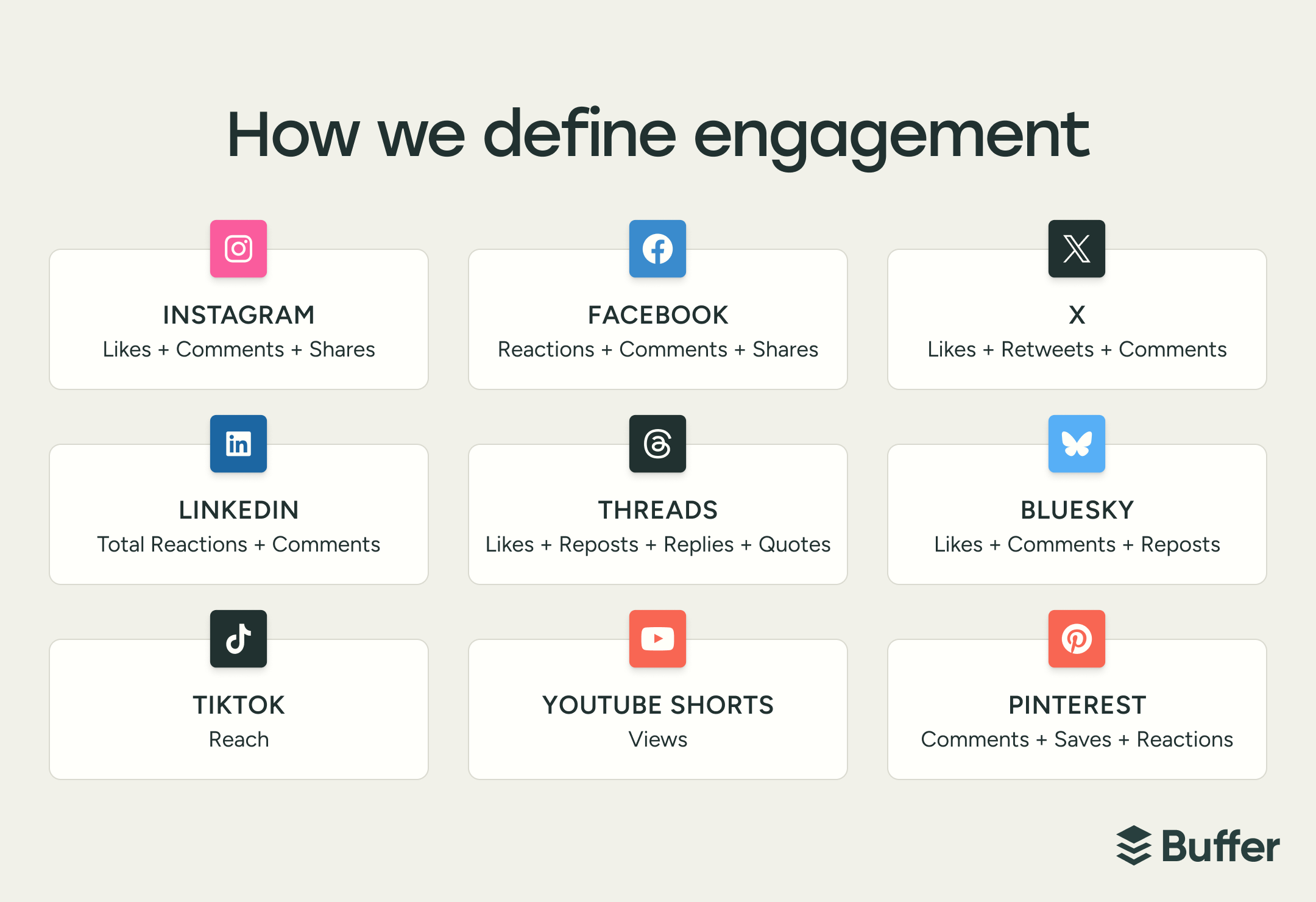
Social media engagement is the measure of how users actively interact with content and brands across various platforms. This extends beyond simple viewership to encompass a range of actions, including likes, comments, shares, saves, and replies. Unlike metrics such as reach (the number of unique users who saw content) or impressions (the total number of times content was displayed), engagement signifies active participation. It is the definitive signal that a piece of content resonated sufficiently to prompt a user to pause, even for a fraction of a second, and take a deliberate action.

However, the concept of engagement is inherently a two-way street. While users interact with content, the creator’s reciprocal interaction with their audience is equally, if not more, vital. Many traditional social media strategies often overlook this reciprocal element, focusing solely on broadcasting content rather than fostering dialogue. The Buffer report highlights this oversight as a significant untapped opportunity, revealing the profound impact of creator participation in the conversation.
Furthermore, the definition and weighting of "engagement" vary considerably across platforms. LinkedIn, for instance, incorporates clicks into its engagement rate calculations, reflecting its professional networking focus. Instagram has increasingly shifted its primary success metric towards views, particularly for video content, indicating an algorithmic preference for consumption over traditional interactions. TikTok measures engagement as a percentage of reach, while newer platforms like Bluesky and Mastodon often rely on raw interaction counts. Consequently, a "3% engagement rate" on LinkedIn and the same rate on X (formerly Twitter) represent fundamentally different performance indicators, making direct cross-platform comparisons misleading without proper context.
The Critical Imperative: Why Engagement Drives Success
Reach and follower counts, often considered vanity metrics, capture significant attention, but it is engagement that truly indicates the efficacy of a social media strategy. Its importance spans multiple critical dimensions:
- Algorithmic Amplification: Social media algorithms are designed to prioritize and amplify content that generates high engagement. When a post elicits numerous comments, shares, and saves, it signals to the platform that the content is valuable and relevant, prompting wider distribution to more users. This organic reach is invaluable in an era of diminishing free exposure.
- Audience Connection and Community Building: Engagement is the primary mechanism through which followers evolve into a loyal community. Active interaction builds trust, fosters a sense of belonging, and strengthens the relationship between the creator/brand and their audience. This transformation from passive consumer to active participant is crucial for long-term brand advocacy and customer loyalty. As one industry analyst noted, "Engagement is the currency of connection. Without it, you’re merely a billboard in a crowded city."
- Invaluable Audience Research: The patterns of engagement provide a rich, unfiltered source of audience intelligence. Analyzing which topics spark comments, which formats generate shares, or what questions are frequently asked offers direct insights into audience preferences, pain points, and interests. This qualitative data is often more insightful than quantitative metrics alone, enabling creators to refine their content strategy to better serve their community.
- Conversion and Business Impact: Ultimately, engagement translates into tangible business outcomes. A highly engaged audience is more likely to convert into customers, subscribers, or clients. The trust built through consistent, meaningful interactions reduces sales friction and increases the likelihood of desired actions, from website clicks to product purchases.
Reach represents the platform’s favor, but engagement signifies the audience’s choice. It is a deliberate act of valuing and interacting with content, making it a far more powerful indicator of sustained success.
Navigating the Metrics: Understanding Engagement Rate and Beyond
Before any attempts to enhance engagement, a clear understanding of what is being measured and the meaning behind the numbers is essential.
Engagement Rate (ER): The Go-To Metric
The engagement rate is typically calculated by dividing total engagements (likes + comments + shares + saves) by either the total follower count or total impressions, then multiplying by 100.
- Follower-based ER: This metric reveals how effectively an existing audience is being activated. It is particularly useful for assessing community loyalty and content resonance among current followers.
- Impression-based ER: This metric indicates how well content converts passive viewers into active participants. It is valuable for understanding the immediate appeal and effectiveness of content at capturing attention as it appears in feeds.
Both calculations are valid, but consistency is key for meaningful benchmarking and comparison.
The Weighted Value of Interactions:
Not all engagements are created equal. A "like" requires a single tap, representing minimal effort. A "comment" demands thought and intention. A "share" or "repost" signifies that a user is willing to publicly endorse content by putting their name behind it. A "save" indicates a desire to revisit the content, highlighting its perceived long-term value. Platforms are acutely aware of these distinctions, and their algorithms typically weight higher-effort interactions more heavily. This is why a post with 20 thoughtful comments often garners more algorithmic favor and extended reach than one with 200 superficial likes.
The four engagement signals warranting particular attention are:
- Comments: Indicate active thought and dialogue.
- Shares/Reposts: Amplify reach and vouch for content quality.
- Saves: Signal high value and intent to revisit.
- Replies (from creator): Crucial for fostering community and algorithmic boost.
Reach vs. Engagement: A Deeper Dive:
The interplay between reach and engagement offers critical diagnostic insights:
- High Reach, Low Engagement: This scenario suggests content is being widely distributed but fails to resonate. It might indicate targeting issues, uncompelling content, or misalignment with audience interests. The content is served, but no one truly cares.
- High Engagement, Low Reach: This indicates content that deeply resonates with a smaller, highly invested audience. While reach might be limited initially, this strong engagement forms an excellent foundation for organic growth and community building, as these dedicated users are likely to share and advocate for the content.
For context on what constitutes "good" engagement, benchmarking against platform averages is crucial. Buffer’s report provides updated platform-by-platform benchmarks, which are essential for setting realistic expectations and evaluating performance accurately.
A Landscape of Disparity: Platform-Specific Engagement Benchmarks
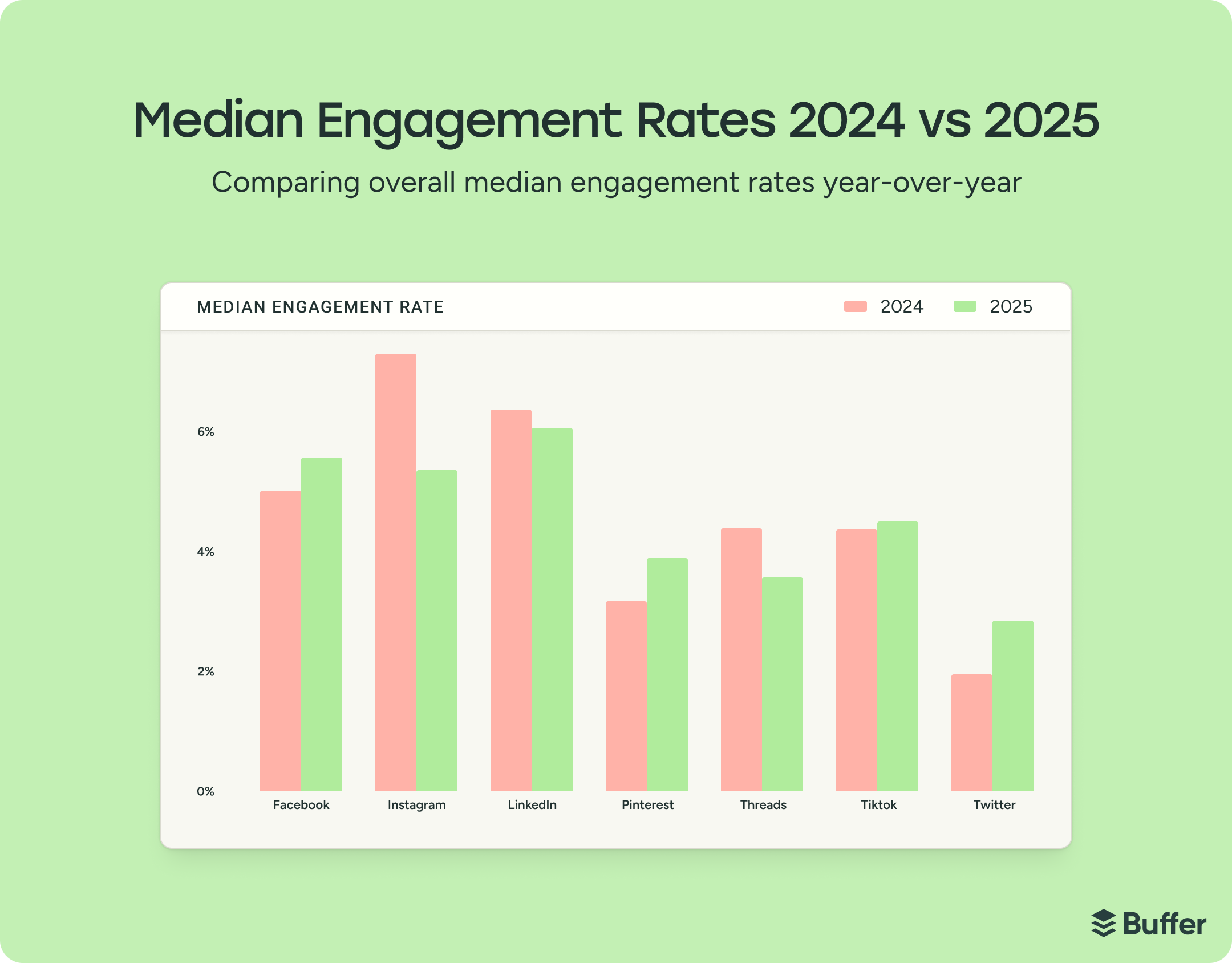
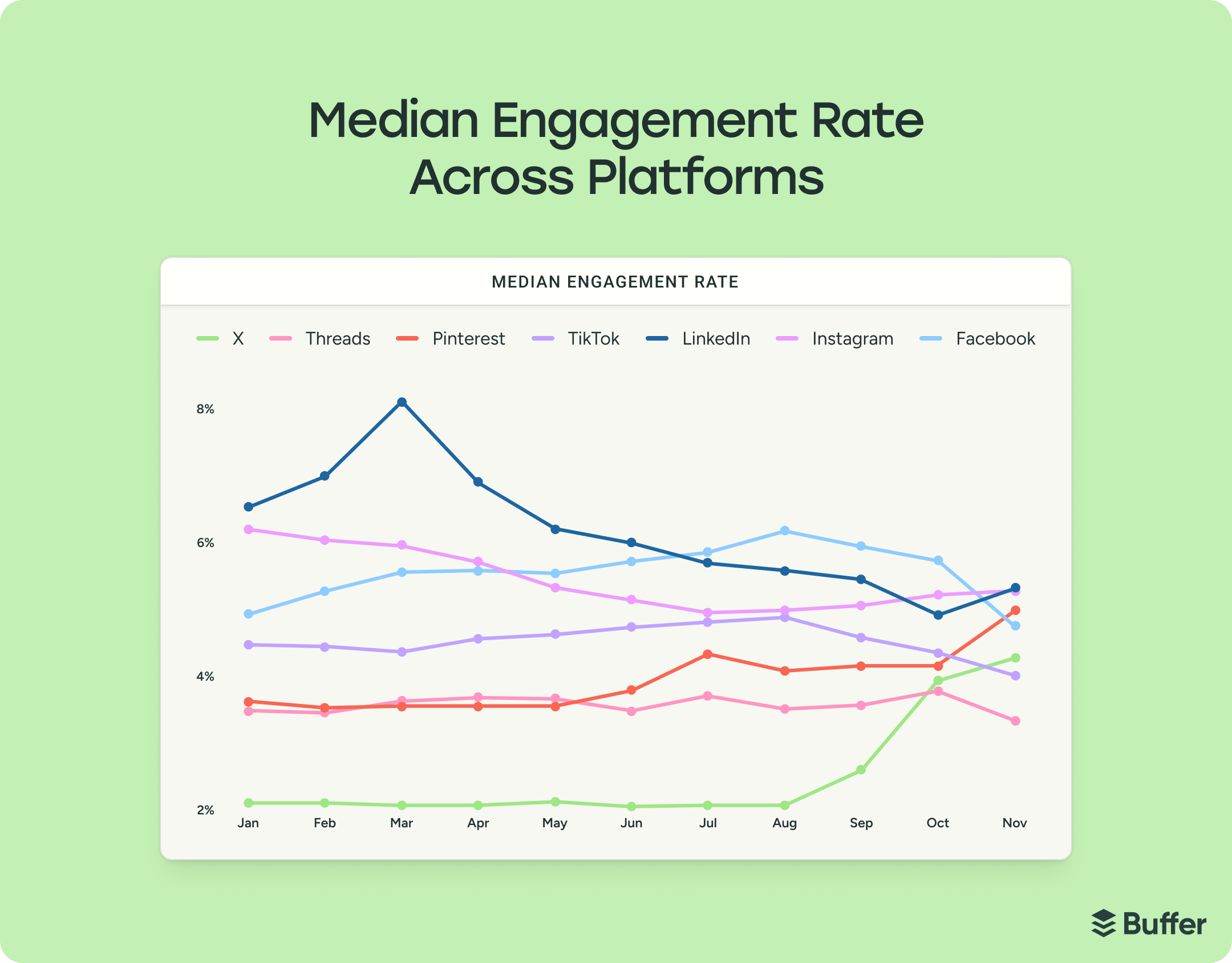
The digital ecosystem is far from uniform; engagement rates vary dramatically across platforms, influenced by user demographics, platform design, and content conventions. Buffer’s "State of Social Media Engagement report" reveals distinct tiers in typical engagement rates:
- LinkedIn: Approximately 6.2%
- Facebook: Approximately 5.6%
- Instagram: Approximately 5.5%
- TikTok: Approximately 4.6%
- Pinterest: Approximately 4.0%
- Threads: Approximately 3.6%
- X (formerly Twitter): Approximately 2.5%
These figures highlight that a 4% engagement rate, while underperforming on LinkedIn, would be considered exceptional on X. Without this contextual understanding, marketers risk misallocating resources or drawing incorrect conclusions about content performance.
Moreover, these baselines are not static. The report identified significant year-over-year shifts: X experienced a remarkable ~44% jump, Pinterest rose ~23%, and Facebook climbed ~11%. Conversely, Instagram saw a ~26% drop, Threads fell ~18%, and LinkedIn dipped ~5%. Julian Winternheimer, Buffer’s data lead, cautions that "Dramatic swings often reflect changes in who’s posting or how metrics are defined, not necessarily genuine performance shifts." For instance, X’s significant percentage gain, while impressive, originated from a low base and did not alter its overall position as a platform with lower median engagement. Instagram’s drop, similarly, could be attributed to its ongoing "identity shift" towards prioritizing views, thereby redefining what "high performing" entails on the platform.
Algorithmic Imperatives: Tailoring Content to Platform Logic
Every social media platform operates under its own distinct algorithmic logic, which dictates what content gets seen and amplified. Understanding these underlying mechanisms is paramount for crafting content that aligns with platform incentives rather than working against them.
- Threads: The Threads algorithm is fundamentally built around conversation and value-driven content. It actively promotes posts that spark replies and utilizes tags to connect users with shared interests. For creators, this means content that invites discussion and provides genuine value will be favored.
- YouTube: In stark contrast, YouTube’s algorithm prioritizes watch time and viewer retention. It recommends content based on user viewing history and expressed interests. Engagement in the form of comments, while welcome, plays a secondary role compared to the duration and consistency of content consumption. A YouTube creator can thrive without extensive comment engagement, a stark difference from Threads.
- Instagram: Instagram is undergoing a significant transformation, increasingly emphasizing video views as its primary metric of success. This shift implies that traditional engagement rate formulas, heavily reliant on likes and comments, may not fully capture what the platform’s algorithm now optimizes for. The observed 26% year-over-year drop in Instagram’s engagement rate in Buffer’s report likely reflects this recalibration of algorithmic priorities rather than a universal decline in content quality.
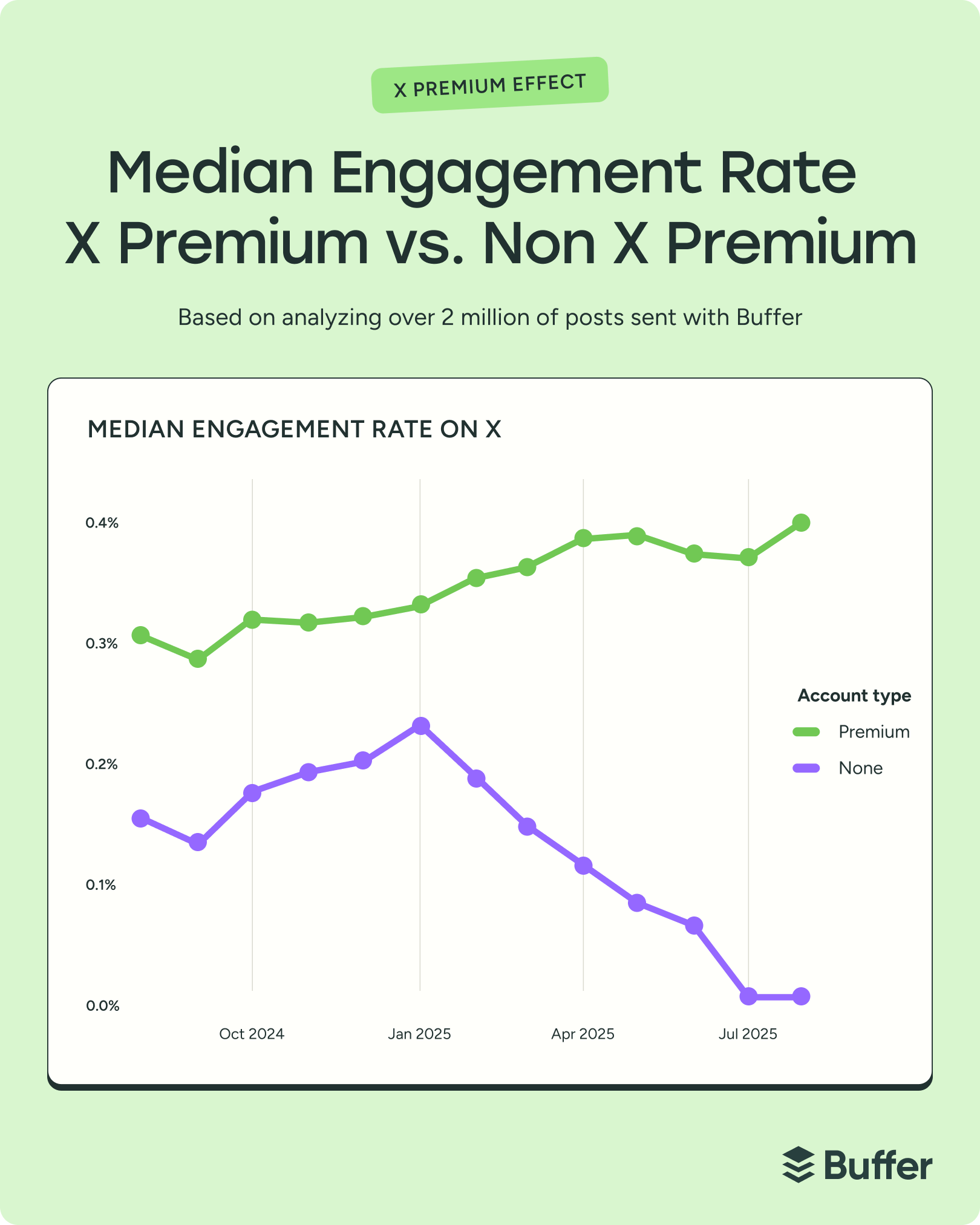
- X (formerly Twitter): The introduction of X’s Premium tier has created a structural divide in content visibility and engagement. Post-January 2025 data shows a sharp divergence: Premium accounts experienced a rise in engagement rates, while non-Premium accounts saw a decline, with median engagement rates for the latter sometimes hitting 0%. This illustrates how platform monetization strategies can directly impact content distribution for different user segments.
A successful social media strategy necessitates a deep understanding of each platform’s unique culture, mechanics, and algorithmic preferences. Rather than attempting to master every platform simultaneously, a more effective approach is to focus on one or two key platforms where the target audience is most active, tailoring content and engagement strategies specifically for those environments.
Strategic Pillars for Elevating Engagement
With a foundational understanding of engagement metrics and platform algorithms, the next step involves implementing strategies that consistently "move the needle." These can be broadly categorized into understanding one’s baseline, creating compelling content, and actively participating in the conversation.
Understanding Your Baseline
Before any strategic changes, establishing a clear picture of current performance is crucial.
-
Leverage Analytics for Insightful Discovery:
Social media analytics are the starting point for understanding content performance. Regularly dedicating time to analyze data reveals patterns beyond surface-level metrics. Which posts generated the most comments? Did specific topics lead to higher saves? Are users sharing content, or merely liking it? These distinct signals point to different forms of value. A post with high shares but modest comments might indicate broad appeal, while one with many saves but limited reach suggests deep resonance with a niche audience. Understanding the type of engagement, not just the quantity, transforms analytics from a vanity exercise into a strategic tool. Qualitative data, gleaned from reading comments and direct messages, often provides even richer insights, revealing audience questions, recurring themes, and genuine sentiment. -
Benchmark Against Platform-Specific Norms:
One of the quickest ways to misinterpret performance is by comparing engagement rates across platforms as if they were equivalent. As highlighted by the Buffer report, typical engagement rates vary significantly (e.g., LinkedIn’s ~6.2% vs. X’s ~2.5%). Without this context, a creator might mistakenly abandon a well-performing platform or over-invest in one where their content is actually underperforming. These baselines are also dynamic, necessitating regular consultation of updated benchmarks to maintain realistic expectations. -
Decipher Platform Algorithm Rewards:
Each platform’s algorithm rewards specific behaviors. Threads amplifies conversation, YouTube prioritizes watch time, and Instagram is increasingly focused on views. Understanding these inherent biases allows creators to align their content strategy with the platform’s design, rather than fighting against it. For example, a creator aiming for growth on Threads should prioritize content that invites discussion, whereas on YouTube, the focus should be on captivating viewers for longer durations. This strategic alignment is a foundational element of effective engagement.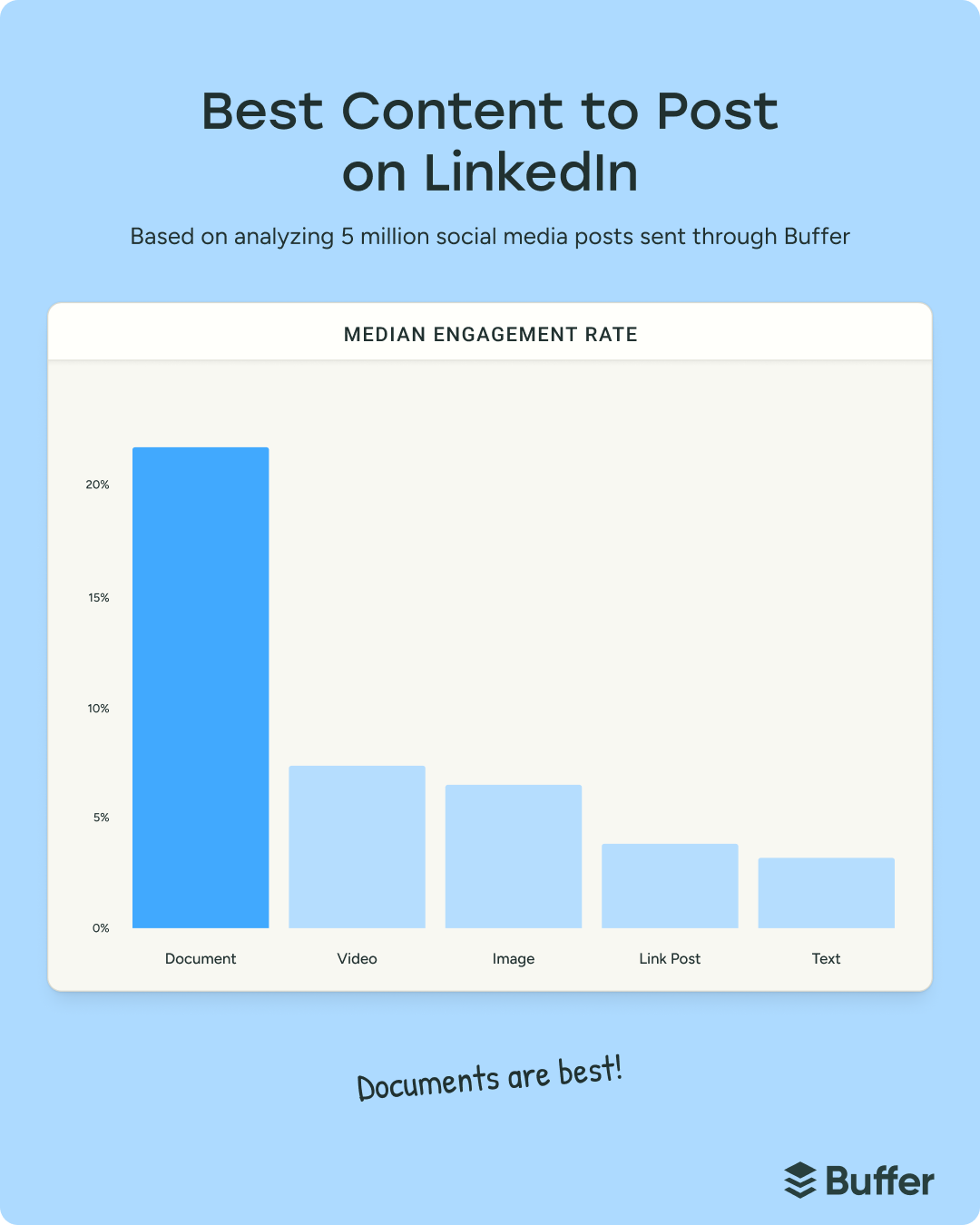
Creating Content That Earns Engagement
Once the landscape is understood, the focus shifts to content creation itself.
-
Optimize Formats for Each Platform:
The assumption that a successful content format on one platform will automatically translate to another is a common pitfall. Data consistently shows significant variations. On LinkedIn, for example, documents, carousels, and image posts often outperform video, driven by a professional audience seeking digestible information. Threads, being text-forward, sees high engagement on text-only posts and images that complement concise messages. Instagram, while heavily pushing Reels, still sees strong engagement for carousels in terms of saves and comments, indicating a user preference for multi-slide content for deeper engagement. Tailoring formats to platform-specific user behavior and algorithmic preferences is crucial. -
Strategically Leverage Trends:
Tapping into trending content allows creators to join existing conversations and reach new audiences. This involves two types of trends:- Industry Trends: These are conversations and themes gaining traction within a specific niche (e.g., AI in tech, sustainable fashion). They typically have a longer shelf life and attract highly relevant audiences.
- Platform Trends: These are the viral memes, trending audios, and challenges unique to each app. They offer significant short-term reach boosts as algorithms actively push trending content into discovery feeds.
The most effective use of trends involves adding a unique, relevant take rather than mere replication, ensuring content remains memorable and valuable to the target audience.
-
Develop Engaging Content Series:
Moving beyond isolated posts, creating content series—recurring formats built around a single theme, posted consistently—is an underutilized engagement strategy. Series build audience anticipation, foster habit formation, allow for deeper exploration of topics, and provide a framework for consistent content creation. They help creators avoid the "blank canvas" dilemma, ensuring a steady stream of valuable content that encourages return visits. Mining top-performing standalone posts for series potential is an excellent starting point, as audience engagement signals often reveal topics with lasting appeal.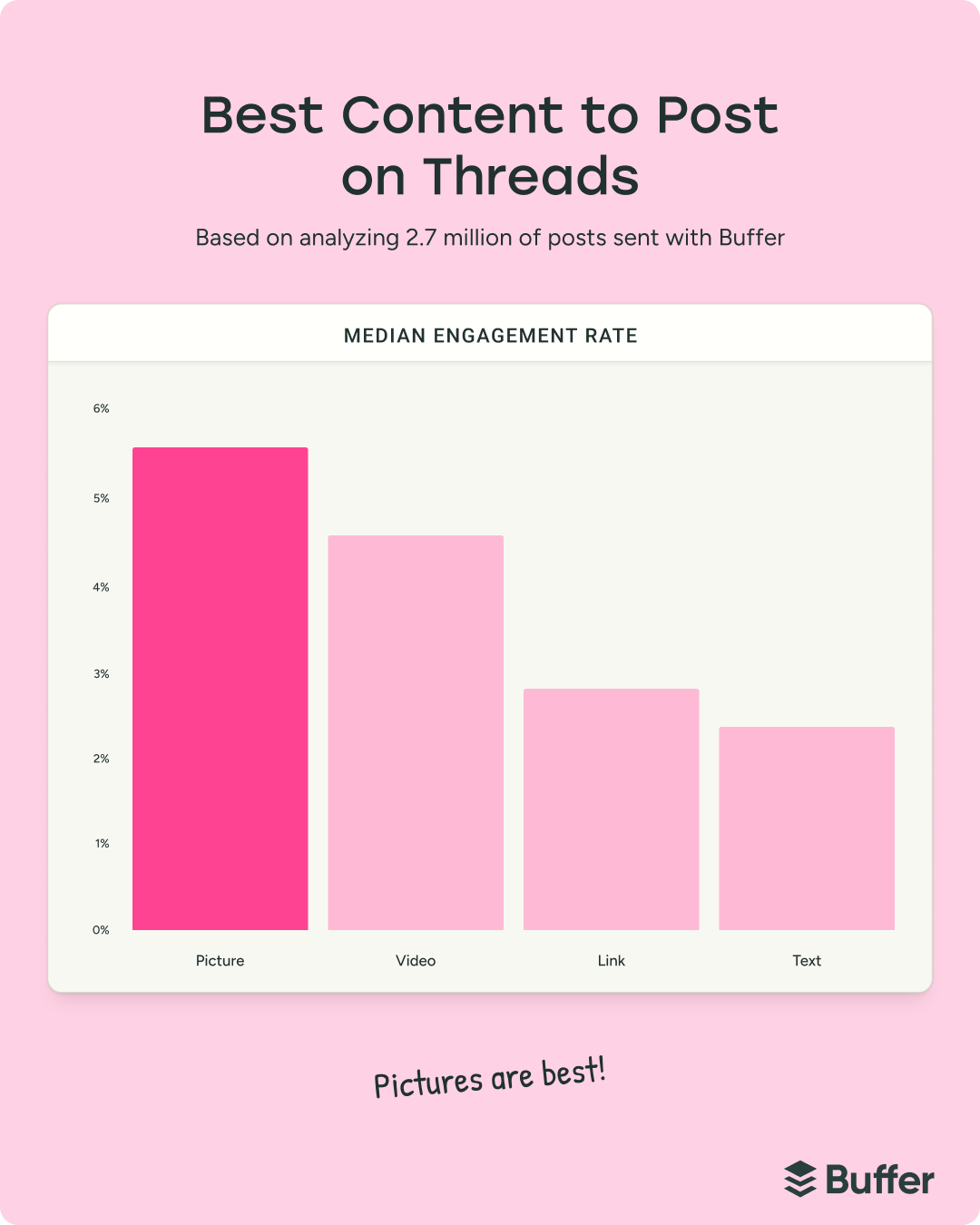
-
Prioritize Consistent Posting:
Data overwhelmingly supports the importance of consistency. Buffer’s analysis of millions of channel-week observations revealed a "no-post penalty": accounts that failed to post in a given week consistently underperformed their baseline growth rates. While posting more frequently generally leads to greater aggregate growth, the most critical threshold is simply any posting over no posting. Consistency, even at a lower frequency, outperforms sporadic bursts of high volume followed by silence. The goal is a sustainable cadence that maintains quality and presence without leading to creator burnout.
Building Relationships Through Participation
This is where engagement transcends mere metrics and becomes about genuine human connection.
-
The Unignorable Imperative: Reply to Comments:
Perhaps the most compelling finding from Buffer’s research is the direct correlation between creator replies and heightened engagement. Across nearly 2 million posts from over 220,000 accounts on six platforms, posts where creators consistently replied to comments significantly outperformed those where they did not. The estimated engagement lift was substantial: up to 42% on Threads, 29% on LinkedIn, 18% on Instagram, 14% on Facebook, 11% on TikTok, and 6% on X. While causality cannot be definitively proven, the consistency of this pattern across diverse platforms strongly suggests a powerful link.
This effect is most pronounced on conversation-centric platforms like Threads and LinkedIn, where interfaces explicitly highlight replies. Beyond algorithmic benefits, the act of responding signals to users that a human is behind the account, fostering reciprocity and encouraging future interactions. Suzanne Kelly, Operations Manager at Buffer, corroborates this, stating that her best-performing content consistently aligns with her active participation in the comments section. Blocking dedicated time post-publication for comment responses is a simple yet profoundly impactful strategy. -
Design Content for Dialogue and Participation:
The most engaging content often isn’t the most polished, but rather that which genuinely invites audience participation. Asking open-ended questions, running polls, hosting Q&As, or directly soliciting feedback creates a powerful engagement flywheel: audience responses become new content ideas, which in turn generate more responses. Platforms like Instagram and TikTok facilitate this with features allowing creators to reply to comments with new video content, effectively co-creating with their audience. This approach transforms the audience from passive consumers into active contributors, deepening their investment.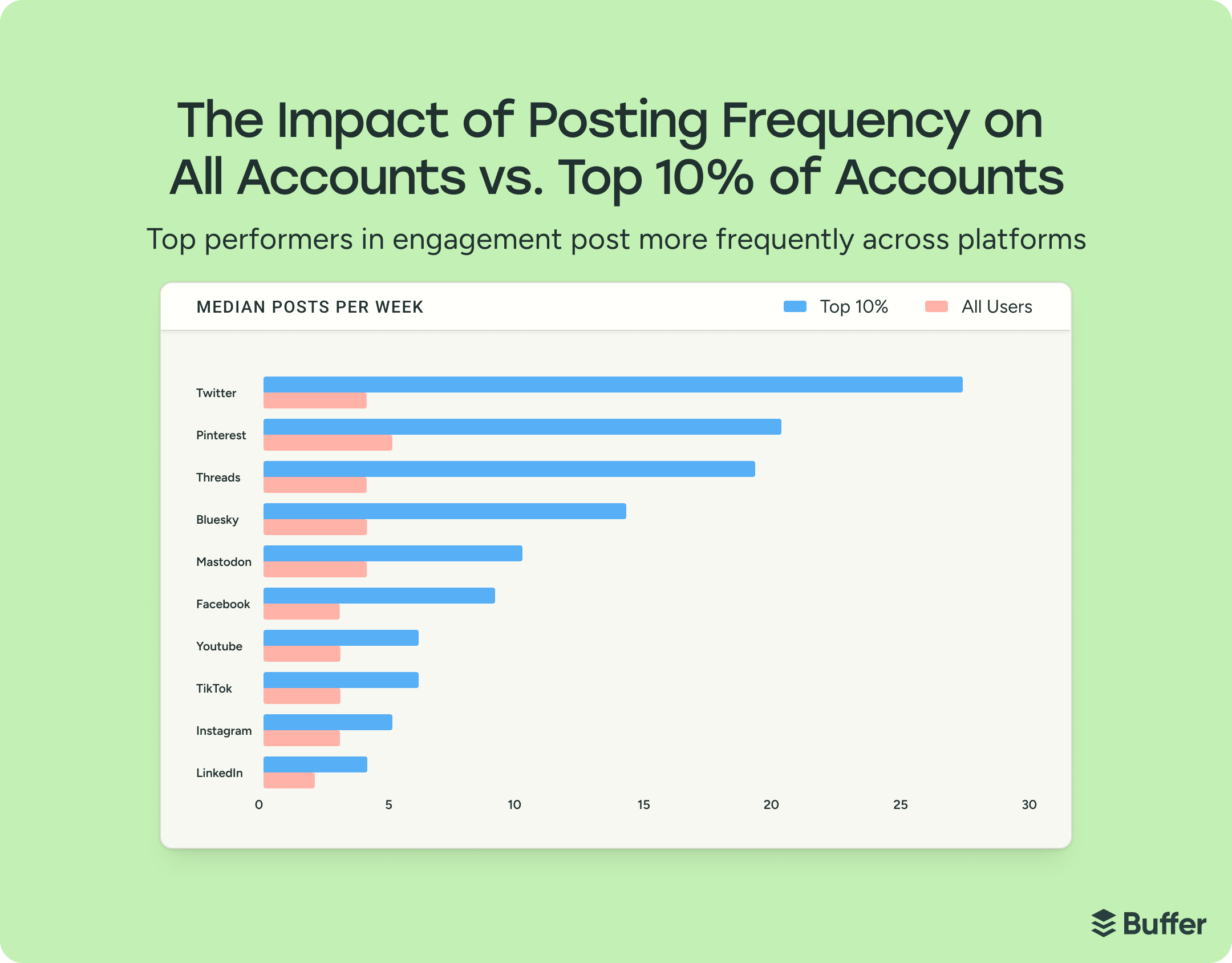
-
Amplify Your Audience: Leverage User-Generated Content (UGC):
User-generated content (UGC) is a potent form of social proof, consistently outperforming brand-created content in terms of influence and trustworthiness. When brands feature user content, it not only provides authentic testimonials but also drives engagement as featured users share the content, exposing the brand to their networks. UGC can be organic (unprompted customer content) or intentional (generated through branded hashtags, contests, or "tag us for a feature" calls to action). For service providers or solo creators, this translates to resharing testimonials, kind DMs (with permission), or posts where clients/followers praise their work, building trust and community. -
Proactive Insights Through Social Listening:
While direct engagement focuses on existing interactions, social listening involves venturing beyond one’s immediate orbit to understand broader conversations. This means actively monitoring discussions around one’s brand, competitors, niche topics, and audience pain points—even when those conversations don’t directly involve the creator. By lurking in relevant subreddits, forums, LinkedIn groups, or using advanced search filters on platforms like X, creators can gather intelligence on what truly resonates with their target audience. This proactive approach allows for the creation of content that addresses real needs and interests, moving the content focus from being about the creator to being genuinely about the audience.
The Path Forward: Adapting to an Ever-Changing Digital Ecosystem
The journey to mastering social media engagement is an ongoing process of learning, adaptation, and human connection. The overwhelming evidence, particularly from Buffer’s extensive analysis, points to a singular, enduring truth: engagement flourishes when interactions are human-centric. The strongest signal across all platforms was consistently "people talking to people."
The 11 strategies outlined here are not meant to be implemented simultaneously but rather serve as a comprehensive toolkit for continuous improvement. Whether starting by analyzing analytics, committing to a content series, or simply dedicating 15 minutes post-publication to reply to comments, the entry point is less critical than the underlying mindset shift. Effective engagement requires moving beyond a broadcast mentality to one of active listening, genuine participation, and authentic relationship building. In an increasingly noisy digital world, the brands and creators who prioritize human connection will be the ones who not only capture attention but also cultivate lasting loyalty and impact.