Angie Faith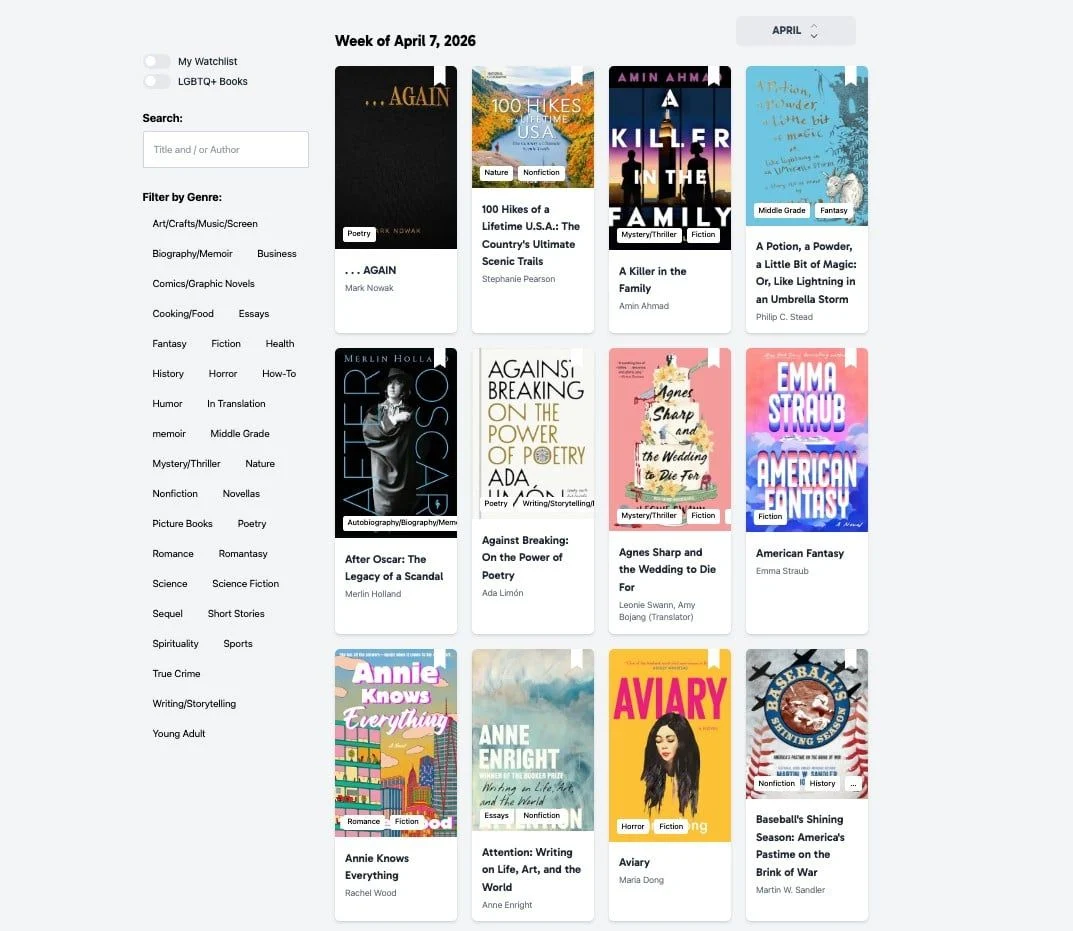
In the ever-expanding universe of literature, a relentless tide of new book releases washes ashore each month, each vying for the attention of avid readers. For many, this constant influx presents a significant challenge: how to keep track of anticipated titles amidst the sheer volume, and how to discover gems that might otherwise be overshadowed by the marketing might of larger publications. This editorial aims to explore the innovative solution offered by Book Riot’s New Release Index, a meticulously curated database designed to empower readers and streamline the discovery process.
The Overwhelming Landscape of Literary Releases
The publishing industry is a dynamic and prolific sector. Data from the International Publishers Association (IPA) consistently indicates a significant number of new titles published annually across the globe, with figures often reaching into the millions. While this abundance offers a rich tapestry of genres, authors, and stories, it also creates a formidable obstacle for the average reader. The traditional methods of staying informed—browsing bookstore shelves, following individual publisher catalogs, or sifting through online literary reviews—can be time-consuming and, at times, inefficient. This is particularly true for readers who are not solely interested in bestsellers or titles heavily promoted by major publishing houses. The risk of missing out on promising debut authors or niche genre works is a recurring concern for bibliophiles.
The challenge is amplified by the sophisticated marketing strategies employed by publishers. Blockbuster releases, often backed by substantial advertising campaigns and pre-publication buzz, tend to dominate public awareness. This can inadvertently marginalize smaller press releases, independent authors, and books that may not have the financial backing to compete for visibility. Consequently, readers might be unaware of compelling narratives or innovative storytelling that aligns perfectly with their interests, simply because they were not part of a high-profile marketing push.
Book Riot’s Innovative Solution: The New Release Index
Recognizing this pervasive issue, Book Riot, a prominent online platform dedicated to book culture and literary news, has developed a sophisticated tool: the New Release Index. This database serves as a centralized hub for upcoming book releases, meticulously organized to facilitate reader engagement and discovery. The core functionality of the Index lies in its systematic approach to cataloging new titles, prioritizing discoverability for the end-user.
The New Release Index is structured with a clear emphasis on chronological order, allowing readers to anticipate books based on their release dates. This organizational principle is crucial for effective planning and anticipation. Furthermore, the platform offers robust filtering capabilities, enabling users to narrow down their search by specific genres. This feature is invaluable for readers with particular literary tastes, ensuring that they can quickly identify new releases relevant to their interests without having to wade through unrelated content.
The user interface, as exemplified by a preview of April’s releases, presents a visually appealing and intuitive experience. Readers are encouraged to scroll through the covers of upcoming books, a method that leverages visual appeal to spark initial interest. Once a cover catches a reader’s eye, a simple click reveals a detailed book description. This immediate access to substantive information allows for an informed decision about whether the book warrants further consideration.
Functionality and User Experience
The New Release Index is more than just a static list; it’s an interactive tool designed to enhance the reader’s journey. A key feature is the "Watchlist" functionality. After reviewing the descriptions and identifying titles of interest, users can conveniently save these books to their personal Watchlist. This creates a personalized repository of anticipated reads, a digital wishlist that evolves with each new discovery. This system effectively combats the problem of "losing track" of exciting titles, providing a readily accessible reference point for future purchases or library requests.
The process is designed to be seamless and efficient. Instead of requiring users to maintain separate spreadsheets or complex cataloging systems, the Index integrates these functions directly into the platform. This reduces the cognitive load associated with tracking new releases, transforming what could be a daunting task into an engaging and manageable activity. The goal is to empower readers by providing them with the tools to proactively curate their reading experiences, rather than passively consuming what is most heavily marketed.

Supporting Data and Context
The development and implementation of the New Release Index by Book Riot can be viewed within the broader context of the digital transformation of the publishing industry and the evolving habits of modern readers. As more consumers engage with books digitally, the demand for online resources that aggregate and organize literary information has grown. Platforms like Goodreads, StoryGraph, and various publisher-specific apps have emerged, each offering unique approaches to book discovery and tracking.
Book Riot’s initiative distinguishes itself by focusing on the upcoming release landscape, a critical period for anticipation and pre-publication interest. The sheer volume of releases can be partially quantified by looking at industry statistics. For instance, Bowker, the official ISBN agency for the United States, reported the issuance of over 1.7 million new ISBNs in 2022 alone, a figure that encompasses a wide range of publishing activities, including self-published works. While not all ISBNs represent traditional book releases, it underscores the immense scale of content being produced. This data point highlights the necessity for curated discovery tools.
The Index’s commitment to genre filtering also addresses a significant trend in reader behavior. Market research often indicates that readers have strong preferences for specific genres, such as fantasy, science fiction, mystery, romance, or literary fiction. Tools that allow for granular filtering based on these preferences are highly valued. A study by Nielsen BookScan, for example, has shown that genre fiction continues to be a dominant force in the book market, with specific genres exhibiting consistent popularity. The New Release Index’s ability to cater to these specific tastes is a key differentiator.
Timeline and Chronology of Development
While specific details regarding the internal development timeline of the New Release Index are not publicly available, its introduction represents a strategic evolution of Book Riot’s offerings. Book Riot itself was founded in 2010, initially as a blog focused on book news, reviews, and literary culture. Over the years, the platform has expanded its content and features, adapting to the digital landscape and the changing needs of its readership. The development of a dedicated "New Release Index" can be seen as a response to the growing complexity of book discovery, likely emerging after the platform had established a strong readership and a deep understanding of the challenges faced by book lovers.
The periodic updates and previews, such as the one referencing April releases, suggest an ongoing commitment to maintaining and refining the Index. This implies a continuous process of data aggregation, curation, and interface enhancement, ensuring the Index remains a relevant and valuable resource. The future evolution of such a tool could potentially involve more advanced personalization algorithms, integration with e-reader platforms, or even community-driven features for discussing upcoming titles.
Statements and Reactions from Related Parties (Inferred)
While direct statements from publishers or authors specifically endorsing the New Release Index are not provided in the initial content, the creation of such a tool is generally met with positive reception within the literary community. Publishers, particularly those with smaller marketing budgets, often welcome platforms that provide equitable visibility for their titles. Independent presses and authors are constantly seeking avenues to connect with readers who appreciate their work. A well-organized index of new releases offers a valuable opportunity for their books to be discovered by an engaged audience.
From a reader’s perspective, the implied positive reaction is one of relief and empowerment. The frustration of missing out on desired books or feeling overwhelmed by choices is a common sentiment. Tools like the New Release Index address this directly, offering a sense of control and efficiency in navigating the book market. Online literary communities and forums frequently discuss methods for tracking new releases, and a centralized, user-friendly database would undoubtedly be a welcome addition to these conversations.
Broader Impact and Implications
The existence and success of the New Release Index have several broader implications for the book industry and the reading public:
- Democratization of Discovery: By providing a curated and accessible platform, the Index helps to democratize book discovery. It offers a counterpoint to the dominance of marketing-driven visibility, allowing readers to find books based on genuine interest rather than solely on promotional spend. This can lead to a more diverse literary landscape being appreciated by a wider audience.
- Support for Independent and Niche Publishers: Smaller presses and independent authors often struggle to compete with the marketing budgets of major publishing houses. A well-trafficked and respected New Release Index can serve as a vital channel for these entities to reach engaged readers, fostering a more diverse and vibrant publishing ecosystem.
- Enhanced Reader Engagement: The ease of use and personalized features of the Index, such as the Watchlist, contribute to a more engaged readership. When readers can efficiently track and discover books they are excited about, their overall connection to the literary world is strengthened, potentially leading to increased reading and purchasing.
- Data Insights for the Industry: While not explicitly a data-gathering tool for publishers, the usage patterns and popular genres within the New Release Index could provide indirect insights into reader trends and preferences. This could inform future publishing decisions and marketing strategies, albeit at a broader, less granular level than direct sales data.
- Combating Information Overload: In an era characterized by information overload, tools that simplify complex processes are increasingly valuable. The New Release Index effectively addresses the "overwhelm" factor associated with monthly book releases, providing a streamlined and enjoyable discovery experience.
In conclusion, Book Riot’s New Release Index represents a significant advancement in how readers can navigate the ever-expanding world of new literature. By offering a structured, searchable, and user-friendly database, it empowers readers to discover their next favorite book amidst the monthly deluge, fostering a more informed, engaged, and diverse literary community.