Angie Faith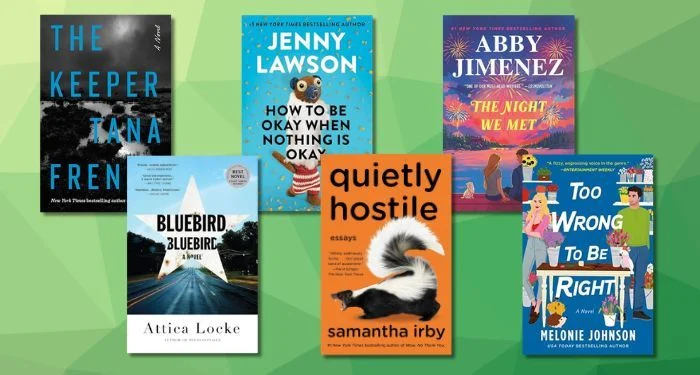
Picture this common library scenario: a patron approaches the circulation desk with eager anticipation, requesting the latest literary sensation, only to be met with the disheartening news that all copies are currently checked out, with a substantial waiting list in tow. This is a moment where a librarian’s expertise truly shines. Before the patron leaves disappointed, a librarian can pivot, offering a curated selection of similar titles – a "read-alike" – that can bridge the gap until their desired book becomes available. This practice, far from being a mere stopgap measure, serves as a powerful customer service tool, introducing readers to new authors and genres they might not have discovered otherwise. This article delves into the art of the read-alike, offering strategic suggestions for librarians facing the perennial challenge of high-demand bestsellers, complete with timely recommendations for books currently experiencing significant library circulation.

The Power of Predictive Reading: Understanding Patron Desires
The effectiveness of read-alike recommendations hinges on a librarian’s ability to understand the underlying elements that draw readers to a particular book. It’s not simply about matching genre; it’s about identifying thematic resonance, narrative pacing, character archetypes, authorial voice, and even the emotional impact a book delivers. When a patron expresses disappointment over a bestseller’s unavailability, the librarian’s task is to deconstruct what made that bestseller appealing and then find alternative titles that capture those same qualities. This requires a deep knowledge of the literary landscape, an understanding of current publishing trends, and an intuitive grasp of reader preferences.
Navigating the Bestseller Avalanche: Strategic Read-Alike Recommendations
Libraries often face a surge in demand for specific titles, especially those that have garnered significant critical acclaim, media attention, or have been adapted into popular films or television series. The challenge for librarians is to manage these expectations while still providing a positive and enriching library experience. The following recommendations are designed to address this by offering compelling alternatives to currently popular, and likely checked-out, books.

For the Discerning Mystery Reader: Tana French’s "The Keeper" and its Literary Counterparts
Tana French has established herself as a master of atmospheric and psychologically complex crime fiction. Her latest novel, "The Keeper," the third installment in the Cal Hooper trilogy, plunges readers into the secluded Irish village of Ardnakelty. The narrative unfolds as retired Chicago detective Cal Hooper is reluctantly drawn into an investigation following the apparent suicide of a promising young woman. As Hooper delves deeper, the case threatens to unearth decades of long-buried secrets within the tight-knit community. The novel’s strength lies in its intricate plotting, its exploration of hidden histories, and its richly drawn sense of place, all hallmarks of French’s acclaimed work.
For patrons captivated by "The Keeper"’s blend of rural mystery, psychological depth, and the exploration of community secrets, librarians can confidently suggest Attica Locke’s "Bluebird, Bluebird." This novel, the first in the "Highway 59" trilogy, features Texas Ranger Darren Mathews, a law enforcement officer grappling with his own complicated past as he investigates a double murder in a small East Texas town. Locke excels at weaving together themes of race, class, and the dark undercurrents that often lie beneath the surface of seemingly tranquil rural settings. Like French, Locke crafts compelling characters and a palpable sense of atmosphere, making "Bluebird, Bluebird" a natural fit for readers who appreciate nuanced crime narratives. The novel’s examination of social dynamics within a confined community and its intricate mystery echo the appeal of French’s work, offering a similarly immersive reading experience.

For Those Seeking Catharsis and Humor in Adversity: Jenny Lawson’s "How to Be Okay When Nothing Is Okay" and its Empathetic Echoes
Jenny Lawson, beloved for her candid and often hilariously self-deprecating explorations of mental health, returns with "How to Be Okay When Nothing Is Okay: Tips and Tricks That Kept Me Alive, Happy, and Creative in Spite of Myself." While this latest offering shifts from her typical essay collection format, it still delivers Lawson’s signature blend of raw honesty and uproarious humor. The book provides readers with practical, albeit often unconventional, strategies for navigating mental health challenges. Lawson’s ability to find humor in the darkest of circumstances and her empathetic approach to shared struggles resonate deeply with her audience, making her books a source of both comfort and laughter.
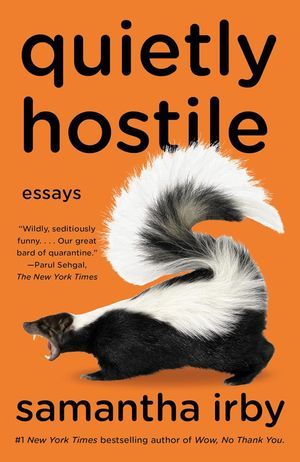
When patrons are seeking the unique blend of vulnerability and humor found in Jenny Lawson’s work, librarians can turn to Samantha Irby’s "Quietly Hostile: Essays." Irby, known for her sharp wit and unflinching honesty, offers a collection of essays that delve into the absurdities of everyday life, relationships, and personal insecurities. While Irby’s style is perhaps more traditionally essayistic than Lawson’s latest book, the underlying spirit of self-awareness, irreverent humor, and the ability to find humor in relatable struggles creates a strong connection. Both authors possess a remarkable talent for articulating the complexities of human experience in a way that feels both deeply personal and universally understood. Irby’s essays, like Lawson’s books, provide a much-needed dose of catharsis and a reminder that even in difficult times, laughter can be a powerful coping mechanism. The shared characteristic of tackling life’s challenges with an authentic and often humorous voice makes these two authors excellent companions for readers.

For the Romantic Heart: Abby Jimenez’s "The Night We Met" and its Contemporary Romance Kin
Abby Jimenez has carved out a significant niche in contemporary romance with her heartfelt and character-driven stories. In "The Night We Met," readers are introduced to Larissa, a woman fortunate enough to have two significant men in her life: her boyfriend, Mike, and his best friend, Chris. However, the narrative takes a turn as Chris harbors secret feelings for Larissa, and it’s his quiet affection and thoughtful gestures that have inadvertently shaped Larissa’s perception of Mike as an ideal partner. This setup promises a narrative rich with emotional complexity, the exploration of hidden desires, and the classic tension of a love triangle. Jimenez is known for her ability to craft compelling romantic relationships that feel authentic and deeply emotional, often incorporating themes of personal growth and overcoming obstacles.
For readers who are drawn to the nuanced romantic entanglements and the blend of heartwarming relationships found in Abby Jimenez’s work, Melonie Johnson’s "Too Wrong To Be Right" presents an excellent alternative. This contemporary romance masterfully navigates the delicate balance of a hero and heroine who find themselves consistently thrown into each other’s paths, despite their best efforts to relegate their connection to the friend zone. Much like "The Night We Met," "Too Wrong To Be Right" excels in developing strong supporting friendships that enrich the central romantic storyline. Furthermore, both novels share a delightful characteristic: the inclusion of endearing animal sidekicks that add an extra layer of charm and warmth to the narrative. Johnson’s ability to build romantic tension while centering the story on genuine connections, both platonic and romantic, makes her work a compelling choice for fans of Jimenez’s style. The shared focus on character dynamics, the exploration of emotional complexities within relationships, and the presence of feel-good elements like loyal friendships and lovable animals create a cohesive reading experience for patrons seeking uplifting and engaging romance.
The Broader Impact of Strategic Read-Alike Programs
The implementation of effective read-alike programs extends beyond simply fulfilling immediate reader requests. It actively contributes to the library’s mission of fostering literacy and a lifelong love of reading. By consistently offering relevant and engaging alternatives, libraries can:
- Expand Reading Horizons: Introduce patrons to authors and genres they might not have explored independently, broadening their literary tastes and appreciation.
- Enhance Patron Loyalty: Demonstrate a deep understanding of individual reader preferences, fostering a sense of personalized service that encourages patrons to return.
- Mitigate Bestseller Frustration: Transform a potentially negative experience (a long waitlist) into a positive discovery, maintaining patron engagement and satisfaction.
- Support Diverse Authors and Titles: Actively promote a wider range of books beyond the immediate bestseller lists, ensuring that lesser-known but equally compelling works find their audience.
- Strengthen Community Engagement: Position the library as a hub for literary discovery and personalized recommendations, fostering a stronger connection with the community it serves.
In an era where digital algorithms can suggest personalized content, the human touch of a librarian remains invaluable. The ability to connect a reader with a book that speaks to their unique interests, even when their first choice is unavailable, is a testament to the enduring power of human curation and the profound impact of well-placed recommendations. These strategic read-alike suggestions are not just substitutes; they are gateways to new literary adventures, enriching the reading lives of patrons and solidifying the library’s role as an indispensable cultural resource.