Angie Faith
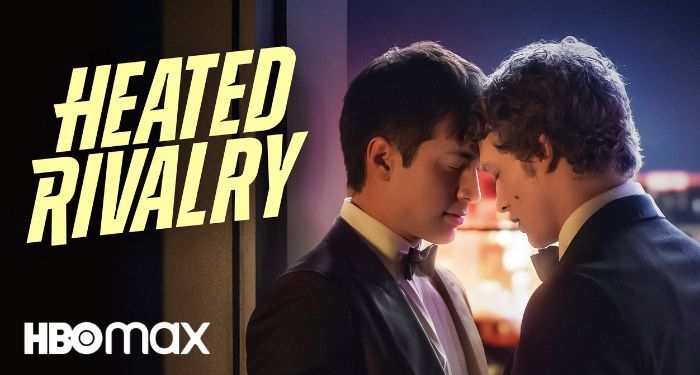
The television adaptation of Rachel Reid’s M/M hockey romance, "Heated Rivalry," has not only dominated viewing figures but has also ignited a significant resurgence of interest in the broader genre of queer sports fiction. The season finale of the critically acclaimed series, which aired on HBO Max, drew an impressive 10.6 million viewers in the United States, cementing its status as a cultural phenomenon. This surge in popularity has also prompted discussions about republishing a previously obscure, self-published predecessor, a work from the 1980s by Don DeLillo, hinting at the genre’s enduring, albeit sometimes hidden, roots.
The overwhelming success of "Heated Rivalry" has directly translated into increased library checkouts of similar literary works, according to data shared by Libby, a popular digital library platform. This trend underscores a growing demand for diverse narratives within popular genres, particularly those that center LGBTQ+ characters and experiences within the dynamic and often intense world of sports.
The "Heated Rivalry" Phenomenon: From Page to Screen
The journey of "Heated Rivalry" from a fan-favorite novel to a widely broadcast television series represents a significant milestone for queer romance literature. Rachel Reid’s novel, first published independently, gained a dedicated following through word-of-mouth and online communities before its adaptation. The series, known for its steamy content and compelling character development, has resonated with a broad audience, transcending traditional genre boundaries.
The reported 10.6 million viewers for the season finale is a substantial figure, especially for a niche genre adaptation, indicating a broader appeal than initially anticipated. This viewership success can be attributed to several factors: the inherent drama and passion of professional sports, the relatable themes of rivalry and attraction, and the increasing appetite for authentic LGBTQ+ representation in mainstream media. The show’s ability to capture the intensity of the sports world while simultaneously exploring a complex and passionate queer romance has been key to its widespread appeal.
Unearthing Literary Precedents
The newfound spotlight on "Heated Rivalry" has even led to renewed interest in a surprising literary connection: a privately circulated novel from the 1980s by acclaimed author Don DeLillo. While details remain scarce, reports suggest this earlier work shares thematic elements with "Heated Rivalry," specifically concerning the intense relationships forged within competitive environments. The potential republication of such a text, if confirmed, would offer valuable historical context and further illuminate the long-standing presence of queer narratives within sports fiction, even before the term gained widespread traction. This discovery adds a layer of historical depth to the current surge, suggesting that the themes explored in "Heated Rivalry" have a lineage extending far beyond contemporary publishing trends.
Libby Data Reveals Reading Trends
In response to the burgeoning interest, Libby provided data on the most popular queer sports romances checked out on their platform. The insights reveal a clear dominance by Rachel Reid, whose works comprise half of the top-ranked titles. This indicates that readers who discovered the genre through "Heated Rivalry" are actively seeking out more of her bibliography, a testament to the quality and appeal of her writing.
Top Queer Sports Romances on Libby (Selected Highlights)
The data from Libby highlights a strong preference for M/M (male-male) romance within the queer sports genre, with hockey and basketball being particularly popular settings. However, the list also showcases a growing diversity in terms of sports and representation.

- Rachel Reid’s Dominance: As anticipated, Reid’s "Heated Rivalry" sits at the pinnacle of the list. Her other contributions include "Game Changers, Volume 2," "The Shots You Take," "Time to Shine," "Game Changers Collection," "Common Goal," "Role Model," "Tough Guy," "The Long Game," and "Game Changer." This impressive presence underscores her status as a foundational author in contemporary queer sports romance.
- Expanding Horizons: Beyond Reid’s extensive contributions, several other titles are gaining traction, offering readers a broader spectrum of stories and sports. Notable entries include:
- "Love and Sportsball" by Meka James, a sapphic sports romance focusing on professional basketball.
- "Futbolista" by Jonny Garza Villa, a title that suggests a focus on the global sport of soccer.
- "Check, Please!" by Ngozi Ukazu, a beloved graphic novel series that has garnered significant attention for its charming characters and hockey-centric narrative.
- "Out of Step, Into You" by Ciera Burch, indicating a potential focus on sports requiring intricate footwork or dance.
- "Team Players" by Deanna Grey and "The 7-10 Split" by Karmen Lee, both of which appear to explore different sporting arenas.
- "Prize Money" by Celeste Castro, suggesting a narrative possibly involving combat sports or competitive events with monetary rewards.
- "Epic" and "Us" by Elle Kennedy, indicating a continued interest in established authors within the genre.
- "Shoot Your Shot" by Lexi LaFleur Brown, a title that promises a playful and engaging romance.
- "I’m Your Guy," "The New Guy," and "The Last Guy on Earth" by Sarina Bowen, further highlighting the popularity of hockey romances.
- "Like Real People Do" by E.L. Massey, a title that hints at a more intimate and character-driven story.
- "Cleat Cute" by Meryl Wilsner, suggesting a potential connection to sports involving cleats, such as soccer or football.
- "Just Between Us" by Adeline Kon, a graphic novel that adds a visual storytelling element to the genre.
- "Him" by Elle Kennedy, another entry from an author resonating with readers of queer sports romance.
The diversity of sports represented, from hockey and basketball to potentially soccer, track, or even competitive dance, demonstrates that the appeal of queer romance within athletic settings is not confined to a single sport.
Analyzing the Implications: A Shifting Landscape
The success of "Heated Rivalry" and the subsequent surge in demand for queer sports romances carry significant implications for the publishing industry and media landscape:
- Market Validation: The robust viewership and library demand validate the commercial viability of LGBTQ+ narratives in popular genres. This could encourage more publishers and production companies to invest in similar projects, leading to a more diverse range of stories being told.
- Representation Matters: The enthusiasm for these stories highlights the strong desire among audiences for authentic and visible LGBTQ+ representation. Readers and viewers are actively seeking out characters and relationships that reflect their own experiences or offer new perspectives.
- Genre Expansion: The popularity of "Heated Rivalry" and its literary counterparts suggests that queer romance can thrive within established genre frameworks. This crossover appeal can introduce new audiences to queer literature and normalize LGBTQ+ themes in mainstream entertainment.
- Authorial Impact: For authors like Rachel Reid, this success offers a platform to reach an even wider audience and potentially inspire a new generation of writers to explore queer themes in sports fiction. The increased visibility can lead to greater opportunities and recognition for creators in this space.
- Historical Re-evaluation: The renewed interest in Don DeLillo’s early work underscores the importance of revisiting literary history to uncover overlooked narratives and understand the evolution of storytelling around diverse identities.
The phenomenon surrounding "Heated Rivalry" is more than just a fleeting trend; it represents a significant cultural moment that is reshaping the landscape of popular fiction and media. As audiences continue to embrace stories that reflect a wider spectrum of human experience, the demand for diverse and inclusive narratives within every genre is likely to grow, promising a richer and more representative future for storytelling. The interconnectedness of literature and television, as demonstrated by this case, also highlights the powerful synergy that can exist between different media platforms in amplifying important voices and stories.