Ali Ikhwan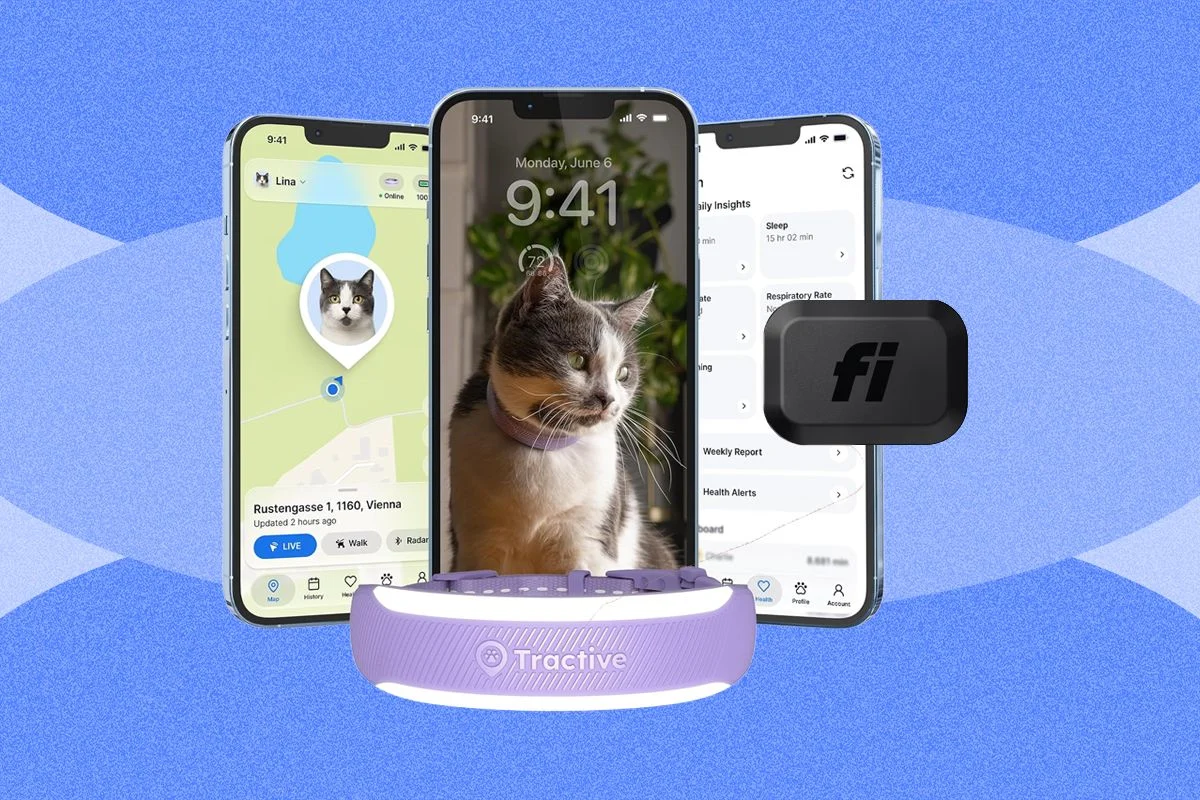
The landscape of pet technology has evolved rapidly over the past decade, shifting from simple microchips and static ID tags to sophisticated, wearable ecosystems that mirror human health monitoring. Today, a smart cat tracker serves as more than just a digital leash; it is a comprehensive wellness diagnostic tool. Similar to human-centric devices like smart rings or fitness trackers, these units leverage satellite connectivity and motion-sensing hardware to provide cat owners with granular insights into their pets’ daily activity, sleep cycles, and geographic habits.
The integration of these devices into the lives of domestic cats represents a significant leap in responsible pet ownership. According to the American Veterinary Medical Association (AVMA), approximately 10 million cats and dogs are reported missing in the United States each year. While microchips remain the gold standard for identification and long-term recovery, they do not provide real-time location data. Smart trackers bridge this gap, offering peace of mind to "helicopter" pet parents and providing an essential lifeline for indoor-outdoor cats prone to roaming.
The Evolution of Pet Tracking Technology
Historically, pet owners seeking to monitor their animals’ locations relied on Bluetooth-based trackers. While cost-effective, these devices suffer from severe range limitations, as they require proximity to a smartphone or a mesh network of other users’ devices to report a location. In contrast, modern smart cat trackers—such as the Fi Mini, the Tractive Smart Cat Tracker, and the new Tractive Cat 6 Mini—utilize Global Positioning System (GPS) technology coupled with cellular or Wi-Fi data transmission. This ensures that even if a cat travels well beyond the reach of a home network, the owner can receive real-time updates via satellite triangulation.

The transition toward health-centric tracking was formalized over the last eighteen months, as manufacturers recognized that activity levels often serve as a leading indicator of feline health. Changes in movement patterns—such as a sudden decrease in activity or a spike in lethargy—can be precursors to illness, often appearing in the app’s analytics before the cat displays outward physical symptoms.
Comparative Analysis of Leading Devices
For the past year, extensive testing has been conducted on the leading hardware in this category to determine how these devices perform under real-world conditions. The evaluation criteria focused on four primary pillars: location accuracy, health metric reliability, ergonomic design, and battery efficiency.
The Fi Mini: Ergonomics and Battery Performance
The Fi Mini stands out as the most refined option for daily wear. Weighing in at a compact 1.5 x 1.0 x 0.5 inches, it is designed to be as unobtrusive as possible, minimizing the burden on the animal. During testing, the device demonstrated an impressive battery life of approximately two weeks on a single charge. This is a critical factor for owners who find the prospect of daily charging to be a significant barrier to consistent usage.
Furthermore, the Fi Mini benefits from a streamlined charging process via a standard USB-C connection. This compatibility with universal charging hardware represents a major convenience over proprietary, single-use cables. From a functional perspective, the device integrates well with mobile ecosystems, including Apple Watch compatibility, which allows owners to monitor their pet’s location even when separated from their primary smartphone. However, testing also revealed that the Fi system is not without flaws. There were instances of false alerts regarding "safe zone" breaches, causing unnecessary concern. Additionally, the lack of historical location heat maps limits the ability of the owner to analyze long-term territorial patterns.

The Tractive Ecosystem: Data Depth and Health Monitoring
Tractive has positioned itself as the leader in data-driven pet health. The standard Tractive Smart Cat Tracker is particularly lauded for its historical heat maps, which provide an invaluable visual history of where a cat spends its time. This feature is indispensable for owners of outdoor cats who need to understand the boundaries of their pet’s territory.
The Tractive Cat 6 Mini, released in the current year, expands upon this foundation by introducing advanced telemetry, including heart rate and respiratory rate monitoring. In a controlled test, the app provided detailed, AI-generated weekly summaries that compared the subject’s health metrics against those of other cats of similar age and weight. This comparative baseline is a powerful feature for early detection of potential health anomalies. For instance, the app successfully identified that the test subject, Basil, had a resting heart rate and respiratory rate consistently below the average for his demographic, providing actionable data that could be discussed during a veterinary consultation.
Technical Limitations and Operational Reality
Despite the promise of these technologies, the industry faces persistent challenges regarding signal reliability. All GPS-based trackers are inherently limited by their environment. In rural areas with heavy canopy cover or in dense urban canyons, satellite signals can become degraded, leading to "drifting" location data. User feedback on platforms like Amazon and Reddit frequently highlights that both Fi and Tractive units can struggle to maintain pinpoint accuracy in areas with extreme topography or dense vegetation.
Furthermore, the "virtual fence" feature—which sends a notification when a pet exits a designated safe zone—is highly dependent on the user’s ability to map the area correctly. In small apartments or dense housing, it can be physically difficult to create a fence large enough to be effective but small enough to prevent false alarms. If a cat remains within the proximity of the apartment but outside the fence, the device may fail to trigger a critical alert.

The Financial and Maintenance Commitment
Prospective buyers must account for the fact that these devices are not one-time purchases. Unlike an Apple AirTag, which functions on an existing network with no monthly fees, smart GPS trackers require a cellular data subscription. These monthly or annual costs are necessary to maintain the connection between the collar and the cloud.
Beyond the financial cost, there is the maintenance requirement. Firmware updates, battery management, and the occasional struggle with proprietary collar clasps are part of the reality of using this technology. The Tractive Cat 6 Mini, for example, requires the owner to remove the entire collar to charge the device. For owners with limited manual dexterity or cats that are resistant to handling, this can be a significant deterrent to daily use.
Broader Implications for Veterinary Science
The move toward wearable health trackers for pets marks a fundamental shift in how veterinary care is approached. By providing veterinarians with longitudinal data—weekly activity averages, sleep quality indices, and resting heart rates—owners are moving from anecdotal reporting to data-backed consultations.
Industry analysts suggest that as this technology matures, it may facilitate a new form of "tele-triage." If a device detects a sustained change in a cat’s activity level or a spike in respiratory rate, it could trigger an automated notification to the owner suggesting a preventative visit to the vet. This shift toward proactive, rather than reactive, medicine has the potential to increase the lifespan of domestic cats by catching chronic or acute conditions before they manifest as severe medical emergencies.

Conclusion: Evaluating the Investment
Choosing between these devices ultimately comes down to a matter of priority. The Fi Mini is the superior choice for those who value battery longevity, lightweight design, and convenient charging. It is the most "wearable" of the options, making it the most likely to be used consistently over time.
Conversely, for those who are primarily concerned with health analytics and gaining a deep understanding of their pet’s physical state, the Tractive Cat 6 Mini is the clear market leader. Its ability to provide specific, comparative health data is a significant advancement in pet care technology.
Regardless of the model chosen, the value of these devices as a tool for safety and preventative health cannot be overstated. While they require a commitment to ongoing maintenance and subscription fees, they offer a level of insight and security that was previously impossible. For the modern pet owner, these trackers represent an investment in the longevity and safety of their companions, turning the "black box" of a cat’s daily life into a transparent, measurable, and protected experience. As the technology continues to improve, we can expect the integration of more sophisticated biometric sensors, further blurring the line between human and pet wellness monitoring.