Angie Faith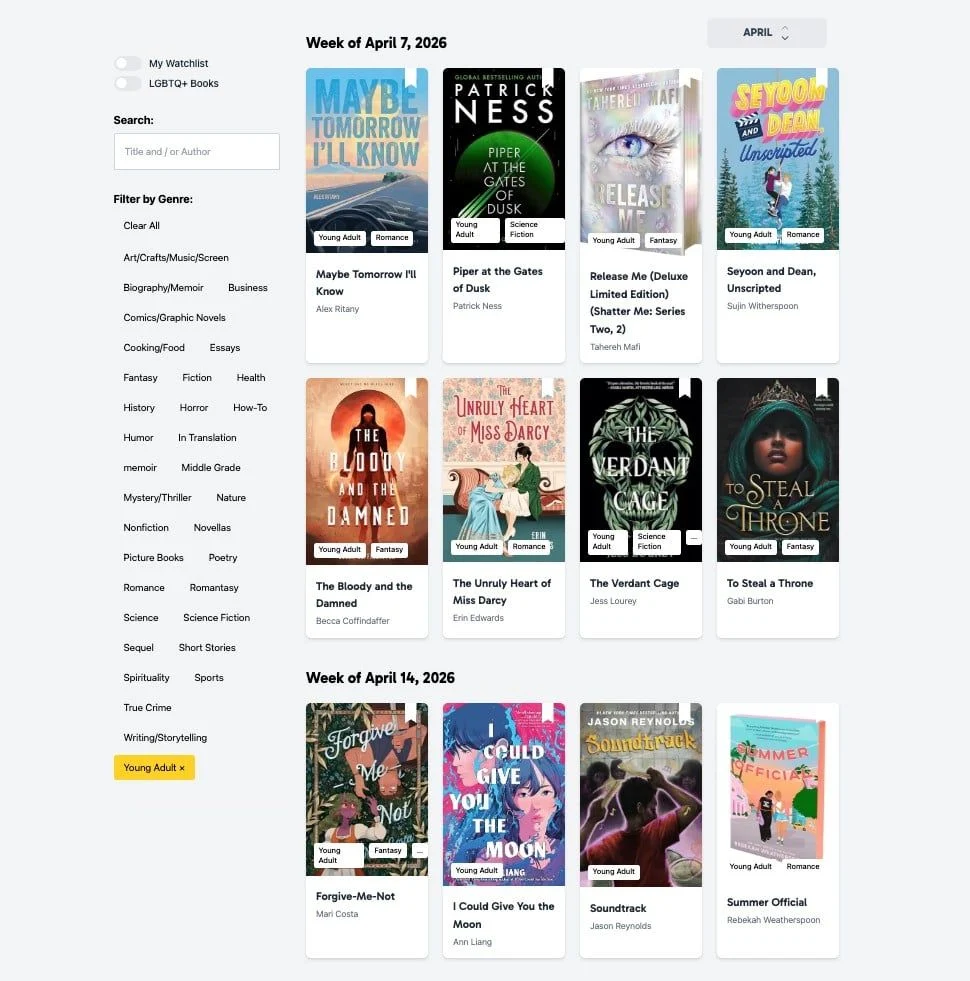
The landscape of young adult (YA) literature is a dynamic and ever-expanding universe, with new titles flooding the market each month, each vying for the attention of eager readers and dedicated collectors. For many, the sheer volume of upcoming releases can be overwhelming, transforming the joy of literary discovery into a daunting task akin to navigating a labyrinth. This challenge is amplified by the disproportionate visibility often granted to books with substantial marketing budgets, leaving many potentially captivating titles to languish in obscurity. In response to this persistent challenge, Book Riot has launched the New Release Index, a comprehensive and interactive database designed to streamline the process of discovering and tracking upcoming YA books, offering a vital resource for readers seeking to stay abreast of the latest literary offerings without succumbing to information overload.
The Problem of Oversaturation and the Rise of the Index
The YA literary market has experienced exponential growth over the past two decades. Once a niche category, it has blossomed into a powerhouse of publishing, attracting a diverse readership that extends far beyond its target demographic. This growth, while beneficial for authors and the industry, has inadvertently created an information paradox: more books are available than ever before, yet discerning the truly exciting and relevant titles has become increasingly difficult. Readers often find themselves relying on word-of-mouth, bestseller lists dominated by established names, or the algorithms of major online retailers, which may not always surface the hidden gems.
"The sheer volume of new YA books released every month is staggering," commented Sarah Chen, a senior editor at a prominent independent publishing house specializing in YA fiction. "We see hundreds of submissions, and while many are incredibly strong, the challenge for readers is cutting through the noise. Without a curated and accessible resource, it’s easy for fantastic stories to get lost."
This predicament highlights a significant gap in the market for a tool that can effectively organize and present upcoming YA releases in an intuitive and user-friendly manner. The traditional methods of tracking new books—sifting through publisher catalogs, subscribing to numerous literary blogs, or meticulously maintaining personal spreadsheets—are time-consuming and often inefficient. The New Release Index aims to democratize book discovery, empowering readers to find titles that genuinely resonate with their interests, regardless of their marketing reach.
Introducing the New Release Index: A Curated Database
The New Release Index, a proprietary tool developed by Book Riot, a leading online publication dedicated to book culture, addresses this challenge head-on. It functions as a centralized, searchable database meticulously compiling information on upcoming book releases across various genres, with a particular emphasis on YA literature. The core functionality of the Index lies in its organized presentation by release date, allowing users to anticipate new titles month by month.
A key feature that distinguishes the Index is its robust filtering capabilities. Users can specifically narrow their search to the Young Adult category, presenting a focused view of the forthcoming YA literary landscape. This targeted approach is crucial for YA enthusiasts who are often looking for specific themes, age ranges, or subgenres within the broader YA spectrum. The provided visual representation of the Index, showcasing a selection of YA books scheduled for an April release, offers a tangible glimpse into the platform’s efficacy. Each displayed cover represents a potential gateway to a new literary adventure, inviting users to explore further.
The operational model of the Index is designed for simplicity and direct engagement. Readers are encouraged to browse the visual display of book covers. Upon encountering a title that sparks their curiosity, a simple click on the cover reveals a detailed book description. This immediate access to plot summaries, author information, and potentially other relevant metadata allows for swift assessment of a book’s appeal. Furthermore, the Index incorporates a "Watchlist" feature, enabling users to bookmark titles they wish to track, effectively creating a personalized list of anticipated reads. This function transforms the passive act of browsing into an active process of curation, empowering readers to build their own future reading plans with confidence.
Supporting Data and Market Trends in YA Literature
The emergence of the New Release Index is underpinned by significant data regarding the YA market’s growth and reader engagement. According to recent industry reports, the YA segment consistently contributes a substantial portion to overall book sales, demonstrating its enduring popularity. For instance, data from Nielsen BookScan has indicated that YA fiction frequently holds a significant share of the print book market, with sales often driven by both established franchises and emerging independent voices.
The demographic of YA readers is also notably diverse, encompassing not only teenagers but also a substantial adult readership who appreciate the genre’s unique storytelling conventions, relatable characters, and thematic explorations of identity, relationships, and societal issues. This broad appeal necessitates a discovery tool that can cater to a wide range of preferences within the YA umbrella, from fantasy and science fiction to contemporary romance and realistic fiction.
The constant influx of new titles is a testament to the genre’s vitality. In any given month, hundreds of new YA books are released. For example, in April 2023, a preliminary scan of upcoming releases revealed over 150 new YA titles across various subgenres. This figure underscores the necessity of a system like the New Release Index to manage this flow of information effectively. The Index, by categorizing and presenting these releases systematically, addresses the "information overload" problem that has become endemic in the modern literary marketplace.
Chronology of Discovery Tools and the Evolution of Reader Engagement
The history of book discovery tools has evolved significantly with technological advancements. In the pre-internet era, readers relied on book reviews in newspapers and magazines, word-of-mouth recommendations, and bookstore browsing. The advent of the internet brought forth online bookstores, literary blogs, and early online forums, which offered broader access to information but often lacked a centralized, curated approach.

Book recommendation websites and apps have become increasingly sophisticated over the past decade. Platforms like Goodreads, for instance, allow users to track their reading, rate books, and discover new titles through social connections and algorithms. However, these platforms can sometimes be overwhelming due to the sheer volume of user-generated content and the complexity of their recommendation engines.
The New Release Index represents a refinement of these earlier efforts. By focusing specifically on upcoming releases and offering a clean, visually driven interface, it provides a more targeted and manageable experience for readers actively seeking new material. The chronological organization by release date is a fundamental aspect that distinguishes it, allowing for forward planning and anticipation, which are crucial elements in building reader excitement. The ability to filter by genre further enhances its precision, catering to the specific interests of YA readers.
Official Responses and Industry Perspectives
The introduction of the New Release Index has been met with positive reception from various stakeholders within the publishing industry. Authors, literary agents, and booksellers recognize the value of a tool that can help surface their work to a wider audience and connect them with engaged readers.
"As an author, getting your book discovered is often the biggest hurdle," stated Emily Carter, a debut YA fantasy author whose first novel is slated for release next year. "A resource like the New Release Index, which is dedicated to highlighting upcoming titles and making them easily accessible, is invaluable. It levels the playing field a bit, giving readers a chance to find books they might not otherwise encounter."
Literary agents, who are constantly seeking new talent and monitoring market trends, also see the Index as a beneficial development. "We spend a significant amount of time tracking new releases and identifying potential authors to represent," explained Mark Jenkins, a senior agent at a literary agency. "A well-organized index of upcoming YA books can be a valuable tool for us to stay informed about emerging voices and popular trends within the genre."
Booksellers, both independent and chain, are also likely to benefit from the Index. By understanding which titles are generating buzz and anticipation, they can better curate their stock and tailor their recommendations to customer interests. The Index can act as an early warning system, informing purchasing decisions and marketing efforts.
Broader Impact and Implications for the YA Literary Ecosystem
The New Release Index has the potential to significantly impact the YA literary ecosystem in several key ways. Firstly, it democratizes discovery. By providing a centralized, curated, and easily navigable platform, it reduces the reliance on sheer marketing power or algorithmic luck. This allows for a more equitable chance for a wider range of authors and titles to reach their intended audience.
Secondly, it enhances reader engagement. The proactive nature of tracking upcoming releases fosters a sense of anticipation and excitement among readers. The ability to build a personalized "Watchlist" transforms the reading experience from reactive to proactive, allowing readers to plan their literary journeys and feel more in control of their book discovery process.
Thirdly, it can contribute to the diversification of literary voices. By shining a spotlight on a broader spectrum of upcoming books, the Index can help expose readers to diverse perspectives, genres, and authorial styles that might otherwise remain undiscovered. This is particularly important in the YA genre, which often serves as a crucial space for exploring complex social issues and representing a wide array of lived experiences.
The implications of such a tool extend beyond individual readers and authors. For publishers, it can offer insights into market trends and reader interests, potentially influencing acquisition strategies and marketing campaigns. For educators and librarians, it provides a valuable resource for identifying new materials to recommend and curate for young readers.
In conclusion, the New Release Index represents a significant step forward in addressing the challenges of information overload and discoverability within the vibrant and rapidly evolving young adult literary market. By offering a structured, user-friendly, and genre-specific approach to tracking upcoming releases, it empowers readers, supports authors, and ultimately enriches the entire YA literary ecosystem, ensuring that more compelling stories find their way into the hands of those who will cherish them.