Muhammad Hendra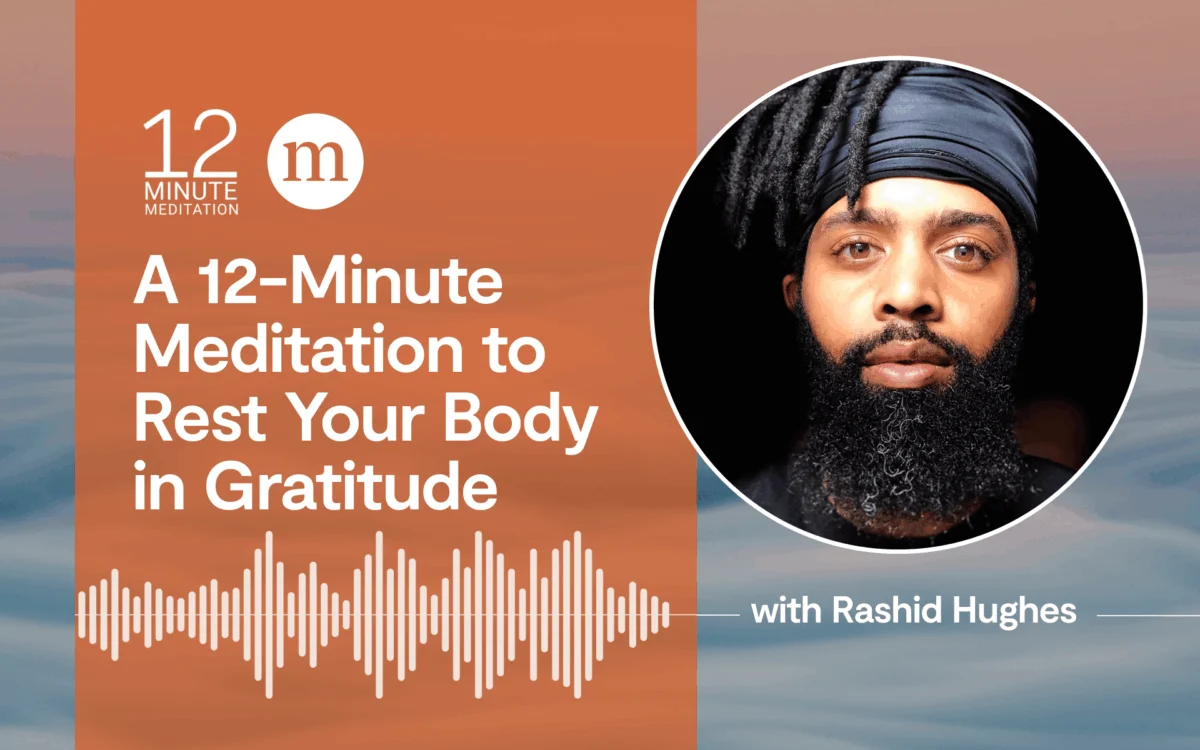
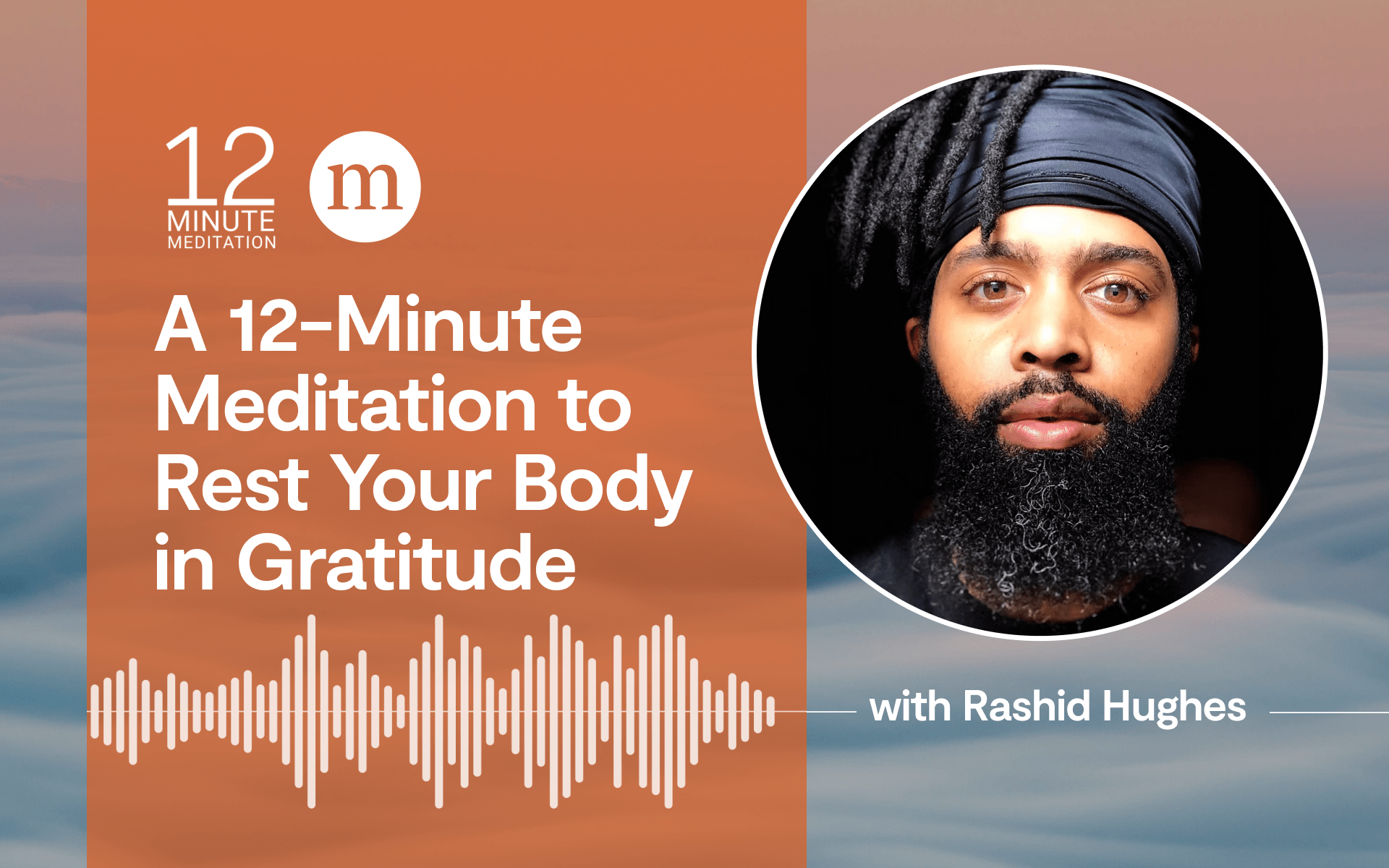
In an increasingly demanding world where the human body is often pushed to its limits and frequently overlooked, the concept of intentional rest and profound gratitude for one’s physical self is gaining critical traction. A guided awareness practice, such as the 12-minute meditation championed by Rashid Hughes, offers a profound opportunity for individuals to disengage from the relentless pace of modern life and cultivate a restorative connection with their own bodies. This practice is designed not merely as a temporary respite but as a pathway to deep restoration and renewal, fostering a sense of appreciation for the intricate beauty and enduring mystery of the human form. By encouraging participants to "rest in awareness," it seeks to counteract the pervasive societal tendency to overwork and ignore the body’s subtle signals, thereby nurturing both physical and emotional well-being.
The Growing Imperative for Mindful Restoration
Contemporary society is characterized by unprecedented levels of stress, burnout, and digital fatigue. The constant demands of work, personal responsibilities, and an always-connected digital environment leave many feeling perpetually exhausted and disconnected from their intrinsic physical and emotional states. Research consistently highlights the detrimental impact of chronic stress on both mental and physical health, contributing to conditions ranging from anxiety and depression to cardiovascular disease and weakened immune function. According to a 2023 report by the American Psychological Association, a significant majority of adults in the United States report experiencing daily stress, with many struggling to find effective coping mechanisms. In this context, practices that encourage mindful restoration and gratitude become not just beneficial, but essential tools for resilience and overall health.
The practice of "resting in awareness" is a foundational element of mindfulness. It involves deliberately pausing to bring gentle, non-judgmental attention to the present moment, including bodily sensations, thoughts, and emotions. Unlike passive relaxation, resting in awareness is an active process of observation that allows individuals to acknowledge their internal landscape without judgment or the need to change anything. When applied to the body, this practice encourages a deeper, more intimate understanding of its functions, sensations, and inherent wisdom. This approach fosters a sense of gratitude, shifting the focus from what the body cannot do or perceived imperfections to what it does accomplish tirelessly every second of every day—breathing, circulating blood, digesting food, sensing the environment, and enabling movement.
Historical Trajectory of Mindfulness and Gratitude Practices
The roots of mindful awareness and gratitude practices stretch back millennia, deeply embedded in various spiritual and philosophical traditions across the globe. Meditation, in its diverse forms, has been a cornerstone of Eastern spiritual practices, particularly Buddhism, Hinduism, and Taoism, for over 2,500 years. These ancient traditions emphasized the cultivation of inner peace, self-awareness, and compassion through sustained attention and introspection. The concept of gratitude, too, is a universal theme found in religious texts, philosophical treatises, and cultural rituals worldwide, often linked to spiritual well-being and social cohesion.
The integration of these ancient practices into mainstream Western health and wellness paradigms began in earnest in the late 20th century. A pivotal moment occurred in 1979 with the establishment of the Mindfulness-Based Stress Reduction (MBSR) program by Dr. Jon Kabat-Zinn at the University of Massachusetts Medical School. Kabat-Zinn secularized traditional Buddhist meditation techniques, stripping them of their religious connotations to create an evidence-based intervention for managing chronic pain and stress. This marked a significant turning point, bringing mindfulness into clinical settings and paving the way for rigorous scientific inquiry into its benefits.
Throughout the 1990s and 2000s, research into mindfulness exploded, demonstrating its efficacy across a wide range of conditions, from anxiety and depression to addiction and PTSD. Concurrently, positive psychology, a field that emerged in the late 1990s, began to scientifically investigate the benefits of positive emotions and character strengths, including gratitude. Researchers like Dr. Robert Emmons and Dr. Michael McCullough pioneered studies showing the profound psychological, social, and even physical benefits of regularly practicing gratitude. By the 2010s, mindfulness and gratitude had transcended their niche origins, becoming widely recognized tools in public health initiatives, corporate wellness programs, educational curricula, and personal development. This timeline underscores a gradual but definitive shift from esoteric spiritual practices to validated, accessible techniques for enhancing human well-being.
The Science Behind Body Gratitude and Awareness
The profound benefits attributed to mindful body awareness and gratitude are increasingly substantiated by robust scientific research. Neuroimaging studies have revealed that mindfulness meditation can induce significant structural and functional changes in the brain. Regular practice is associated with increased gray matter density in areas related to learning, memory, emotion regulation, and self-awareness, such as the hippocampus and the prefrontal cortex. Conversely, it has been shown to decrease the size and activity of the amygdala, the brain’s "fear center," leading to reduced reactivity to stress and enhanced emotional stability.
Physiologically, mindfulness practices have been linked to a reduction in stress hormones like cortisol, a decrease in inflammatory markers, and improvements in cardiovascular health, including lower blood pressure and improved heart rate variability. A meta-analysis published in the journal JAMA Internal Medicine in 2014, reviewing over 47 trials with 3,515 participants, concluded that mindfulness meditation programs can moderately improve anxiety, depression, and pain.
The scientific understanding of gratitude is equally compelling. Research by psychologists has consistently demonstrated that actively practicing gratitude can lead to a host of psychological benefits, including increased positive emotions (joy, optimism, pleasure), greater life satisfaction, and enhanced feelings of alertness, enthusiasm, and determination. A study published in the Journal of Personality and Social Psychology found that individuals who kept a weekly gratitude journal reported higher levels of positive emotions, felt more optimistic about the future, and even experienced fewer physical symptoms than control groups. Furthermore, gratitude has been shown to strengthen social bonds, increase empathy, and reduce materialism. When applied specifically to the body, this gratitude fosters a sense of self-compassion and acceptance, which is crucial for overall mental and physical health, mitigating the negative effects of body shaming and self-criticism.
Accessibility and Efficacy of Brief Practices
One of the most significant barriers to adopting wellness practices in modern life is the perceived lack of time. The idea of dedicating extensive periods to meditation can be daunting for many. This is where the concept of brief, targeted practices, such as a "12-minute meditation," becomes particularly impactful. These shorter sessions are highly accessible, fitting easily into busy schedules—during a lunch break, before starting the workday, or as a transitional moment in the evening.
Numerous studies support the efficacy of short meditation sessions. Even brief daily practices, sometimes as short as 5-10 minutes, have been shown to produce measurable benefits in reducing stress, improving focus, and enhancing mood. The cumulative effect of consistent, brief engagement can be as powerful, if not more so, than sporadic longer sessions. For instance, research published in Mindfulness journal indicated that even a few minutes of daily mindfulness can lead to significant reductions in rumination and improvements in working memory. This makes practices like the one advocated by Rashid Hughes a practical and potent tool for a wide demographic, democratizing access to the profound benefits of mindful self-care.
Rashid Hughes and Inclusive Mindfulness
Rashid Hughes stands as a notable figure in the contemporary mindfulness landscape, embodying a commitment to accessible and inclusive well-being. He is a multifaceted practitioner—a writer, an experienced meditation teacher, a certified yoga instructor, and a restorative justice facilitator. His work is particularly distinguished by its focus on creating spaces for healing and empowerment within communities that have historically been marginalized.
Hughes is the co-founder of the Heart Refuge Mindfulness Community, an organization based in Washington, D.C., dedicated to inspiring Black, Indigenous, and People of Color (BIPOC) to cultivate lives filled with love and courage. This initiative addresses a critical need for culturally responsive and affirming mindfulness practices, acknowledging the unique experiences and systemic challenges faced by these communities. By providing a safe and supportive environment, Heart Refuge aims to make the transformative power of mindfulness accessible and relevant to a broader audience, fostering resilience and well-being where it is often most needed.
Beyond his work with Heart Refuge, Hughes is an Affiliate Teacher for the Insight Meditation Community of Washington D.C. and a teacher for the Presence Collective, further extending his reach and influence. His academic background, including a Master of Divinity Degree from the Howard University School of Divinity, informs his holistic approach to spiritual and communal well-being. His recent publication in Lion’s Roar Magazine, titled "When Aggression Masquerades as Compassion," highlights his insightful contributions to contemporary discussions on ethical living and authentic engagement within contemplative practices. Hughes’s leadership underscores the evolving understanding that mindfulness must be intersectional and address the diverse needs and lived realities of all individuals to truly foster collective well-being.
Expert Perspectives on Mindful Self-Care
Leading experts in mental health and contemplative sciences underscore the critical role of practices such as the 12-minute body gratitude meditation. Dr. Eleanor Vance, a prominent researcher in contemplative neuroscience at the University of California, Berkeley, highlights that "short, intentional practices like the one advocated by Hughes are crucial in today’s fast-paced world. They serve as vital micro-interventions that can cumulatively shift an individual’s stress response, enhance emotional regulation, and significantly boost overall well-being. The focus on gratitude for the body is particularly powerful, as it directly counters societal pressures that often lead to self-criticism and disconnection from our physical selves."
Healthcare professionals also increasingly recognize the therapeutic potential of integrating mindful body awareness into patient care. According to Dr. Anya Sharma, a registered nurse and holistic health practitioner affiliated with a major metropolitan hospital network, "Integrating mindful body awareness into daily routines can significantly complement traditional medical treatments. Patients suffering from chronic pain, anxiety, or even post-operative recovery often report improved pain management, enhanced emotional regulation, and a greater sense of agency over their health. This practice validates the profound body-mind connection, demonstrating that our mental state directly impacts our physical experience and vice versa." These expert viewpoints emphasize the scientific validity and practical utility of such accessible mindfulness practices.
Broader Implications for Health and Society
The widespread adoption of accessible mindful practices, such as a 12-minute body gratitude meditation, carries significant broader implications for public health and societal well-being. On an individual level, consistent engagement can lead to reduced rates of stress-related illnesses, improved mental health outcomes, and a greater capacity for resilience in the face of adversity. This could potentially alleviate some of the burden on overwhelmed healthcare systems.
Societally, fostering a culture of body gratitude and mindful awareness can contribute to a more compassionate and empathetic community. When individuals are more attuned to their own physical and emotional needs, they are often better equipped to understand and respond to the needs of others. Organizations like the Heart Refuge Mindfulness Community exemplify how these practices can be tailored to address specific community needs, fostering healing and empowerment within underserved populations. This approach to well-being supports a shift away from purely curative models of health towards preventative and holistic strategies, emphasizing self-care and inner resources.
Furthermore, integrating mindfulness into daily life can enhance productivity and creativity in workplaces, reduce conflict in personal relationships, and improve overall quality of life. The emphasis on self-acceptance and appreciation for the body challenges pervasive cultural narratives that often promote unrealistic beauty standards and self-criticism. By encouraging individuals to acknowledge and honor their bodies, these practices promote a healthier, more integrated sense of self, leading to more sustainable personal and collective well-being.
In conclusion, the simple yet profound act of taking a 12-minute pause to rest in awareness and cultivate gratitude for one’s body, as guided by Rashid Hughes, represents a potent intervention in the pursuit of holistic health. Backed by historical tradition, scientific evidence, and the dedication of practitioners committed to inclusive wellness, this practice offers an accessible pathway to restoration, renewal, and a deeper connection with the self. In an era defined by relentless demands, the wisdom of pausing to acknowledge and appreciate the diligent work of one’s own body stands as a powerful testament to the transformative potential of consistent, even brief, mindful practice.