Muhammad Hendra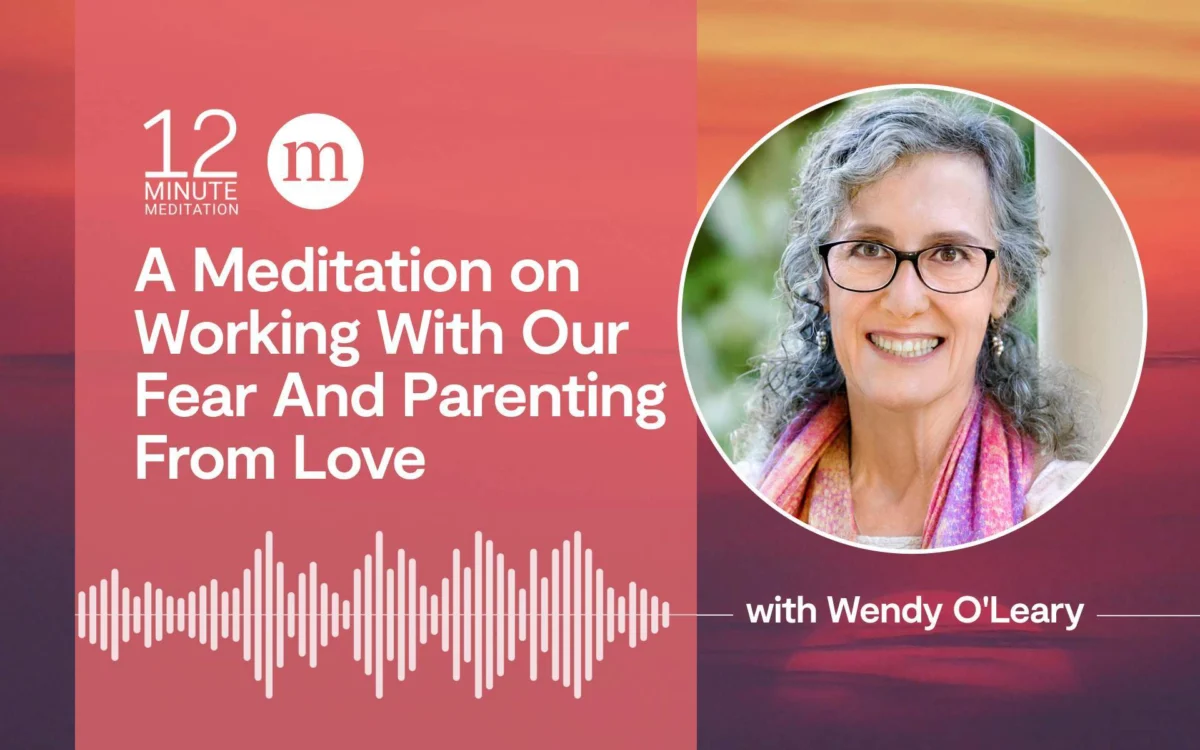
The pervasive challenges of modern parenting often lead individuals to experience profound seasons of struggle, marked by anxiety and emotional disconnection from their children. This widespread phenomenon underscores a critical need for accessible, evidence-based practices that can help parents regain a sense of steadiness and operate from a place of love, rather than fear. Experts in child development and mental health are increasingly advocating for gentle, mindful approaches, such as the practice offered by educator Wendy O’Leary, as vital tools for parents seeking to reconnect with their innate capacity for compassionate wisdom, especially during moments of difficulty. The ability to pause, reflect, and re-center oneself is not merely a personal preference but is emerging as a fundamental skill for maintaining healthy family dynamics and promoting the emotional resilience of both parents and children in an increasingly demanding world.
The Evolving Landscape of Modern Parenthood and Its Pressures
Parenting in the 21st century presents a unique confluence of demands that often exceed those faced by previous generations. Economic pressures, including rising costs of living and the necessity for many households to have multiple income earners, contribute significantly to parental stress. A 2023 report by the American Psychological Association (APA) indicated that a substantial percentage of parents report high levels of stress related to financial concerns and the constant juggle of work-life balance. Beyond economic factors, the pervasive influence of social media has introduced new dimensions of comparison and perceived inadequacy, as parents are inundated with curated images of "perfect" families and parenting styles, often leading to feelings of guilt and self-doubt. Academic expectations placed on children, often starting at increasingly younger ages, translate into additional pressure on parents to ensure their children’s success, further exacerbating anxieties.
This confluence of external pressures is compounded by internal struggles. The natural concern parents feel for their children’s well-being can, if unchecked, morph into overwhelming fear and worry. While rooted in love, this fear can ironically lead to reactive, rather than responsive, parenting. In such moments, the deep, unconditional love that forms the bedrock of the parent-child relationship can become obscured, replaced by irritability, impatience, or even emotional withdrawal. Studies on parental burnout, a recognized psychological syndrome, reveal symptoms akin to occupational burnout, including emotional exhaustion, a sense of inefficacy, and detachment from one’s children. Data from research published in journals like Frontiers in Psychology consistently highlight the adverse effects of chronic parental stress on both parental mental health and child development, demonstrating links to increased behavioral problems in children and diminished parental capacity for warm, supportive interactions.
The Therapeutic Power of Mindfulness and Self-Compassion
In response to these escalating challenges, mindfulness and self-compassion practices have gained significant traction within the fields of psychology, education, and family therapy. Mindfulness, broadly defined as paying attention to the present moment without judgment, allows individuals to observe their thoughts, feelings, and bodily sensations with a sense of calm detachment. Self-compassion, a related but distinct practice, involves treating oneself with kindness, understanding, and acceptance, particularly during times of suffering or perceived failure, rather than with harsh self-criticism.
The integration of these practices into parenting strategies represents a paradigm shift from purely behavioral management techniques to a more holistic approach that prioritizes the emotional well-being of the parent as foundational to the well-being of the child. Early proponents of mindfulness in healthcare, such as Jon Kabat-Zinn, laid the groundwork for its broader application, demonstrating its efficacy in stress reduction. Over the past two decades, researchers and practitioners have specifically adapted these principles for the unique context of parenting. Programs like Mindfulness-Based Stress Reduction for Parents (MBSR-P) and Mindful Self-Compassion for Parents (MSC-P) have emerged, providing structured frameworks for parents to cultivate these skills. These programs typically involve guided meditations, reflective exercises, and group discussions aimed at enhancing emotional regulation, reducing reactivity, and fostering a deeper connection with children.
Wendy O’Leary’s Contribution to Mindful Parenting
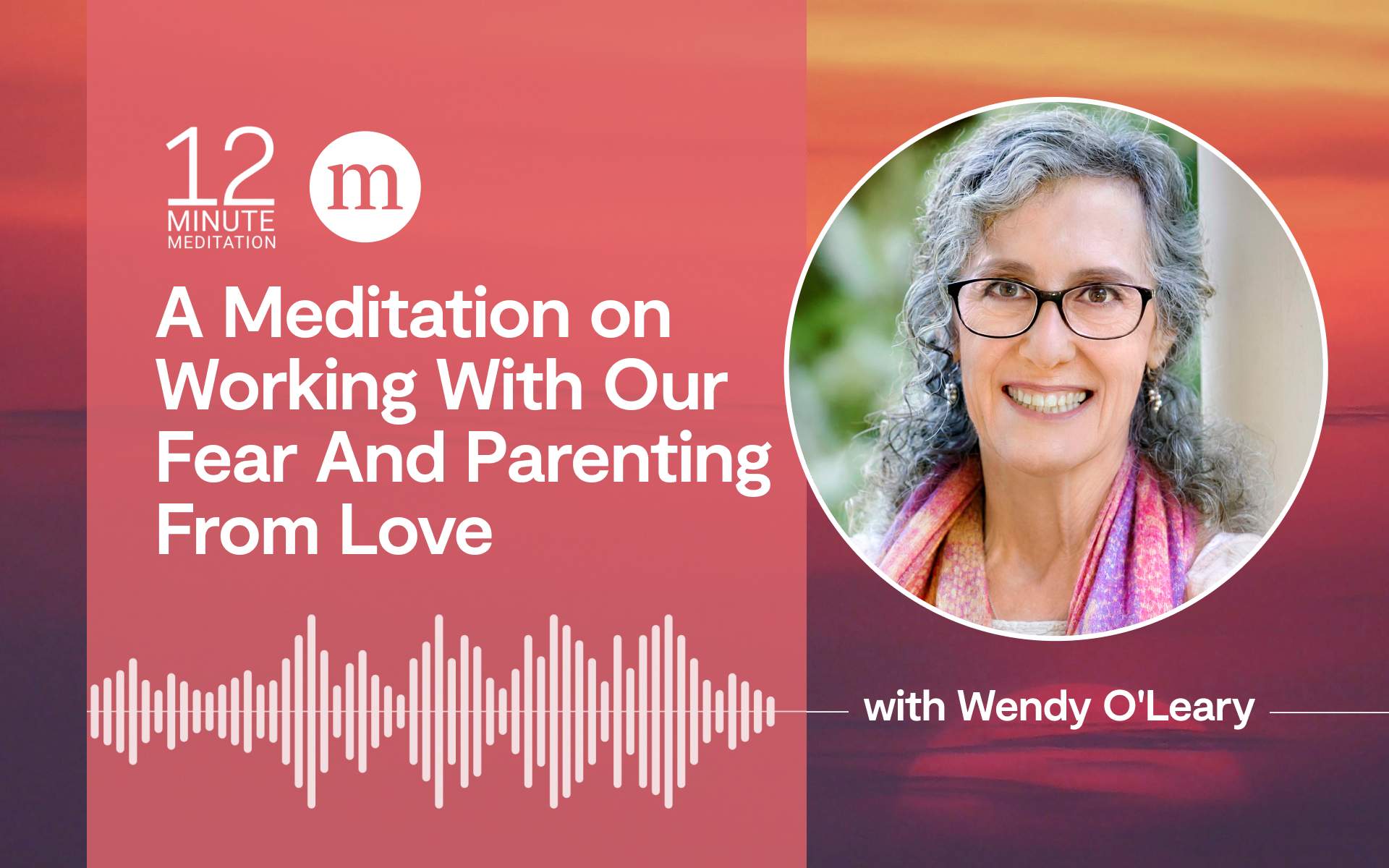
Among the dedicated experts contributing to this evolving field is Wendy O’Leary, M.Ed., an author, health educator, certified mindfulness teacher, parent educator, and self-compassion advocate. With a distinguished background in emotional resilience education for both children and adults, O’Leary has become a prominent voice advocating for the integration of self-compassion into family life. Her work, including several children’s books and an adult book on self-compassion in families, underscores her commitment to making these practices accessible and understandable for a wide audience.
O’Leary’s specific contribution to addressing parental distress centers on a practical, accessible "pause of support and encouragement." This practice is designed to serve as an immediate anchor for parents caught in moments of difficulty, offering a pathway back to their core compassionate wisdom. The essence of her method is to help parents consciously shift their internal state from one dominated by fear and worry to one grounded in love and the genuine wish for their children’s happiness and well-being. This shift is not about denying difficult emotions but rather about acknowledging them without being consumed by them, thereby creating space for a more intentional and loving response. By providing a structured moment for self-reflection and reconnection, O’Leary’s practice empowers parents to interrupt habitual reactive patterns and instead choose responses aligned with their deepest values. Her upcoming publication, a card deck for children titled "Let’s Grow Happiness," created in collaboration with Helen Maffini and scheduled for release in April 2026, further exemplifies her dedication to fostering emotional resilience from an early age, demonstrating a holistic approach to family well-being that extends beyond parental practices to direct engagement with children.
Supporting Data and Research on Mindfulness for Parents
The growing adoption of mindfulness and self-compassion in parenting is not merely anecdotal; it is increasingly supported by a robust body of scientific research. Numerous studies have demonstrated the tangible benefits of these practices for both parents and children:
- Reduced Parental Stress and Burnout: A meta-analysis published in Clinical Psychology Review found that mindfulness-based interventions significantly reduce stress, anxiety, and depression in parents. Participants often report lower levels of perceived stress and improved emotional regulation. This reduction in parental stress is critical, as chronic stress can have detrimental effects on physical health, including elevated cortisol levels and increased risk of cardiovascular disease.
- Improved Parent-Child Relationships: Research consistently shows that mindful parents tend to be more attuned to their children’s needs, exhibit greater empathy, and engage in more positive parenting behaviors. A study in the Journal of Child and Family Studies reported that parents who practiced mindfulness showed increased responsiveness and decreased reactivity to their children’s challenging behaviors, leading to stronger parent-child bonds and more harmonious family environments.
- Enhanced Emotional Regulation in Children: The benefits extend directly to children. When parents model mindful emotional regulation, children learn these skills through observation and interaction. Studies indicate that children of mindful parents often exhibit better emotional self-regulation, reduced behavioral problems, and improved social-emotional competence. A longitudinal study might show these children having better academic outcomes and mental health into adolescence.
- Increased Parental Self-Compassion: Crucially, these practices foster self-compassion in parents, which acts as a buffer against self-criticism and guilt. Parents who are kinder to themselves are better equipped to handle the inevitable imperfections of parenting, leading to greater resilience and a more sustainable approach to their roles. This self-kindness translates into more patience and understanding for their children.
These findings underscore the scientific validity and practical utility of integrating mindfulness and self-compassion into parenting strategies. Educational institutions, healthcare providers, and community organizations are increasingly recognizing this evidence, leading to the development and implementation of mindfulness programs tailored for families across various settings.
A Chronology of Understanding and Intervention
The evolution of understanding parental stress and the development of mindfulness-based interventions can be traced through several key phases:
- Mid-20th Century: Early psychological theories focused on child development, with less emphasis on the specific mental health of parents beyond pathological conditions. Parenting advice was often prescriptive and behaviorally focused.
- 1970s-1980s: The emergence of stress research and the popularization of mindfulness through figures like Jon Kabat-Zinn began to shift perspectives, highlighting the impact of stress on individuals and the potential of meditative practices.
- 1990s-Early 2000s: Research started to specifically explore parental stress and its impact on children. The concept of "parental burnout" began to be theorized, and the first adaptations of mindfulness for specific populations, including parents, started to appear.
- 2010s: A significant surge in research on mindful parenting occurred. Academic journals published numerous studies on the efficacy of mindfulness-based interventions in reducing parental stress, improving parent-child relationships, and enhancing child outcomes. Experts like Wendy O’Leary began publishing materials and developing programs to make these concepts widely accessible.
- 2020s and Beyond: Mindfulness and self-compassion are increasingly integrated into mainstream parenting advice, public health initiatives, and educational curricula. The development of digital resources, online courses, and specialized tools like O’Leary’s upcoming card deck signifies a broad acceptance and continuous innovation in this field, moving towards preventive and proactive mental health support for families.
Statements and Reactions from Related Parties
The growing consensus among experts, organizations, and the wider parenting community reinforces the value of mindful and self-compassionate approaches.
"The psychological community has long recognized the immense pressures on parents," states Dr. Eleanor Vance, a prominent child psychologist specializing in family dynamics. "What’s encouraging is the increasing evidence supporting mindfulness and self-compassion as effective tools. They don’t just help parents cope; they fundamentally transform the parent-child relationship by fostering greater presence and emotional availability."
Organizations dedicated to family well-being, such as the National Parent-Teacher Association (NPTA) and various mental health advocacy groups, are actively incorporating mindful parenting resources into their recommendations. "We see firsthand how parental stress can ripple through families," says Maria Rodriguez, a spokesperson for a leading family support network. "Providing parents with practical strategies like Wendy O’Leary’s pause practice empowers them to build resilience, not just for themselves, but for their children’s future."
Furthermore, anecdotal evidence from parents who have engaged with these practices consistently highlights their transformative potential. "Before I started practicing mindfulness, I felt constantly overwhelmed and often reacted to my kids out of frustration," shares Sarah M., a mother of two. "Learning to pause and reconnect with my underlying love has been a game-changer. It’s not always easy, but it allows me to be the parent I want to be, even on the toughest days."
Broader Impact and Implications for Society
The widespread adoption of mindfulness and self-compassion in parenting carries significant broader implications, extending beyond individual families to impact communities and society as a whole.
Firstly, a generation of more emotionally regulated and compassionate parents is likely to foster children with stronger emotional intelligence and resilience. Children who grow up in environments where emotions are acknowledged, understood, and managed mindfully are better equipped to navigate their own challenges, build healthy relationships, and contribute positively to society. This represents a proactive public health strategy, potentially reducing the future incidence of mental health disorders and promoting overall well-being.
Secondly, prioritizing parental self-care and emotional well-being through practices like mindfulness challenges the traditional narrative that often expects parents, particularly mothers, to be endlessly self-sacrificing. By validating the need for parents to attend to their own internal states, these approaches promote a more sustainable and equitable model of parenthood, recognizing that a parent’s well-being is not a luxury but a prerequisite for effective and loving caregiving. This shift can contribute to healthier workplaces, stronger social support systems, and a more compassionate societal understanding of the demands of raising children.
Finally, the integration of these practices signifies a cultural evolution towards recognizing the intricate connection between internal states and external behaviors. As more families embrace mindfulness, it can contribute to a more empathetic and less judgmental society, where understanding and self-awareness are valued traits. This can ripple into educational systems, healthcare, and even public policy, fostering environments that are more supportive of holistic human development from childhood through adulthood.
In conclusion, the struggles faced by modern parents are substantial, yet solutions rooted in mindfulness and self-compassion offer a profound path forward. The work of educators like Wendy O’Leary, in providing accessible practices for reconnecting with love and steadiness, is not just a personal aid for individual parents but a vital contribution to building more resilient, compassionate families and, by extension, a healthier society. Embracing these practices represents an investment in the emotional infrastructure of the next generation, ensuring that the foundational relationship between parent and child is grounded in unwavering love and wisdom, even amidst life’s inevitable challenges.