Cintya Tara Annisa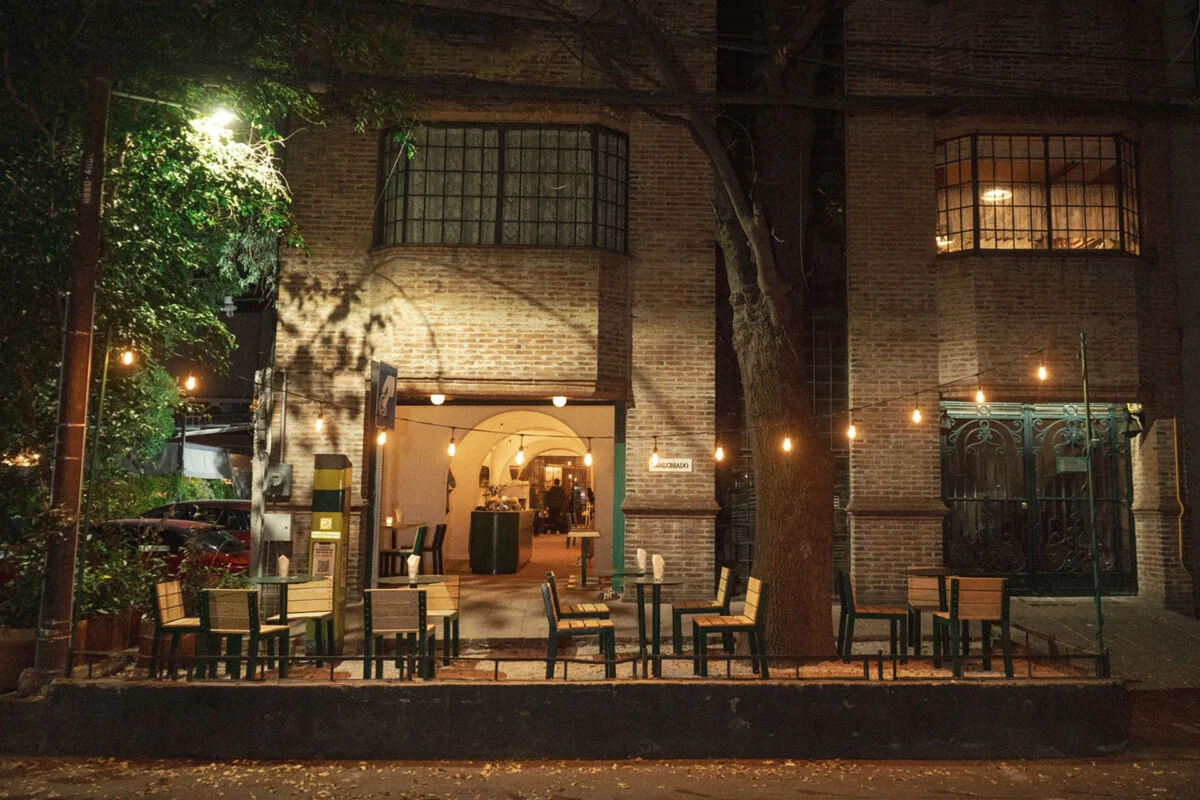
Mexico City’s Condesa neighborhood has emerged as a global epicenter for specialty coffee, characterized by a unique intersection of Art Deco architecture, European-style urban planning, and a rigorous commitment to domestic sourcing. Unlike the sprawling metropolitan rush that defines much of the Mexican capital, Condesa operates on a deliberate cadence. Centered around the oval-shaped Avenida Ámsterdam and the verdant Parque México, the district’s walkable grid has fostered a dense ecosystem of high-end roasteries and cafes. This development is not merely a byproduct of gentrification but represents a sophisticated maturation of the Mexican coffee industry, moving away from commodity exports toward a model that prioritizes traceability, direct trade, and technical precision.
The Socio-Economic Context of Mexican Specialty Coffee
The rise of the "Third Wave" coffee movement in Mexico City must be understood within the broader context of the nation’s agricultural history. Mexico is one of the world’s largest producers of organic coffee, with production concentrated in the southern states of Chiapas, Oaxaca, and Veracruz. Historically, much of the high-quality Arabica produced in these regions was destined for export markets in Europe and the United States. However, the last decade has seen a significant shift as domestic demand for specialty-grade beans has surged.
According to data from the International Coffee Organization, Mexico’s domestic consumption has grown steadily, fueled by a younger, more discerning demographic in urban centers like CDMX. In Condesa, this shift is visible in the proliferation of cafes that act as bridges between rural producers and urban consumers. By sourcing directly from regions such as Hidalgo and Chiapas, these establishments ensure that a larger share of the value chain remains within the local economy while providing baristas with the high-quality raw materials necessary for precision brewing.
Chronology of the Condesa Coffee Movement
The transformation of Condesa into a coffee destination began in earnest following the 1985 earthquake, which led to a period of revitalization in the Roma and Condesa districts. While the 1990s and early 2000s were defined by a bohemian resurgence, the specialized coffee scene began to solidify around 2012. This era marked the transition from "traditional" cafes to establishments focused on the science of the bean.
The neighborhood’s layout—originally designed in the early 20th century on the site of a former horse racing track—provided the ideal infrastructure for this growth. The wide, tree-lined boulevards and shaded sidewalks allowed for the "spillover" culture seen in European cities, where the act of drinking coffee is inseparable from the public life of the street. Today, the density of specialty shops in Condesa is among the highest in Latin America, with many businesses roasting in-house or through dedicated local collectives.
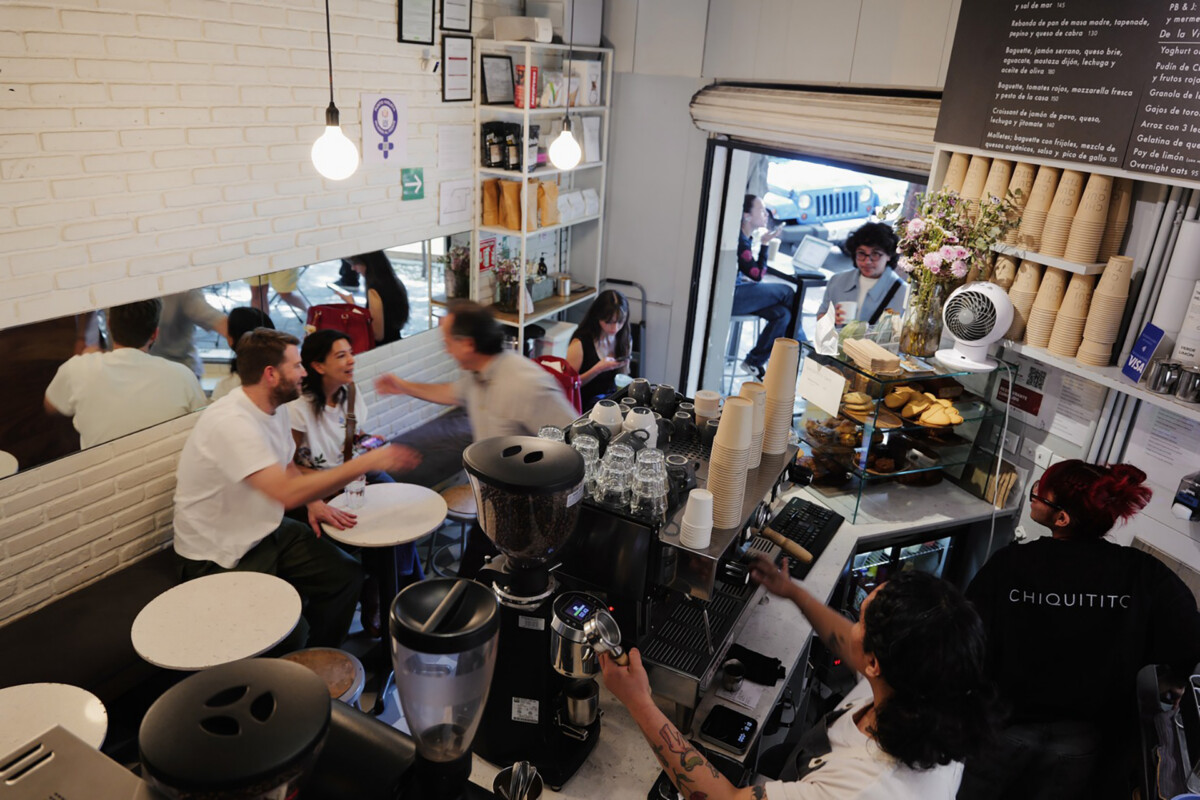
Chiquitito: The Standard-Bearer for Traceability
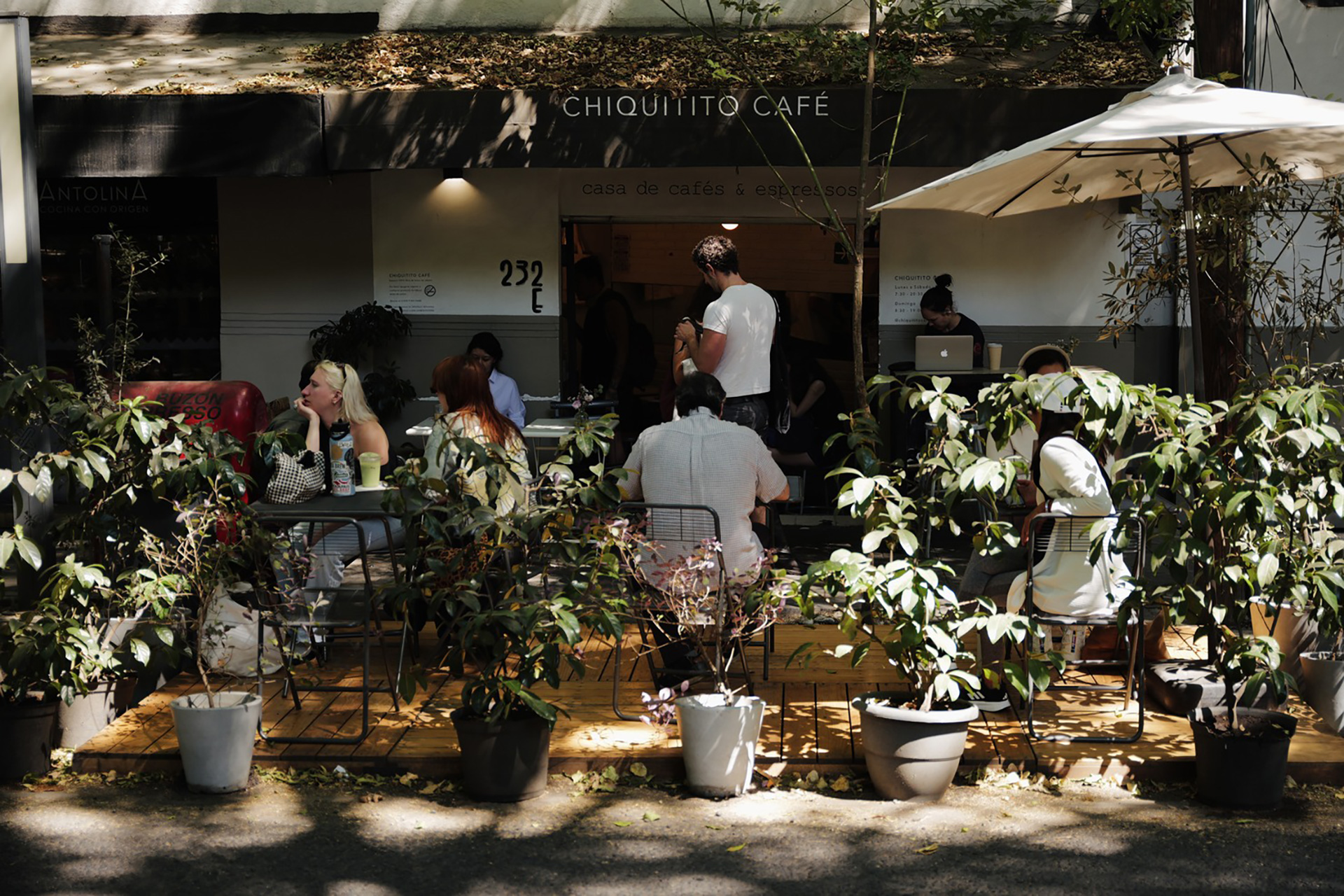
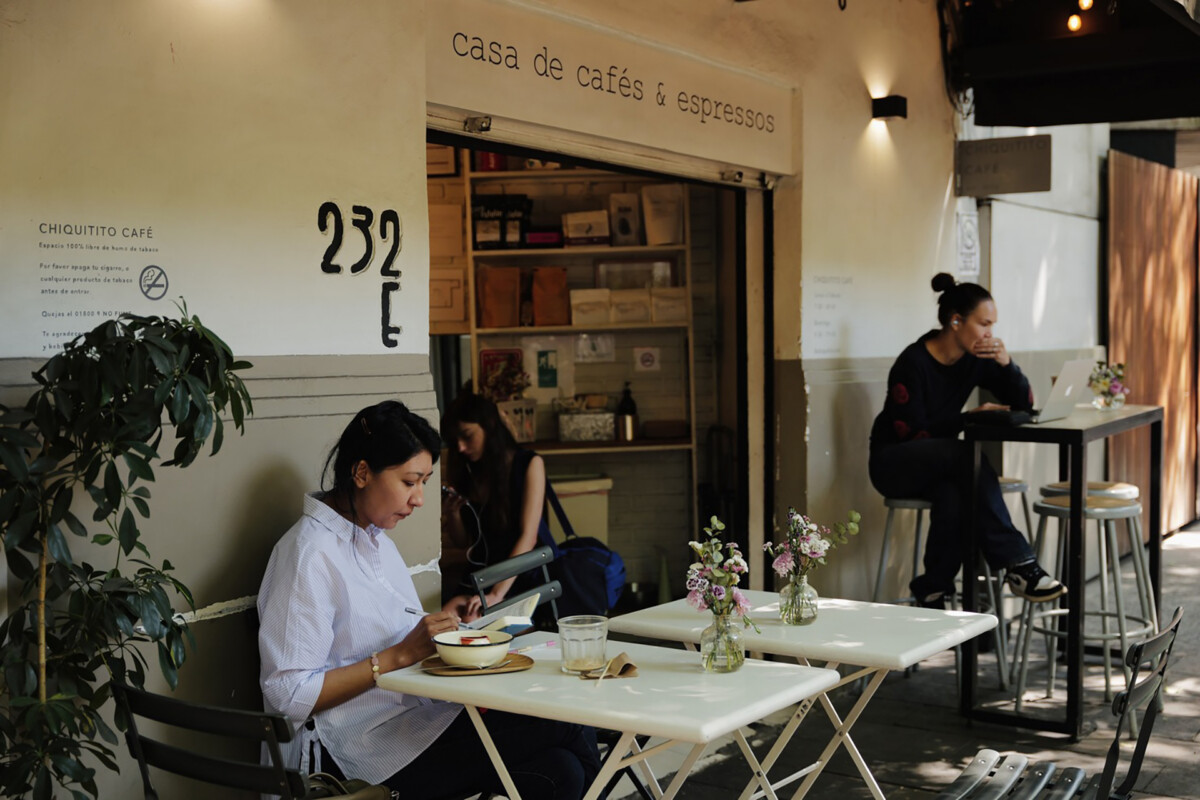
Established in 2012, Chiquitito serves as a foundational pillar of the Condesa specialty scene. Located at the intersection of Alfonso Reyes and Aguascalientes, the cafe’s name—meaning "very tiny"—reflects its minimalist footprint. Despite its size, Chiquitito has been instrumental in advocating for fair trade and traceability within the Mexican market.
The cafe utilizes a La Marzocco espresso machine and Mazzer grinders, industry-standard equipment that allows for the precise extraction of beans sourced from Boca del Monte, Veracruz. The technical rigor extends to their manual brew bar, which features AeroPress, Chemex, French press, and V60 setups. By providing a precisely measured glass beaker with every pour-over, Chiquitito emphasizes the chemistry of coffee. Industry analysts note that Chiquitito’s success helped prove that small-scale, high-quality operations could compete with larger chains by focusing on the narrative of the producer and the technical skill of the barista.
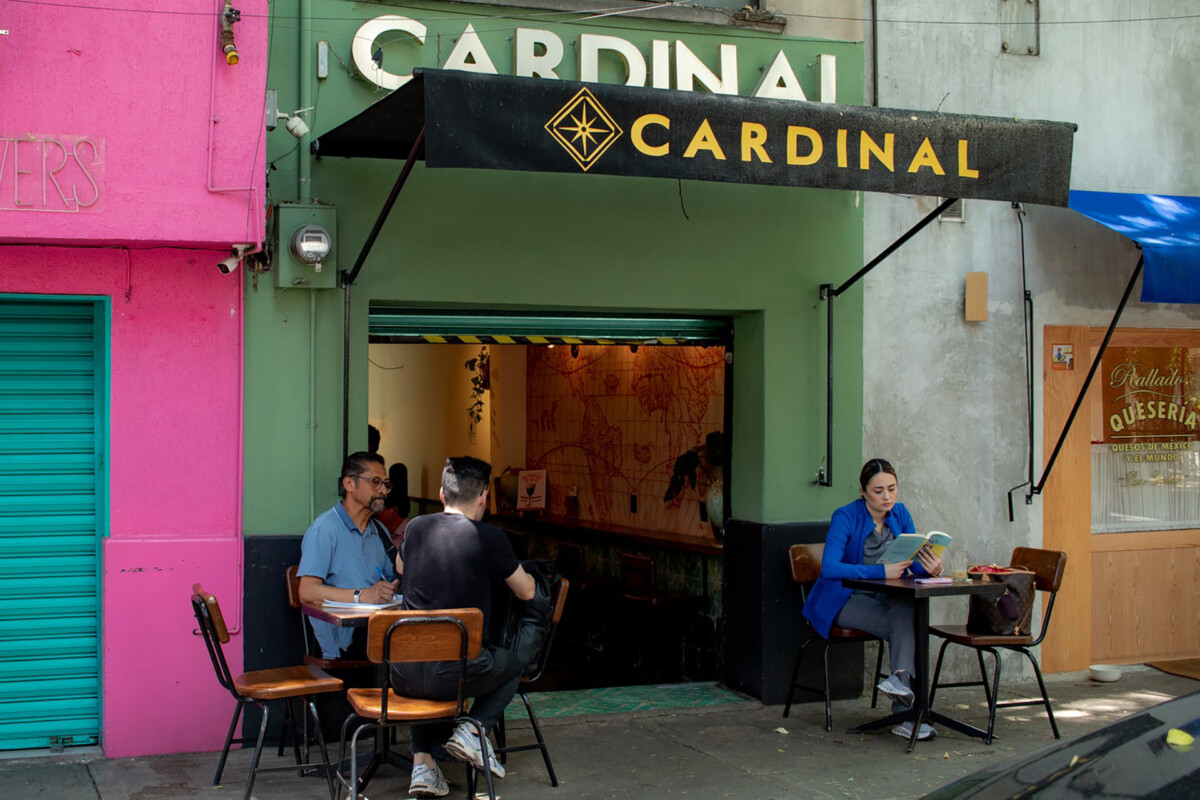
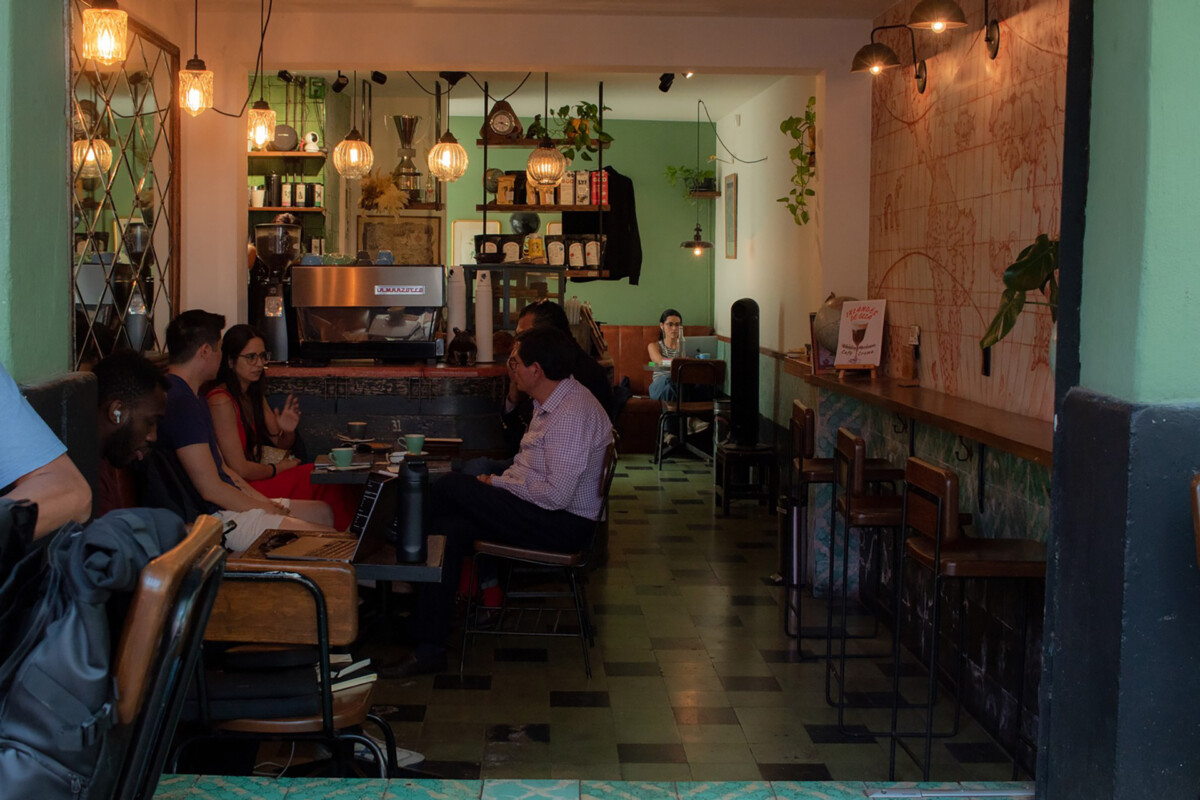
Cardinal: Integrating Gastronomy and Atmosphere
Further into the heart of the neighborhood, Cardinal provides a case study in the integration of coffee culture with the broader hospitality industry. The cafe’s aesthetic—dominated by deep greens and blues, reclaimed wood, and a black onyx pig guarding the espresso bar—suggests a transition from the clinical feel of some specialty shops to a more lived-in, atmospheric environment.
Cardinal is notable for its "Serpientes and Escaleras" (Snakes and Ladders) menu, which bridges the gap between morning caffeine rituals and evening social hours. The inclusion of coffee-focused cocktails, such as the Carajillo and Coffee Spritz, reflects a growing trend in Mexico City where cafes evolve into multi-functional spaces as the day progresses. This hybrid model has become essential for economic sustainability in high-rent districts like Condesa, allowing businesses to maximize foot traffic from morning commuters and afternoon tourists alike.
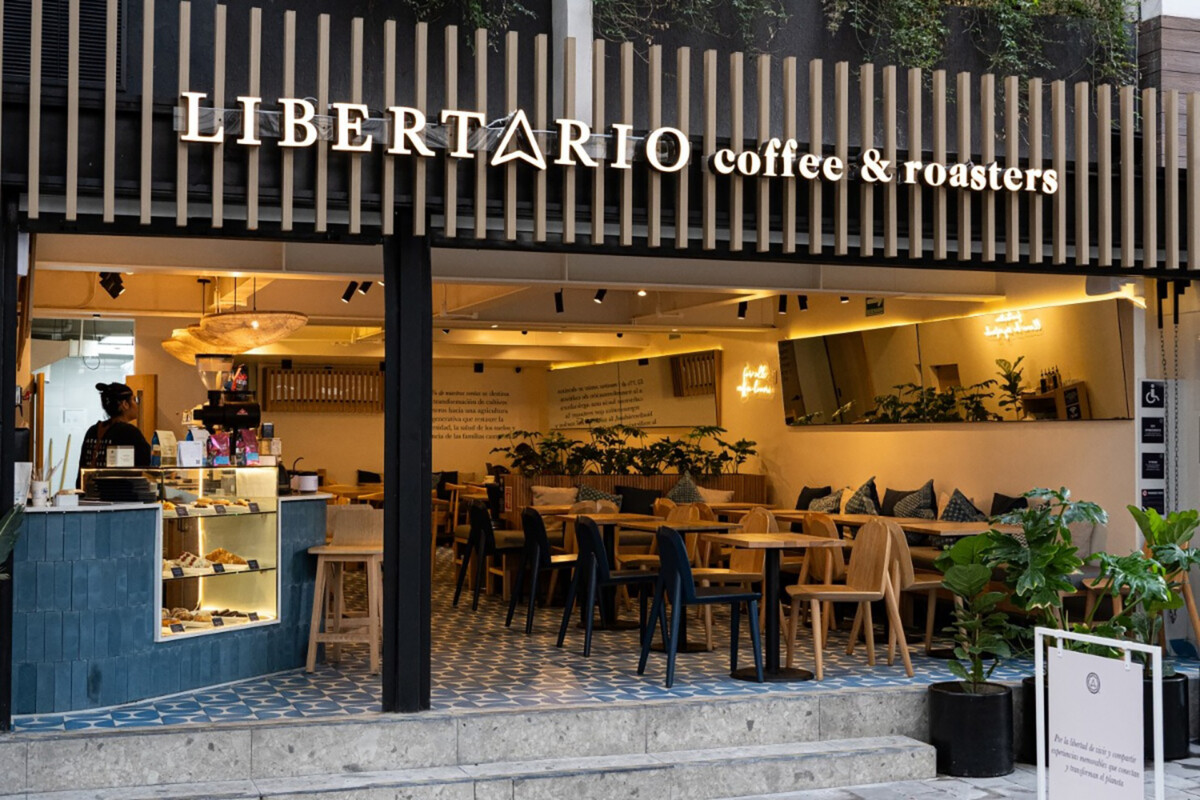
Libertario: A Model for Regenerative Agriculture
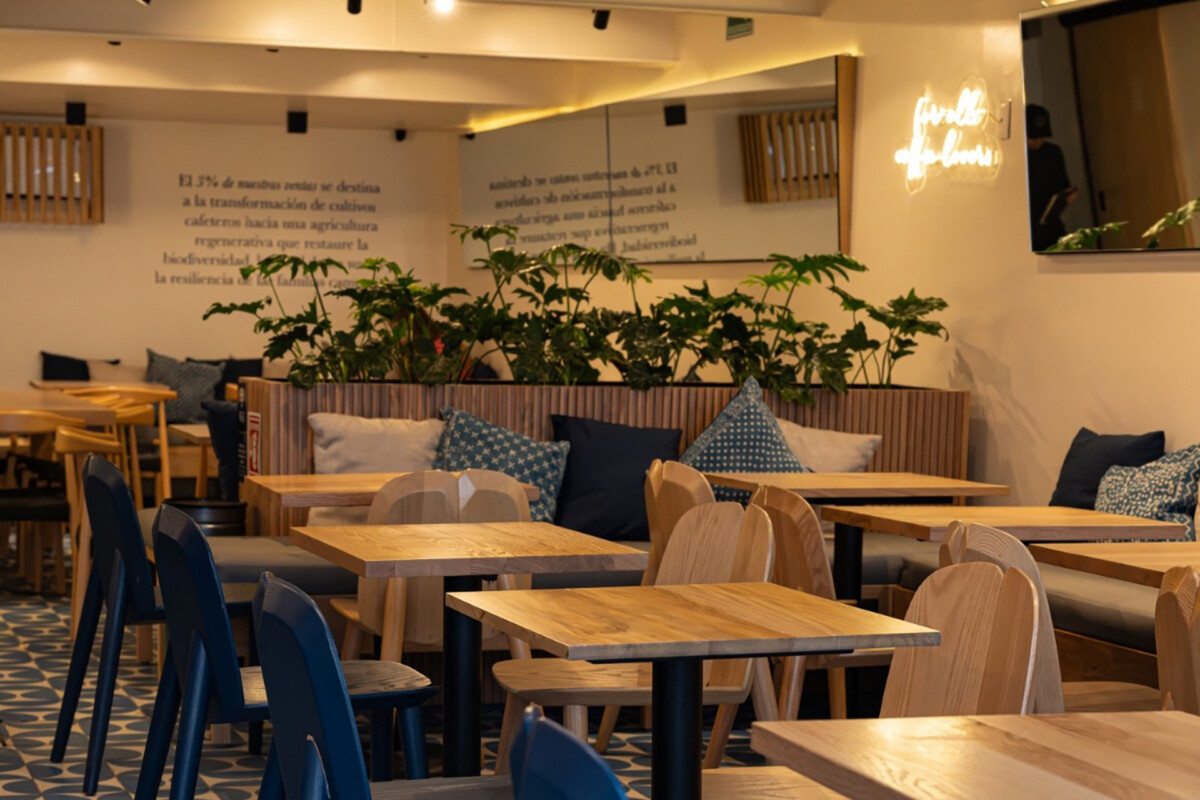
Libertario represents the more ideological wing of the Condesa coffee scene. Founded in 2015 with Colombian roots, the roastery has implemented a consumer-facing menu system that categorizes coffee by sensory profile—Paz (balanced), Libre (fruity), Rock (eccentric), and Punk (juicy)—rather than strictly by origin. This approach democratizes specialty coffee, making it accessible to consumers who may not be familiar with the nuances of micro-climates but understand their own palate preferences.
Beyond the counter, Libertario’s impact is measured through its commitment to environmental stewardship. The company directs 3% of every sale toward regenerative agriculture initiatives. This is a critical intervention at a time when climate change poses an existential threat to coffee production in Latin America. By building direct relationships with growers in Colombia and Panama, Libertario ensures that their sourcing practices support long-term soil health and biodiversity. Their use of the Dalla Corte XT, a precision Italian espresso machine, allows baristas to maintain consistent quality while honoring the complex profiles of these sustainably grown beans.
Malcriado: The Intersection of Coffee and Natural Wine
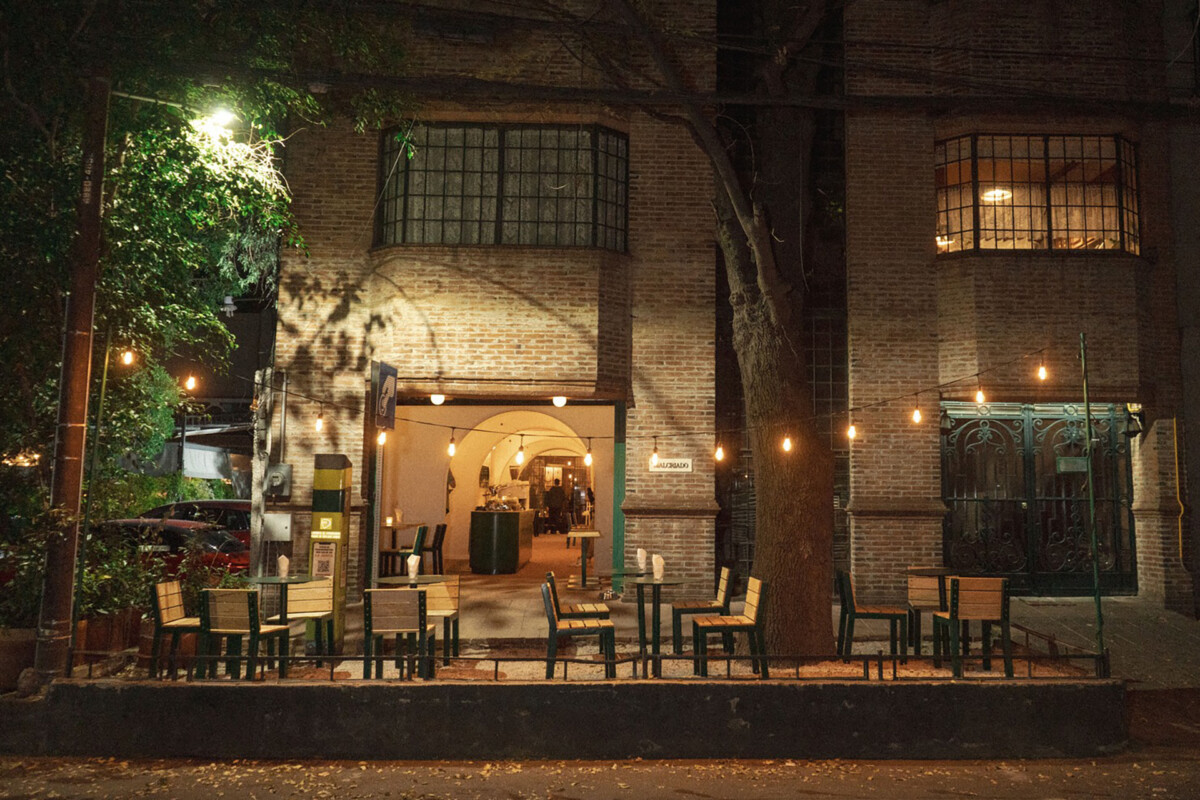
Malcriado exemplifies the rebellious spirit often associated with Condesa’s creative class. Operating as a cafe by day and a natural wine bar by night, the establishment maintains a high level of technical rigor in both disciplines. The coffee program is overseen by Emilio Patiño, who brings expertise from Cafeología, a prestigious research and production project based in San Cristóbal de las Casas, Chiapas.
The team at Malcriado performs "cupping" (professional tasting) twice daily to monitor the evolution of their beans, which are sourced exclusively from Chiapas. This level of scrutiny is typically reserved for high-end roasteries, yet it is applied here within a bistro setting. The culinary program, led by Chef Valeria Velásquez, complements the beverage offerings with a Mediterranean-Mexican fusion. The success of Malcriado suggests that the future of specialty coffee in Condesa lies in its ability to integrate with other high-quality artisanal products, such as natural wine and sourdough-based gastronomy.
Bakers and Blend Station: Technical Scale and Community
While many Condesa cafes are small-scale, Bakers and Blend Station demonstrate how specialty coffee can be scaled without losing its artisanal focus. Bakers, situated on the border of Roma Norte and Condesa, utilizes Nuova Simonelli equipment to anchor an espresso program that is secondary to—but equal in quality with—its in-house bakery. The presence of traditional Mexican flavors, such as the guava and cheese cruffin, highlights the neighborhood’s ability to modernize classic pastries for a global audience.
Blend Station, designed by the Mexican studio Futura, offers a more expansive footprint, accommodating up to 70 patrons. The operation is led by co-owner Abril Solis, a certified Q grader and national barista competition judge. This level of professional accreditation ensures that the coffee program remains at the cutting edge of the industry. Blend Station roasts 100% Mexican beans on a 12kg Diedrich roaster, organizing their menu by processing style (washed, honey, and natural). Their "Café con Causa" program provides financial support to farming communities, reinforcing the social responsibility that has become a hallmark of the Condesa coffee scene.
Broader Impact and Industry Implications
The concentration of specialty coffee in Condesa has had significant implications for Mexico City’s urban development and its standing in the global culinary world. From an urban planning perspective, the success of these cafes validates the "15-minute city" concept, where essential services and amenities are within a short walk. The pedestrian-friendly nature of Condesa, enhanced by its coffee culture, has made it a primary destination for international visitors and digital nomads, contributing to the city’s tourism revenue.
However, this growth also presents challenges. The rising cost of real estate in Condesa has placed pressure on smaller operators, leading to concerns about the long-term diversity of the neighborhood’s business ecosystem. Furthermore, as specialty coffee becomes a symbol of gentrification, there is an ongoing dialogue regarding the inclusivity of these spaces for the broader Mexican population.
Technologically, the neighborhood serves as a living laboratory for the latest in brewing science. The prevalence of high-end equipment from manufacturers like La Marzocco, Faema, and Dalla Corte indicates a significant capital investment in the local coffee infrastructure. This technical proficiency has raised the bar for the entire city, forcing even casual diners to improve their coffee offerings to remain competitive.
Conclusion
Condesa’s specialty coffee scene is a testament to the sophistication of Mexico’s modern culinary landscape. By combining world-class technical skills with a deep respect for domestic agricultural traditions, the neighborhood’s cafes have created a model for sustainable, high-quality urban hospitality. As the industry continues to evolve, the lessons learned in the streets of Condesa—regarding traceability, sensory education, and community engagement—will likely influence coffee culture far beyond the borders of Mexico City. The neighborhood remains a vital link in the global coffee supply chain, proving that the journey from the farms of Chiapas to the Art Deco balconies of CDMX is one of both economic importance and profound cultural expression.