Cintya Tara Annisa
The specialty coffee industry has reached a period of unprecedented agricultural and processing innovation, driven by a global shift toward high-transparency sourcing and complex fermentation techniques. As consumers navigate an increasingly saturated market, the demand for curated, expert-vetted selections has grown exponentially. This report examines the current landscape of premier coffee offerings, synthesized from a network of international roasting partners who are currently pushing the boundaries of flavor profiles, ethical supply chains, and technical processing methods.
The Evolution of Specialty Coffee Sourcing
In the last decade, the specialty coffee sector has transitioned from a focus primarily on region and altitude to an emphasis on post-harvest processing and varietal specificity. Data from the International Coffee Organization (ICO) indicates that the "third wave" movement—characterized by high-quality, single-origin beans—has seen a consistent annual growth rate of approximately 5% in developed markets. This shift is clearly reflected in the current offerings from elite roasters, who are increasingly moving away from bulk-commodity sourcing in favor of direct-trade partnerships that emphasize social equity and environmental stewardship.
The current trend toward experimental processing, such as the anaerobic fermentation seen in Rwandan and Indonesian lots, represents a move toward controlled, scientific approaches to coffee production. By manipulating the environment in which the coffee cherry breaks down, farmers are able to highlight specific chemical compounds that translate into intense, non-traditional tasting notes like tropical fruit, wine-like acidity, and heavy, syrup-like body.
Chronology of Recent Innovations in Coffee Processing
To understand why the current list of featured coffees is so significant, one must look at the rapid technological advancements in the field over the past five years:
- 2021-2022: The emergence of "luxury" processing. Geisha varieties, long considered the gold standard, began being paired with advanced fermentation techniques, such as the red honey method and thermal shock processes, to enhance their naturally floral and citrus-heavy profiles.
- 2023-2024: A focus on social equity and producer-led initiatives. Major industry players began shifting their marketing and sourcing efforts toward programs like Café Feminista and regional community cooperatives, moving beyond the simple "direct trade" label to verify the socio-economic impacts on farmers.
- 2025-2026: The current "era of specificity." The market has pivoted toward hyper-niche offerings, such as the Pluma variety in Oaxaca or the specific volcanic loam soil profiles of West Java. Roasters are now acting as curators, providing extensive technical data—from soil acidity levels to the specific cooperative membership counts—to a highly informed consumer base.
Analysis of Regional Market Leaders
The coffees currently circulating in the marketplace reflect a geographic diversification that benefits both the consumer and the producer.
The Rise of Central and South American Precision
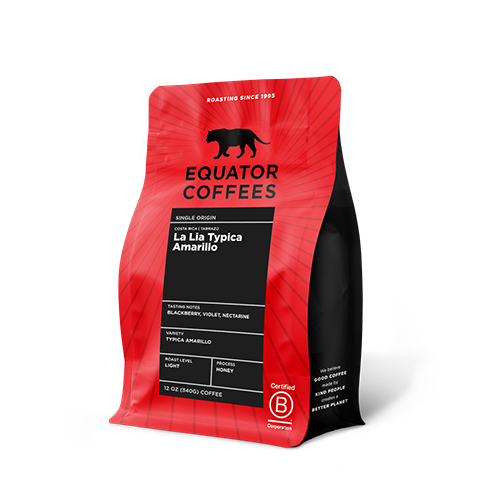
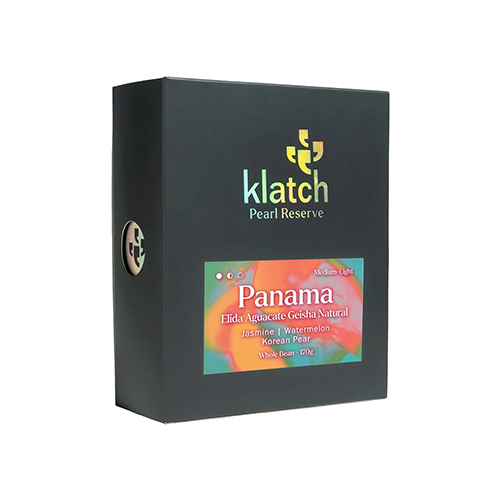
The Costa Rican and Panamanian markets, specifically the Tarrazu region and the Elida estate, remain the benchmarks for quality. The collaboration between Klatch Coffee and the Lamastus Family highlights the technical mastery of Geisha processing, which requires precise temperature control and drying protocols. Similarly, Equator Coffees’ focus on the Typica Amarillo variety showcases a renewed interest in rare, non-hybridized cultivars that require delicate handling to prevent the loss of subtle volatile aromatics like nectarine and violet.
The Complexity of East African and Indonesian Lots
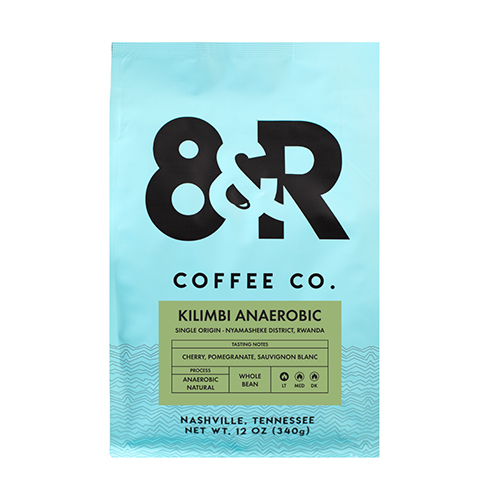
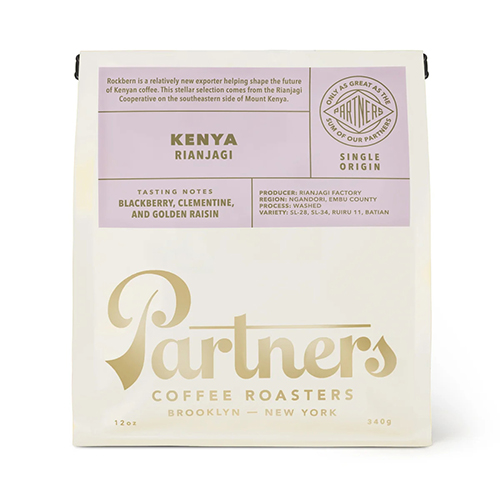
The African coffee belt—spanning Ethiopia, Rwanda, and Kenya—continues to dominate the market for high-acidity, bright-profile beans. The success of the Kilimbi Washing Station in Rwanda demonstrates the effectiveness of controlled anaerobic fermentation. By regulating the oxygen levels during the fermentation stage, producers are able to consistently extract complex, wine-like notes of pomegranate and cherry, moving these coffees into a premium tier that commands higher prices for farmers. Meanwhile, the Java Garut lots from Mr. Espresso represent an evolution in Indonesian coffee, which was traditionally known for earthy, low-acid profiles but is now being repositioned as a source for vibrant, fruit-forward specialty beans.
Economic and Ethical Implications
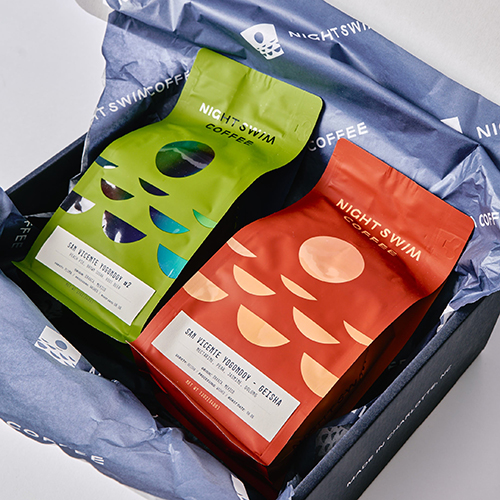
The shift toward these premium, high-transparency coffees carries significant weight for the broader supply chain. When roasters like Joe Coffee Company invest in initiatives like the Feminista program, they are not merely offering a product; they are using their platform to challenge the systemic inequities that have historically plagued the coffee industry.
The financial data supporting this shift is compelling. According to recent trade reports, specialty coffee consumers are increasingly willing to pay a premium—often 20% to 40% above market average—for beans that provide clear traceability and evidence of sustainable agricultural practices. This "willingness to pay" (WTP) metric is the primary engine behind the rise of limited-batch offerings, such as the Oaxacan box sets or the single-origin Kenya AA lots.
Industry Perspectives on Future Trends
Industry analysts observe that the coming year will likely see a move toward "climatically resilient" coffee farming. As climate change impacts high-altitude regions in Central and South America, research into disease-resistant and heat-tolerant varietals is accelerating.
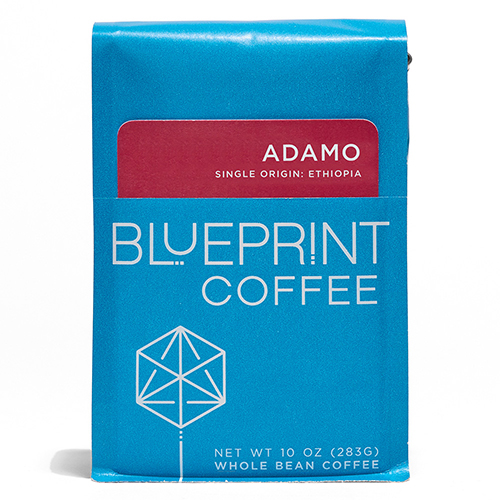
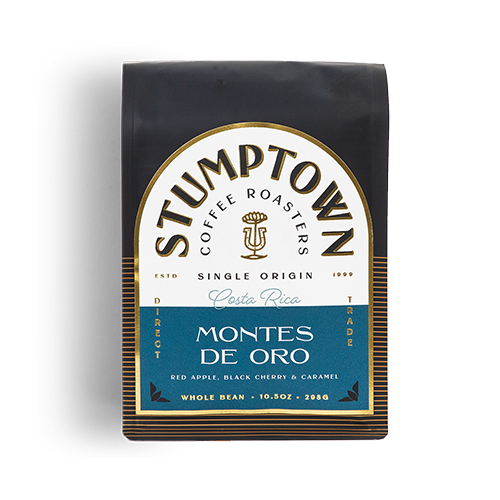
"The current market isn’t just about flavor anymore; it’s about the narrative of resilience," says an industry consultant specializing in supply chain logistics. "When you look at the offerings from roasters like Blueprint or Stumptown, you see a focus on long-term relationships with producers like Ture Waji. These aren’t one-off deals; they are multi-year commitments that ensure the producer has the capital to invest in water management, drying infrastructure, and soil health."
The Role of the Home Consumer
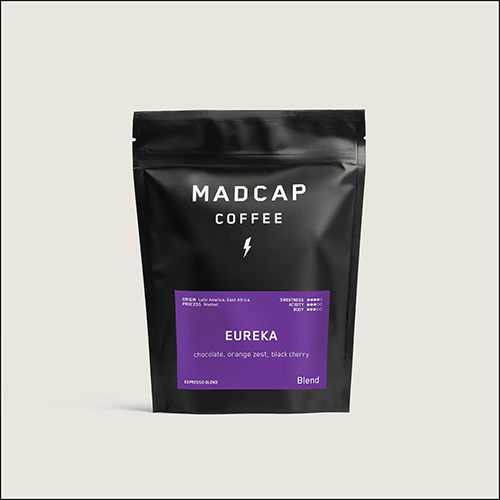
The rapid growth of the "home barista" demographic has fundamentally changed how coffee is marketed. With the proliferation of advanced home brewing equipment, roasters are providing more detailed information on water ratios, grind sizes, and brewing methods. The move toward "versatile" blends—such as the Eureka blend from Madcap Coffee or the Big Truck blend from Olympia—demonstrates a response to the need for products that perform equally well in a high-pressure espresso machine and a manual pour-over apparatus.
Furthermore, the decaffeination market is undergoing a renaissance. The use of natural processes, such as the Sugar Cane method used by Verve Coffee Roasters, addresses a long-standing critique of the industry: that decaf is inherently inferior in flavor. By preserving the structural integrity of the coffee bean during the extraction of caffeine, roasters are capturing a demographic of health-conscious, flavor-focused consumers who were previously underserved.
Conclusion
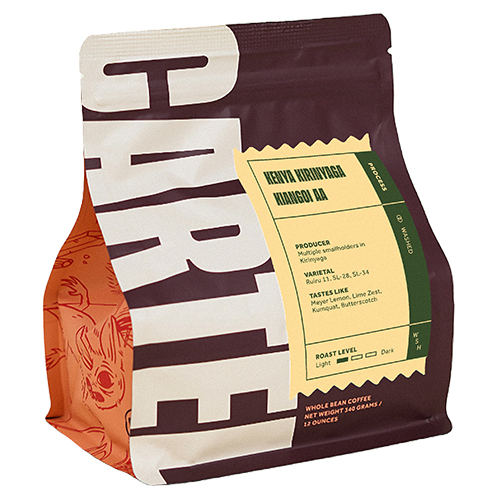
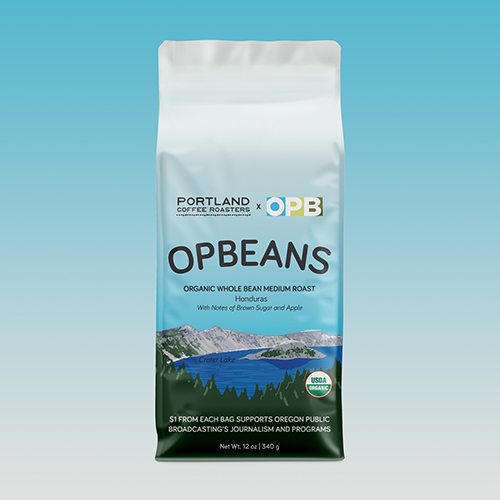
The current state of the global coffee trade is characterized by a high level of sophistication. From the meticulous quality control at the Kiangoi Factory in Kenya to the innovative blending strategies of Portland Coffee Roasters, the sector is prioritizing both the technical performance of the bean and the human story behind its cultivation. As the industry moves forward, the success of these roasting partners will likely continue to be measured not just by the sensory evaluation of the final cup, but by the tangible impact their purchasing decisions have on the communities and ecosystems from which their products originate.
For the consumer, this era represents an opportunity to participate in a more transparent and rewarding coffee experience, where every purchase serves as an endorsement of the rigorous agricultural standards and ethical labor practices that are currently defining the future of the global coffee economy.