Cintya Tara Annisa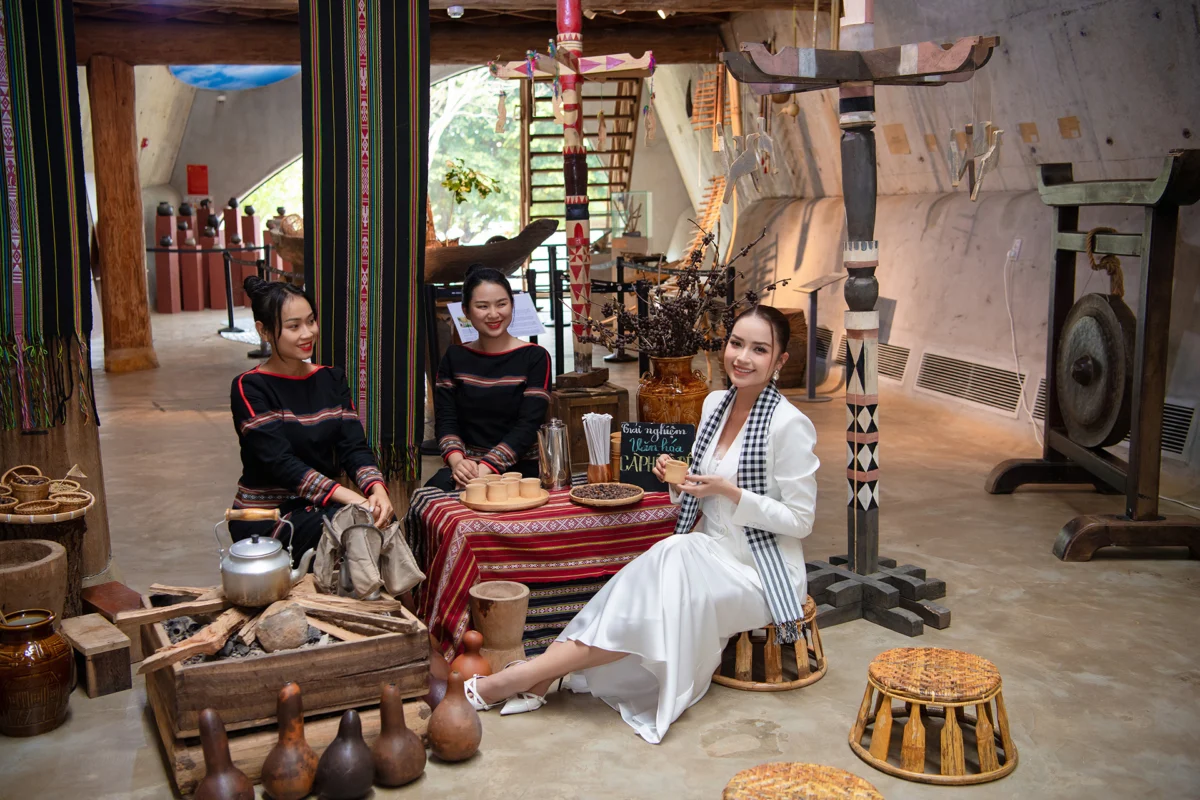
Coffee is more than a global commodity; it is a cultural cornerstone that has shaped economies, spurred industrial innovation, and defined social rituals for centuries. While mainstream museums occasionally display individual pieces of brewing apparatus, a dedicated network of coffee-focused institutions has emerged globally to preserve the lineage of the bean from cultivation to the cup. These museums serve as vital repositories for the technical evolution of espresso machines, the history of trade routes, and the complex social tapestries woven around the daily act of brewing.
A Chronology of Technical Evolution and Preservation
The history of coffee technology is a testament to the Industrial Revolution’s influence on daily life. In the early 20th century, the invention of the espresso machine transformed coffee from a slow-drip, labor-intensive drink into a rapid-fire service, fundamentally changing the pace of urban life in Italy and beyond. Today, institutions like the Museo della Macchina per Caffe (MUMAC) in Milan provide a comprehensive look at this progression. Housed within the Gruppo Cimbali facility, MUMAC acts as a sanctuary for 100 years of mechanical design. It is one of the few places in the world where the public can view an exploded diagram of the La Cimbali M100, an industrial marvel that would otherwise remain hidden from the average consumer.
Beyond Italy, the Viennese Coffee Museum highlights a different aspect of history: the coffee house as a sanctuary. By recreating the traditional Viennese coffee house environment, the museum emphasizes that coffee is as much about the physical space and social interaction as it is about the extraction method. Similarly, the Bakke Coffee Museum in Seattle holds a collection of over 300 commercial machines, reflecting the rapid expansion of coffee culture in the United States and the critical role of import-export history in making espresso a household term.
Socio-Economic Impact: The Case of the Museu do Café
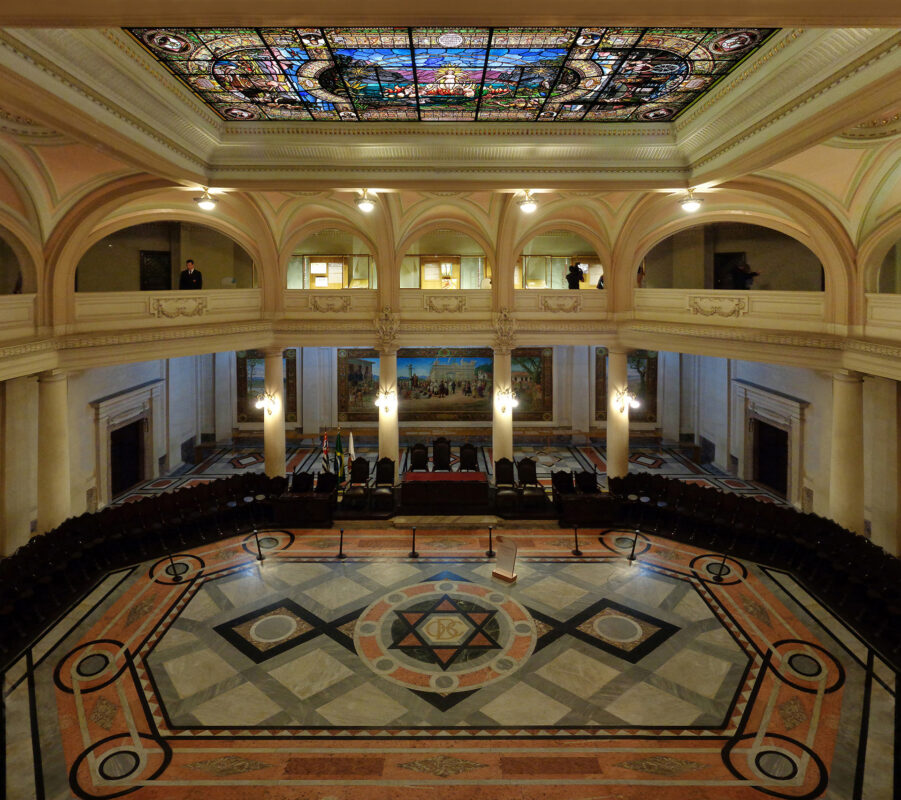
In Santos, Brazil, the Museu do Café (MC) serves as a primary example of how an institution can leverage historical architecture to educate the public on the economic lifeblood of a nation. Brazil remains the world’s largest producer and exporter of coffee, and the MC, located in the former coffee exchange building (Salão do Pregão), documents the rise of this industry.
The museum’s location is of significant historical importance. The Port of Santos, which the museum overlooks, has served as the primary gateway for Brazilian coffee for over a century. According to the museum’s administrative records, the preservation of this site—complete with its original stained glass and ornate staircases—is essential to understanding the nation’s identity. Education department coordinator Henrique Trindade notes that the museum functions as a "living collection," utilizing interactive displays to connect historical economic data with the modern social habit of coffee consumption. By integrating barista training programs, such as the "Barista Training Week," the institution ensures that the technical skills required to maintain the quality of the product are passed down to new generations, effectively linking the agrarian past with the specialty coffee future.
Architectural Symbolism and Cultural Identity
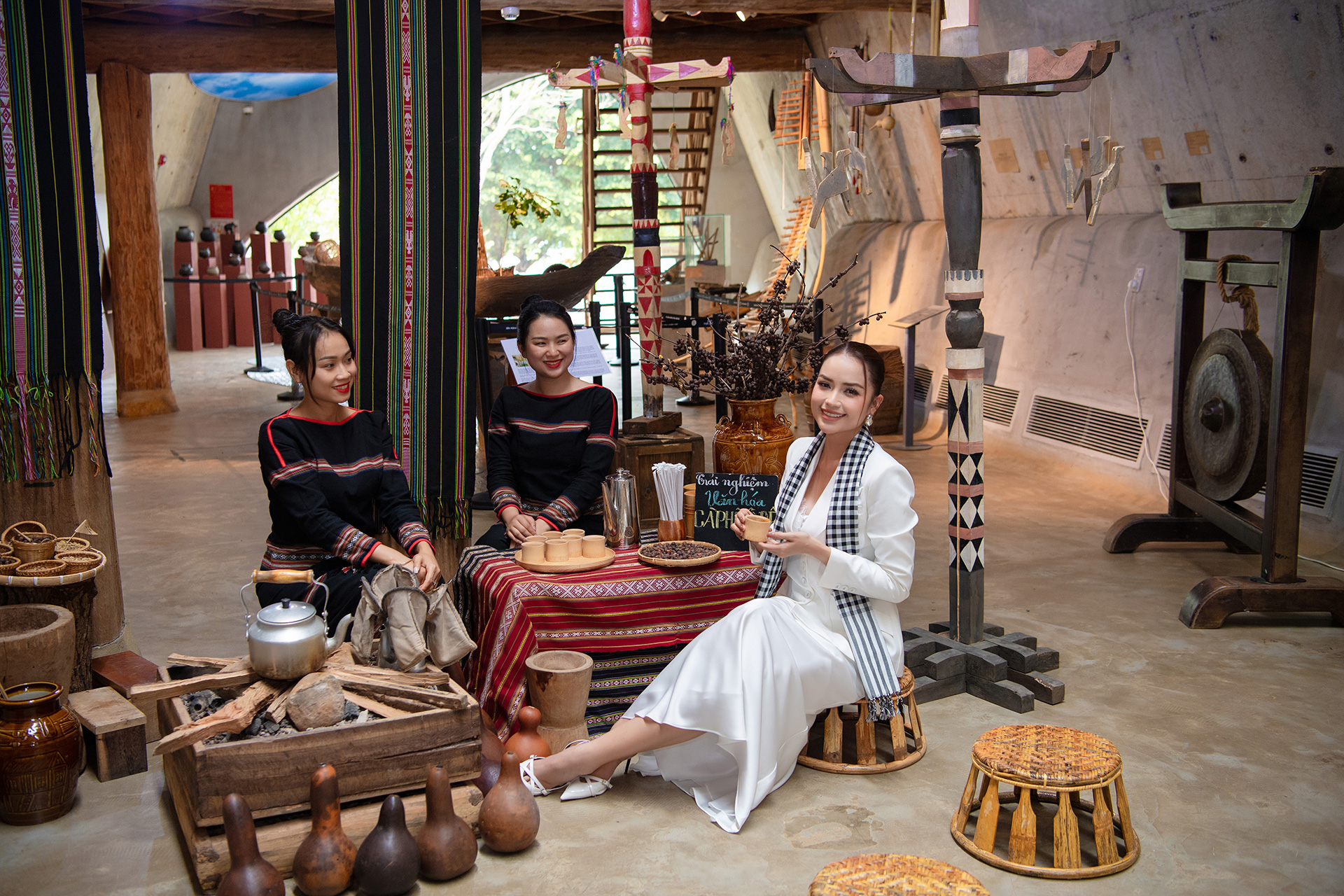
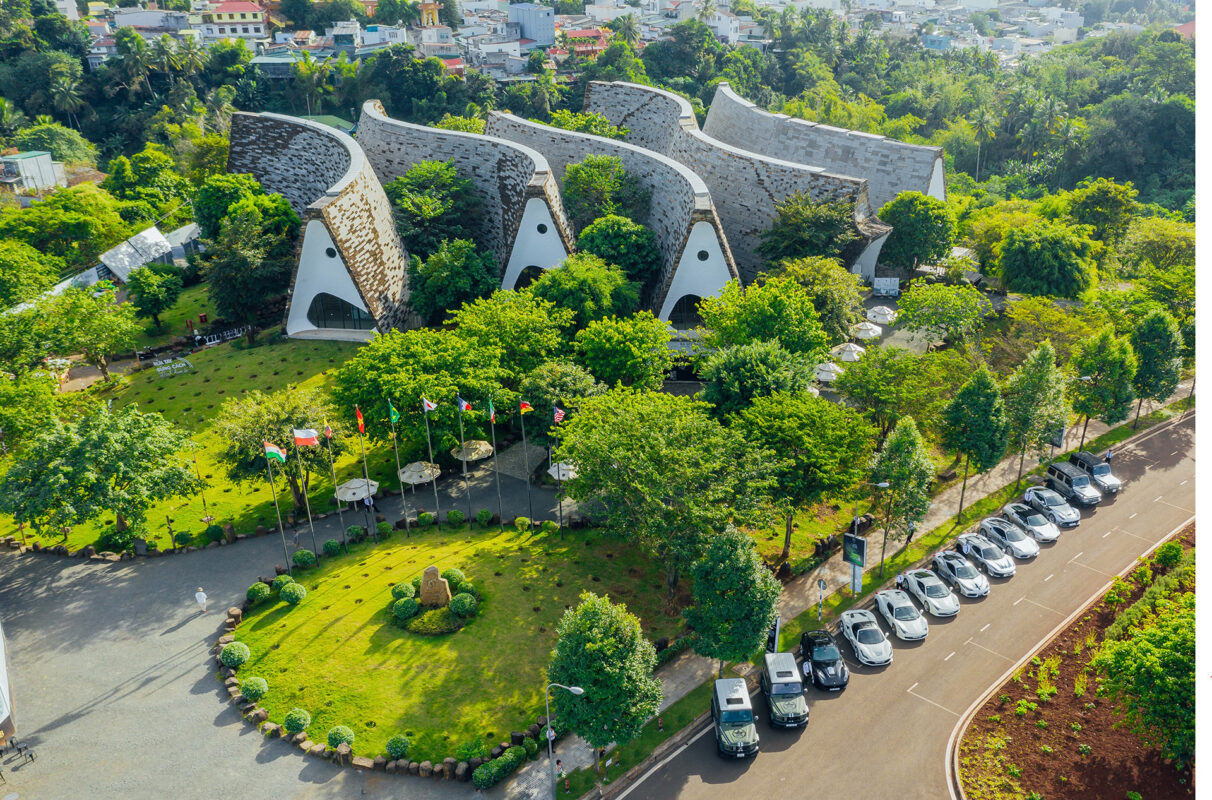
In Vietnam, the second-largest coffee producer globally, the Coffee World Museum (Bảo tàng Thế giới Cà phê) in the Dak Lak province has redefined the concept of a museum through avant-garde architecture. The building’s design, characterized by spiral forms and the use of basalt stone, is a direct homage to the traditional longhouses of the Central Highlands.
The museum, part of the Trung Nguyên Legend Group’s portfolio, categorizes coffee history into three distinct civilizations: Ottoman, Roman, and Thiền (Meditation). The inclusion of the Thiền civilization is particularly notable, as it represents a modern, locally-driven effort to frame coffee as a tool for mindfulness and holistic well-being. This reflects a broader trend among coffee museums in the 21st century: moving away from purely mechanical displays toward experiential, sensory-driven storytelling. The hosting of the World Coffee Heritage Forum at this site further signals that these institutions are increasingly becoming hubs for global policy, academic research, and international dialogue.
Regional Variations in Museum Development
The global distribution of coffee museums reveals a trend toward regional specialization. In the United Arab Emirates, the Dubai Coffee Museum focuses heavily on the historical significance of Arabic coffee (gahwa), emphasizing the traditional preparation methods that have been central to Middle Eastern hospitality for generations. Conversely, in India, institutions like the Araku Coffee Museum and the Coffee Yatra Museum in Chikkamagaluru highlight the specific geographical and agricultural nuances of the Indian subcontinent’s coffee cultivation, which is often overshadowed by the global dominance of South American or African beans.
In Germany, the Kaffeemuseum in Hamburg traces the history of a city that has served as a central hub for coffee imports for over a century. The museum’s roots date back to the Burg family’s coffee business, established in 1896, showcasing how private family collections can evolve into public institutions that provide deep, historical context on how global trade shaped European consumer habits.
Data and Industry Implications
The growth of these museums is not accidental; it is a response to a more informed consumer base. Recent data from the National Coffee Association and various specialty coffee trade groups indicate that "third-wave" coffee consumers are increasingly interested in the traceability and provenance of their beverages. Museums provide the necessary educational infrastructure to support this interest.
By analyzing the visitor demographics and educational programming of these museums, one can infer that they serve as a critical bridge between the producer and the consumer. When a consumer understands the labor-intensive processes involved in cultivation, harvesting, and roasting, they are statistically more likely to support fair-trade initiatives and appreciate the value proposition of specialty coffee.
Furthermore, these institutions act as archives for a dying art form. As coffee machines become increasingly digitized and automated, the mechanical, semi-mechanical, and manual machines held in these collections represent a tangible history of engineering. The preservation of these machines allows engineers and enthusiasts to study the physics of pressure and temperature in ways that would be impossible with modern, software-driven equipment.
Future Outlook and Educational Outreach
The integration of museums into "coffee ecosystems"—such as the Coffee City in Vietnam or the Gangneung Coffee Street in South Korea—suggests a shift toward integrated cultural tourism. These sites do not merely display artifacts; they invite visitors to participate in tastings, barista training, and meditation sessions. This multifaceted approach ensures financial sustainability while deepening the visitor’s engagement with the subject matter.
The future of these institutions will likely depend on their ability to digitize their collections for global accessibility. Virtual tours, such as those provided by the Coffee World Museum, allow international researchers and enthusiasts to explore archives without the need for travel, thereby expanding the museum’s influence beyond its physical borders.
As the coffee industry continues to face challenges related to climate change, labor sustainability, and supply chain transparency, these museums offer more than just a trip down memory lane. They provide the historical context necessary to navigate the future. By documenting how the industry survived past crises and how technology has historically enabled growth, these museums serve as a repository of resilience.

In conclusion, the emergence of a global network of coffee museums reflects a maturation of the industry. From the technical displays of Italian engineering to the cultural, architectural, and spiritual narratives of Vietnam and Brazil, these institutions are ensuring that the story of coffee is preserved, analyzed, and celebrated. As the global lexicon of specialty coffee continues to expand, these museums will remain essential in fostering the curiosity and awareness required to sustain the industry for future generations.