Angie Faith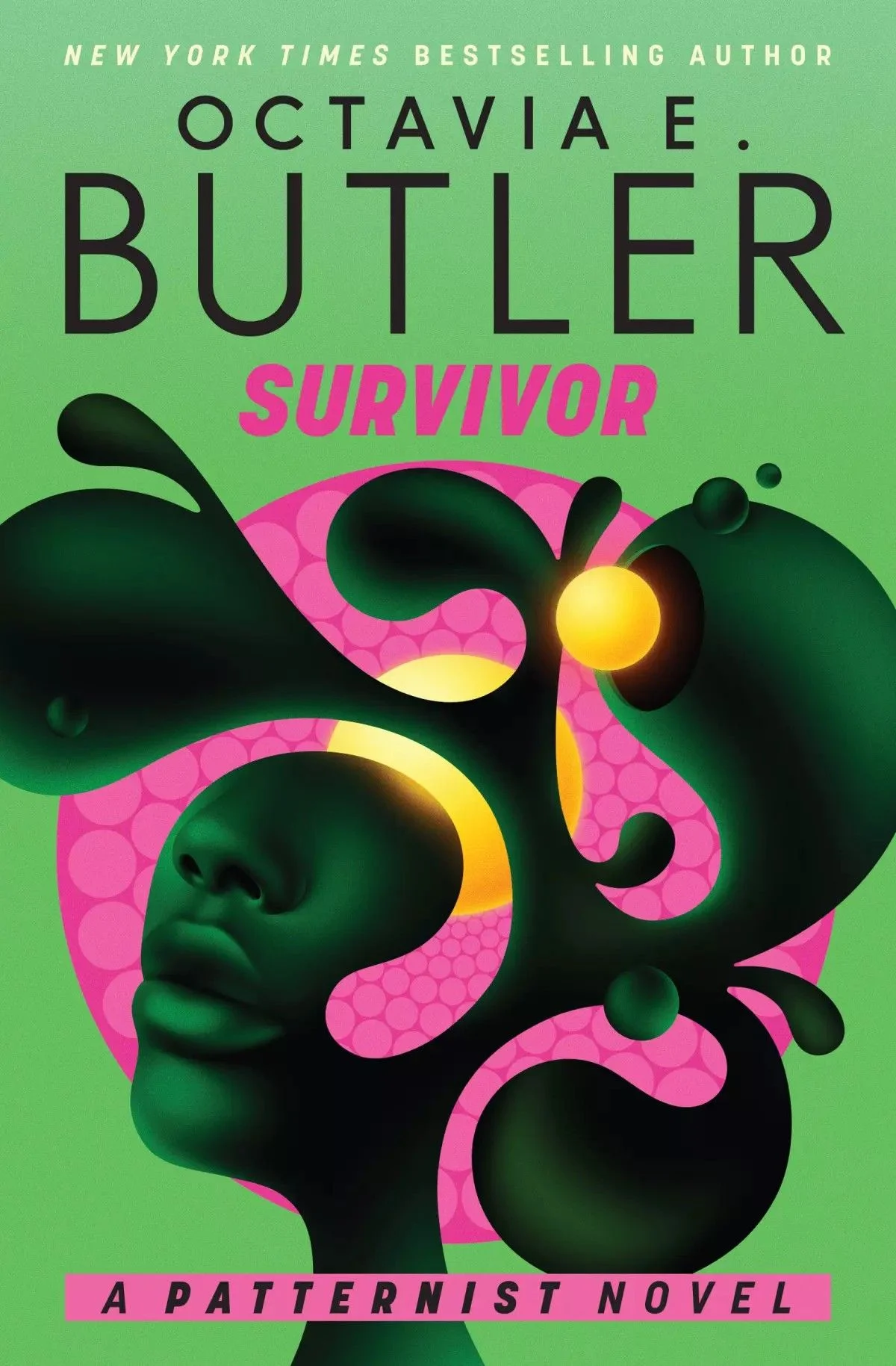
The literary world is abuzz with the forthcoming republication of Octavia E. Butler’s Survivor, a novel that has been largely unavailable for over four decades. Originally published in 1978 as the fifth installment in her Patternist series, Butler herself famously expressed dissatisfaction with the work, describing it as rushed and underdeveloped. This candid self-critique, however, has not diminished the enduring interest in her oeuvre, prompting publishers to make Survivor accessible to a new generation of readers and scholars. The new edition is slated for release on September 1, 2026, by Grand Central Publishing.
The decision to reintroduce Survivor into the market comes after years of its absence, with used copies commanding high prices on the secondary market, often ranging into the hundreds or even thousands of dollars. This scarcity has created a significant barrier for students, researchers, and fans eager to engage with Butler’s complete body of work. The republication aims to democratize access to this particular narrative, ensuring that its thematic explorations and its place within Butler’s developmental arc are available to a wider audience.
Butler’s stated reservations about Survivor stemmed from its creation under duress. She reportedly wrote the novel on a tight deadline to finance a research trip necessary for the development of her critically acclaimed novel Kindred, published in 1979. While Kindred has since achieved canonical status and widespread recognition for its profound exploration of slavery, time travel, and the enduring legacy of racial trauma, Survivor remained largely in the shadows of her more celebrated works.
The new edition is set to include an introduction that contextualizes Butler’s feelings about the novel, offering readers insight into the author’s own critical perspective. This approach acknowledges Butler’s candid assessment while still presenting the work as a valuable artifact in her literary journey. Experts suggest that Survivor, despite its author’s reservations, offers a unique window into Butler’s evolving thematic concerns and narrative techniques. It is believed to explore concepts and motifs that she would later revisit and refine in subsequent novels, making it an important piece for understanding the trajectory of her influential career.
The debate surrounding the republication of works that authors have disavowed is a complex one. Critics of reprinting Survivor might argue that honoring an author’s wish for a work to remain unavailable is paramount. However, proponents of the republication emphasize that Butler never explicitly stated she wished for Survivor to be permanently out of print or never reprinted. Furthermore, in an era where digital texts can be easily ingested by artificial intelligence models, the argument for maintaining physical and digital accessibility of all of an author’s published works gains traction. Ensuring that the primary source material is readily available for academic study and public engagement is seen as a crucial aspect of literary preservation and scholarship.
Timeline of Survivor‘s Availability
- 1978: Survivor is first published as the fifth book in Octavia E. Butler’s Patternist series.
- Post-1978: Octavia E. Butler expresses dissatisfaction with Survivor, citing it was written under deadline pressure.
- 1979: Kindred, a novel written with the proceeds from Survivor‘s research trip, is published to critical acclaim.
- Circa Late 1970s/Early 1980s: Survivor effectively goes out of print, becoming increasingly difficult to find.
- 2020s: Growing interest in Octavia E. Butler’s work, fueled by critical re-evaluation and popular adaptation of her novels, leads to increased demand for all her titles.
- 2026 (September 1): Grand Central Publishing announces the republication of Survivor, including a new introduction.
The Broader Impact of Rediscovering "Lost" Works
The re-emergence of Butler’s Survivor highlights a larger trend in the publishing industry: the rediscovery and re-evaluation of previously overlooked or out-of-print literary works. This phenomenon is driven by several factors. Firstly, critical scholarship often revisits authors and their entire bodies of work, identifying connections and influences that may not have been apparent at the time of initial publication. Secondly, increased public awareness and appreciation for an author’s legacy can spur demand for even their less-celebrated pieces. In Butler’s case, the success of adaptations like the FX series based on Kindred and the enduring influence of her dystopian visions have brought her to the forefront of contemporary literary discourse.
Moreover, the digital age presents both challenges and opportunities for such rediscovery. While digital archives and print-on-demand services can make older texts more accessible, the original publishing landscape often meant that books simply ceased to be available once their initial print runs were exhausted. The republication of Survivor serves as a case study in how the publishing industry can actively engage with literary history, making the full spectrum of an author’s creative output available for study and enjoyment. This accessibility is vital for a comprehensive understanding of any author’s artistic development and thematic preoccupations.
The republication also touches upon the evolving relationship between authors, their works, and their audiences. While authorial intent is a significant consideration, the passage of time and shifts in cultural context can imbue older works with new relevance. The decision to re-release Survivor acknowledges the enduring curiosity of Butler’s readership and the academic community, recognizing that a work, even one the author deemed imperfect, can still offer valuable insights and contribute to a richer understanding of literary history.
The Unveiling of Rebecca Yarros’s Mysterious Bestseller

In a separate development that has captivated the online book community, a novel by author Rebecca Yarros has achieved the number one bestseller status on Amazon despite lacking a title, cover, or detailed description. Identified only as "Untitled Empyrean (Not Book Four) by Rebecca Yarros," the pre-order has surged to the top of sales charts, demonstrating the potent influence of authorial brand loyalty and fan anticipation.
Yarros herself addressed the phenomenon on social media, expressing surprise and gratitude. She described the book’s premature appearance on pre-order systems as a "surprise" that fans immediately embraced. The rapid ascent to bestseller status without any concrete information about the book’s content or subject matter underscores the deep connection Yarros has cultivated with her readership, particularly following the success of her previous works.
While the book’s identity remains a mystery, it has been confirmed that this is not the fourth installment of her Empyrean series, a detail that Yarros herself has emphasized to manage fan expectations. She has also assured readers that this undisclosed project has not impacted the development timeline for the anticipated fourth book in the main series. The mysterious title is listed as 176 pages and is scheduled for release on September 29th. The unprecedented pre-order success suggests that for many dedicated fans, the author’s name alone is sufficient to drive significant sales, creating a unique marketing phenomenon where the absence of information has become a talking point in itself.
Artistic Convergence: The Paper Bag Princess and The Handmaid’s Tale
A compelling artistic tribute has emerged that artfully juxtaposes two distinct yet thematically resonant Canadian literary works: Robert Munsch’s beloved children’s book The Paper Bag Princess and Margaret Atwood’s seminal dystopian novel The Handmaid’s Tale. Artist Lesley Luce has created a striking piece titled "They didn’t get married after all," which utilizes fragments of paper, photographs, books, and ephemera arranged in concentric circles.
The artwork draws its title from the triumphant closing line of The Paper Bag Princess, a story that has been a significant part of feminist childhood narratives. In Munsch’s tale, Princess Elizabeth defiantly rejects the traditional narrative of rescue and marriage, embodying a powerful message of female agency and self-reliance. This empowering message, deeply ingrained in the Canadian cultural landscape, speaks to the idea that women have the autonomy to define their own lives and futures, free from societal expectations.
Luce’s work ingeniously refracts this message through the lens of Atwood’s The Handmaid’s Tale. In Atwood’s chilling portrayal of a totalitarian society, the concept of marriage and recognized relationships is subverted, and women are stripped of their autonomy. The line "They didn’t get married after all" takes on a profoundly different and more somber meaning within the context of Gilead, where the absence of legitimate marriage can lead to the subjugation and dehumanization of women. The original artwork has reportedly been sold, but Luce’s website features a digital representation and a flipbook detailing the Canadian literature referenced within the piece, allowing viewers to explore the intricate layers of meaning.
Cozy Fantasy Romance: A Genre for Challenging Times
Amidst global and personal adversities, the appeal of escapist literature has surged, with the subgenre of cozy fantasy romance emerging as a particularly comforting refuge. This genre offers readers a gentle departure from the anxieties of the modern world, providing narratives that are often characterized by warmth, optimism, and low-stakes conflict.
The appeal of cozy fantasy romance lies in its ability to transport readers to imaginative worlds where challenges are overcome with a sense of community, magic, and budding romance. These stories prioritize emotional satisfaction and a feeling of contentment, making them ideal for periods when external stressors are high. Books within this category often feature themes of found family, personal growth, and the healing power of connection, offering a much-needed balm for weary spirits.
One such example highlighted is Tusk Love by Thea Guanzon, which is noted for its ability to be both intensely steamy and surprisingly tender. This blend of romance and fantasy, coupled with a generally optimistic outlook, provides readers with an immersive and uplifting reading experience. As the demand for comforting narratives continues, the cozy fantasy romance genre is poised to remain a significant and cherished corner of the literary landscape, offering solace and joy to those seeking respite.