
 Ali Ikhwan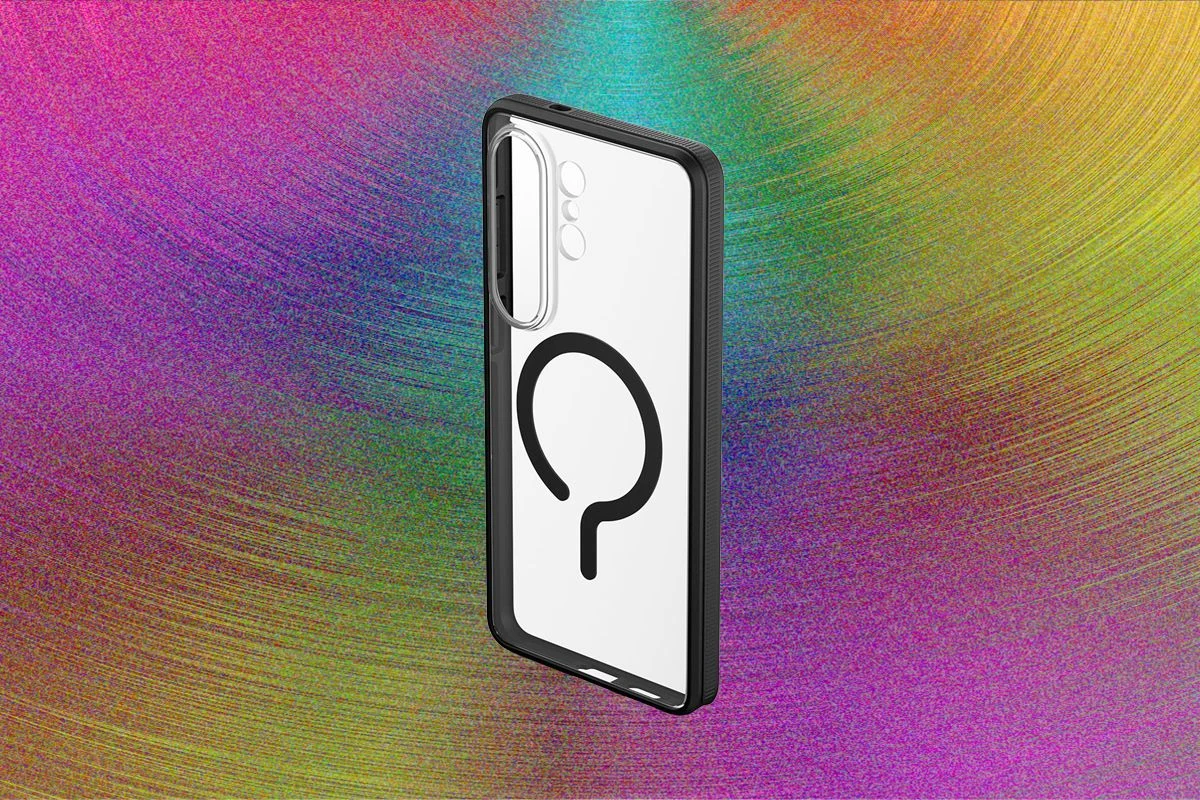
The release of the Samsung Galaxy S26, S26 Plus, and S26 Ultra marks a significant milestone in the evolution of the flagship Android ecosystem, prompting a surge in the mobile accessory market as consumers seek to safeguard their high-value investments. Despite the hardware advancements within the devices themselves—including upgraded processors and refined display technologies—the physical vulnerability of these glass-and-metal sandwiches remains a primary concern for users. Early consumer behavior data suggests that a protective case is the first secondary purchase made by over 80% of new smartphone owners, a trend that remains consistent with the S26 lineup.
The current market landscape for S26 accessories is defined by a diverse array of options ranging from ultra-minimalist shells to military-grade ruggedized enclosures. However, the 2026 flagship cycle introduces specific technical challenges, most notably the continued absence of native Qi2 magnetic charging support and a persistent camera bump design that complicates the use of universal magnetic accessories. Industry analysts note that while Samsung has focused on internal specifications, the "accessory gap" has forced third-party manufacturers like Spigen, dbrand, and Zagg to innovate at the hardware level to provide the magnetic functionality and ergonomic fit that users now expect from premium devices.

The Qi2 Omission and the Necessity of Magnetic Cases
A central point of contention for the Samsung Galaxy S26 series is the lack of integrated Qi2 support. Qi2, the latest wireless charging standard developed by the Wireless Power Consortium (WPC), incorporates a Magnetic Power Profile based on Apple’s MagSafe technology. While Qi2 offers superior alignment and faster, more efficient charging speeds, Samsung’s decision to exclude native magnets from the S26, S26 Plus, and S26 Ultra means that users must rely on specialized magnetic cases to access this ecosystem.
For the modern consumer, a magnetic case is no longer just about charging; it is about modularity. The ability to snap on wallets, car mounts, and battery packs has become a standard requirement for power users. However, testing reveals that the S26 series carries over a frustrating design element from the previous S25 generation: the large, vertically aligned camera array. This "camera bump" creates a spatial conflict for many rectangular magnetic accessories. While circular grips, such as those from PopSockets, generally fit without issue, larger accessories like magnetic wallets and flat power banks often collide with the camera housing, leading to an insecure attachment or complete incompatibility.
Top-Tier Clear Case Solutions: Spigen and dbrand
For users who wish to showcase the aesthetic design and colorways of the S26 series without sacrificing protection, clear cases remain the most popular category. The Spigen Ultra Hybrid MagFit has emerged as the leading recommendation for the standard S26 and S26 Plus. Priced competitively at approximately $24, this case utilizes a blend of polyurethane and polycarbonate to provide a balance of flexibility and impact resistance. The "MagFit" designation refers to the integrated magnetic ring that enables MagSafe-style connectivity, effectively bypassing Samsung’s lack of native magnets.

In the premium segment, the dbrand Ghost Case 2.0 has been identified as the premier clear option for the Galaxy S26 Ultra. Retailing for $60 (often seen at a $50 promotional price), the Ghost Case 2.0 addresses a common industry failure: yellowing. Most clear cases degrade over time due to UV exposure and skin oils, but dbrand’s engineering focuses on long-term optical clarity. Furthermore, the Ghost Case 2.0 features improved magnetic strength compared to its predecessor, ensuring that even the heavier S26 Ultra remains securely attached to mounts and chargers.
Minimalist and Rugged Extremes: Pitaka and Zagg
The market for S26 protection is bifurcated between those who want the thinnest possible profile and those who require maximum durability. The Pitaka Edge Case represents the pinnacle of the minimalist category. Constructed from aerospace-grade aramid fiber, the Edge Case is significantly thinner than traditional TPU options while offering a unique tactile grip that is resistant to scratches and heat. At a $60 price point, it targets a professional demographic that values weight reduction and sleekness over heavy-duty drop protection.
Conversely, for users operating in high-risk environments, the Zagg Rainier Snap Case with Kickstand serves as the definitive rugged solution. Priced at $70, the Rainier utilizes advanced impact-protection materials—likely incorporating D3O or similar non-Newtonian polymers—to disperse energy during a fall. The inclusion of a sturdy kickstand addresses the media-consumption habits of S26 Ultra users, providing a stable viewing angle for the device’s expansive screen. Zagg’s design also emphasizes "Snap" compatibility, ensuring that even with its thick protective layers, the case remains fully functional with magnetic chargers.

Secondary Market Contenders: Tactical and Budget Options
Beyond the flagship recommendations, several other brands offer specialized features for the S26 lineup. The dbrand Tank Case, priced at $60, caters to a "tactical" aesthetic. While its durability is high, its textured back and swappable buttons are designed for a specific user base that prioritizes grip and mechanical feel. However, some testers have noted that the aggressive textures can be overstimulating during prolonged use, highlighting the subjective nature of case ergonomics.
Spigen continues to dominate the mid-range market with the Tough Armor and Nano Pop MagFit series. The Tough Armor remains a staple for those seeking a built-in kickstand at a lower price point than Zagg, though the kickstand’s plastic construction is notably flimsier. The Nano Pop offers a more colorful, silicon-like feel, though its smooth finish has been criticized for being somewhat slippery in the hand.
The Poetic brand, including the Spartan, Revolution, and Guardian models, offers a comprehensive protective suite that often includes built-in screen protectors. While these cases provide high value—often retailing for significantly less than premium brands—they are frequently cited for their bulk and rigid bumper corners. The Poetic Revolution, in particular, features a sliding camera cover, a niche but appreciated feature for users concerned about lens privacy and physical damage to the S26’s sophisticated optics.

Screen Protection and the Installation Standard
The S26 series features Gorilla Glass Armor or similar high-durability glass, yet micro-abrasions and impact fractures remain a reality. The Spigen AluminaCore Screen Protector has surfaced as a reliable secondary defense. Sold in a two-pack for $19, the AluminaCore utilizes a reinforced glass composition designed to mimic the touch sensitivity of the original display.
The industry has moved toward "foolproof" installation kits, and Spigen’s inclusion of an alignment frame reflects this shift. While air bubbles remain a minor hurdle during the application process, the use of a squeegee and a precisely cut adhesive layer allows for a near-seamless fit. This is particularly crucial for the S26 Ultra, where the under-display ultrasonic fingerprint sensor requires a perfectly adhered protector to maintain high recognition speeds and accuracy.
Official Accessories and the "Value Gap"
In a surprising turn, Samsung’s official accessory lineup has faced scrutiny regarding its price-to-performance ratio. The Samsung Slim Magnet Case, retailing for $70, has been criticized by early reviewers as feeling "flimsy" and "slippery" compared to third-party alternatives that cost half as much. This "value gap" has allowed brands like Spigen and dbrand to capture a larger share of the enthusiast market.

Historically, official manufacturer cases were seen as the gold standard for fit and finish. However, as the third-party ecosystem has matured, manufacturers have struggled to justify premium pricing for basic plastic shells. For the S26 series, the consensus among tech analysts is that unless a user is deeply committed to the official Samsung brand aesthetic, third-party options currently provide superior magnetic strength, better material diversity, and more robust drop protection.
Chronology of Testing and Market Evolution
The evaluation of S26 cases is an ongoing process. Initial testing phases focus on "fit and finish," assessing how well the case accommodates the device’s buttons and ports. Following the launch, long-term durability testing begins, looking for signs of material fatigue, yellowing in clear cases, and the reliability of moving parts like kickstands and port covers.
- Pre-Launch Phase: Manufacturers receive CAD (Computer-Aided Design) drawings to begin molding.
- Launch Window: Initial reviews focus on ergonomics and immediate compatibility with magnetic chargers.
- One-Month Milestone: Testing expands to include a wider range of magnetic wallets and power banks to identify specific "camera bump" interference issues.
- Six-Month Evaluation: Long-term reports on UV resistance (yellowing) and drop-test data from independent labs begin to influence consumer rankings.
Broader Impact and Industry Implications
The Samsung Galaxy S26 case market reflects a broader shift in the consumer electronics industry toward modularity and high-cost protection. With the average price of flagship smartphones exceeding $1,000, the "insurance" provided by a $25 to $70 case is viewed as a rational economic choice. Furthermore, the growth of the resale market for used smartphones has incentivized users to keep their devices in pristine condition, further driving the demand for high-quality protective gear.

As we move further into the 2026 product cycle, the "Qi2 through cases" workaround will likely become the standard for Android flagships that lack native magnetic arrays. This trend highlights a rare instance where the accessory market is leading the hardware manufacturers in terms of user-requested features. For the S26 owner, the choice of a case is no longer just a matter of color or style; it is a technical decision that determines the functional capabilities of the device itself. Whether choosing the rugged Zagg Rainier for outdoor adventures or the dbrand Ghost Case for a clean, minimalist look, the current selection of S26 accessories offers a solution for every tier of the modern smartphone user.







