Cintya Tara Annisa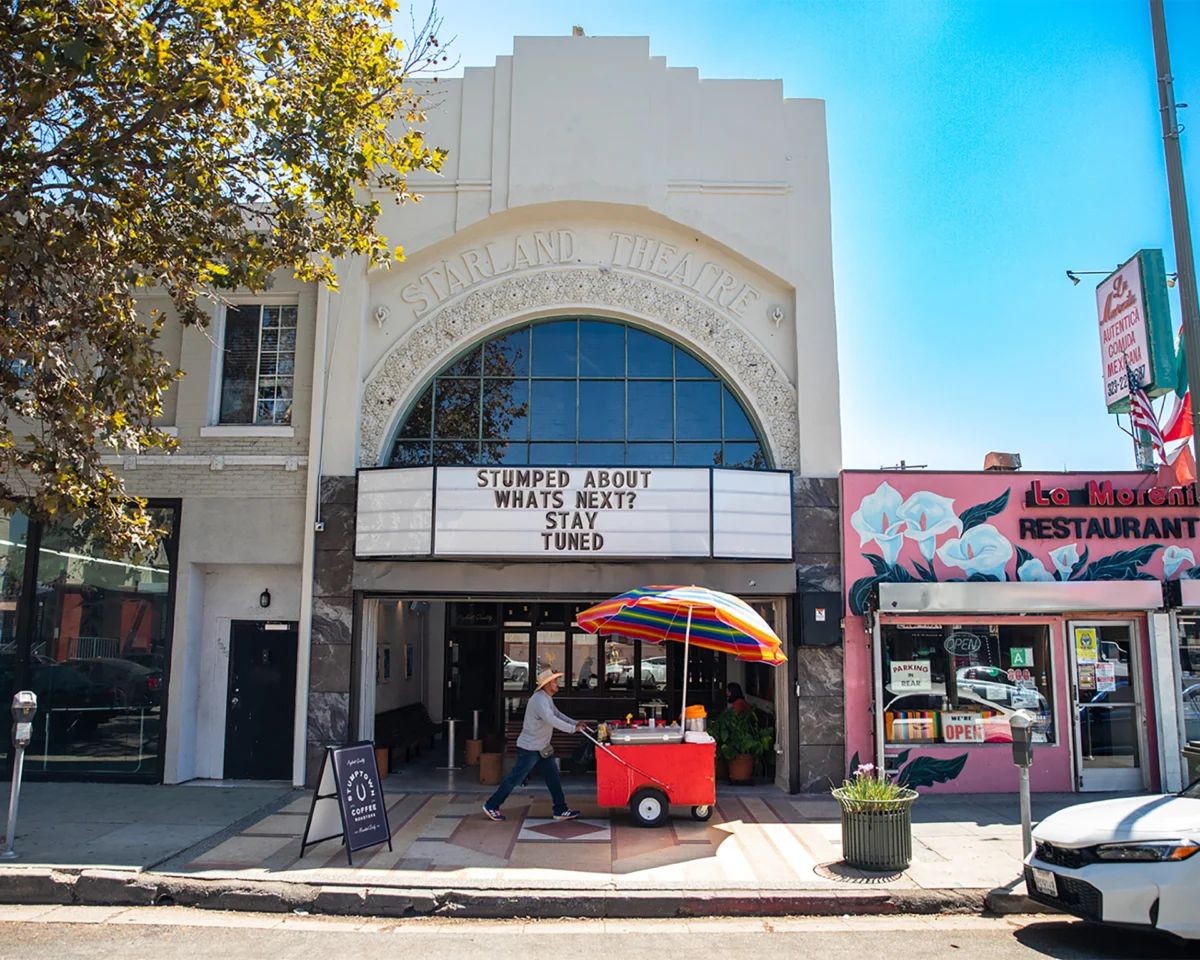
As the seasonal transition settles over Portland, Oregon, marked by the lengthening of shadows and a distinct shift toward cooler temperatures, the global specialty coffee industry reaches a pivotal milestone. The annual Build-Outs of Coffee series, a comprehensive architectural and design survey of the international café landscape, has officially concluded its 2026 run. This seasonal initiative, which documents the rapid evolution of coffee retail spaces from inception to grand opening, has served as a barometer for design trends, operational logistics, and consumer preferences across the industry. To commemorate the close of this year’s project, the latest installment of the Coffee Sprudgecast provides a deep-dive analysis into the trends observed throughout the season, while featuring a curated tasting of coffees that define the current vanguard of the specialty market.
The Evolution of the Build-Outs of Coffee Series
The Build-Outs of Coffee series was established to bridge the gap between coffee enthusiasts and the physical spaces where their beverages are crafted. Over the course of the 2026 season, the series has profiled dozens of establishments, ranging from independent boutique roasters to large-scale international expansions. The project provides a rare, behind-the-scenes look at the architectural hurdles, regulatory requirements, and creative visions that dictate the modern café experience.
Historically, the project has tracked a clear shift in industry priorities: moving away from the industrial, minimalist aesthetic that dominated the early 2010s toward more sustainable, localized, and community-centric designs. By documenting these transitions, the series has created a living archive of how coffee retailers adapt to shifting post-pandemic economic landscapes, including the rise of remote work and the necessity for multi-functional space utilization.
Tasting Profiles and Sensory Analysis
A central component of the final episode is a sensory evaluation of current market offerings, providing listeners with a practical application of the roasting and sourcing trends discussed throughout the year. The primary feature is the Don Lisandro Gesha from Nightswim Coffee, sourced from the Huila region of Colombia. The Gesha varietal continues to command a premium in the specialty market due to its complex floral and fruit-forward profile, which often includes notes of acai, rosewater, and sweet basil.
The brewing process utilized for this evaluation—a Hario V60 pour-over—highlights the industry’s continued emphasis on precision and clarity. The choice of service vessel, a hand-blown mezcal glass from Verve Culture, reflects a growing trend of "cross-pollination" in beverage service, where high-end coffee retail borrows design elements from the craft spirits and cocktail industries to enhance the tactile experience of the consumer.
Furthermore, the podcast explores the launch of the 93000000.net brand by Blanchard’s Coffee. Their "Orange Soda" release, labeled #93,000,003, represents a significant shift in coffee branding. By distancing the product from traditional coffee nomenclature and embracing a design-forward, abstract identity, Blanchard’s is targeting a younger, design-conscious demographic that prioritizes brand narrative and aesthetic cohesion alongside origin transparency.
The Integration of Tisanes in Modern Coffee Retail
Beyond the primary coffee offerings, the 2026 season has highlighted an increasing trend toward the diversification of café menus, specifically through the introduction of premium tisanes. The inclusion of Garden Lemongrass from Dona, based in Brooklyn, New York, underscores a broader industry pivot. As climate change impacts the yields and stability of coffee-growing regions, retailers are increasingly looking to complementary botanical products to maintain high-margin, high-quality beverage programs.
Industry analysts note that this shift is not merely a response to supply chain volatility but a reflection of evolving consumer palates. The "third wave" coffee consumer is increasingly interested in health-conscious, non-caffeinated, and locally sourced alternatives, forcing roasters to expand their procurement expertise beyond the coffee cherry.
Chronology of the 2026 Build-Outs
The 2026 season was characterized by an unprecedented geographic spread, with the project moving from the Pacific Northwest to major international hubs. Notable highlights include:
- Early Q2: The kickoff of the season featured regional expansions in the United States, focusing on adaptive reuse of existing commercial structures to minimize the carbon footprint of new builds.
- Mid-Season: The focus shifted to international markets, with deep-dive features on European design standards, specifically the integration of "hygge" or comfort-focused architecture in Scandinavian coffee houses.
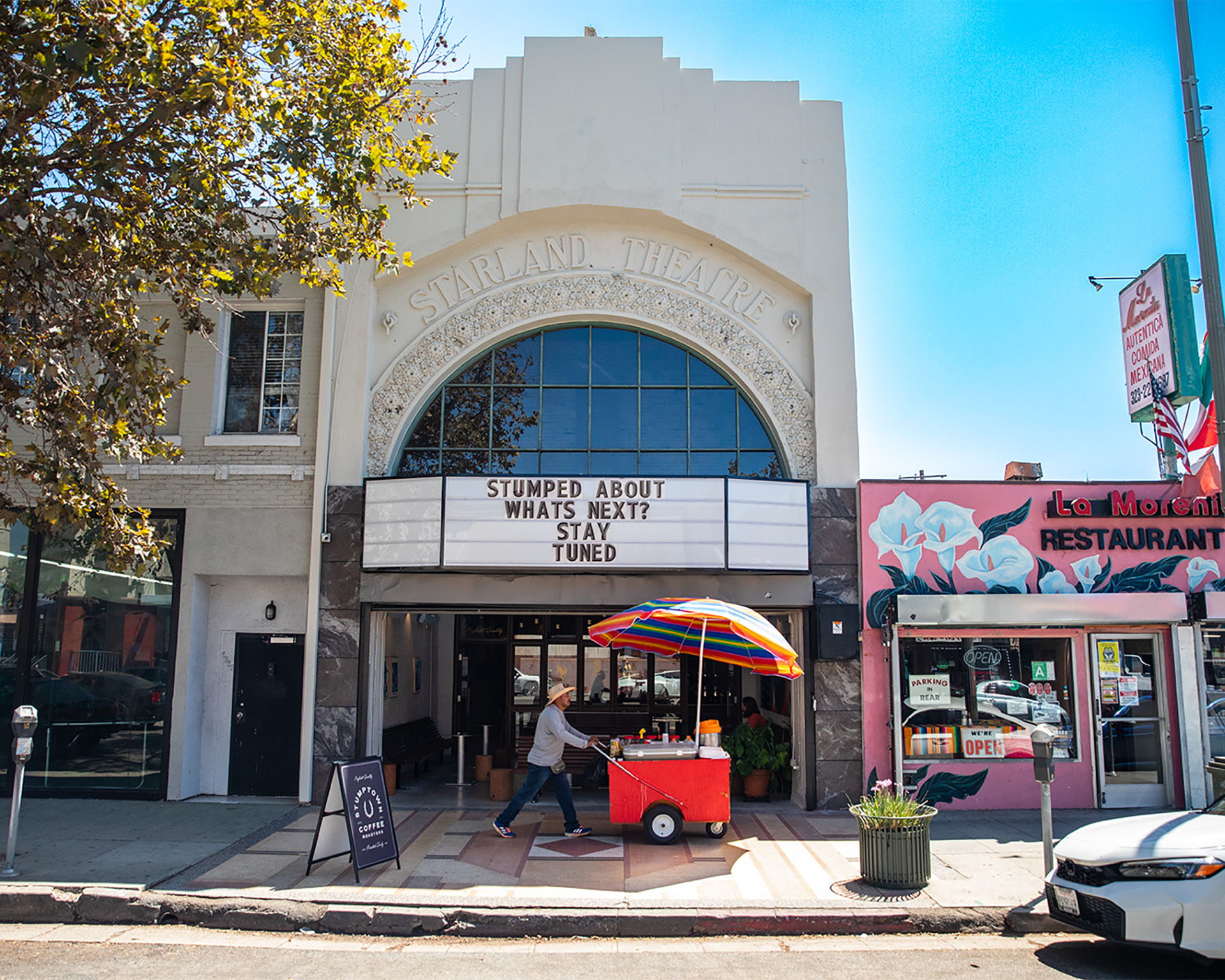
- Late Q3: The conclusion of the series, featuring the Stumptown Coffee Roasters expansion in Los Angeles and the Fresh Pots project in Copenhagen, Denmark.
The Stumptown project in Los Angeles serves as a case study in large-scale corporate design, illustrating how established brands navigate the balance between global consistency and the specific aesthetic requirements of a local market like California. Conversely, the Fresh Pots development in Copenhagen represents the pinnacle of the "small-format" movement, where design is prioritized for efficiency and community engagement rather than sheer volume.
Broader Economic and Architectural Implications
The data gathered throughout the 2026 Build-Outs of Coffee suggests several key implications for the future of the industry:

- Supply Chain Transparency: Consumers are no longer satisfied with origin information alone; they demand full transparency regarding the build process, the materials used in the café construction, and the labor practices of the firms involved in the build.
- Technological Integration: The adoption of high-efficiency espresso machinery—such as those produced by project sponsors like La Marzocco—has become a non-negotiable standard for any modern café. This technology is increasingly paired with cloud-based analytics to track extraction times and machine health in real-time.
- Sustainability as a Design Pillar: Materials like recycled timber, low-VOC paints, and energy-efficient lighting are now baseline requirements for new café builds. The influence of companies like noissue in sustainable packaging and branding further highlights this shift toward circular economies.
Perspectives from Industry Partners
The success of the 2026 season is heavily attributed to the collaboration between various industry leaders. Organizations such as Dona, Pacific Barista Series, Baratza, and La Marzocco have not only sponsored the technical aspects of the build-outs but have also provided the foundational tools necessary for these new cafes to function.
Statements from these partners during the final podcast episode suggest that the industry is entering a period of "refined growth." Rather than the aggressive, rapid expansion seen in the early 2010s, the current climate favors sustainable, high-quality, and community-focused growth. This sentiment is echoed by the retail operators themselves, who report that a thoughtfully designed space—one that considers the flow of both customers and baristas—is the single most important factor in long-term operational success.
Future Outlook and Closing Thoughts
As the industry looks toward 2027, the lessons learned from the 2026 Build-Outs of Coffee will undoubtedly influence the next generation of retail spaces. The integration of high-fidelity coffee, artisanal tisanes, and intentional, community-driven design is no longer a luxury reserved for the upper echelon of the market; it is becoming the standard.
The final episode of the Coffee Sprudgecast serves as a definitive summary of these developments, offering a comprehensive auditory experience that mirrors the visual storytelling found throughout the series. By documenting the intersection of architecture, agriculture, and retail, the Build-Outs of Coffee series continues to provide essential data for stakeholders, investors, and enthusiasts alike. The 2026 season may have come to a close, but the architectural and sensory precedents set this year will likely inform the trajectory of the global coffee industry for years to come. Listeners are encouraged to review the full archives of the 2026 Build-Outs to gain a holistic understanding of the innovations that defined this transformative year in specialty coffee.