Indra Kusuma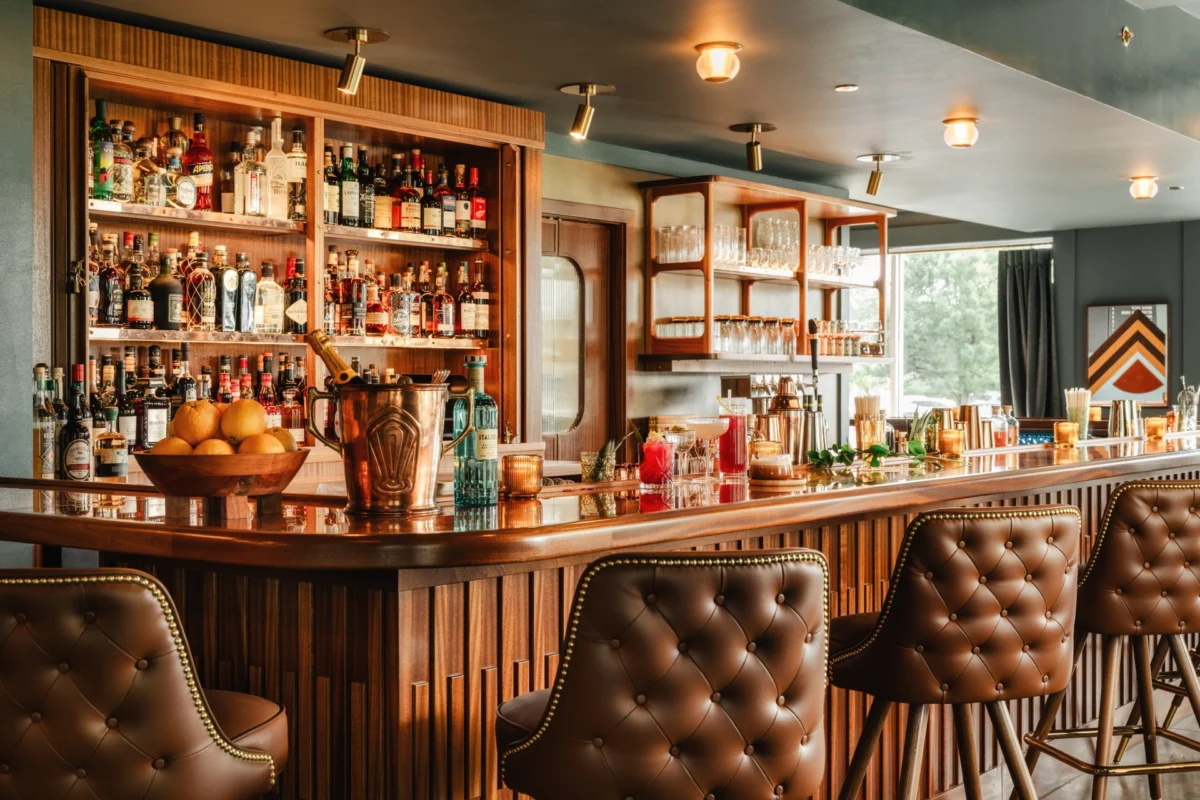
The hospitality industry has increasingly gravitated toward the "sense of place" philosophy, but few projects have executed this vision with the granular commitment seen at the newly opened Dexter Hotel in Elk Rapids, Michigan. Situated three-and-a-half hours north of Detroit, the 29-room boutique property serves as a testament to the resurgence of regional craftsmanship. Spearheaded by Daniel Caudill—formerly the creative director of the lifestyle brand Shinola—the project represents a collaborative effort between his Kinship Hospitality venture, co-founded with Kamron Bije-Apple, and Shore North Development. By prioritizing local sourcing for nearly every tangible element of the guest experience, the Dexter Hotel challenges the industry-standard reliance on global supply chains, opting instead for a model rooted in the specific creative ecosystem of northern Michigan.
A Chronology of Concept and Construction
The genesis of the Dexter Hotel began roughly a decade ago, sparked by Caudill’s personal history with the region. Having owned property in northern Michigan for ten years, Caudill identified a structural gap in the market: while the area possessed a wealth of natural resources, high-quality agricultural products, and a burgeoning creative class, there were few hospitality venues that synthesized these assets into a cohesive, high-end visitor experience.
The development timeline accelerated in recent years as Caudill leveraged his professional network, established during his tenure at Shinola, to identify regional partners capable of meeting his exacting design standards. The collaboration with Shore North Development provided the necessary logistical framework to transform the vision into a reality. Construction and interior outfitting took place throughout 2025 and early 2026, with a focus on "slow-design"—a process that prioritized direct communication with craftspeople over the expediency of mass-production. By early September 2026, the hotel reached completion, marking a shift in the local landscape from traditional lakeside lodging to a sophisticated, design-forward retreat.

The Economics of Localized Sourcing
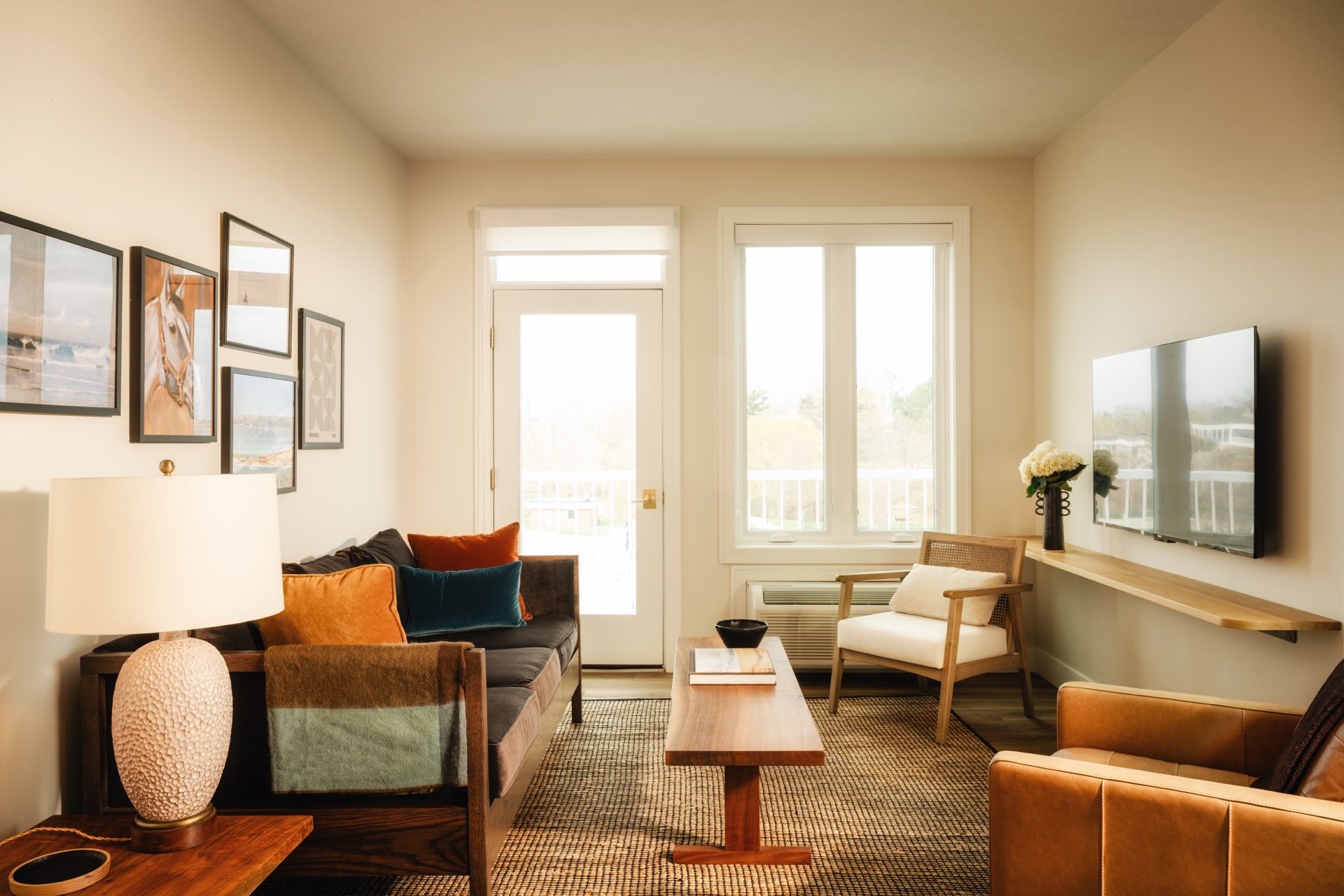
The decision to source materials locally is not merely an aesthetic choice; it is an economic strategy that ripples through the regional supply chain. The hotel’s furniture, for instance, serves as a cornerstone of its interior identity. Designed by Caudill and manufactured by Wolf Studio in Grand Rapids, the white oak furniture pieces—ranging from nightstands to bed frames—eschew modern veneers in favor of solid wood construction.
This partnership highlights a broader trend in Michigan’s post-industrial economy, where the state’s historical legacy as a hub for mid-century modern furniture manufacturing is being reclaimed by boutique studios. By keeping the manufacturing within the state, the project effectively reduces the carbon footprint associated with logistics while keeping capital within the Michigan economy. Data from similar boutique projects suggests that such "hyper-local" procurement models can increase local employment impact by up to 40% compared to properties that rely on international interior design wholesalers.

Architectural Curation and Design Philosophy
The Dexter’s design language is an exercise in textural narrative. Throughout the lobby and the 29 guest rooms, the emphasis is placed on tactile materials—leather, heavy canvas, and velvet—that offer a counterpoint to the clean, architectural lines of the oak cabinetry. This approach is intended to ground the guest in the immediate environment.
The hotel’s commitment to regionalism extends to its utility items and signage. Traverse City serves as a major node in this network: the flush-mount ceiling lights were produced by the industrial manufacturer Britten Inc., while ceramic accessories, including vases and custom trays, were fabricated by the local studio ClaySpace. The signage, both interior and exterior, was divided between the Bear Sign Company of Traverse City and the Detroit-based Motown Hand Painting, ensuring that even the wayfinding of the property functions as a catalog of Michigan’s creative output.

The Role of the Noble Lounge
The integration of the on-site Noble Lounge into the guest experience underscores the hotel’s focus on the "farm-to-table" ethos of the Grand Traverse Bay region. By sourcing cheese and produce from neighboring Suttons Bay and Northport, the hotel aligns its culinary identity with its structural one. The bar itself, crafted by Wolf Studio, serves as a physical bridge between the hotel’s woodworking-heavy interior and the beverage and food program.
The inclusion of these dining elements is a strategic move to capture the "lifestyle" demographic—travelers who prioritize proximity to local agriculture and artisanal production. This creates a closed-loop ecosystem where the hotel, the local farmers, and the regional craftspeople operate as a single, interdependent entity.

Artistic Curation and Cultural Context
Art plays a critical role in the Dexter’s atmosphere, with the collection serving as a deliberate effort to elevate regional artists. The curation, overseen in part by Detroit’s Library Street Collective, features works by Pier Wright and Jesse Hickman, among others. By mixing high-concept gallery pieces with items such as landscape paintings sourced from local thrift stores, the hotel manages to balance the high-end with the approachable.
Caudill has noted that while guests may not always be aware of the provenance of every item, the collective effect is one of authentic distinction. To bridge this information gap, the hotel is developing a zine intended to provide context for the design choices, effectively turning the property into an educational space that encourages guests to engage with the region’s creative history.

Broader Implications for the Hospitality Sector
The Dexter Hotel’s operational model offers a compelling case study for the future of rural hospitality. In an era where many hotels strive for a standardized "international" look to ensure comfort, the Dexter leans into regional specificity. This approach has significant implications for tourism development in secondary and tertiary markets.
- Brand Loyalty through Provenance: By offering goods that are exclusive to the region, the hotel builds a unique brand identity that cannot be replicated by chains. This is evidenced by the "missing" soap dishes—a recurring anecdote from the owners that highlights a desire among guests to possess a tangible piece of the experience.
- Economic Resilience: The reliance on local craftspeople creates a resilient supply chain less susceptible to global shipping disruptions.
- Cultural Stewardship: As the hotel grows, it functions as a curator of the region’s identity, acting as a gateway for travelers to explore local businesses beyond the hotel walls.
Future Outlook and Expansion
Caudill has already signaled plans to launch an on-site gift shop, a move that serves a dual purpose: it provides a secondary revenue stream and satisfies the demand from guests who wish to purchase the furniture and home goods they encountered during their stay. This retail expansion represents the final step in the project’s goal of making the "Dexter experience" portable.

As the hotel settles into its role within the Elk Rapids community, its success will likely be measured not just by occupancy rates, but by the extent to which it encourages other hospitality operators in the Great Lakes region to adopt similar procurement practices. By proving that a high-end, 29-room property can be built almost entirely through regional collaboration, the Dexter Hotel has set a new benchmark. It demonstrates that the most luxurious amenity a hotel can offer today is not a specific service, but a deep, tangible connection to the place in which it resides. Whether this model can be scaled remains to be seen, but for now, the Dexter stands as a definitive example of the power of place-based design in the 21st century.