Pranda Michaela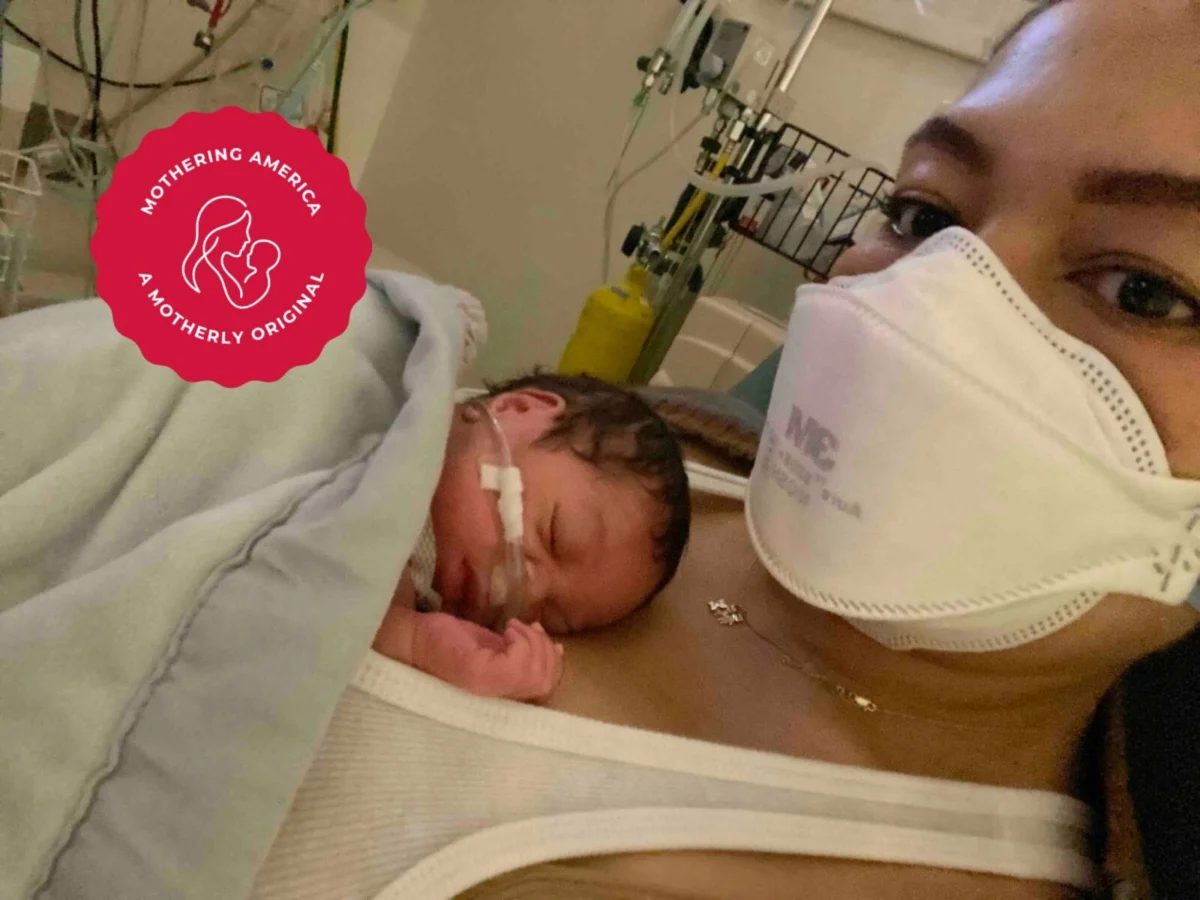
The Neonatal Intensive Care Unit (NICU) is a space where time operates differently. For families, days are marked not by dates, but by the rhythmic pulsing of monitors, the titration of medications, and the precarious milestones of breath and weight gain. For Stephanie Roberson, a mother who experienced a sudden, premature birth at 25 weeks and 6 days, this environment was a crucible that revealed the deep structural inequities embedded in the American healthcare and labor systems. Her journey—from a routine pregnancy to an 87-day stay in the NICU—has transformed her from a private citizen into a vocal advocate for federal legislative change, highlighting the urgent need for a comprehensive national paid family and medical leave policy.
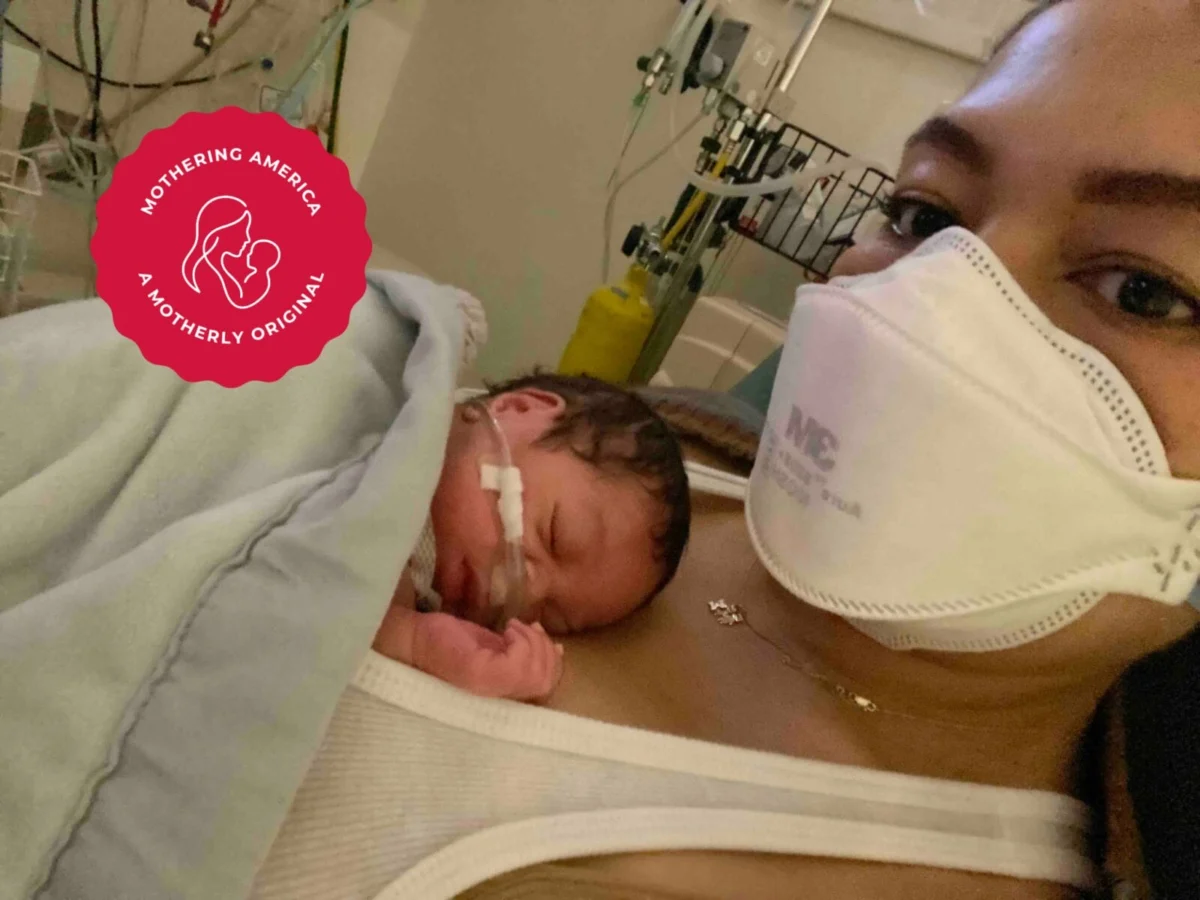
The chronology of Roberson’s experience began with the sudden rupture of membranes at 24 weeks gestation. What followed was a rapid transition from a domestic setting to a high-acuity medical facility. Upon arrival, Roberson faced the sobering reality of the "survival statistics" associated with extreme prematurity. At 25 weeks, the survival rate for a neonate is approximately 80 percent, yet this figure masks the complexity of potential long-term morbidity, including neurodevelopmental delays, bronchopulmonary dysplasia, and sensory impairments. Following 13 days of inpatient bed rest, her son, Myles, was born. His entry into the world was characterized by the fragility of a 25-week-old infant; he required immediate stabilization and a prolonged period of physiological support.
For the next 87 days, the hospital served as the primary residence for the Roberson family. The NICU environment is inherently stressful, marked by the constant, high-frequency alarm systems of cardiac monitors and the shared grief of neighboring families. During this period, Myles faced recurring apnea of prematurity—a common, albeit harrowing, complication where the infant temporarily stops breathing. The treatment protocol involved caffeine citrate to stimulate the central nervous system, a standard intervention that underscores the precariousness of neonatal development.
Data and the Economics of Preterm Birth
The financial and systemic burdens placed on NICU families are substantial. According to recent health policy research, the costs associated with a high-level NICU stay can reach seven figures, with a significant portion of these costs falling upon families through deductibles, copays, and the ancillary expenses of caregiving. While Roberson’s insurance covered the majority of the $1.5 million bill, the "hidden" costs—parking, nutrition, travel, and the loss of spousal income—often exceed hundreds of dollars per day.
This economic pressure is exacerbated by the absence of a federal mandate for paid family leave. Currently, the United States remains the only industrialized nation without a federally guaranteed paid leave policy. The Family and Medical Leave Act (FMLA), enacted in 1993, provides 12 weeks of unpaid, job-protected leave to eligible employees. However, the limitation of FMLA is profound for NICU parents: often, the entirety of that leave is exhausted during the child’s hospitalization, leaving the parent with no remaining time to provide the intensive home-based care required once the infant is finally discharged.
The disconnect between current policy and the clinical reality of prematurity creates a "care gap." Only 14 states and the District of Columbia have implemented state-level paid family and medical leave programs. As a result, approximately 73% of the U.S. workforce lacks access to employer-provided paid family leave, forcing many parents to choose between their career stability and their child’s survival.
Mental Health Implications for NICU Parents
The trauma of the NICU extends beyond the physical health of the infant. Clinical literature consistently indicates that parents of NICU infants are at an elevated risk for developing perinatal mental health conditions, including Postpartum Depression (PPD), Postpartum Anxiety (PPA), and Post-Traumatic Stress Disorder (PTSD). The nature of the NICU—a medicalized, high-stakes environment—often forces parents to suppress their emotional responses to focus entirely on advocacy and survival.
Roberson’s experience is emblematic of this phenomenon. The psychological toll of witnessing one’s child struggle for breath, combined with the financial stress of navigating insurance denials, creates a high-pressure environment that often persists long after discharge. Despite the prevalence of these conditions, the mental health infrastructure is severely under-resourced. Data from the Maternal Mental Health Leadership Alliance suggests that nearly 75% of mothers suffering from perinatal mental health conditions do not receive adequate treatment, a failure that results in long-term consequences for family cohesion and workplace productivity.
Policy Reform and the Chamber of Mothers
Recognizing that her successful outcome—a healthy four-year-old child—was largely bolstered by her access to resources, paid leave, and a supportive social network, Roberson turned her attention toward systemic advocacy. In 2024, she assumed the role of board chair for the Chamber of Mothers, a nonpartisan nonprofit organization. The organization’s mandate is to bridge the gap between lived experience and legislative action.
The Chamber of Mothers operates on the principle that maternal health is a public health imperative. By organizing 52 chapters across the country, the group facilitates a grassroots effort to push for legislative changes that address the three pillars of maternal support: paid leave, affordable childcare, and robust investment in maternal healthcare outcomes.
The legislative landscape is beginning to shift, albeit slowly. Some states have pioneered "NICU-specific" leave policies, which allow for an extension of job-protected, paid time off for parents whose infants are admitted to neonatal units. At the federal level, representatives have begun drafting legislation that aims to codify these protections. These bills represent a significant departure from the traditional, rigid structure of the FMLA, acknowledging that neonatal emergencies require a flexible, compassionate response from employers and the government alike.
The Broader Impact of Advocacy
The objective of these policy efforts is not merely to provide financial relief to individual families, but to establish a baseline of support that recognizes the complexities of modern motherhood. The advocacy led by figures like Roberson highlights a critical intersection between labor rights and public health. When a parent is forced to return to work while their child is still in a life-threatening medical state, the downstream effects include reduced productivity, increased healthcare costs for the state, and the potential for long-term developmental setbacks for the child.
Economic analysis suggests that paid leave programs provide a high return on investment. Increased labor force participation among mothers, improved infant health outcomes, and decreased reliance on social safety nets are all tangible benefits of such policies. By shifting the conversation from a private, individual struggle to a public, structural concern, advocates are forcing a reevaluation of what the American workforce owes to families.
As the movement gains momentum, the emphasis remains on the "unseen" nature of the NICU experience. For many, the statistics—80 percent survival rates, millions in hospital costs, or the prevalence of postpartum PTSD—are just numbers on a page. For the families represented by the Chamber of Mothers, these figures represent the reality of their daily existence.
The transition from a personal health crisis to a legislative agenda is, in many ways, the final stage of the NICU journey. It is a process of reclaiming the narrative and ensuring that the survival of a child does not come at the cost of a parent’s livelihood or mental health. As Roberson notes, once the inequities are illuminated, they become impossible to ignore. The goal is to move beyond "miracle" stories—which rely on luck and privilege—and toward a standard of care that ensures every parent has the capacity to be present during their child’s most critical moments. The path forward involves a sustained, multipronged strategy of state-level policy adoption and federal advocacy, aiming to normalize the support that every family deserves.