Cintya Tara Annisa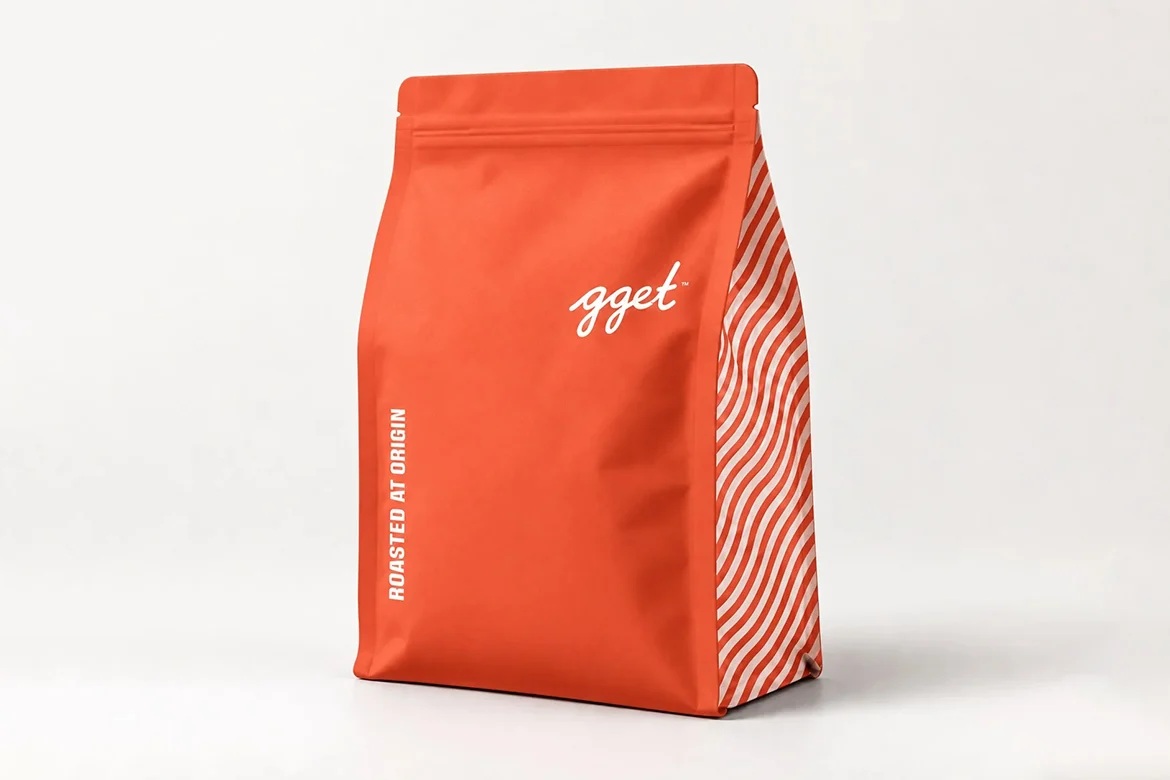
Los Angeles-based specialty coffee powerhouse Go Get Em Tiger (GGET) has announced a fundamental transformation of its supply chain and production model, signaling a departure from the traditional coffee industry standard. Beginning in September 2026, the company will initiate its "Roasted at Origin" program, a strategic pivot designed to relocate a significant portion of its roasting operations from Los Angeles to the coffee-producing countries themselves. This move represents one of the most aggressive attempts in the specialty coffee sector to redefine the logistics of value-added production, aiming to shift 20% of its total roasting capacity to origin by the end of 2026, with an ambitious target of 70% by the conclusion of 2027.
The Traditional Model and the Case for Change
For decades, the global specialty coffee industry has operated under a standardized, centralized model. Producers in equatorial regions harvest, process, and dry coffee cherries before exporting the raw "green" beans to consuming nations. Once they arrive at their destination, these beans undergo secondary transport, warehousing, and inventory management before being roasted, packaged, and distributed. While this model has provided consistency and oversight for roasters in North America and Europe, it has long been criticized for leaving the bulk of the economic value—and the technical expertise—in the hands of the consuming market rather than the producing community.
The GGET initiative challenges the conventional definition of "freshness." Historically, specialty coffee companies have equated quality with the time elapsed between the roast date and the brewing date. GGET, however, argues that this metric is incomplete. By shortening the interval between the harvest and the roast, the company intends to capture a higher level of vitality in the bean. Under the new protocol, coffee is roasted, packaged, and shipped as a finished product, with transit times typically reduced to a 10 to 30-day window. This minimizes the duration that the volatile, high-quality beans spend sitting in warehouses or traversing global supply chains in their raw, vulnerable state.
A Chronological Roadmap for Integration
The implementation of the Roasted at Origin initiative follows a phased timeline, reflecting the company’s intent to maintain product quality while scaling infrastructure.
- September 2026: Launch of the program. GGET introduces its first collaborative offering, "PRISM," to be available across all Los Angeles retail locations and via the company’s direct-to-consumer e-commerce platform on National Coffee Day, September 29, 2026.
- Q4 2026: Initial integration phase, targeting 20% of total roasting volume to occur at origin. This phase focuses on utilizing existing partnerships with long-term producers who have already collaborated on roasting profiles.
- Throughout 2027: Scale-up phase. GGET plans to systematically onboard additional producing partners and expand the program across a broader range of geographic regions.
- December 2027: The target deadline for reaching 70% of total company roasting volume at origin.
While the 70% mark is the stated goal for 2027, the company maintains that it will continue to operate roasting facilities in Los Angeles. This hybrid approach ensures that select coffees, perhaps those requiring specific micro-lot adjustments or rapid iteration, remain under direct local oversight while the bulk of the brand’s volume transitions to the new model.
Economic and Sustainability Implications
The economic ramifications of this shift are profound. By moving the roasting and packaging process to the point of origin, GGET is effectively keeping more of the post-harvest value within the producing countries. In the traditional commodity chain, the roasting process is a significant value-add; by offloading this to the producer, GGET is creating new revenue streams for its farming partners.
Geoff Watts, a member of the GGET Board of Directors, emphasized that this move is intended to democratize expertise. "The people who cultivate the coffee and manage the nuanced processes behind its quality are the ones who deserve the credit," Watts noted. "They should have a bigger role in how the coffee is finished." This perspective aligns with broader trends in agricultural sustainability, where the focus is shifting from simple fair-trade premiums to the empowerment of the producer through the transfer of technology and technical labor.
From an environmental standpoint, the move also addresses the carbon footprint associated with international logistics. Shipping finished, roasted coffee rather than large volumes of green coffee that later require secondary processing and packaging in the U.S. has the potential to streamline the supply chain. While shipping finished goods requires more careful climate control, the reduction in total transit steps offers a compelling, albeit complex, sustainability argument that GGET intends to monitor as the program matures.
Collaborative Roasting: Avoiding the Outsourcing Pitfall
A primary concern for specialty coffee consumers when hearing about production shifts is the fear of "white-labeling" or outsourcing to anonymous third-party facilities. GGET has been explicit in its rejection of this approach. The company maintains that the Roasted at Origin model is built exclusively on existing, long-standing relationships with farmers and mill owners.
Rather than sending specifications to a contract manufacturer, GGET is working with its partners to develop roasting profiles collaboratively. This requires a transfer of knowledge and, in many cases, an investment in the roasting infrastructure at the origin. By treating these producers as equal partners rather than suppliers, GGET aims to ensure that the final product maintains the flavor integrity that its customers have come to expect since the company’s inception in 2013.
Industry Impact and Future Outlook
The specialty coffee industry is watching the GGET announcement closely. If successful, the model could disrupt the long-held belief that high-end roasting must occur in the same zip code as the retail shop. The technical challenges are not insignificant; they include ensuring quality control, maintaining strict roast profiles from a distance, and navigating the complexities of international trade and customs for finished goods.
However, the shift toward "origin-roasting" is not entirely new; it has been discussed for years within the industry as a potential "holy grail" of sustainability. GGET’s decision to commit 70% of its volume to this model elevates it from a niche experimental project to a core business strategy.
As the company prepares for the September 2026 launch of the PRISM release, the focus will remain on the consumer experience. If the quality of the coffee remains consistent with the brand’s high standards, the Roasted at Origin model could provide a blueprint for other specialty companies to follow. This shift is not merely about logistics; it is a statement about the future of the specialty coffee industry—one that seeks to build a more equitable, efficient, and direct link between the person who grows the cherry and the person who consumes the cup.
Ultimately, GGET’s initiative serves as a litmus test for the industry’s commitment to the producers at the foundation of the supply chain. By prioritizing the "life of the coffee" over the traditional metrics of freshness, the company is attempting to prove that a global, scalable brand can also be a pioneer in sustainable, localized production. Whether the market is ready to fully embrace this change remains to be seen, but the trajectory of GGET’s strategy suggests that the future of specialty coffee may be found closer to the farm than ever before.