Cintya Tara Annisa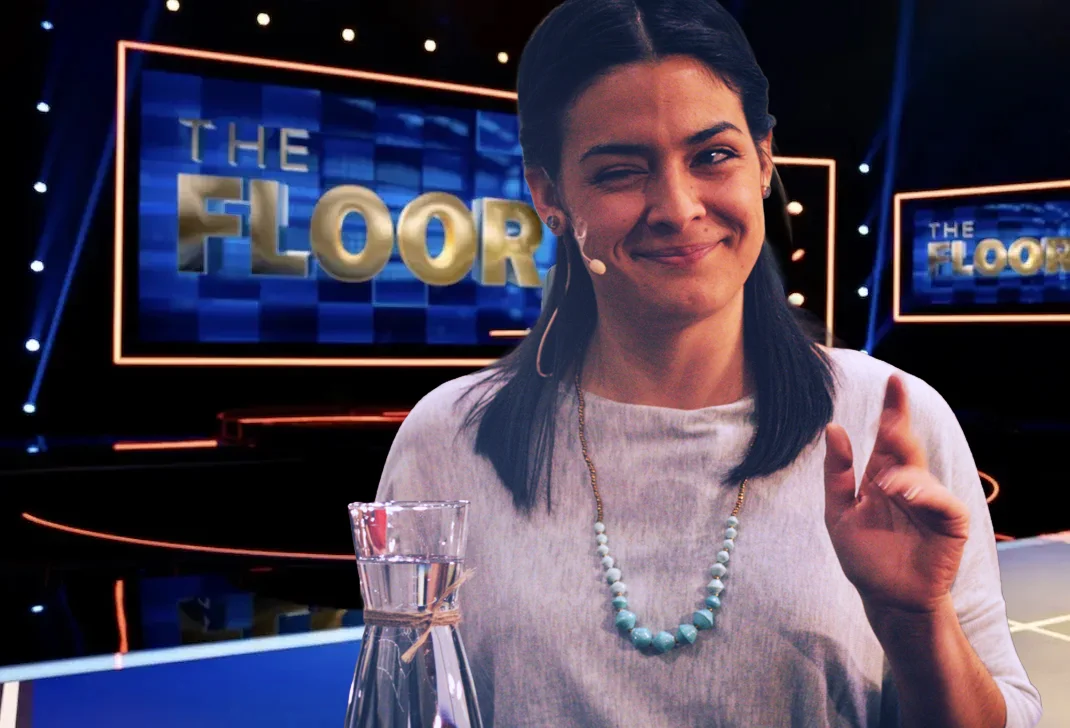
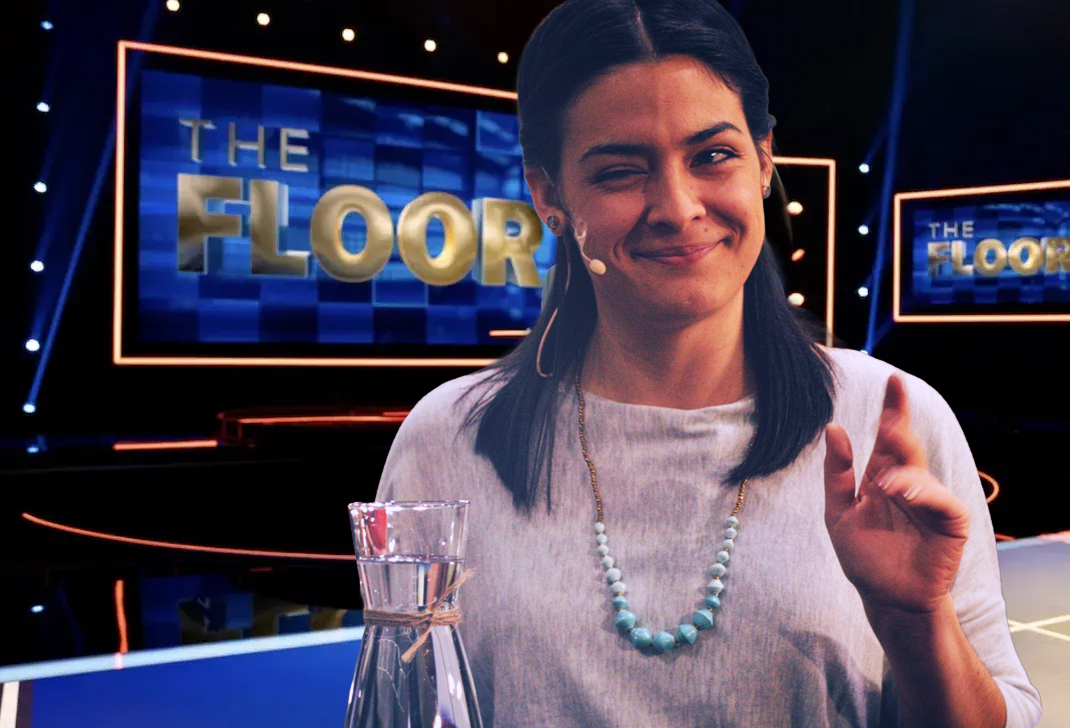
Laila Ghambari, a titan of the specialty coffee industry and the celebrated 2014 United States Barista Champion, has officially expanded her professional repertoire to include the high-stakes world of televised game shows. Her recent appearance on the sixth season of Fox’s The Floor marks a significant crossover for the coffee professional, who is recognized globally as an elite consultant, educator, and the proprietor of Portland’s Guilder Coffee. Ghambari’s participation in the series, which functions as a tournament of champions featuring experts from niche disciplines ranging from competitive air guitar to professional puppeteering, highlights a growing trend of industry specialists testing their acumen in mainstream media environments.
The Mechanics of The Floor
The Floor, a high-intensity trivia format originally developed in the Netherlands, offers a unique challenge that departs from traditional quiz show structures. Hosted by Rob Lowe, the program tasks 100 contestants with securing control over a massive, interactive LED grid. Each square on the board corresponds to a specific category of expertise. Contestants are selected at random to initiate "quiz duels" against neighboring opponents. The winner of each head-to-head battle claims the defeated player’s territory, while the loser is eliminated from the game.
The strategy required to navigate The Floor involves a balance of offensive expansion and defensive positioning. The grand prize, a life-changing sum of $250,000, is reserved for the contestant who successfully commands the entire board. Season six is particularly notable for its "Tournament of Champions" format, which exclusively features individuals who have previously reached the pinnacle of their respective fields. By inviting a U.S. Barista Champion into this cohort, the producers have underscored the intellectual rigor and competitive nature inherent in the professional specialty coffee circuit.
A Legacy of Competitive Excellence
To understand the gravity of Ghambari’s presence on the program, one must examine the environment in which she achieved her 2014 national title. The United States Barista Championship (USBC) is widely regarded as the most demanding competition in the specialty coffee world, requiring participants to demonstrate mastery of sensory analysis, machine calibration, and public presentation under extreme time constraints.
In 2014, Ghambari navigated a path through the "Big Western" region, a notoriously difficult circuit that serves as a crucible for emerging talent. Her eventual victory over industry heavyweights, including future champions Charles Babinski and Cole McBride, cemented her reputation as one of the most capable practitioners in the field. Her transition to The Floor is, in many ways, an extension of the competitive discipline she honed over a decade ago. While the trivia categories on the game show may differ from the technical nuances of espresso extraction, the pressure to perform under a ticking clock remains a familiar variable for Ghambari.
Duyen Ha and the Narrative of the Barista Champion
The presence of another notable coffee professional in the reality television sphere this year, Chef Duyen Ha, has sparked a broader conversation regarding the prestige of barista titles. During the 23rd season of the widely broadcast Top Chef, Chef Ha explicitly cited her status as a barista champion as a testament to her competitive fortitude.
The subsequent public discourse surrounding the validity of this claim—which was later clarified via the TV Chef Fantasy League podcast to have originated from a high-level, company-wide competition at Think Coffee in New York—serves as a fascinating case study in how "championship" titles are perceived across different culinary disciplines. While some observers initially questioned the distinction between a regional or company-wide victory and a national title, the industry consensus has largely landed on a more inclusive interpretation. The proliferation of events such as "spro-downs," triangulation challenges, and community throw-downs has fostered a culture where competitive spirit is as highly valued as the hardware itself.
The creation of the Barista Championship Database has emerged as a direct response to this phenomenon. By allowing professionals to catalog their various wins, the database creates a comprehensive, user-driven archive that validates the achievements of baristas across all levels of the industry. As Duyen Ha noted in correspondence regarding her own competitive history, the intensity of these events is real, regardless of the scale of the venue.
Comparative Impact on Industry Visibility
The appearance of two high-profile baristas on major television platforms within the same calendar year represents a significant milestone for the specialty coffee industry. Historically, the professional barista has often been relegated to a service-industry stereotype, perceived primarily through the lens of front-of-house hospitality rather than technical expertise. By positioning themselves alongside experts in chess, robotics, and professional cooking, Ghambari and Ha are effectively shifting the narrative.

For the specialty coffee sector, this exposure provides a platform to demonstrate the complexity of the craft to a mainstream audience. The rigor required to win a barista championship—which involves deep knowledge of agricultural sourcing, water chemistry, roasting profiles, and customer engagement—is increasingly being recognized as a legitimate "discipline."
The Future of Competitive Coffee
As the specialty coffee community continues to evolve, the distinction between "traditional" competitions and the broader competitive landscape is blurring. The success of the USBC model has inspired a wave of localized, informal, and niche competitions that continue to draw large crowds and foster professional growth.
The inclusion of these champions in mainstream media serves a dual purpose: it humanizes the experts behind the counter and provides a blueprint for future generations of coffee professionals to pursue excellence in diverse arenas. Whether through the strategic maneuvering on a giant LED floor or the high-pressure environment of a culinary competition, the core competencies of the barista—precision, composure, and a commitment to quality—are proving to be highly transferable skills.
Concluding Analysis
While the television audiences tuning into The Floor or Top Chef may not fully grasp the intricacies of a perfectly pulled shot of espresso or the nuances of milk micro-foam, they are witnessing a clear assertion of the barista’s professional identity. Laila Ghambari’s participation in The Floor is not merely an appearance on a game show; it is a declaration of the versatility and intellectual depth of the modern barista.
As the industry looks forward, the ongoing documentation of these competitive milestones—both large and small—will remain essential. The Barista Championship Database and similar efforts are not just recording wins; they are building a collective history that defines what it means to be a champion in the coffee world. For now, the specialty coffee industry can look on with interest as its most decorated representatives continue to bring the rigor of the coffee bar to the bright lights of national television, challenging the public’s perception one question—and one cup—at a time.