Cintya Tara Annisa
The global specialty coffee industry is currently navigating a period of unprecedented technical experimentation, characterized by a shift toward advanced processing methods and a renewed focus on regional provenance. As consumer demand for transparency and unique sensory profiles grows, roasters are increasingly partnering directly with producers to implement specialized techniques—such as anaerobic fermentation and honey processing—that alter the chemical composition of the coffee bean at the point of origin. This week, we examine a curated selection of coffee offerings from international roasters that reflect these broader market trends, providing a snapshot of the current state of specialty coffee production.
The Evolution of Processing: From Traditional Washed to Anaerobic Fermentation
Historically, the specialty coffee sector relied heavily on the "washed" process, which emphasizes the intrinsic characteristics of the coffee variety and the terroir. However, recent data from the Specialty Coffee Association (SCA) indicates a significant rise in the market share of alternative processing methods. Anaerobic fermentation, a technique that involves sealing coffee cherries in oxygen-deprived tanks to manipulate microbial activity, has become a cornerstone of the modern premium market.
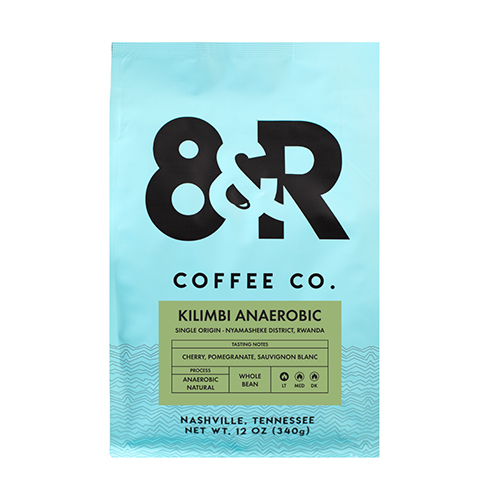
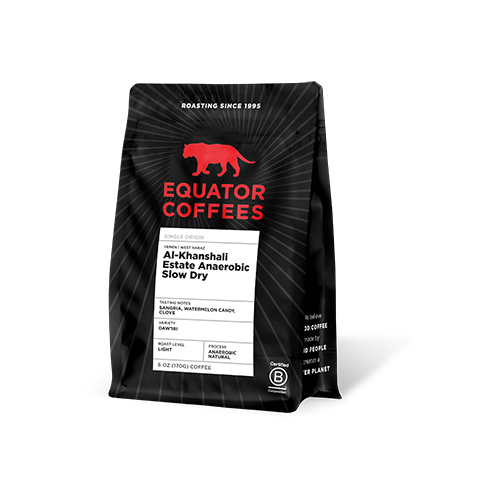
This evolution is evident in offerings like the Kilimbi Anaerobic from 8th & Roast Coffee Co. By controlling fermentation in a low-oxygen environment, the Kilimbi Washing Station in Rwanda has produced a cup with wine-like complexity, highlighting the potential for traditional origins to achieve modern flavor profiles through process engineering. Similarly, Equator Coffees has introduced a rare Yemen Al-Khanshali Estate anaerobic slow-dry coffee. This specific offering is rooted in the work of Mokhtar Alkhanshali, whose efforts to revive the Yemeni coffee industry were famously documented in Dave Eggers’ The Monk of Mokha. Such projects illustrate how cultural narratives and high-end processing intersect to create high-value products.

Regional Provenance and the "Origin Effect"
While processing techniques are gaining traction, the fundamental role of regional terroir remains the bedrock of the industry. The 2026 harvest cycles have brought specific focus to regions that have historically been underserved or are currently experiencing a surge in quality control.
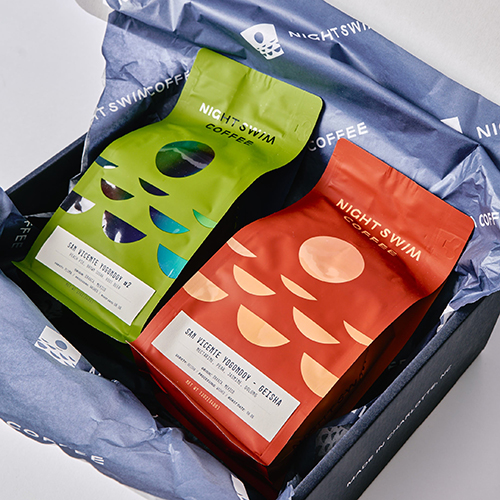
In Mexico, the San Vicente Yogondoy community is gaining visibility for its unique varietal output. Night Swim Coffee’s recent release of an Oaxacan Box Set, featuring both Pluma and Geisha varieties, serves as a case study in how smallholder communities are diversifying their offerings. The Pluma variety, endemic to the Sierra Madre del Sur, provides a stark contrast to the internationally recognized Geisha, allowing consumers to taste the impact of genetic diversity within a single micro-climate.
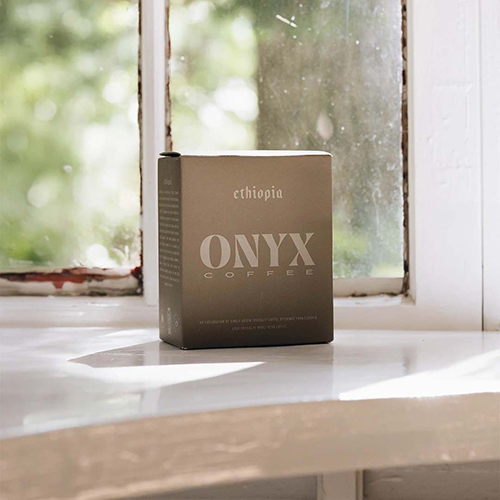
Meanwhile, in East Africa, the Agaro region of Ethiopia remains a focal point for early-season harvest quality. Onyx Coffee Lab’s Ethiopian Agaro Yukro G1 is representative of the meticulous sorting standards now common at washing stations like Yukro. By focusing on G1-grade processing, these stations ensure that only the highest quality cherries reach the export market, providing a consistent, floral profile that has become synonymous with the region.
The Role of Equity and Ethical Sourcing Programs
The specialty coffee industry is also seeing a professionalization of its social responsibility mandates. It is no longer sufficient to provide a premium for the product; leading roasters are increasingly implementing structured programs that address structural inequalities in the supply chain.
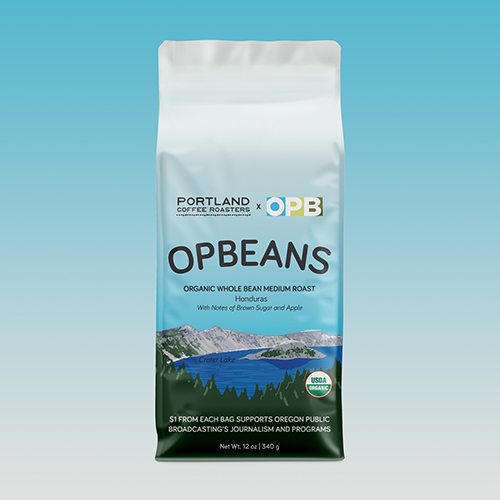
Joe Coffee Company’s "Café Feminista" program exemplifies this shift. By prioritizing coffees produced by women-led cooperatives, the company is attempting to mitigate the gender gap in agricultural labor and management. Similarly, Portland Coffee Roasters’ collaboration with Oregon Public Broadcasting for the "OPBEANS" project highlights how media and specialty coffee can converge to support social causes—in this case, by sourcing 100% women-produced, organic-certified coffee from Honduras.
These programs are not merely philanthropic; they are strategic responses to an industry that is increasingly scrutinized for its labor practices. Economic analysts suggest that brands prioritizing social equity often see higher consumer retention, as the "story behind the cup" becomes an essential component of the product’s perceived value.
Technical Precision in Blending and Decaffeination
Blending remains one of the most technical aspects of the roasting profession. Contrary to the misconception that blends are of lower quality than single-origins, modern roasters use blending to create specific, repeatable sensory experiences that single-origin coffees—which fluctuate by season—cannot provide.
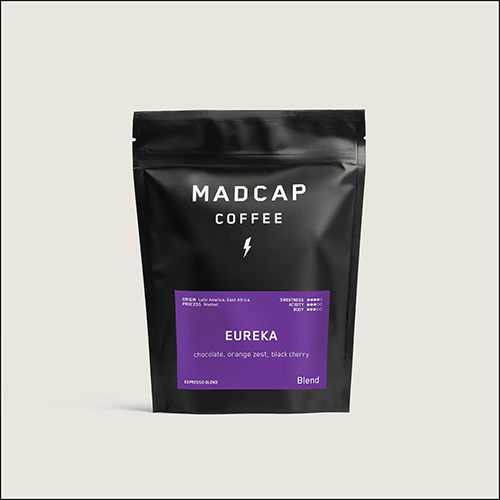
Madcap Coffee’s "Eureka" blend is designed to be versatile, pairing with steamed milk while maintaining a complex profile of black cherry and orange zest. By selecting high-density coffees from Central and South America for body, and blending them with bright East African components for acidity, the company achieves a "syrupy" consistency that is difficult to replicate in variable single-origin lots.
Simultaneously, the demand for high-quality decaffeinated coffee has prompted a move away from chemical solvents toward natural processes. Verve Coffee Roasters utilizes the Sugar Cane process for their "Long Play Decaf." This method uses ethyl acetate—a compound often derived from fermented sugar cane—to remove caffeine without stripping the coffee of its essential oils and aromatic complexity. This shift represents a broader industry standard where decaf is no longer an afterthought but a flagship offering.
Economic Implications and Future Outlook
The current landscape of the coffee industry suggests a transition toward "boutique" production at scale. As roasters like PERC Coffee continue to feature experimental lots from high-profile producers like Diego Bermudez, the barrier between agricultural production and lab-level experimentation continues to dissolve.
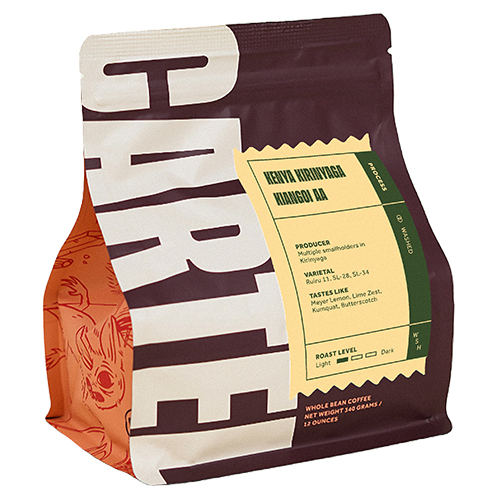
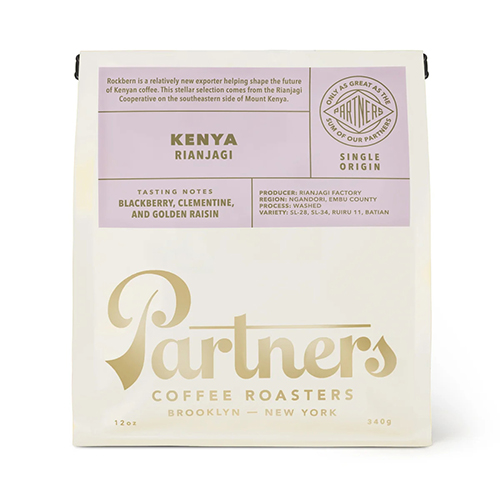
The economic implications for producers are significant. By participating in experimental processing, farmers can command prices well above the commodities market (C-price). However, this requires significant capital investment in infrastructure, such as anaerobic tanks, raised drying beds, and pH monitoring equipment. For cooperatives like Rianjagi in Kenya, which upholds rigorous standards to produce AA-grade lots, the sustainability of this model depends on the continued willingness of the global market to pay a premium for consistent, high-quality output.
As we look toward the remainder of the 2026 calendar, the industry appears poised to continue its emphasis on:

- Traceability: Increased demand for information regarding the specific washing station and harvest date of individual lots.
- Climate Adaptation: A move toward coffee varieties that are more resilient to the shifting weather patterns affecting traditional growing regions.
- Process Transparency: A clear labeling of post-harvest processing methods to educate consumers on how fermentation and drying affect the final cup.
In conclusion, the diversity of offerings from roasters globally—from the comfort-focused "Sure Thing" by Phil & Sebastian to the experimental nature of Mr. Espresso’s Java Garut—reflects a market that is deeply invested in the intersection of science and agriculture. As consumers continue to seek out these specific profiles, the industry will likely see further innovation in how coffee is processed, traded, and ultimately experienced. The current wave of "roaster-led" curation is not just a trend; it is a fundamental reconfiguration of how the value of specialty coffee is defined and distributed across the global supply chain.