In the contemporary digital landscape, creators and thought leaders face an unprecedented challenge: maintaining a consistent, high-impact presence across an expanding matrix of social media channels, newsletters, and podcast networks without succumbing to digital burnout. For Josh Allan Dykstra, a keynote speaker, entrepreneur, and self-described optimistic futurist who has spent the last two decades dedicated to improving the modern workplace, solving this operational bottleneck has been central to his recent creative output. Operating under a rigorous publishing schedule, Dykstra manages a cross-platform digital footprint approaching 50,000 followers while simultaneously writing his second book and hosting a prominent Substack podcast. His recent adoption of integrated social media management tools, specifically leveraging centralized scheduling software like Buffer to streamline multi-channel distribution and newly introduced Substack Notes integrations, offers a compelling case study in modern audience development and personal brand scaling.
Background and Context of the Creator Economy
Dykstra’s professional trajectory spans twenty years of writing, consulting, and technological enterprise development. Over his career, he has advised high-profile enterprise and institutional clients, including Microsoft, Amazon, CHANEL, and the State of Colorado, focusing heavily on organizational culture and the structural evolution of labor. However, transitioning from enterprise advisory work to a direct-to-consumer digital creator model required a distinct shift in operational strategy.
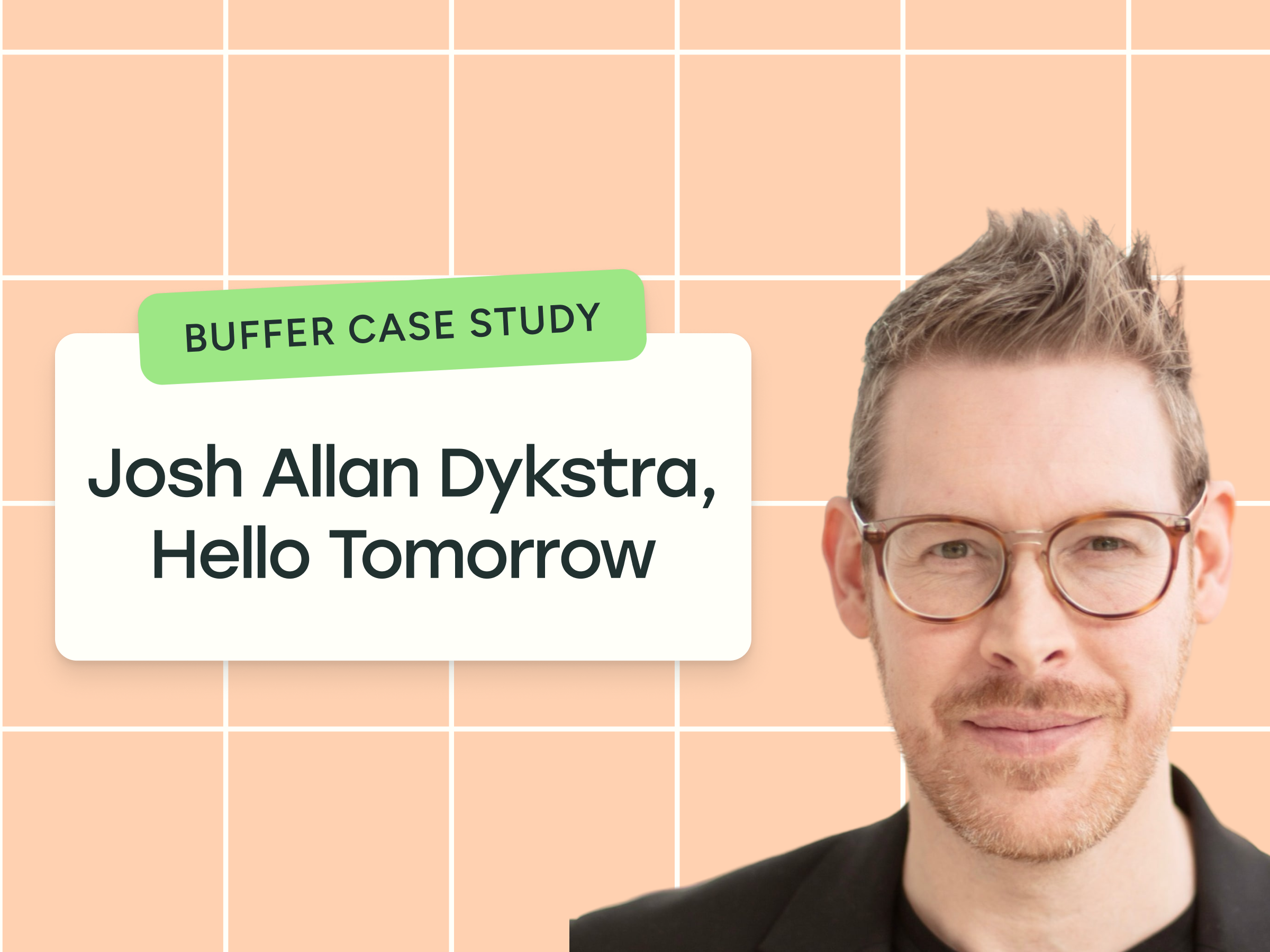
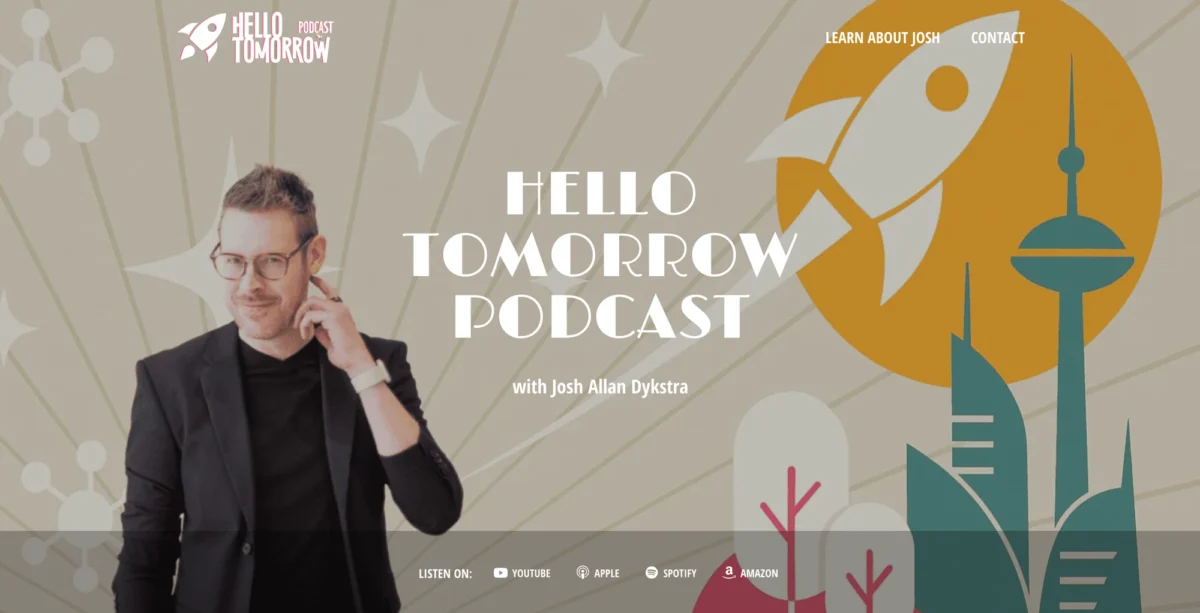
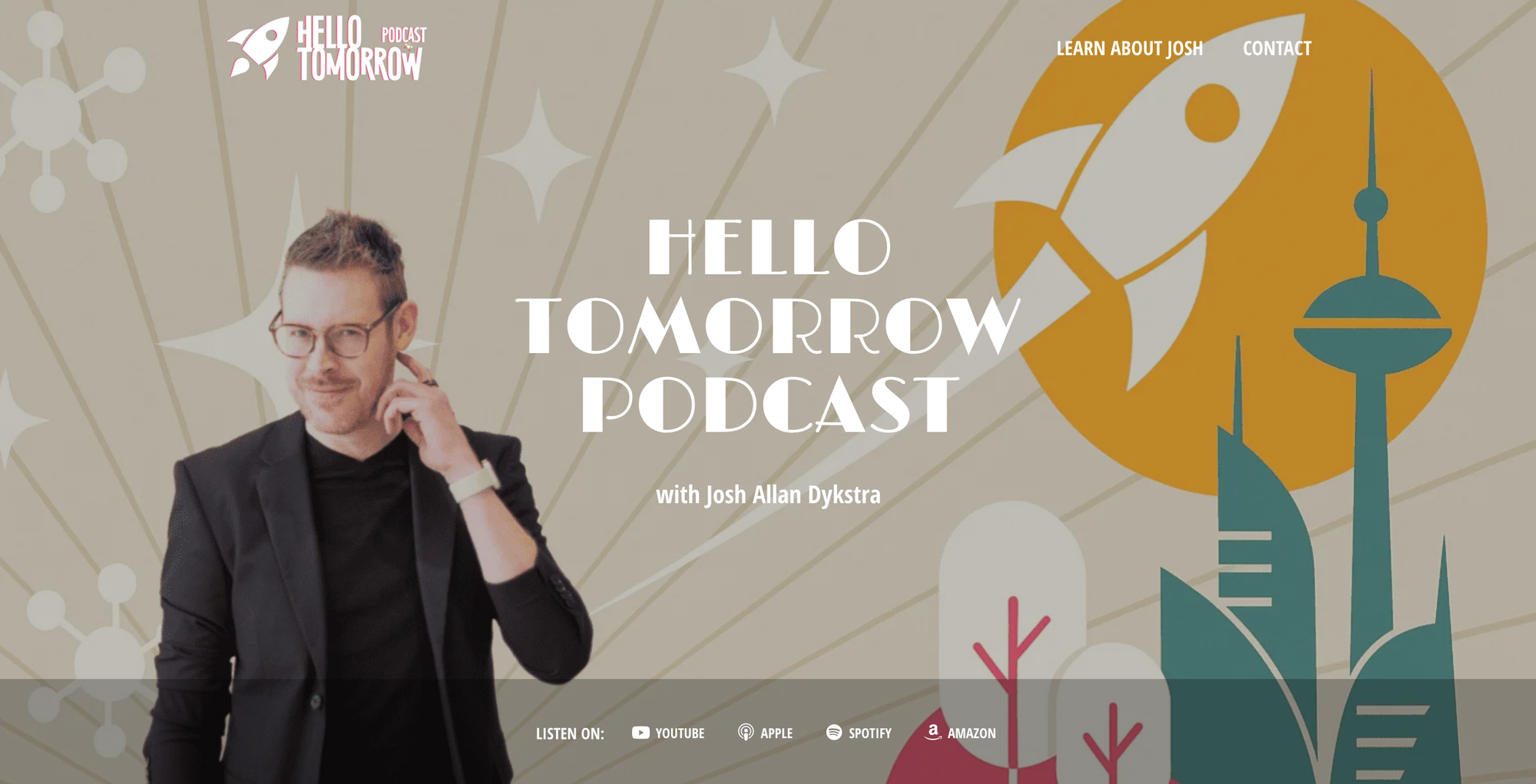
In recent years, Dykstra’s output expanded significantly. He launched the Hello Tomorrow podcast, a Substack-hosted audio program exploring the global infrastructural systems that dictate ordinary life, and commenced writing his forthcoming book, Work Will Kill Us All: An Optimist’s Guide To The Future. Concurrently, he built a substantial multi-platform following totaling nearly 48,000 users distributed across Instagram, X (formerly Twitter), LinkedIn, and TikTok, with Instagram serving as his primary rapid-growth channel.
Maintaining this volume of output demands strict operational discipline. Dykstra’s standard publishing workflow involves daily digital touchpoints. Rather than generating content on a reactive, day-to-day basis, he employs a consolidated batching strategy, dedicating a single day each month to curate, format, and schedule a month’s worth of content into the Buffer platform. This systematic approach allows him to sustain a high-frequency posting cadence without sacrificing the deep-focus time required for long-form writing and high-level strategic research.
The Evolution of Content Formats: From Long-Form Writing to Short-Form Video
While Dykstra has maintained a consistent written presence online since 2005, his integration of short-form video represents a relatively recent operational pivot. Entering the short-form video space coincided directly with the launch of his podcast and the drafting of his upcoming book, creating a steep learning curve during a period of heavy professional responsibility.
Balancing text, audio, and video content across distinct platform algorithms presents a notable logistical hurdle for independent creators. To mitigate platform-specific friction, Dykstra has relied on built-in software functionalities that eliminate redundant workflows. For instance, utilizing native utility features—such as integrated image-cropping tools within a centralized scheduler—allows creators to execute micro-adjustments to visual dimensions without toggling between external editing software and scheduling dashboards.
Digital strategists note that as platforms increasingly prioritize native video and rapid visual consumption, the ability to rapidly format assets for multi-channel distribution is no longer merely a convenience; it is a primary determinant of operational efficiency for solo creators and small media operations.
Strategic Experimentation with Substack Notes
Historically, Dykstra utilized centralized scheduling for the vast majority of his digital channels while managing his primary newsletter and podcast hub, Substack, through independent workflows. However, recent developments in creator-economy software have begun bridging the gap between traditional social media scheduling and newsletter-native social features.
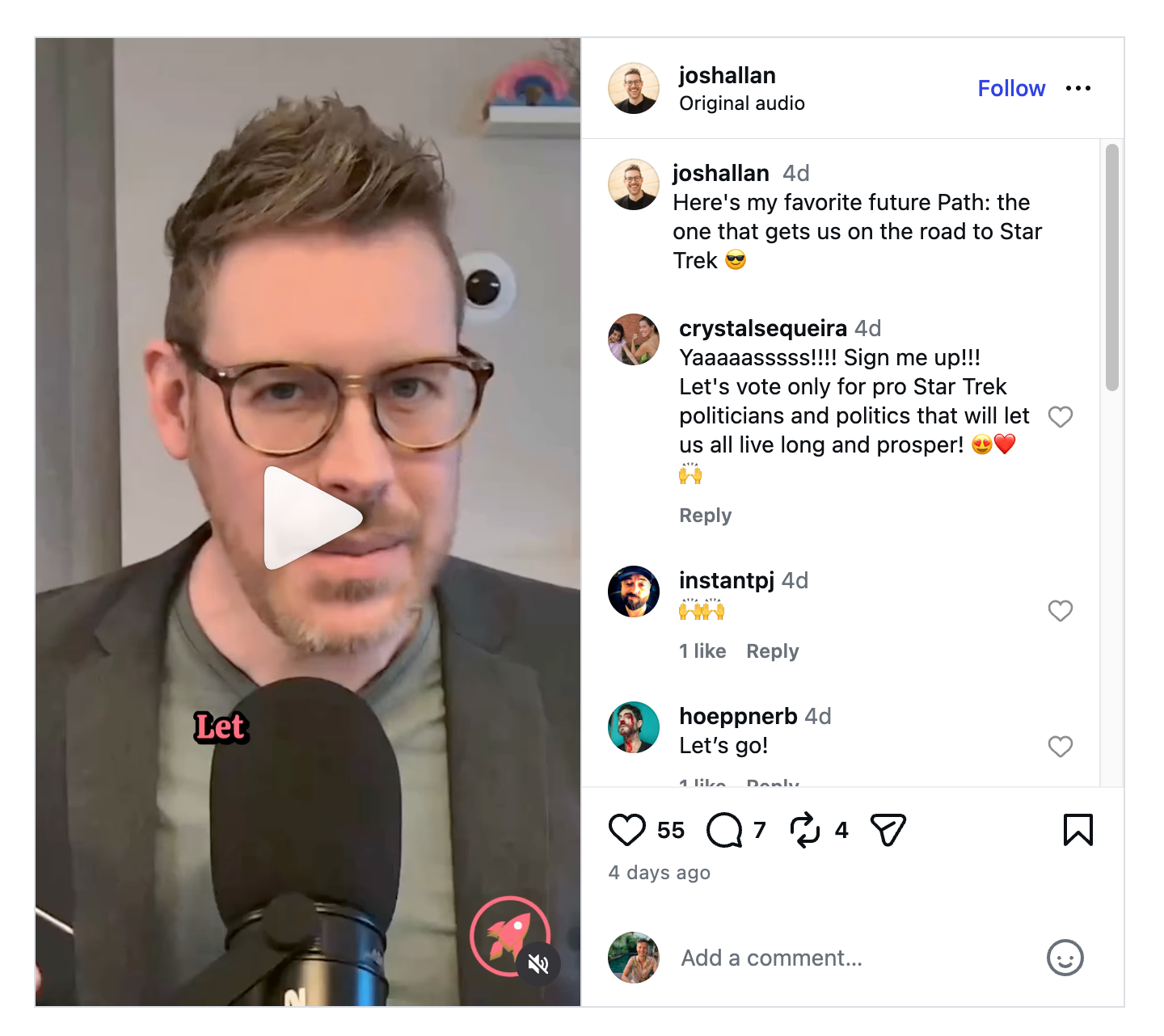
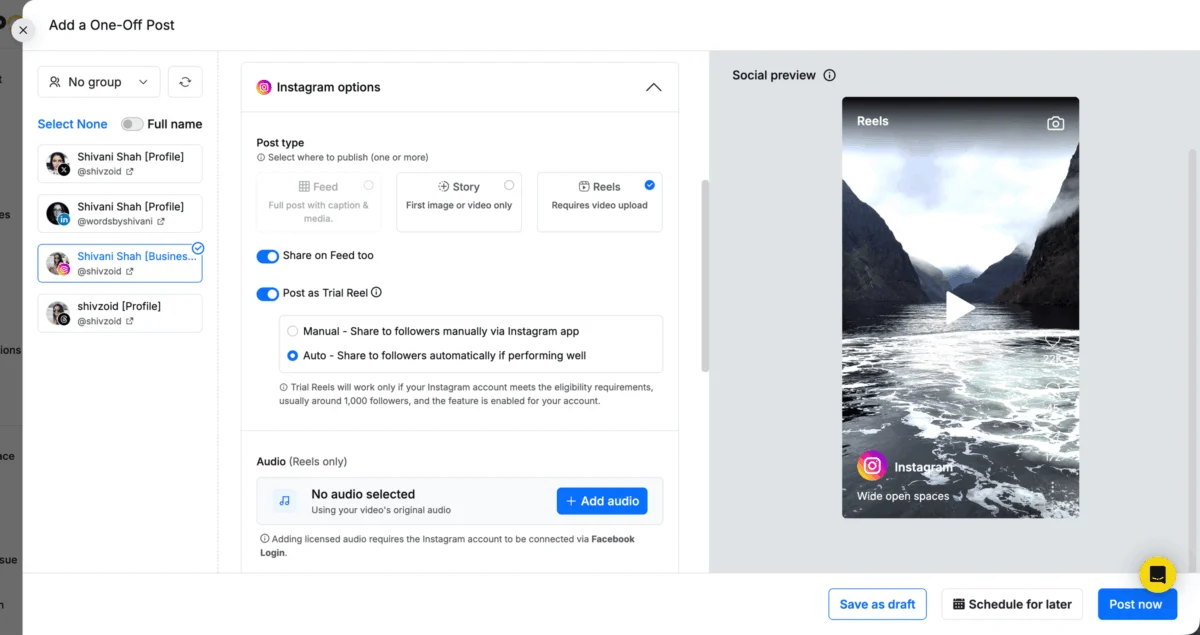
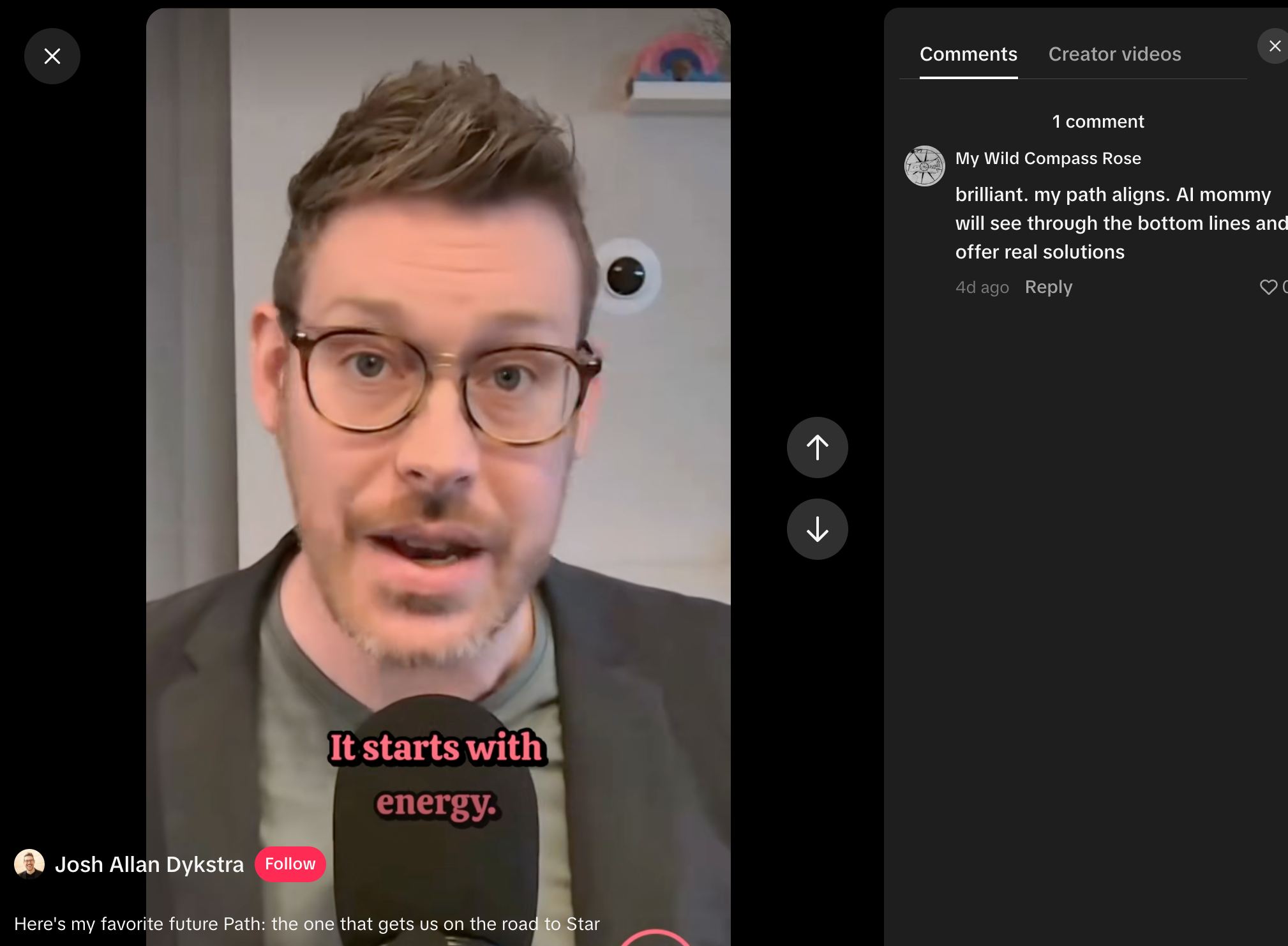
Dykstra has begun testing the newly integrated Substack Notes functionality within Buffer, using the platform to crosspost image and video assets originating from Instagram and TikTok directly into the Substack ecosystem. This strategic test serves a dual purpose: it minimizes manual administrative overhead while empirically testing audience overlap. By evaluating whether the demographics engaging with his visual content on traditional social networks exhibit similar consumption preferences to his established Substack readership, Dykstra aims to gather valuable empirical data that will directly inform his promotional rollout for his upcoming book release.
Data Analysis and Growth Metrics
The empirical results of Dykstra’s streamlined publishing strategy are reflected in his channel metrics, most notably on Instagram. Over a six-month period utilizing structured content batching and automated scheduling, his Instagram audience scaled from approximately 500 followers to 20,000.
While audience growth is influenced by multiple variables—including algorithmic favorability, content quality, and topical relevance—Dykstra emphasizes that the primary advantage of centralized scheduling is time reclamation. The hours saved by eliminating manual, daily posting routines are redirected toward high-value intellectual capital: finalizing his autumn book release and analyzing cross-platform audience engagement patterns.
Broader Industry Implications for Creators and Marketers
The integration of newsletter platforms like Substack into mainstream social media management infrastructure highlights a broader convergence within the digital publishing industry. As newsletters increasingly function as social media networks via features like Notes, creators require unified dashboards capable of bridging the divide between traditional social distribution and owned-media subscriber bases.
Industry analysts observe that creators are increasingly shifting away from fragmented posting workflows in favor of consolidated operations. By treating content distribution as a supply chain optimization problem, independent publishers can achieve publishing volumes historically reserved for well-funded media companies. Dykstra’s workflow underscores a vital maxim for modern digital entrepreneurs: operational efficiency directly enables creative longevity. For creators navigating the complex interplay of books, podcasts, and daily social media algorithms, leveraging automation tools is no longer a luxury, but a structural necessity for sustainable audience growth.