The mechanics of language evolution dictate that words rarely emerge fully formed in a vacuum. Instead, a novel term often originates within a localized community, undergoes a slow and deliberate phase of repetition, and gradually cascades across broader populations until its origins are obscured by cultural adoption. For Dr. Danny Hieber, a professional linguist specializing in the documentation and revitalization of Indigenous languages, this exact sociological model informs his digital publishing strategy. Rather than hoping for organic virality through passive distribution, Hieber applies the principles of linguistic diffusion to scale his weekly newsletter, Linguistic Discovery, transforming academic research into a dominant multi-platform media enterprise.
Operating at the intersection of rigorous academic inquiry and modern content creation, Hieber has amassed an audience exceeding one million followers across a diverse portfolio of social networks, including 320,000 on Instagram and 217,000 on TikTok. His capacity to manage this expansive digital footprint while concurrently maintaining a demanding career in field linguistics illustrates a broader shift in how niche subject matter experts utilize software infrastructure to reach global audiences. By centralizing his administrative workflows through social media management tools like Buffer, Hieber has constructed a repeatable publishing framework that mitigates digital burnout, ensures consistent audience engagement, and offers a blueprint for independent science communicators navigating the contemporary attention economy.
From Fieldwork to the Feed: The Content Repurposing Pipeline
The foundation of Hieber’s digital operation rests upon a systematic content pipeline designed to maximize the return on investment for every hour spent writing. Each edition of Linguistic Discovery requires extensive synthesis of complex linguistic concepts, historical language trajectories, and structural phonology. Rather than treating each communication channel as a separate creative burden, Hieber employs a top-down cascading model where a single long-form newsletter acts as the primary source material for dozens of ancillary micro-content units.
Once a newsletter issue is finalized, Hieber extracts key concepts, compelling quotes, striking graphics, and granular linguistic examples. These elements are subsequently reformatted into a suite of platform-specific assets: concise microposts destined for Substack Notes, Threads, X, Facebook, and Bluesky; multi-slide educational carousels optimized for Instagram; and dynamic short-form videos tailored for TikTok, Instagram Reels, and YouTube Shorts. Crucially, each piece of derivative content features an explicit call to action, strategically directing interested readers back to the primary source material via a direct hyperlink to the originating newsletter issue.
This operational efficiency allows Hieber to maintain an active, high-frequency posting schedule without sacrificing the intellectual rigor expected of his academic background. In an era where digital creators often face intense pressure to produce novel daily content from scratch, Hieber’s model demonstrates the value of depth over breadth—transforming one substantial weekly output into a sustained, multi-week awareness campaign.

The Logistics of Scale: Centralizing Operations Through Buffer
Managing an omnipresent social media strategy while fulfilling the demanding fieldwork requirements of documenting endangered languages presents a formidable logistical challenge. Linguistic documentation often involves working in remote communities, conducting audio recordings, analyzing grammatical structures, and collaborating with native speakers to preserve linguistic heritage. In this context, spending hours daily navigating native social media applications is both professionally counterproductive and psychologically taxing.
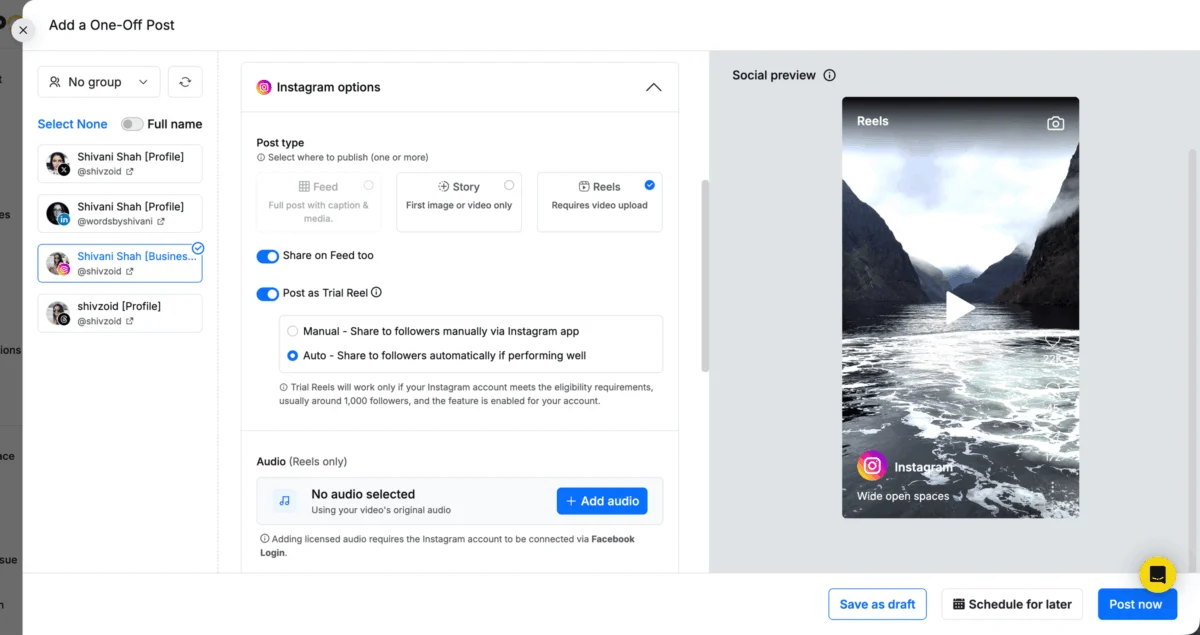
To solve this friction point, Hieber integrated the social management platform Buffer into his core workflow, designating it as his centralized content distribution center. "I think of Buffer like my content distribution center: all my content gets scheduled there, and then Buffer sends it to all my platforms, or notifies me to post," Hieber explains.
The software functions not merely as an automated scheduler, but as an operational shield. For natively supported formats, content is batched weeks in advance and released autonomously. For platforms or formats requiring manual publishing interventions—such as specific short-form video uploads or interactive features—Buffer streamlines the process by aggregating all requisite visual assets, descriptive text, and links into a single, ready-to-deploy notification.
Furthermore, Hieber leverages advanced community management features within the platform to consolidate audience interaction. By managing comments from a centralized dashboard rather than opening native applications, he minimizes exposure to the cyclical distractions and algorithmic rabbit holes characteristic of modern social networks. This operational barrier has yielded profound psychological dividends. Hieber notes that the transition to automated batch scheduling has fundamentally reduced his susceptibility to professional burnout, providing the mental clarity necessary to sustain long-term creative output.
Algorithmic Realities and the Evolution of Substack Notes
Hieber’s publishing strategy has evolved in tandem with shifts in platform architecture and audience behavior. A critical inflection point in his digital growth involved a strategic pivot regarding how he utilizes Substack Notes. Initially, his micro-blogging output relied heavily on curating external news items and aggregating newly published linguistic research from academic journals.
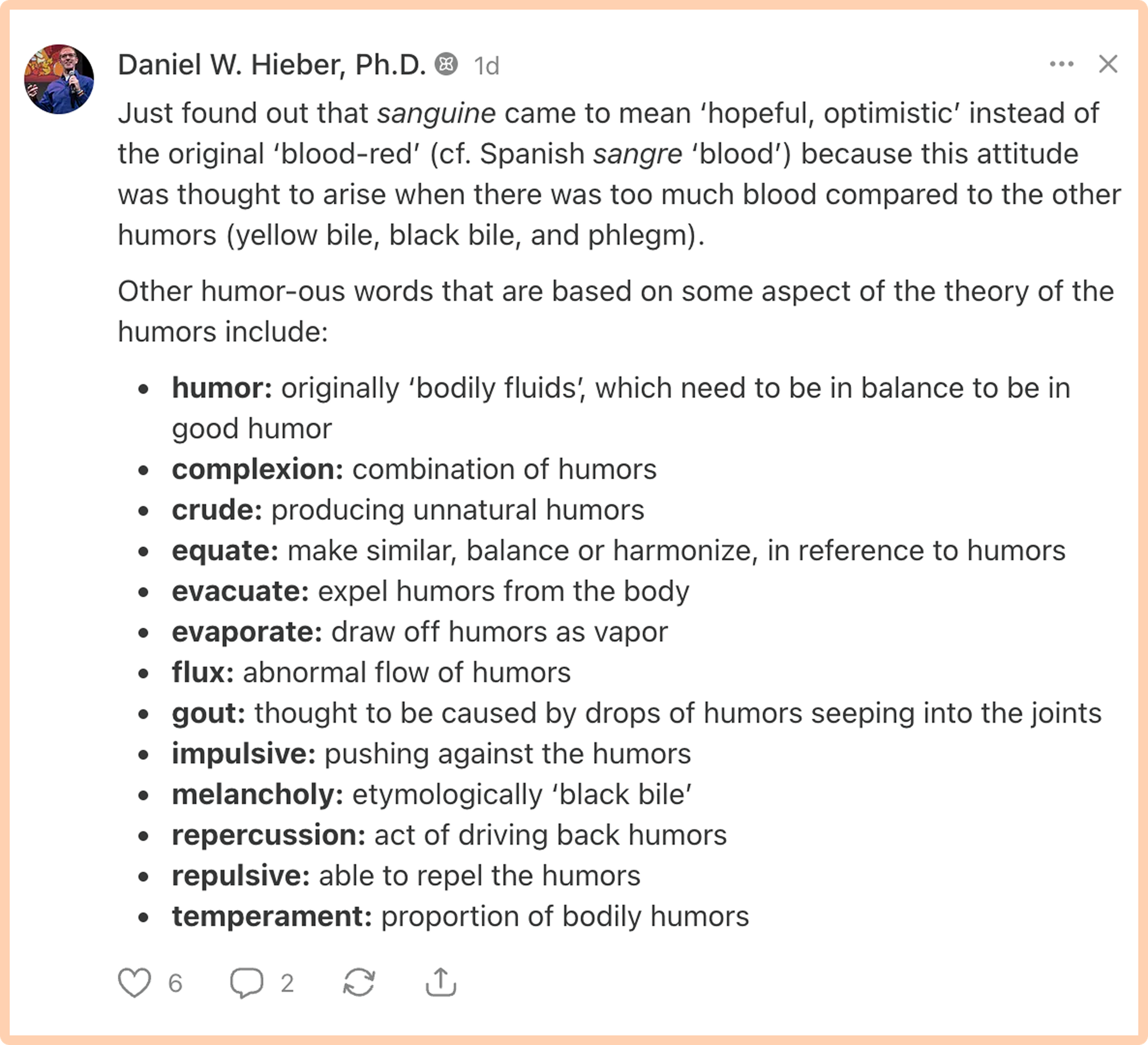
However, analytical observations revealed a distinct consumer preference among his readership. Hieber recognized that his followers were not primarily seeking a news aggregator; rather, they valued his distinct authorial voice, his capacity to synthesize difficult concepts, and his explanatory clarity. Consequently, he shifted his Notes strategy toward the promulgation of original hypotheses, personal reflections, and deep-dive conceptual breakdowns.
This maturation of his digital voice coincides with the introduction of new platform integrations, such as the direct inclusion of Substack Notes within Buffer’s scheduling architecture. By unifying Notes alongside X, LinkedIn, Threads, and Bluesky, creators can execute cohesive cross-platform campaigns while tracking precisely which traffic acquisition channels drive both free subscribers and paid conversions. For Hieber, this capability ensures that micro-form distribution efforts directly feed the top of his monetization funnel without requiring proportional increases in administrative labor.
Looking Forward: Academic Rigor Meets Mass Media
The implications of Hieber’s publishing model extend far beyond individual productivity metrics, offering valuable insights into the changing landscape of scientific communication. Historically, academic research has remained sequestered behind paywalls, technical jargon, and specialized institutional channels, creating a wide gulf between professional linguists and the general public. Figures like Hieber demonstrate that digital platforms, when managed through disciplined operational frameworks, can bridge this divide effectively.
By translating complex phenomena—such as vowel shifts, grammatical case systems, and language endangerment statistics—into engaging, digestible social media assets, Hieber cultivates a scientifically literate public audience. This mass-market engagement serves a dual purpose: it builds a sustainable independent publishing business while simultaneously raising cultural awareness regarding the global crisis of language extinction, wherein linguists estimate that a significant percentage of the world’s spoken languages could disappear within the century.
As Hieber enters the early developmental phases of writing a popular linguistics book, his digital infrastructure is poised for further expansion. Plans are already underway to scale book-related content across his established channels over the coming year, testing the elasticity of his multi-platform repurposing model with longer-form literary promotions.
For independent writers, researchers, and subject-matter experts hesitant to embrace multi-platform publishing due to time constraints or fear of digital saturation, Hieber’s trajectory offers a compelling empirical case study. By decoupling the act of content creation from the anxiety of daily scheduling, creators can reclaim their creative freedom. As Hieber advises peers standing on the periphery of digital publishing: capture ideas as inspiration strikes, deposit them into a structured queue, and let automated distribution handle the logistics—allowing creators to return their primary focus to the intellectual work that matters most.