In the fiercely competitive landscape of digital publishing, the traditional approach to newsletter creation—writing an extensive piece, hitting publish, and hoping for organic discovery—is rapidly becoming obsolete. For modern creators managing high-stakes content operations alongside demanding advisory roles, scaling a publication requires a sophisticated blend of data analysis, automated distribution, and iterative content testing.
Kevin Indig, a prominent growth advisor who writes the weekly Growth Memo for more than 29,000 founders, in-house leads, and marketing executives, has pioneered a workflow that addresses these exact challenges. By treating a single long-form newsletter as the seed material for an entire week’s worth of multi-channel distribution, Indig has transformed how independent operators approach audience acquisition. Utilizing platforms like Buffer and integrating advanced artificial intelligence assistants, his operational model offers a blueprint for modern digital publishers looking to maximize output without sacrificing quality.
The Evolution of Content Distribution in the Creator Economy
The lifecycle of a digital newsletter has historically been short-lived. Writers invest days, sometimes weeks, conducting original research, organizing data sets, and drafting comprehensive analyses. Once published, the article typically experiences a single day of peak engagement via email inboxes and social media shares before fading into obscurity beneath the constant churn of new online content.
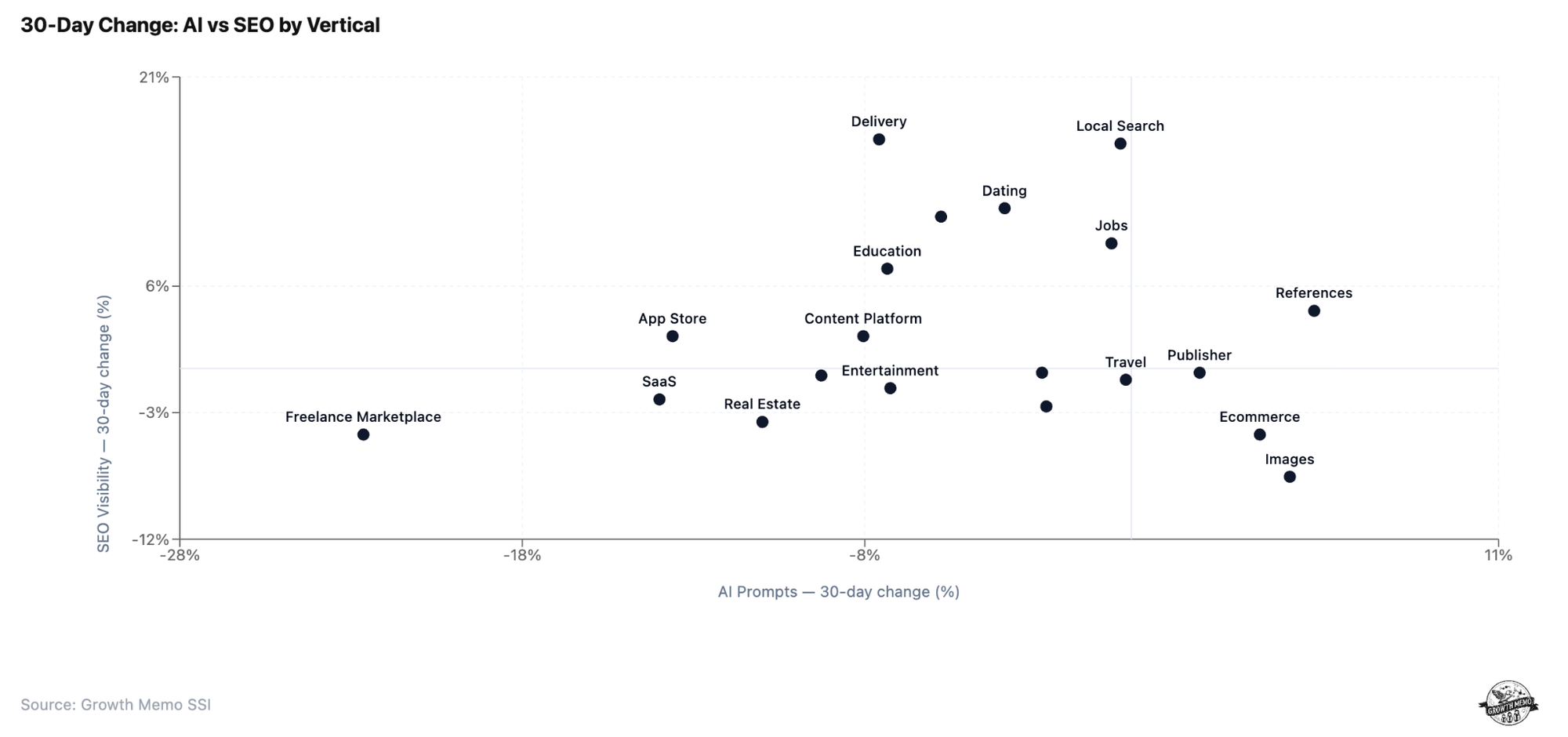
This transient visibility presents a significant return-on-investment problem for creators who treat each publication as a singular, isolated event. Indig’s methodology counters this by adopting a modular approach to content creation. Rather than viewing a Growth Memo edition as a standalone post, he dissects each article into multiple derivative assets—extracting individual charts, core statistical findings, and thought-provoking questions designed to spark ongoing community debate.

This strategy mirrors broader shifts in the creator economy, where multi-channel repurposing is no longer optional. With readers fragmented across numerous platforms—ranging from professional networks to micro-blogging sites and community forums—creators must ensure their core insights appear wherever their target audience spends time. For Indig, whose career includes executive leadership roles at Shopify, G2, and Atlassian, and strategic advisory work for industry giants like Meta, Airbnb, and Reddit, efficiency is paramount. His schedule involves constant travel and back-to-back client consultations, leaving little room for manual, real-time social media management.
Iterative Testing Through Micro-Content and Substack Notes
A critical component of Indig’s publishing framework is the use of micro-content to de-risk major editorial investments. Conducting original research into the evolving dynamics of search engine optimization and artificial intelligence requires a massive investment of time—often consuming an entire workweek per edition.
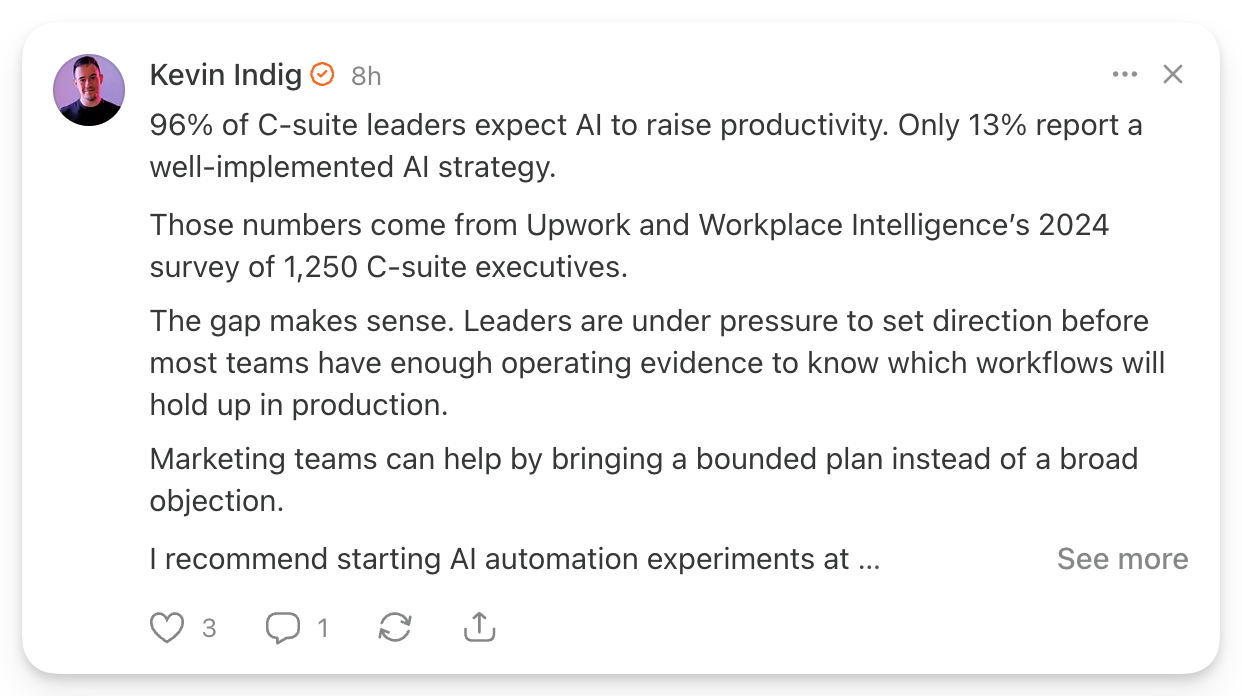
To ensure these extensive resources are allocated effectively, Indig utilizes Substack Notes as a testing ground. Before committing to a fully realized article, he publishes short-form hypotheses, early data visualizations, video snippets, and thematic teasers on the platform. This micro-publishing approach requires only minutes of preparation yet yields immediate audience feedback.
By analyzing engagement metrics, comment sections, and initial traction on Notes, Indig can gauge subscriber interest with high statistical confidence. Topics that resonate strongly in short-form formats are subsequently greenlit for deep-dive research and expanded into full-length Growth Memo editions. This iterative feedback loop minimizes the risk of producing content that fails to capture market attention, aligning editorial calendars directly with proven reader demand.
Automating Workflows with Advanced Schedulers
Because Indig’s operational bandwidth is heavily constrained by his advisory commitments, manual posting across multiple social media channels is impractical. To maintain a consistent digital presence without being tethered to a screen, his team relies heavily on automated scheduling infrastructure.
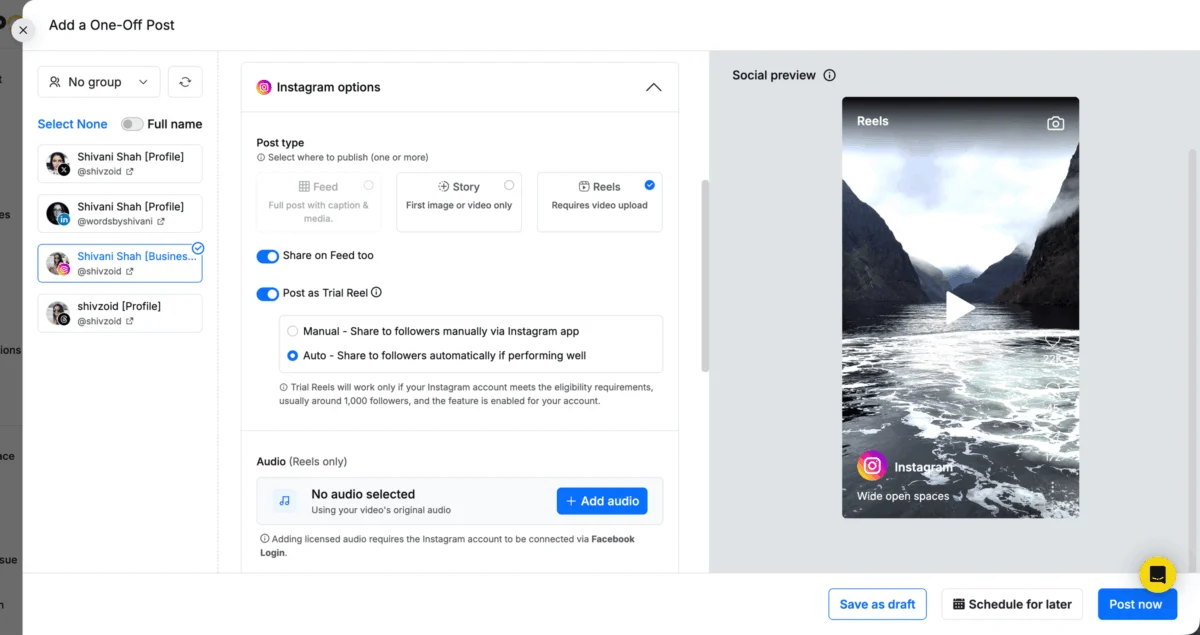
By centralizing distribution through platforms like Buffer—which recently integrated Substack Notes directly into its scheduling ecosystem—Indig can batch-prepare an entire week’s worth of promotional material in a single sitting. When a new newsletter drops, the accompanying charts, quotes, and teasers are automatically deployed across platforms such as LinkedIn, X, Threads, and Bluesky according to a predefined cadence.
This automation yields tangible productivity dividends. Indig estimates that batch-scheduling content saves him between two and three hours every week—time that is redirected toward high-level strategic research, data analysis, and direct client work. Furthermore, automated queuing ensures that international audiences across different time zones receive content when engagement rates are optimal, preventing visibility drop-offs caused by geographic scheduling disparities.
Integrating Artificial Intelligence via Model Context Protocol (MCP)
Beyond traditional scheduling automation, Indig’s workflow incorporates cutting-edge artificial intelligence to drive editorial strategy. Utilizing Buffer’s integration with OpenAI’s coding assistant, Codex, via the Model Context Protocol (MCP), Indig connects his publishing archive directly to an AI analytics layer.
This integration allows the AI to evaluate historical performance data across his entire post history, identifying patterns among top-performing content, analyzing audience engagement trends, and generating data-driven suggestions for future topics. Instead of relying purely on intuition, Indig leverages machine learning to inform his editorial pipeline, ensuring that every subsequent edition of the Growth Memo builds upon proven engagement metrics.
The integration of MCP highlights a broader technological shift in digital marketing and publishing. As artificial intelligence models become increasingly capable of interacting directly with software applications via secure protocols, creators are moving past generic prompt-based generation toward deep, context-aware operational integrations. By allowing an AI assistant to read live performance metrics and directly influence content planning, publishers can close the loop between data analytics and content creation with unprecedented speed.
Strategic Implications for Independent Publishers
Indig’s publishing framework offers valuable insights for both emerging creators and established publication leads managing tens of thousands of subscribers. The core takeaway is clear: sustainable growth in digital media relies less on sporadic bursts of inspiration and more on repeatable, systematic routines.
Whether an independent writer is publishing their first post or managing an enterprise-grade newsletter with an audience of over 30,000, the foundational principles remain consistent. Success requires meeting readers where they are, establishing a sustainable production cadence, utilizing micro-content to test ideas before large investments, and leveraging modern automation tools to handle distribution.
For creators operating in highly technical fields—such as SaaS growth, artificial intelligence, and digital marketing—the demand for rigorous, data-backed insights is higher than ever. However, the operational friction of producing and distributing that content often serves as a growth ceiling. By embracing modular content repurposing, robust scheduling queues, and AI-driven analytics integrations, modern publishers can scale their reach exponentially while preserving the deep focus required to produce authoritative, original research.