Cintya Tara Annisa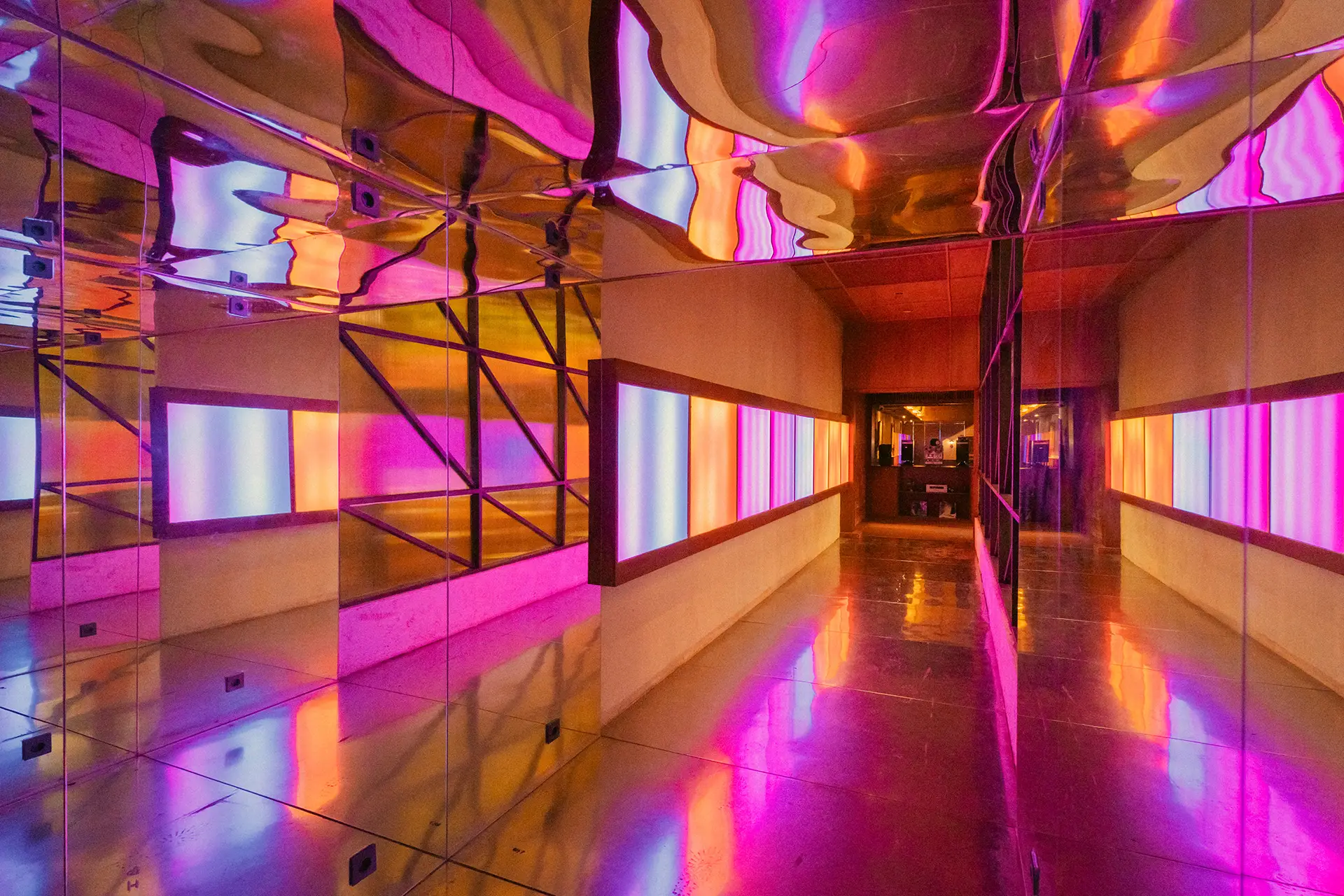
The Indonesian specialty coffee sector has reached a significant milestone with the official opening of Kopikina Heulang, a high-concept coffee bar located in Bogor, approximately 30 miles south of the capital city, Jakarta. This new establishment represents the first major expansion for the Kopikina brand outside of its original Jakarta footprint, signaling a strategic move to bring sophisticated, design-forward coffee culture to the rapidly developing satellite cities of West Java. Since its opening on February 9, 2026, the space has garnered international attention for its seamless integration of traditional Javanese aesthetics, sustainable direct-trade practices, and world-class brewing technology.
The Evolution of Kopikina: From Neighborhood Hub to Regional Icon
Kopikina was founded in 2013 with a foundational philosophy summarized by the motto "Specialty for Everyone." At its inception, the brand sought to demystify the often-intimidating world of specialty coffee, positioning it not as an elite luxury, but as a medium for human connection and community engagement. Over the past thirteen years, the company has successfully transitioned from a local coffee shop into a multifaceted cultural hub.
The decision to expand into Bogor was driven by the city’s unique demographic profile and its reputation as a center for education and tourism. Bogor, often referred to as the "Rain City" due to its high precipitation levels and cooler climate compared to Jakarta, provides an ideal backdrop for a "slower, more grounded" coffee experience. Kopikina Heulang is designed to capitalize on this atmosphere, offering a retreat from the urban density of the capital while maintaining the high standards of quality that have defined the brand for over a decade.
Architectural Narrative and Design Milieu
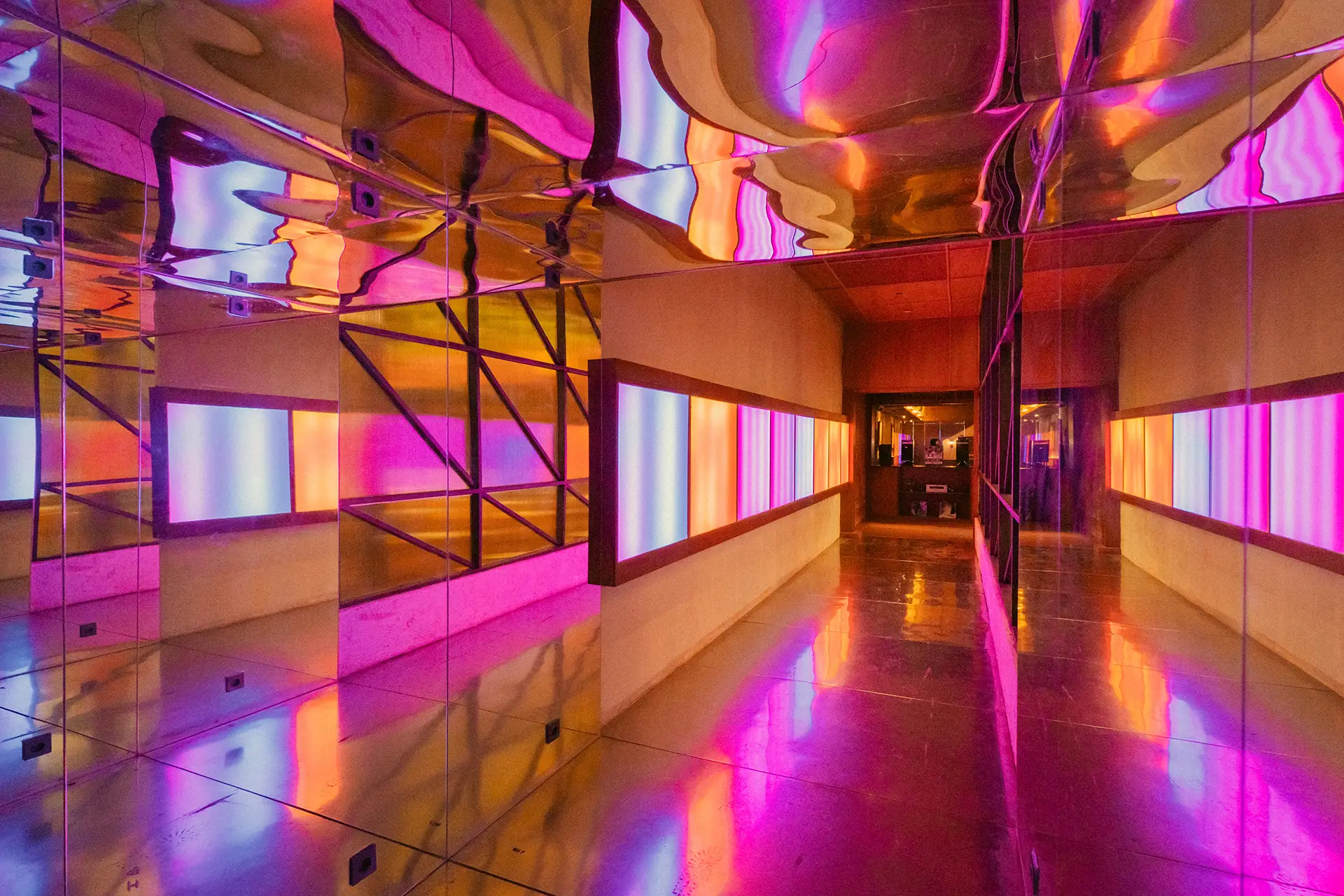
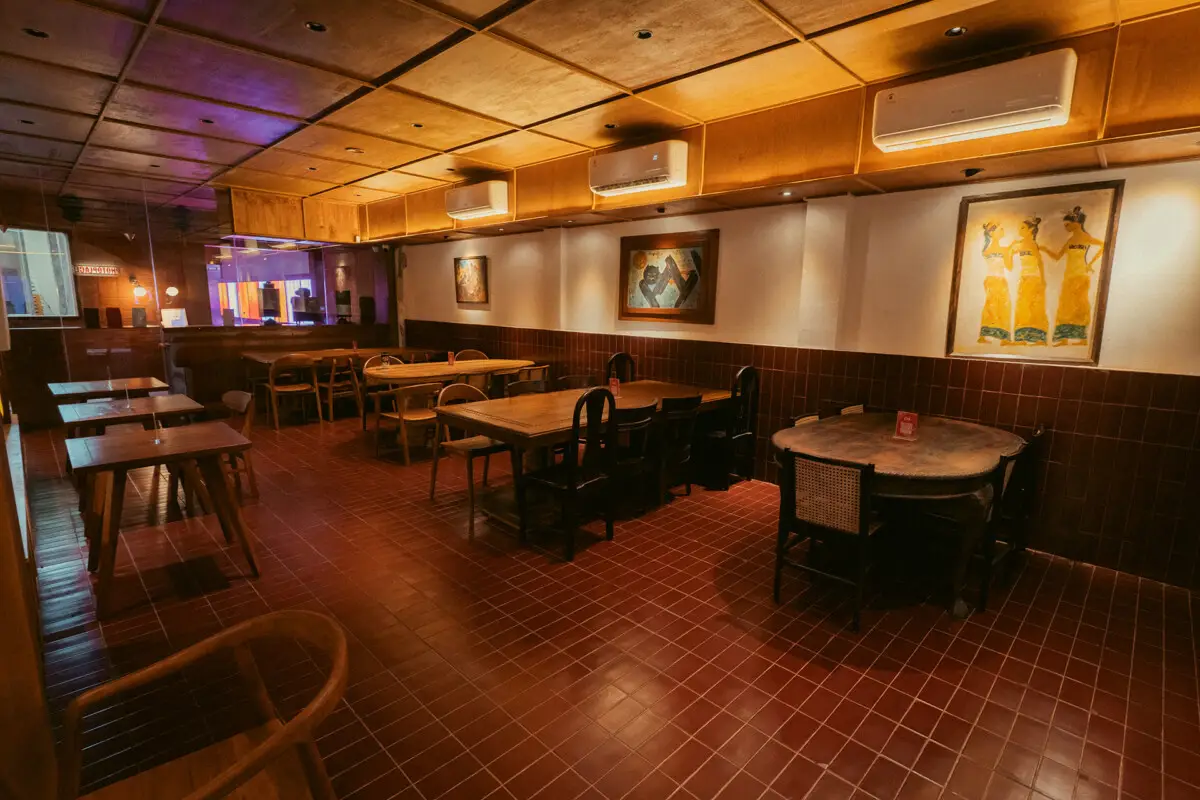
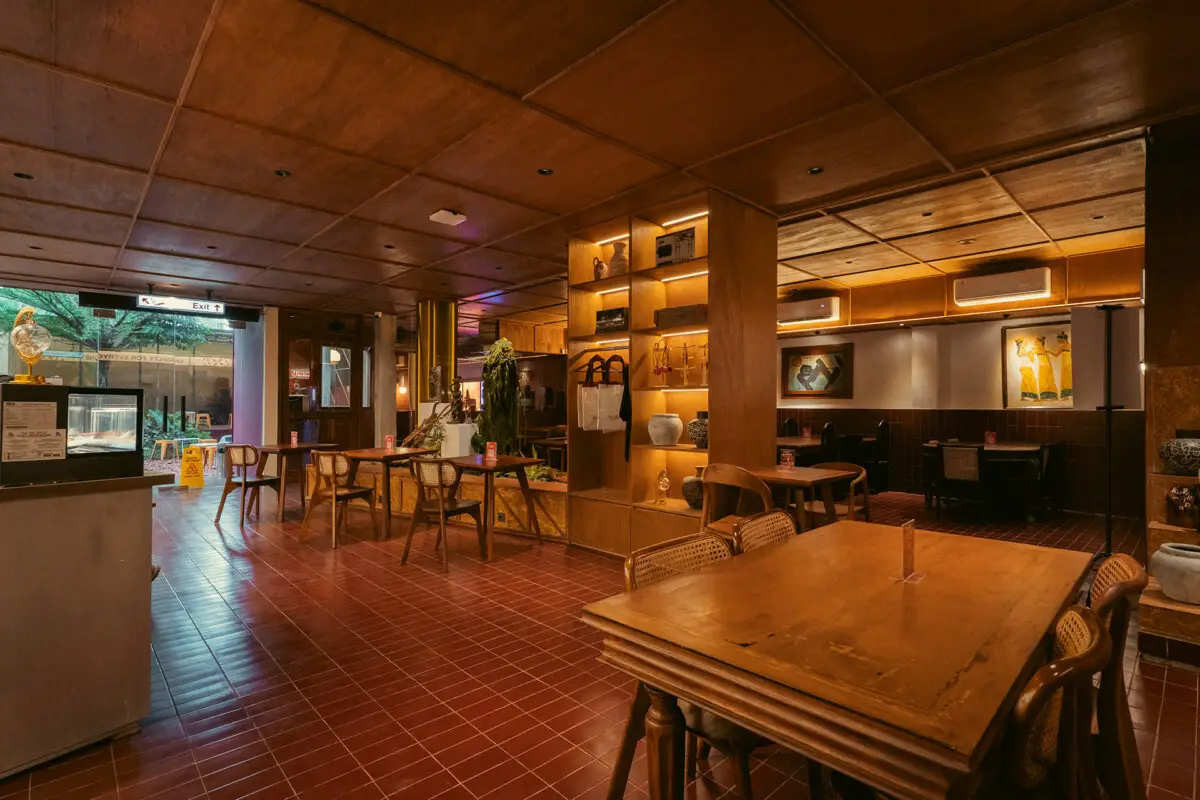
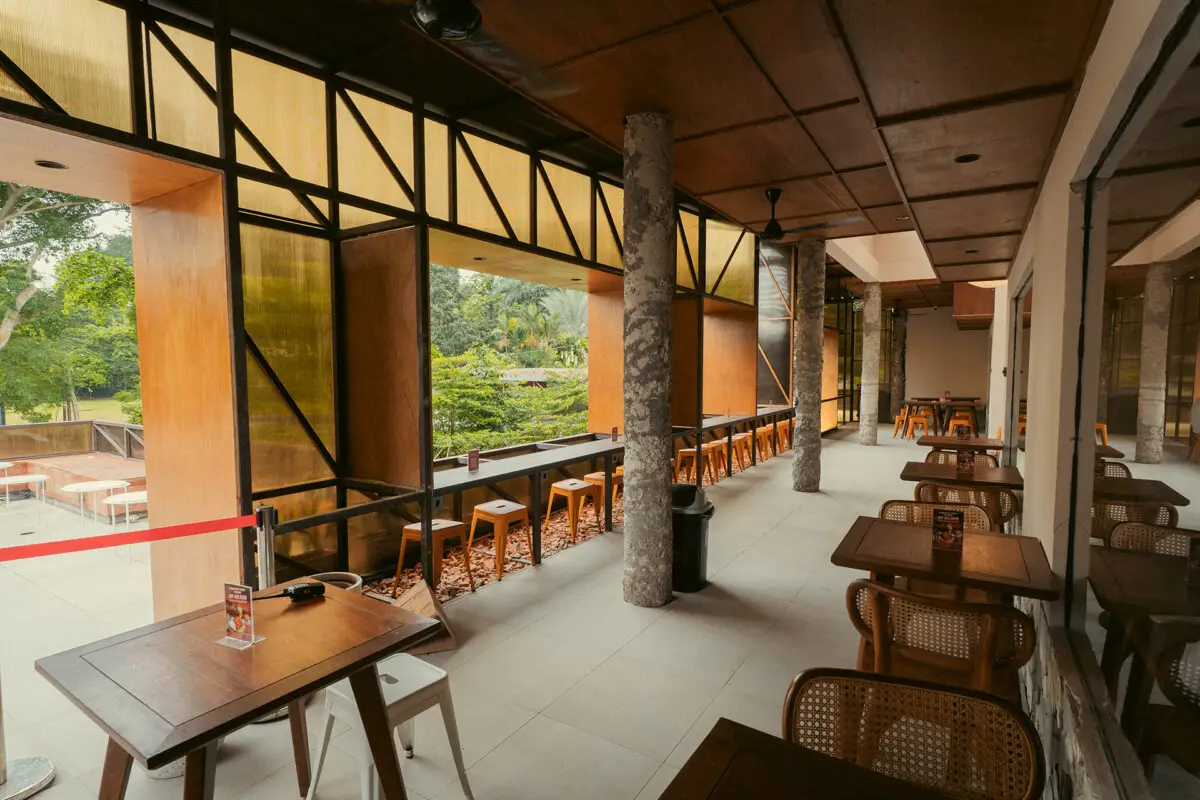
The physical structure of Kopikina Heulang is the result of a collaboration with Studio Terasu, a firm known for its ability to blend contemporary minimalism with indigenous materials. The design team focused on a "soaring" architectural profile that utilizes high ceilings and open spaces to facilitate natural ventilation—a critical feature in the humid climate of West Java.
The interior design is characterized by a sophisticated "design milieu" that incorporates several distinct elements:
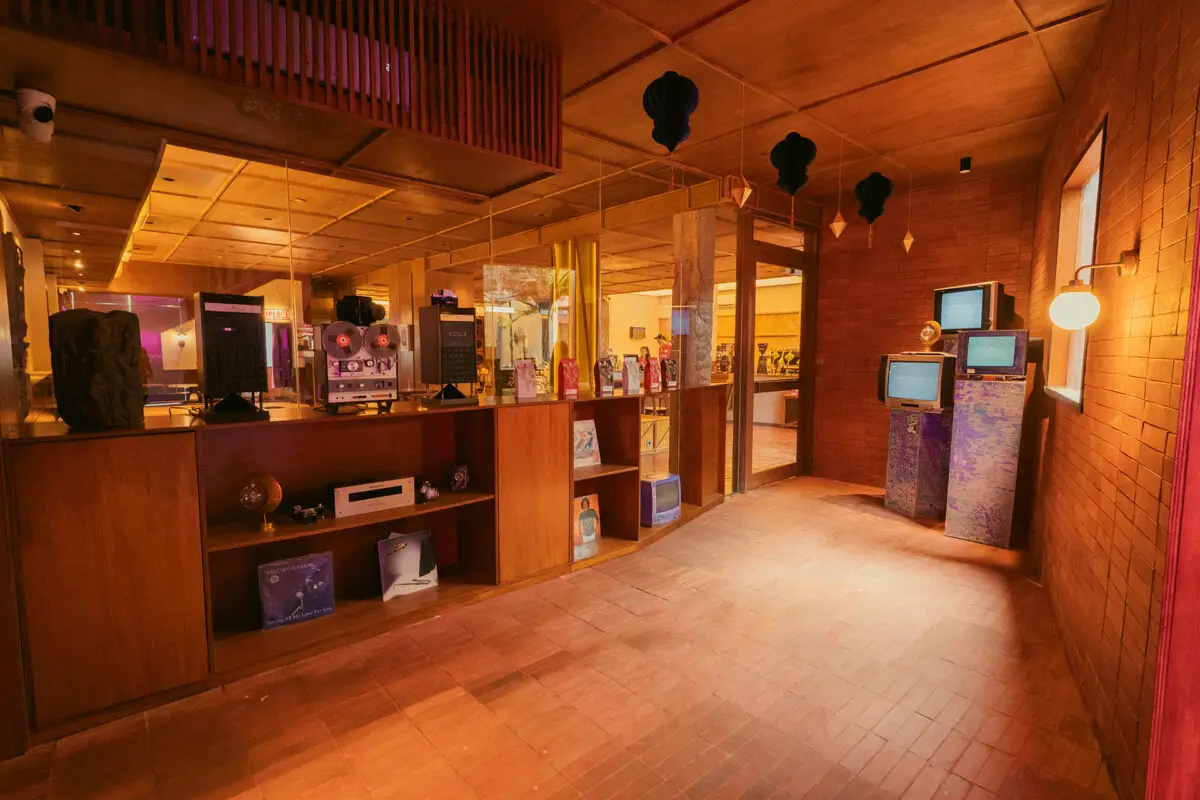
- Natural Materials: Extensive use of local timber and stone creates a tactile connection to the Indonesian landscape.
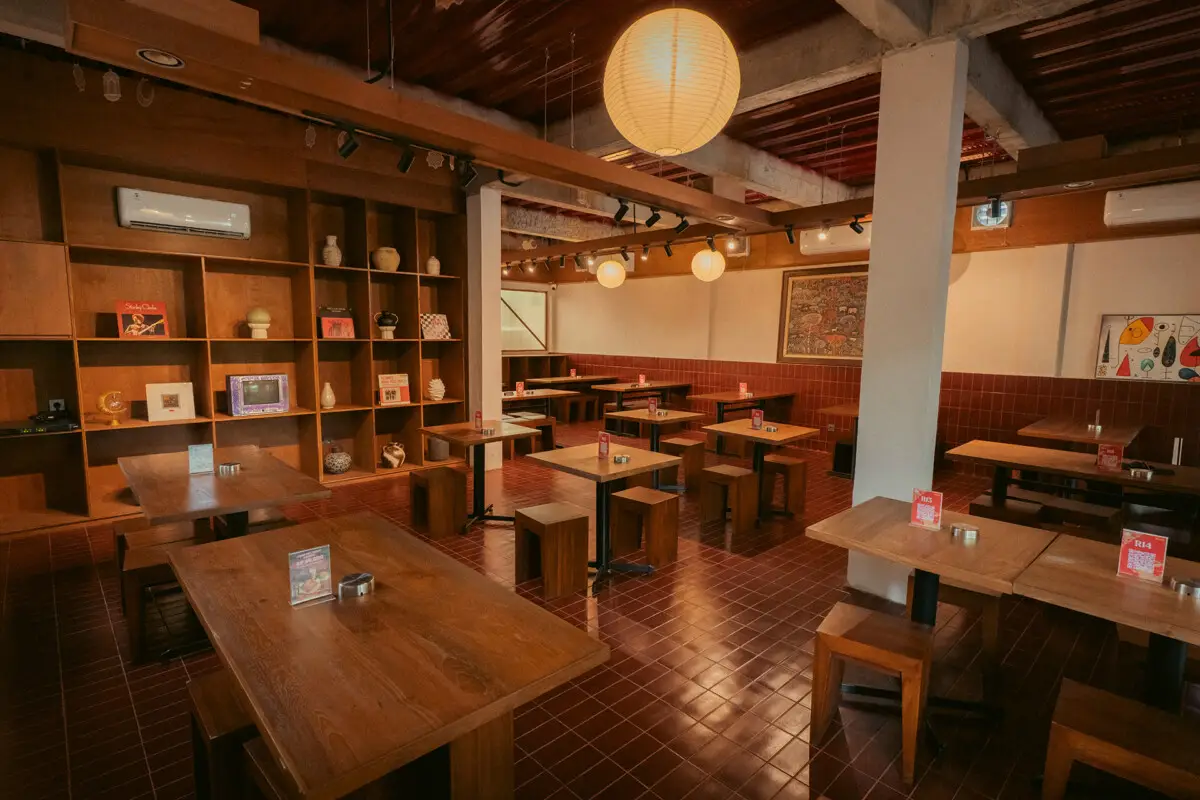
- Traditional Javanese Art: The space serves as a gallery for Javanese artistic expressions, ensuring that the modern specialty coffee movement remains rooted in local heritage.
- Vintage Technology: Interspersed throughout the modern bar are pieces of vintage technology, serving as functional decor that bridges the gap between coffee’s historical roots and its technological future.
- Color Palette: The use of earthy tones punctuated by vibrant accents reflects the colors of unroasted coffee cherries and the volcanic soil of the region.
Galura Aqila Cakra, representing Kopikina, noted that the visual and creative direction was handled primarily by an in-house team, ensuring that the brand’s core identity was not lost in the architectural translation. The result is a space that encourages "lingering," a departure from the "grab-and-go" culture often found in Jakarta’s central business districts.
Technical Specifications and the Manual Brew Bar
To maintain its "Specialty for Everyone" promise, Kopikina Heulang has invested heavily in industry-leading equipment. The bar is anchored by espresso machines from La Marzocco and Victoria Arduino, brands synonymous with thermal stability and pressure profiling precision. Grinding duties are split between Mahlkönig and Mazzer, allowing for the high-volume throughput required during peak hours while maintaining the particle size consistency necessary for specialty extraction.
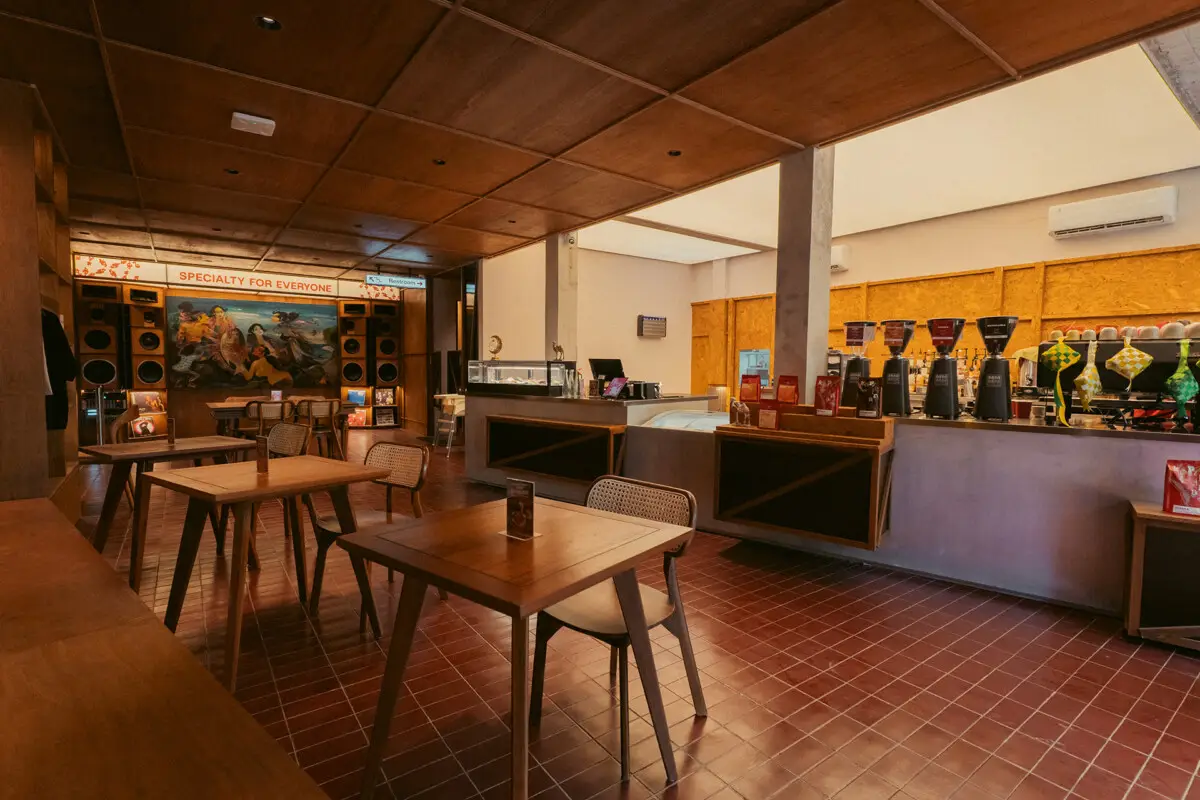
One of the most innovative features of the Bogor location is its bean selection process. The cafe utilizes a specialized freezer display for its bean collection. This method serves two purposes:
- Preservation: Freezing roasted coffee beans significantly slows down the oxidation process, preserving the volatile aromatic compounds of rare or high-scoring microlots.
- Interactive Experience: Customers are invited to browse the freezer, select their preferred beans based on origin, processing method, or flavor profile, and then witness the brewing process at the dedicated manual brew bar.
This "choose-your-own" approach empowers the consumer, moving the barista from a role of a gatekeeper to that of a facilitator. It aligns with the brand’s goal of making specialty coffee approachable and fun rather than overly technical or exclusive.
Sustainability and the Direct Trade Model
As the global coffee industry faces challenges related to climate change and economic volatility, Kopikina Heulang has reinforced its commitment to a sustainable supply chain. The company bypasses traditional auction systems and large-scale middle-men in favor of a direct trade model.
According to company statements, 100% of the coffee served at Kopikina Heulang is purchased directly from farmers or local processors. This model offers several advantages:
- Price Transparency: By negotiating directly with producers, Kopikina ensures that a larger share of the retail price returns to the farm level, supporting rural livelihoods.
- Quality Control: Direct relationships allow for collaborative experimentation with processing methods (such as anaerobic fermentation or honey processing), resulting in unique flavor profiles exclusive to the brand.
- Traceability: Customers can trace their cup of coffee back to specific regions in Sumatra, Sulawesi, or the local highlands of West Java.
This focus on domestic production is particularly relevant given Indonesia’s status as the world’s fourth-largest coffee producer. Kopikina Heulang serves as a showcase for the diversity of Indonesian beans, which have historically been exported rather than consumed with "specialty" standards within the country.
Chronology of Development
The realization of Kopikina Heulang followed a multi-year development timeline:
- 2013: Kopikina is established in Jakarta, focusing on local Indonesian beans.
- 2023-2024: Market research identifies Bogor as the primary site for regional expansion due to its growing middle class and vibrant youth culture.
- Early 2025: Site acquisition and partnership with Studio Terasu finalized. Construction begins with a focus on "build-out" excellence.
- Late 2025: In-house creative teams finalize the "Specialty for Everyone" branding for the new space.
- February 9, 2026: Official opening to the public.
- May 2026: Recognition by international coffee media (Sprudge) as a premier build-out of the year.
Market Implications and the Future of Indonesian Coffee Culture
The opening of Kopikina Heulang is indicative of a broader trend in the Southeast Asian coffee market: the decentralization of specialty coffee. While Jakarta has long been the epicenter of the "Third Wave" movement in Indonesia, the success of high-investment projects in cities like Bogor suggests that the appetite for premium coffee experiences is no longer confined to the capital.
Economic analysts point to the rising purchasing power of Indonesia’s younger generation as a primary driver for this growth. For this demographic, coffee shops are not merely places to consume caffeine; they are "third spaces"—environments between home and work that facilitate social networking and creative collaboration. By integrating music, art, and communal seating, Kopikina Heulang is positioning itself as a vital piece of social infrastructure.

Furthermore, the emphasis on Javanese art and natural materials within the shop reflects a growing desire among Indonesian consumers for "hyper-local" experiences. In an era of globalized aesthetics, Kopikina Heulang’s success suggests that the future of the industry lies in the balance between global quality standards and local cultural authenticity.
As Kopikina continues to refine its "Specialty for Everyone" mission, the Bogor location stands as a blueprint for future expansions. It demonstrates that with the right combination of architectural vision, technical excellence, and ethical sourcing, a coffee bar can become more than a business—it can become a landmark that elevates the cultural fabric of an entire region. For the global specialty coffee community, Kopikina Heulang is a clear signal that Indonesia is not just a source of green beans, but a world-class destination for coffee innovation and hospitality.