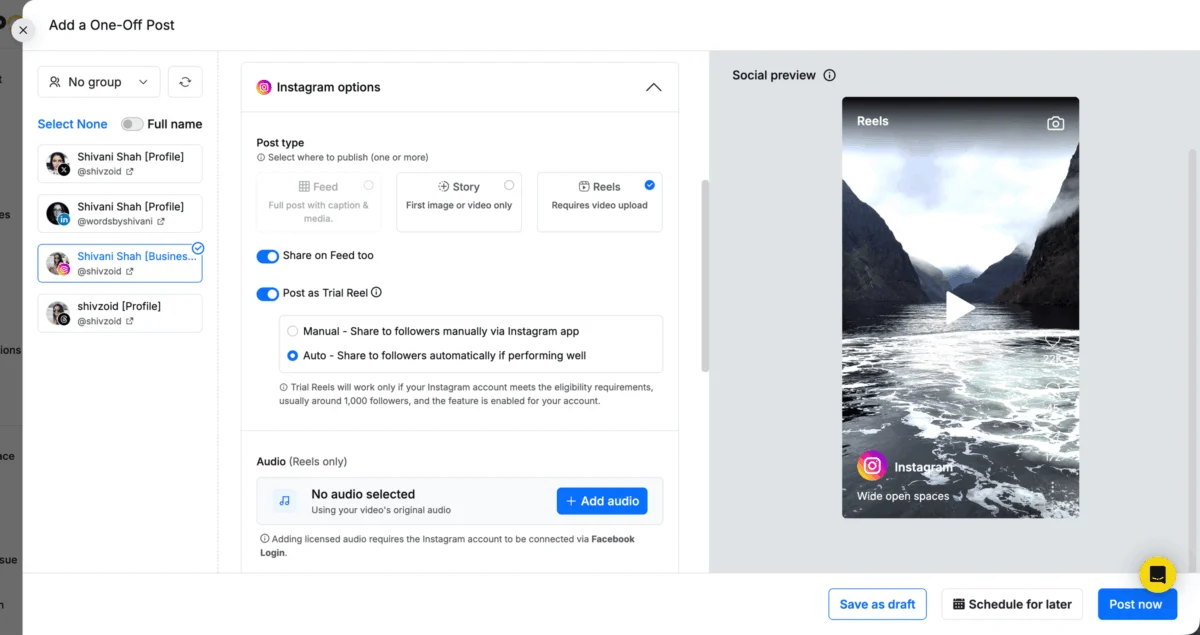
Social media management platform Buffer has officially announced the rollout of one of its most frequently requested features: a direct integration with Substack Notes. Driven by more than 1,100 user upvotes on the company’s suggestion boards, the new tool enables digital creators, independent journalists, and modern brands to seamlessly schedule, crosspost, and analyze short-form content on Substack alongside their existing social media channels.
The integration arrives as Substack experiences a sustained period of rapid expansion. Recent industry data indicates that the publishing ecosystem has surpassed 50 million total active subscriptions, with paid subscriptions doubling over a strict two-year window. For content creators seeking diversified revenue streams and robust audience retention tools, Substack has increasingly transitioned from a traditional email newsletter provider into a powerful, multi-faceted publishing network.
Background and Context of the Integration
The introduction of Substack Notes in 2023 marked a strategic shift for the platform, introducing a short-form, in-network social feed designed to help writers discover new audiences outside of traditional email inboxes. While Notes quickly became a primary growth engine for independent publishers, it presented a logistical challenge familiar to digital marketers: consistency is paramount for algorithmic visibility and audience engagement.
Until now, managing a presence on Substack Notes required real-time, manual publishing. This created workflow friction for creators who rely on centralized content calendars to distribute material across platforms like X, LinkedIn, Threads, and Instagram. By integrating Substack Notes into its ecosystem, Buffer aims to alleviate this operational bottleneck, allowing publishers to treat Substack as an intrinsic node in their broader social distribution networks.

Chronology of Development and User Demand
The path to the Substack integration reflects a broader trend of platform interoperability demanded by the modern creator economy.
- 2023: Substack officially launches Notes, providing writers with an integrated micro-blogging feed to accelerate organic discovery and community interaction.
- 2023–2025: As readership surges across the platform, independent creators increasingly lobby workflow management tools for API access and scheduling capabilities. The feature request for a Substack integration gains significant traction on Buffer’s community feedback platform, ultimately accumulating over 1,100 upvotes and becoming one of the top-requested additions in the company’s history.
- Late 2025: Early beta testing begins with select Buffer customers, allowing prominent independent publishers to trial automated crossposting and analytics tracking.
- Current Release: Buffer officially launches the integration for all users, enabling free and paid account holders to incorporate Substack Notes into their broader multi-channel content strategies.
Real-World Implementation and Early Creator Case Studies
Ahead of the public rollout, several prominent digital publishers tested the integration within their daily editorial workflows, highlighting distinct operational efficiencies.
Kevin Indig, author of the organic growth and SEO newsletter Growth Memo, relies on the integration to automate the distribution of his weekly insights to more than 29,000 marketing leaders and founders. According to Indig, the ability to schedule posts in advance saves him an estimated two to three hours per week, eliminating the need to be online strictly for publishing intervals. Furthermore, he utilizes Notes as a sandbox environment to test hypotheses and core arguments before synthesizing them into comprehensive long-form articles.
Similarly, Daniel Hieber, creator of the linguistic publication Linguistic Discovery, utilizes Buffer as a centralized distribution hub. Hieber systematically deconstructs his primary newsletter issues into localized microposts tailored for Substack Notes, Threads, and X, staggering the release schedules over several weeks to maximize sustained reader acquisition.
For multi-format creators, the tool offers cross-platform synergy. Josh Allan Dykstra, host of the Hello Tomorrow podcast, began leveraging the feature to redirect short-form video content originally produced for Instagram and TikTok directly into the Substack Notes ecosystem. Observing the audience response, Dykstra noted that the automated crossposting architecture drastically reduces administrative overhead for creators managing multiple digital channels.

Technical Capabilities and Access
Under the terms of the release, the Substack Notes integration is available immediately to all Buffer users at no additional cost for the base tier, with advanced collaboration and team features reserved for paid subscription plans. Once users authenticate their Substack credentials within the Buffer dashboard, they gain access to the following operational capabilities:
- Automated scheduling of short-form Notes alongside existing social media queues.
- Streamlined crossposting of media assets originating from external platforms.
- Performance tracking and analytics to measure engagement rates and audience growth originating from Substack traffic.
Industry Implications and Analysis
The collaboration between Buffer and Substack underscores a maturing creator economy that increasingly prioritizes workflow efficiency and audience diversification. As major social media networks continually alter algorithms and adjust organic reach parameters, independent creators are placing greater emphasis on owned media channels—such as email lists and direct publishing platforms.
By bridging traditional social media management tools with subscription-based publishing networks, platforms like Buffer are signaling a shift in how digital content is conceptualized. Rather than viewing long-form newsletters and short-form social feeds as siloed entities, modern publishers are adopting holistic distribution models where micro-content serves as a funnel for deep-dive journalism and digital subscriptions.
For software providers, opening APIs to emerging publishing networks represents a necessary adaptation to shifting user habits. As Substack continues to scale its user base, integrations that reduce friction and streamline publishing cadences will likely become standard expectations across the digital marketing software sector.