rifanmuazin
In today’s hyper-connected digital landscape, social media has transcended its origins as a mere communication platform to become a pivotal engine for business growth, brand building, and community engagement. For marketers, content creators, and businesses of all sizes, the days of posting content based purely on intuition or guesswork are rapidly fading. The key to unlocking sustained success and maximizing return on investment (ROI) from social media efforts now lies firmly in the realm of data-driven strategy, powered by robust social media analytics. What once seemed like an unpredictable maze of viral hits and overlooked flops, a systematic approach to monitoring performance data reveals clear patterns, optimal posting times, and the content formats that resonate most deeply with target audiences. This shift underscores the critical need for sophisticated tools that can transform raw engagement numbers into actionable intelligence.
The Evolution of Social Media Marketing and the Rise of Data Imperatives

Social media’s journey from niche online communities in the early 2000s to a ubiquitous force influencing billions of daily interactions has been nothing short of transformative. Platforms like Facebook, Twitter (now X), Instagram, LinkedIn, and TikTok have not only reshaped how individuals connect but have also fundamentally altered the landscape of advertising, public relations, and customer service. Initially, businesses flocked to these platforms primarily for brand presence and reach, often measuring success through superficial "vanity metrics" such such as follower counts or cumulative likes.
However, as competition intensified and marketing budgets allocated to social channels grew exponentially—with global social media advertising spend projected to reach hundreds of billions of dollars annually—the demand for tangible results and accountability became paramount. Marketers needed to move beyond simply knowing "what happened" to understanding "why it happened" and, crucially, "what should be done next." This evolution necessitated a deeper dive into data, propelling social media analytics from a supplementary function to an indispensable core component of any effective digital strategy. The challenge, however, quickly became apparent: while native platform insights offered a starting point, they often fell short of providing the comprehensive, cross-platform view and deep diagnostic capabilities required for strategic decision-making.
Demystifying Social Media Analytics: Beyond the Basic Metrics

At its core, social media analytics refers to the process of collecting, measuring, analyzing, and interpreting data from social media platforms to understand and optimize performance. It goes far beyond simple metrics like the number of likes or comments a post receives. True social media analytics seeks to answer critical business questions, such as:
- Which content types consistently drive the highest engagement rates?
- What are the optimal days and times to post for specific audience segments?
- How effectively are campaigns converting engagement into website traffic, leads, or sales?
- Who exactly is the audience, and what are their demographics, interests, and behaviors?
- How does brand performance stack up against competitors within the industry?
Industry experts categorize social media analytics into four primary types:
- Descriptive Analytics: This answers "what happened?" by presenting raw data such as impressions, reach, likes, shares, and clicks. It provides a snapshot of past performance.
- Diagnostic Analytics: Moving beyond mere observation, this type addresses "why did it happen?" It involves analyzing trends, correlating data points (e.g., specific content types driving higher engagement), and identifying root causes for performance fluctuations.
- Predictive Analytics: Utilizing historical data and statistical modeling, predictive analytics attempts to forecast "what will happen?" This can involve predicting future trends, potential viral content, or audience responses to specific messaging. While often requiring more advanced tools, it offers a proactive edge.
- Prescriptive Analytics: The most sophisticated form, prescriptive analytics suggests "what should be done?" It leverages AI and machine learning to recommend specific actions or strategies based on data analysis, guiding future content creation, scheduling, or campaign adjustments.
Most social media analytics tools primarily focus on descriptive and diagnostic analytics, providing immense value for daily operations and tactical adjustments. Premium and enterprise-level solutions increasingly venture into the predictive and prescriptive territories, offering strategic advantages for large organizations.
The Inherent Limitations of Native Platform Insights
While every major social media network offers its own suite of analytics (e.g., Instagram Insights, X Analytics, LinkedIn Analytics), relying solely on these native dashboards presents significant challenges for comprehensive strategy development. These limitations include:
- Fragmented Data: When managing campaigns across multiple platforms, native insights necessitate logging into each dashboard individually, manually compiling data, and attempting to piece together a cohesive narrative. This process is incredibly time-consuming and prone to human error, making cross-platform campaign analysis virtually impossible.
- Blind Spots and Data Gaps: Native analytics often lack crucial data points. For instance, LinkedIn’s native insights do not provide timestamps for past posts, making it exceedingly difficult to pinpoint the most effective posting times for a specific audience. Similarly, historical data access can be limited on some platforms, hindering long-term trend analysis.
- Lack of Competitive Benchmarking: A critical aspect of any robust marketing strategy is understanding how one’s performance measures against competitors. Native tools typically offer no direct competitor analysis, leaving marketers in the dark about industry benchmarks or relative strengths and weaknesses.
- Limited Customization and Reporting: While native dashboards provide basic views, they rarely allow for deep customization of metrics, data visualization, or the creation of professional, branded reports suitable for stakeholders, clients, or internal teams.
- No Cross-Channel Integration: Social media marketing rarely operates in a vacuum. Its performance is often intertwined with other digital marketing efforts like email marketing, SEO, and paid advertising. Native analytics do not integrate with these external data sources, preventing a holistic view of overall marketing ROI.
These limitations underscore why dedicated third-party social media analytics tools have become indispensable, offering a unified, enriched, and actionable perspective on social media performance.
Navigating the Ecosystem of Third-Party Analytics Tools
Third-party social media analytics software is designed to overcome the inherent shortcomings of native platforms by aggregating data, offering deeper insights, automating reporting, and providing specialized functionalities. These tools essentially collect performance data from various social media accounts and present it in user-friendly formats that facilitate understanding and optimization.
When considering a third-party tool, a primary distinction to make is between dedicated social media analytics tools and social media management software that includes analytics capabilities.
- Social Media Management Software (with Analytics): These all-in-one platforms offer a broader suite of features, including content scheduling, audience engagement (social inbox), content curation, and sometimes even basic ad management, alongside their analytics dashboards. They are typically ideal for solo creators, small businesses, or marketing teams managing their entire social media workflow from a single interface. The convenience of having everything in one place often outweighs the need for hyper-specialized analytics.
- Dedicated Social Media Analytics Tools: These platforms focus almost exclusively on data collection, analysis, and reporting. They are chosen when a user has specific, advanced needs that a general management tool might not cover, such as in-depth competitive intelligence, highly specialized market research, or granular sentiment analysis across a vast data set. Businesses with complex social media strategies, large agencies, or those requiring deep integration with other enterprise systems often opt for these standalone solutions, sometimes in conjunction with a separate management tool.
Industry insights suggest that while many prefer the convenience of an integrated management suite, organizations with specific strategic objectives, such as rigorous competitor tracking or extensive qualitative analysis, will find dedicated analytics tools invaluable.
Strategic Selection: Key Considerations for Choosing the Right Tool
Choosing the optimal social media analytics tool requires careful consideration of specific needs, budget, and desired outcomes. Key factors to weigh include:
- Supported Platforms: Ensure the tool integrates with all social media networks relevant to your strategy.
- Depth of Analytics: Determine if you need basic descriptive metrics, detailed diagnostic insights, or advanced predictive/prescriptive capabilities.
- Reporting Capabilities: Assess the ease of creating customizable, shareable reports for stakeholders or clients, including white-labeling options.
- Competitive Analysis: If benchmarking against competitors is crucial, look for tools offering robust competitive intelligence features.
- Specific Use Cases: Do you need specialized features for ad performance, influencer marketing, comment sentiment analysis, or reputation management?
- Ease of Use: A user-friendly interface with a minimal learning curve is vital, especially for smaller teams.
- Integrations: Consider if the tool needs to integrate with other marketing software (e.g., Google Analytics, CRM, ad platforms).
- Pricing and Scalability: Evaluate the cost-effectiveness across different plans and ensure it can scale with your evolving needs.
- Free Trials/Tiers: Always leverage free trials or basic free plans to test a tool’s suitability before committing.
Leading Social Media Analytics Tools: A Comprehensive Review
After extensive evaluation, several third-party tools stand out for their distinct strengths and target users:
-
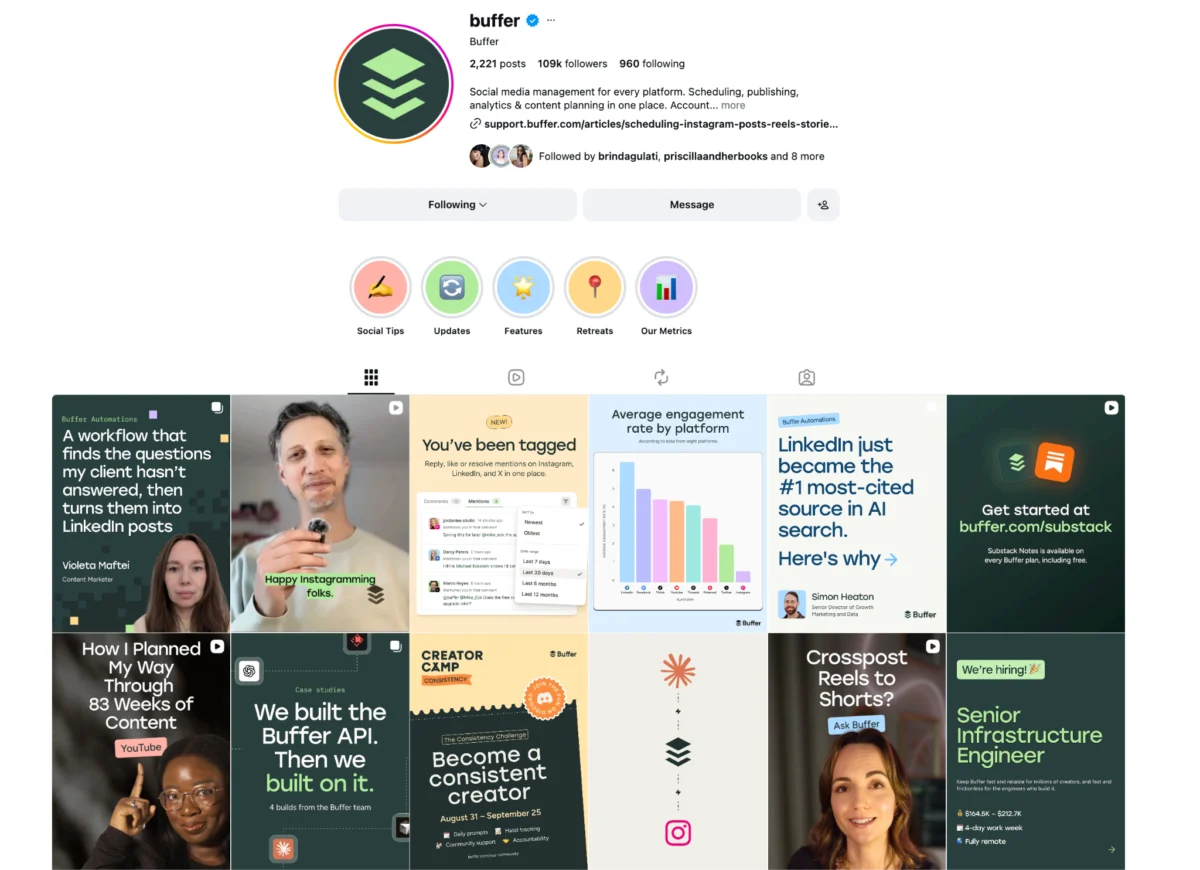
Buffer:
- Best for: Creators and small teams seeking an intuitive, all-in-one solution for scheduling and actionable analytics.
- Key Features: Buffer’s analytics dashboard is lauded for its clarity, immediately highlighting crucial insights such as best post types, optimal posting days, and top-performing content formats. It translates complex data into simple recommendations, saving time for resource-strapped users. It offers comprehensive metrics including follower growth, impressions, engagement rates, and detailed post-level performance, all exportable into professional, branded reports.
- Implication: For creators and small teams, Buffer’s integrated approach and clear data interpretation streamline workflows, enabling rapid learning and adaptation without needing a dedicated data analyst.
-
Rival IQ:
- Best for: Large agencies and enterprises requiring deep competitive benchmarking and market insights.
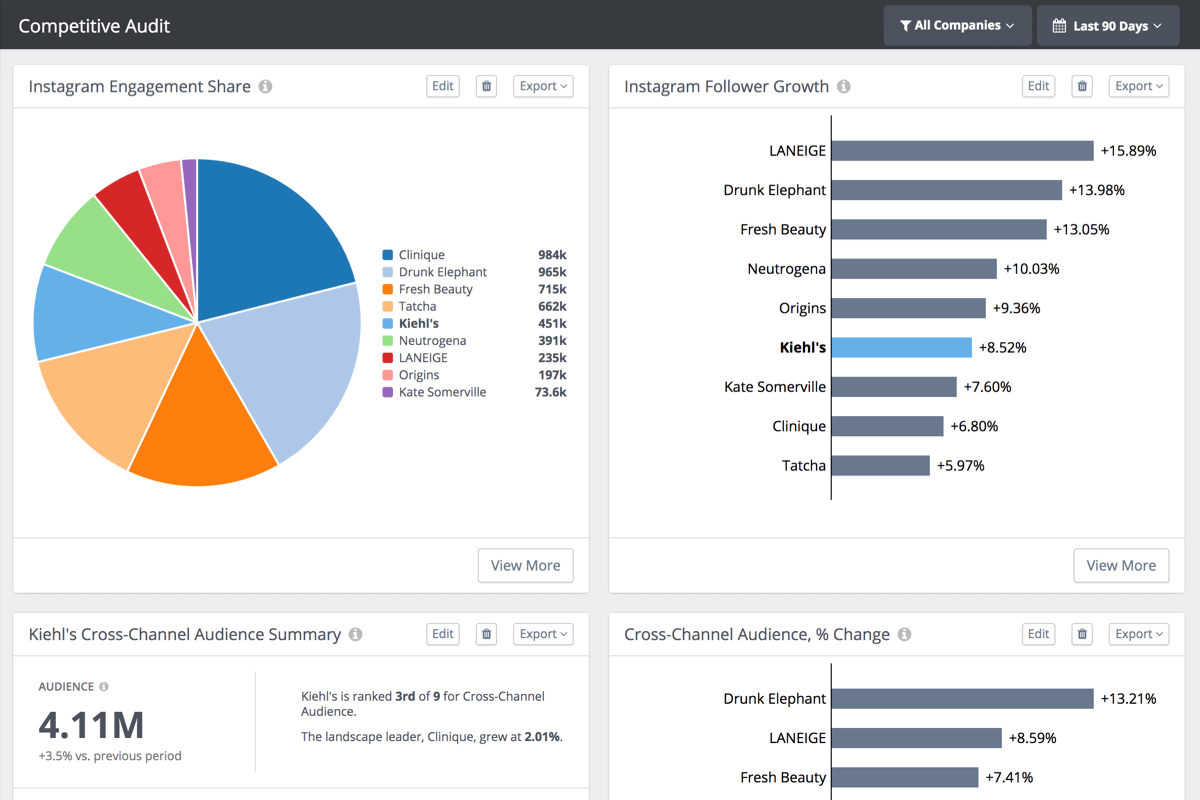
- Key Features: Rival IQ excels in providing an exhaustive competitive landscape view. It not only tracks competitor performance but also identifies boosted posts, compares brand positioning (e.g., social media bios), and benchmarks against industry peers. Its combined social listening capabilities further enhance strategic analysis.
- Implication: Agencies can leverage Rival IQ to craft data-backed strategies for clients, identify market opportunities, and demonstrate competitive advantage, moving beyond internal metrics to a broader market context.
-
Keyhole:
- Best for: Market researchers and strategists needing historical data analysis and trend identification.
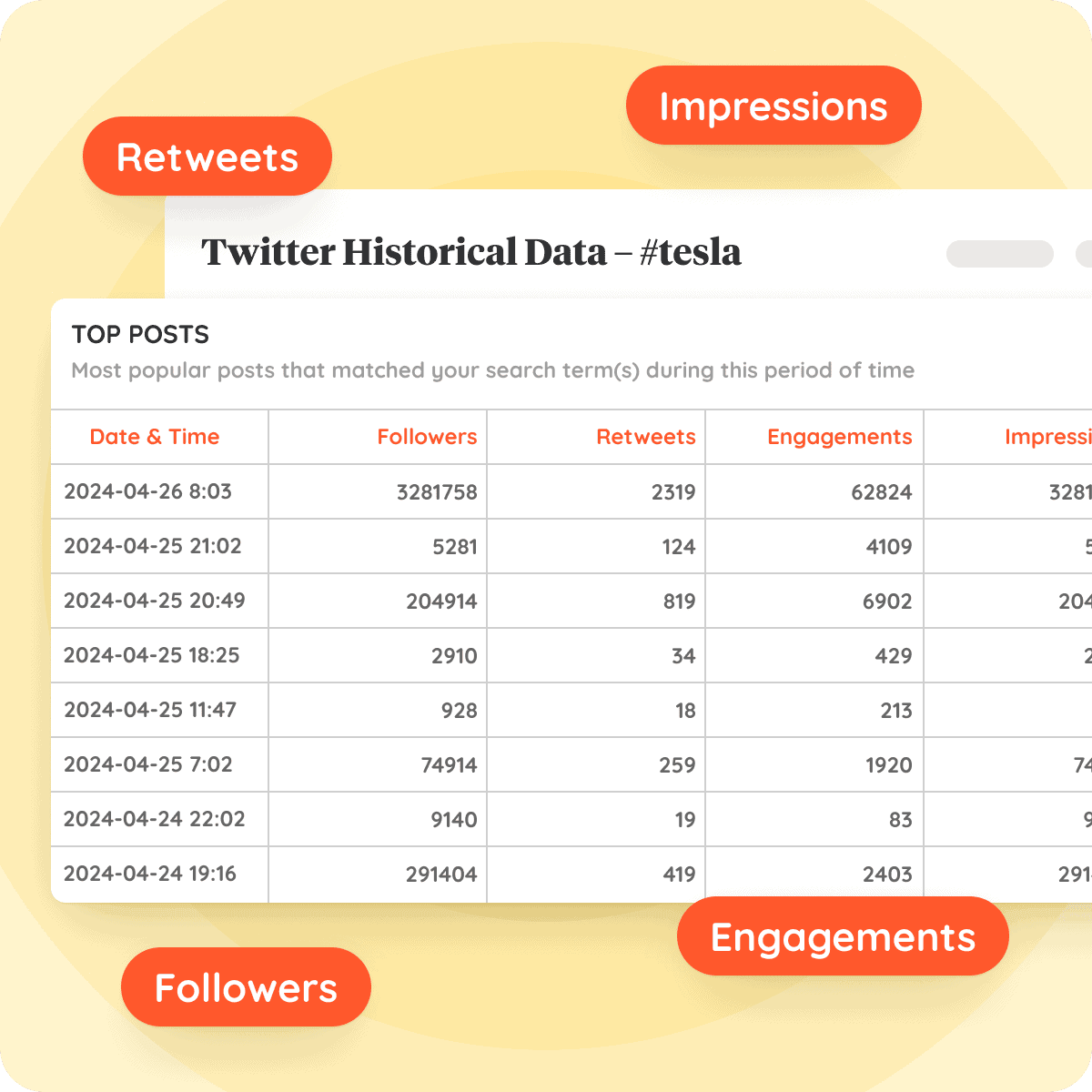
- Key Features: Keyhole’s unique strength lies in its ability to unlock historical data, often going back a decade, primarily on X (formerly Twitter). This allows for deep dives into how conversations, sentiments, and topics have evolved over time. Its machine learning system identifies emerging trends in real-time, providing powerful insights for product development, content strategy, and public relations.
- Implication: Businesses can gain a profound understanding of long-term audience sentiment and market shifts, informing not just social media content but broader business and product strategies.
-
Social Status:
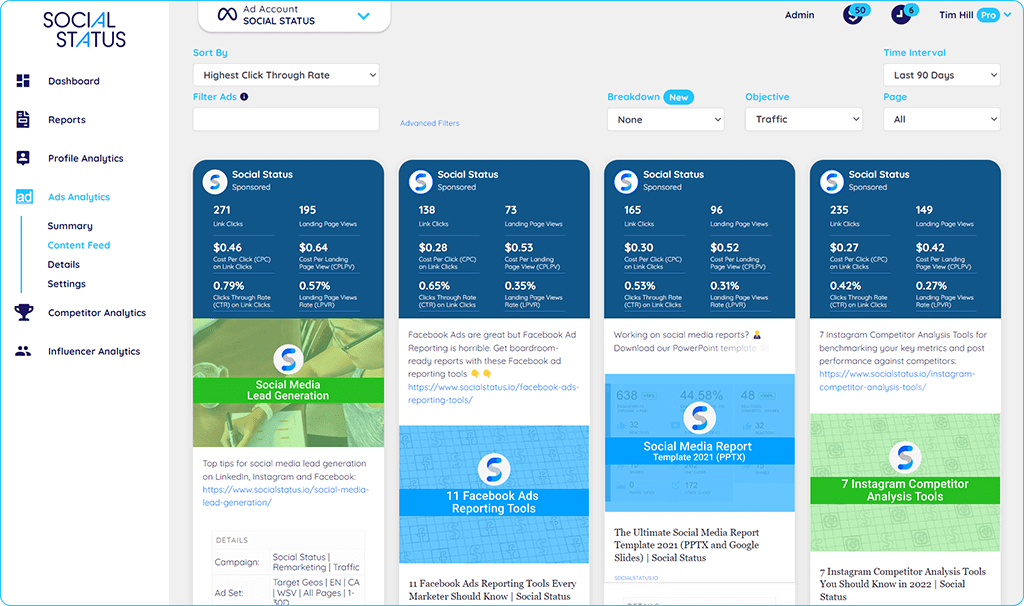
- Best for: Small businesses managing both organic social media and paid advertising, including influencer partnerships.
- Key Features: Social Status offers a unified dashboard to track performance across organic and paid social strategies. It provides essential KPIs (likes, impressions, comments, shares) alongside detailed ad performance metrics (spend, CPC, conversions) and influencer campaign tracking. Its ability to manage user-generated content (UGC) further supports holistic campaign analysis.
- Implication: Small businesses can efficiently measure the ROI of their diverse social media investments, optimizing ad spend and influencer collaborations based on clear performance data.
-
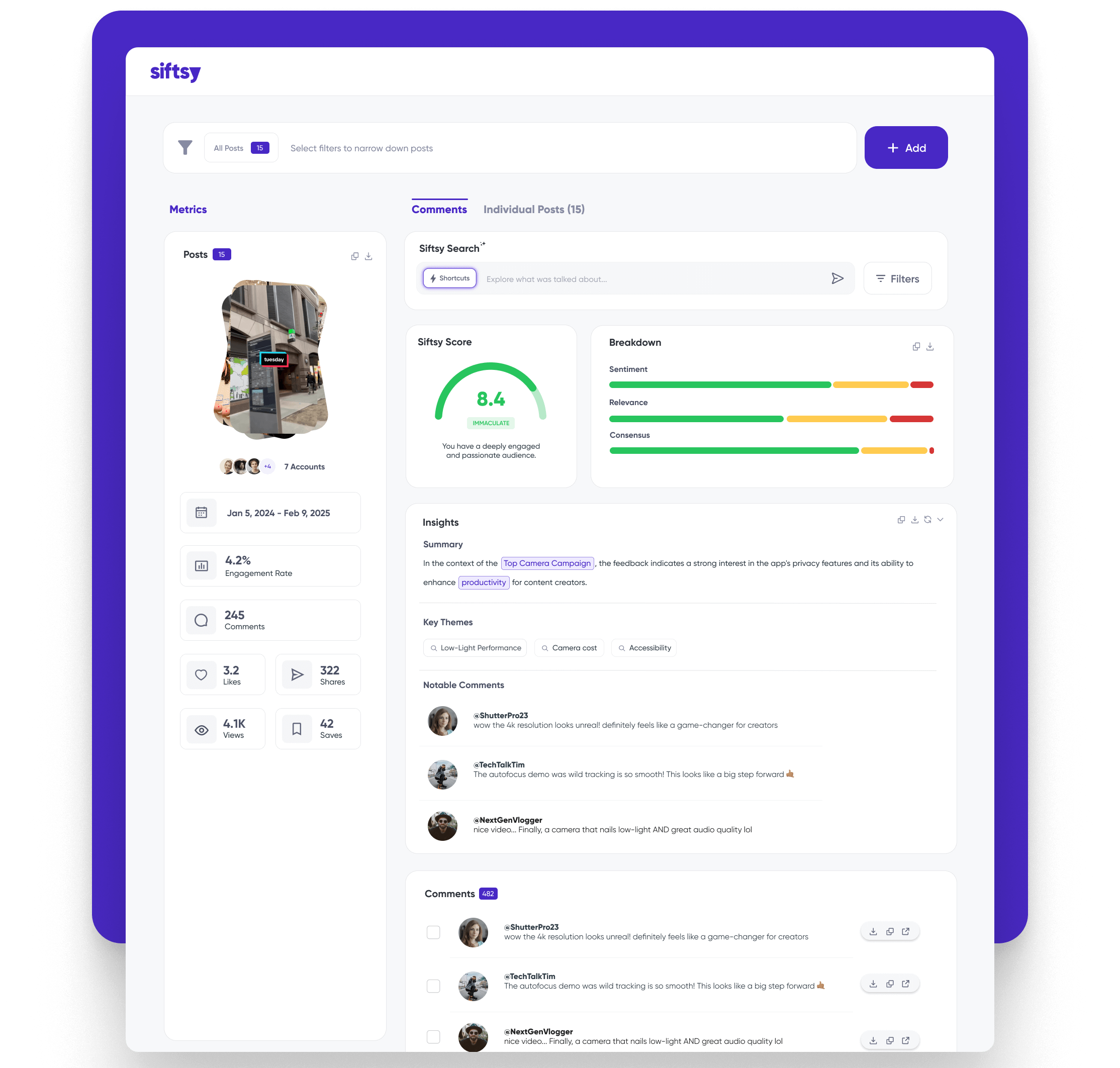
Siftsy:
- Best for: Brands focused on qualitative insights from audience comments and sentiment analysis.
- Key Features: Siftsy specializes in extracting sentiment from comments across multiple channels. By uploading post URLs, users can leverage AI to analyze comment threads, identify key themes, understand audience reactions (positive, negative, neutral), and summarize valuable insights from specific conversations.
- Implication: This tool empowers marketers to understand the "why" behind engagement numbers, informing content refinement, identifying potential brand issues, and gathering direct customer feedback for product or service improvement.
-
Vista Social:
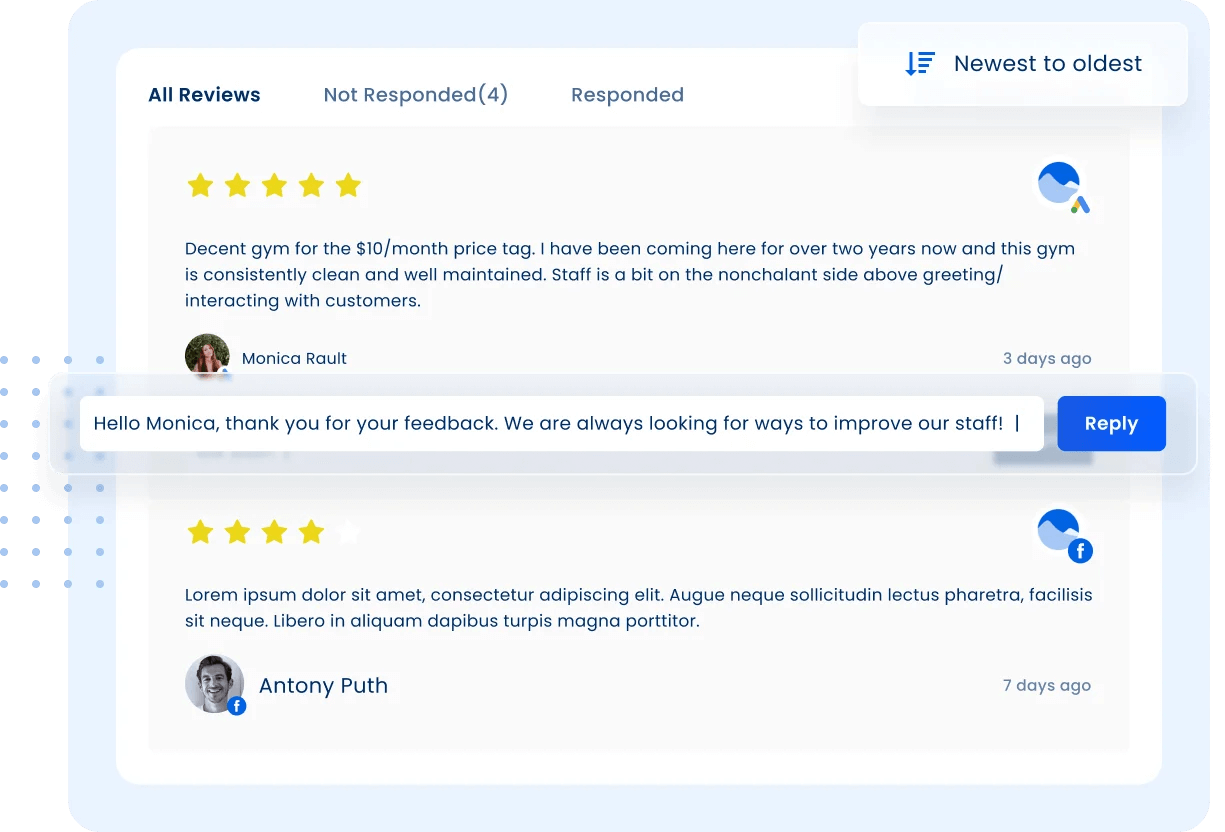
- Best for: Businesses prioritizing reputation management and tracking customer reviews alongside social metrics.
- Key Features: Beyond standard social analytics and scheduling, Vista Social excels in review management. It aggregates customer feedback from numerous review sites (e.g., Google Business, Yelp, TripAdvisor) into a single dashboard, allowing users to monitor ratings, track sentiment, and respond directly to reviews, complementing its social listening capabilities.
- Implication: Companies can proactively manage their online reputation, enhance customer service, and leverage positive feedback to strengthen brand loyalty across all digital touchpoints.
-
Typefully:
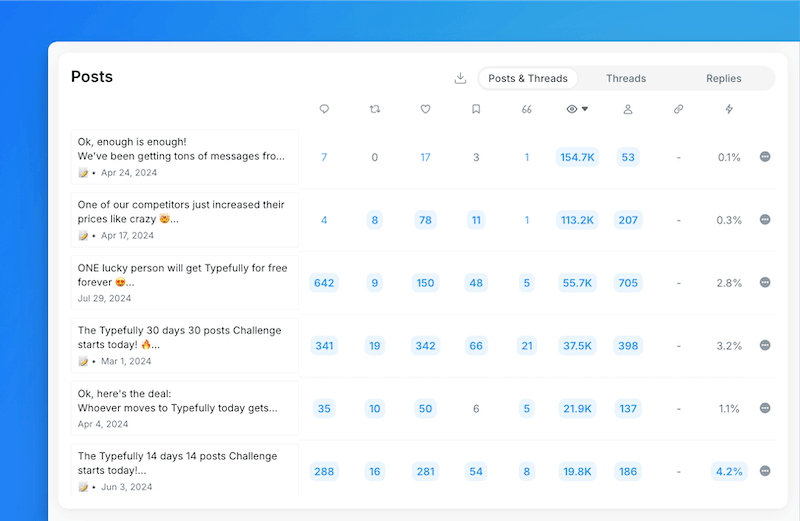
- Best for: Users primarily focused on optimizing their presence and performance on X (formerly Twitter).
- Key Features: Typefully provides highly specialized analytics tailored for X, including unique metrics like "profile conversion rate" (how many profile visitors become followers). Its intuitive interface for crafting threads and its library of "viral thread hooks" support content creation directly informed by X’s dynamics. It also supports other microblogging platforms like Bluesky and Threads.
- Implication: X-centric creators and businesses can gain precise insights into their audience acquisition funnel on the platform, refining their content and profile optimization strategies for maximum growth.
-
Tailwind:
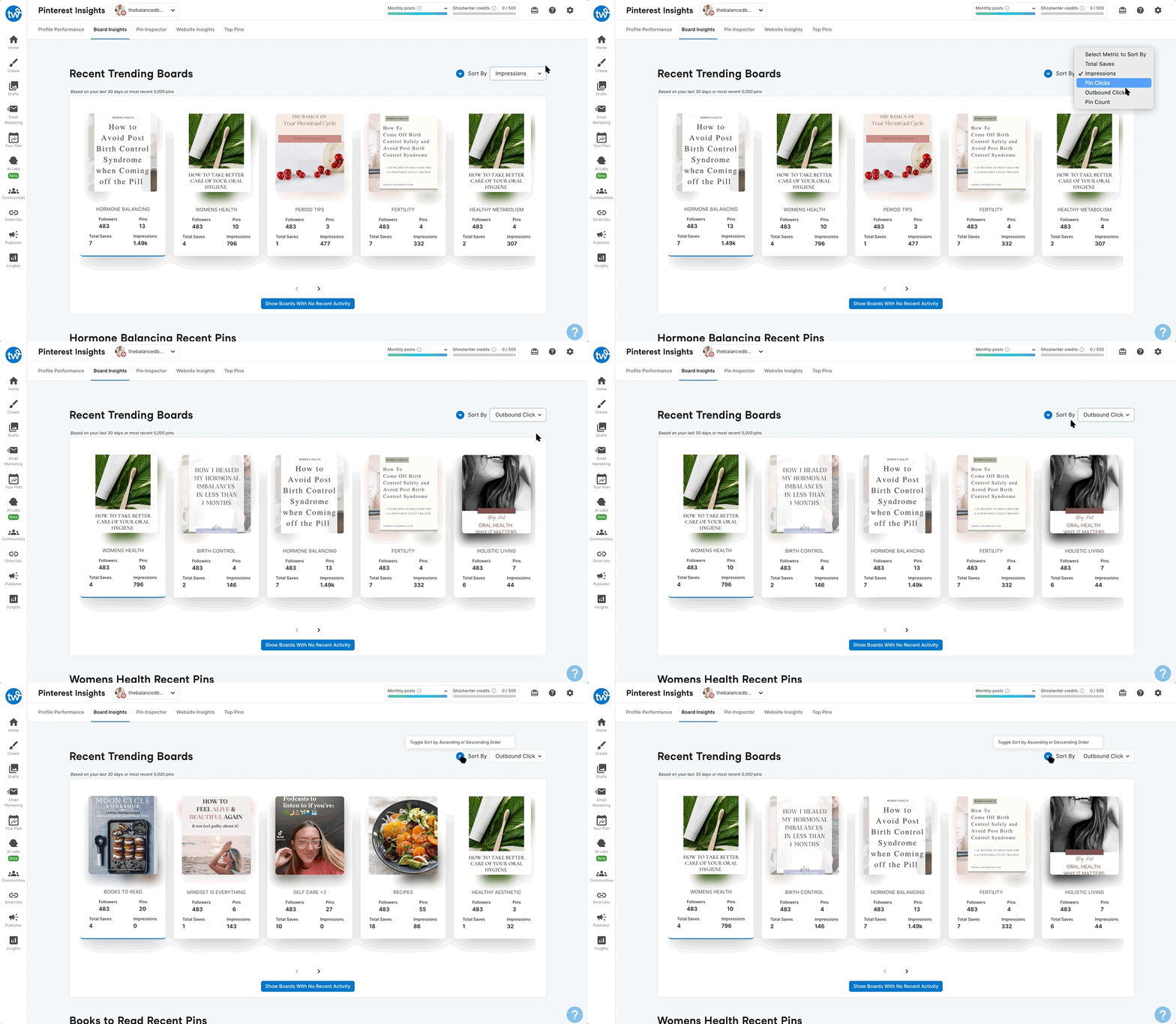
- Best for: Businesses heavily relying on Pinterest for traffic generation and visual commerce.
- Key Features: Recognizing Pinterest’s dual nature as a social network and a visual search engine, Tailwind offers in-depth analytics from a high-level overview to individual pin performance. Crucially, its Google Analytics integration allows users to pinpoint which specific pins drive the most website traffic and conversions, enabling data-driven content replication.
- Implication: E-commerce businesses and content creators can optimize their Pinterest strategy to maximize referral traffic, identify trending topics, and effectively leverage the platform for sales and audience growth.
-
DashThis:
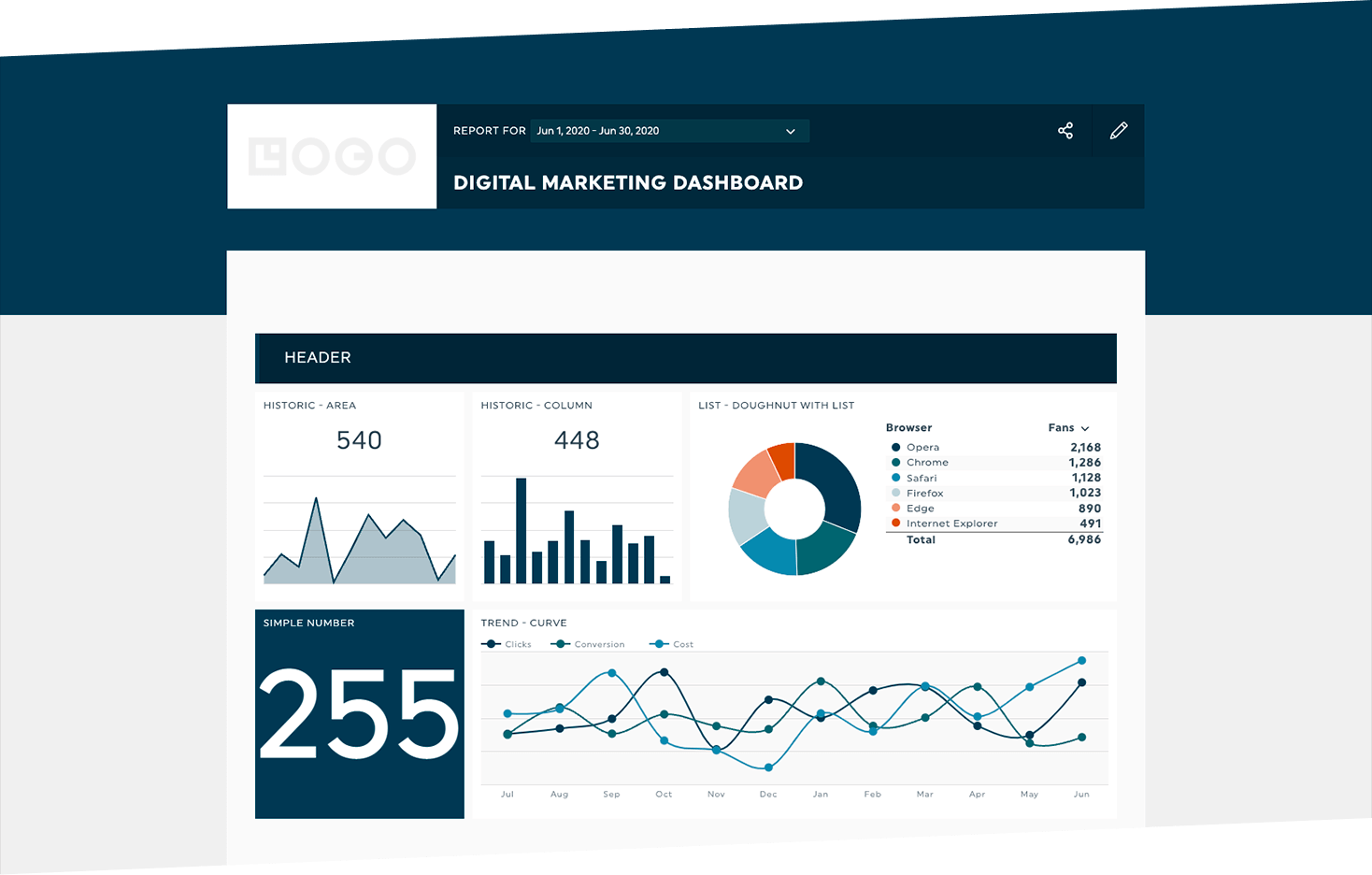
- Best for: Marketing professionals needing an all-in-one dashboard to consolidate social media data with other marketing channels.
- Key Features: DashThis is a powerful marketing reporting tool that integrates over 30 platforms, including social media, Google Analytics, SEO tools (Ahrefs), email marketing (HubSpot), and various ad platforms (TikTok Ads, Meta Business Suite). It enables the creation of comprehensive, multi-channel reports, perfect for demonstrating holistic marketing ROI to stakeholders. Unlimited users and data sources per plan make it highly scalable.
- Implication: Marketing teams can present a unified view of their entire digital performance, proving the value of social media within the broader marketing ecosystem and simplifying complex reporting for diverse audiences.
-
Socialinsider:
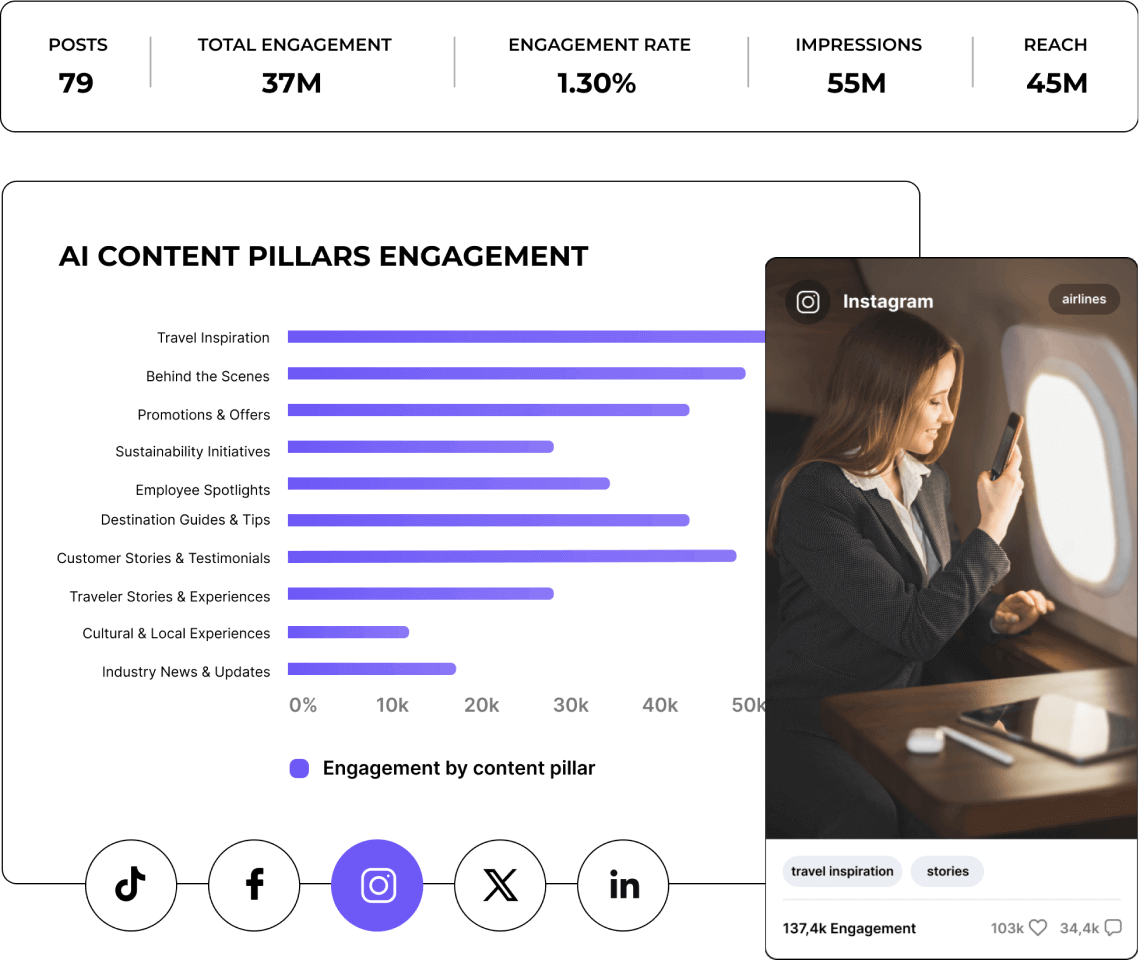
- Best for: Strategists seeking AI-driven insights into content pillars and competitive content strategy.
- Key Features: Socialinsider stands out with its AI-powered analysis of content pillars, identifying which themes resonate most with an audience. Higher-tier plans offer AI-driven competitive analysis to benchmark pillar performance. Its post-tagging feature allows for grouping and monitoring specific campaigns or content themes collectively.
- Implication: Marketers can refine their content strategy by focusing on proven content pillars, leveraging AI to uncover new opportunities and stay ahead of competitors.
-
Talkwalker:
- Best for: Enterprises requiring in-depth audience insights, brand health monitoring, and advanced social listening.
- Key Features: Now part of Hootsuite, Talkwalker offers sophisticated social listening and sentiment analysis, pulling insights from social media, news, blogs, and even customer service interactions. Its advanced audience segmentation allows for granular analysis of various demographic and psychographic groups, providing deep understanding of what truly matters to them. Its AI assistant, Yeti, facilitates quick access to relevant insights.
- Implication: Large brands can proactively manage their reputation, identify emerging crises, uncover untapped content ideas, and tailor communications for highly specific audience segments, fostering stronger brand loyalty and market relevance.
The Future of Social Media Intelligence
The landscape of social media analytics is continually evolving, driven by advancements in artificial intelligence, machine learning, and the increasing demand for personalized marketing. Future trends point towards:
- Enhanced Predictive and Prescriptive Capabilities: Tools will become even smarter, not just telling marketers what happened or why, but actively recommending optimal strategies and content based on sophisticated algorithms.
- Deeper Integration: Analytics will seamlessly integrate across all aspects of the marketing technology stack, providing a truly unified view of the customer journey and marketing ROI.
- Ethical Data Use and Privacy: With growing concerns around data privacy, future tools will need to balance deep insights with robust ethical frameworks and compliance, ensuring responsible data collection and utilization.
- Real-time Insights: The ability to react instantaneously to trends, sentiment shifts, or emerging crises will become even more critical, pushing analytics tools towards real-time processing and alerts.
Ultimately, social media success is no longer a matter of chance or creative whims alone; it is a meticulously crafted endeavor built on the foundation of robust data. By embracing the power of social media analytics, businesses and creators can move beyond guesswork, make informed decisions, optimize their strategies, and consistently achieve their marketing objectives in an increasingly competitive digital world. Investing in the right analytics tools is not merely an expense but a strategic imperative for sustained growth and meaningful engagement.