Cintya Tara Annisa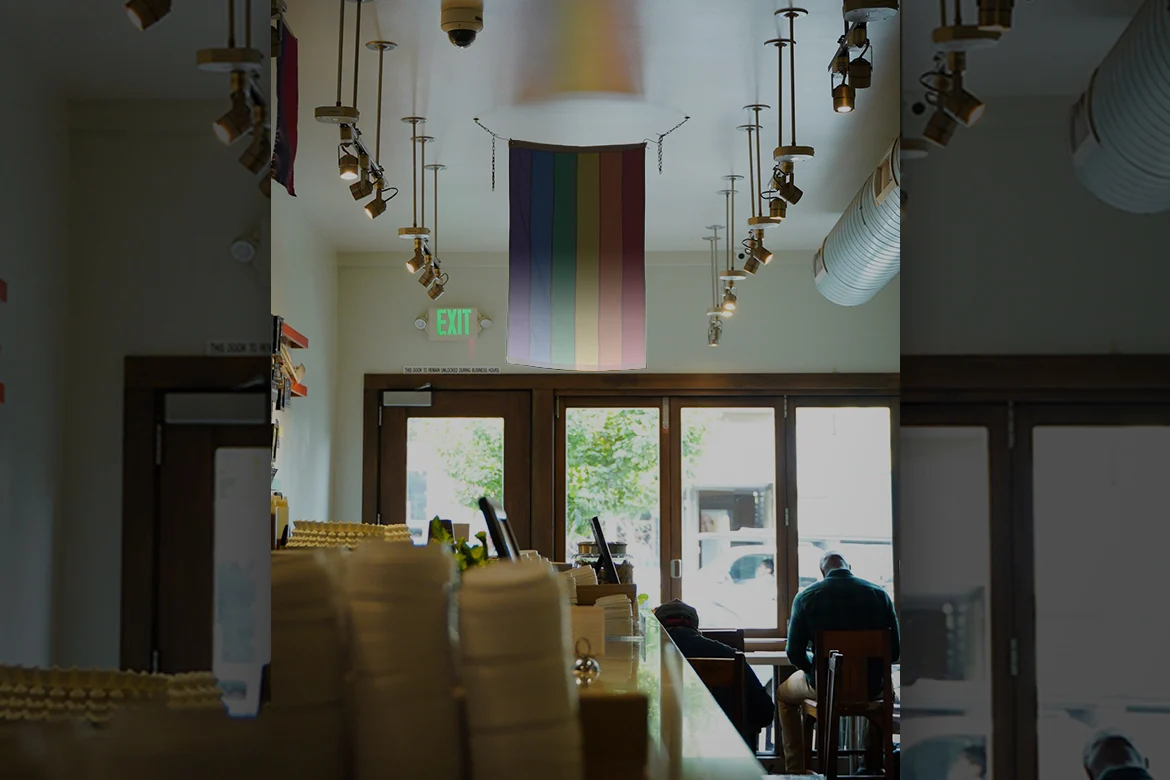
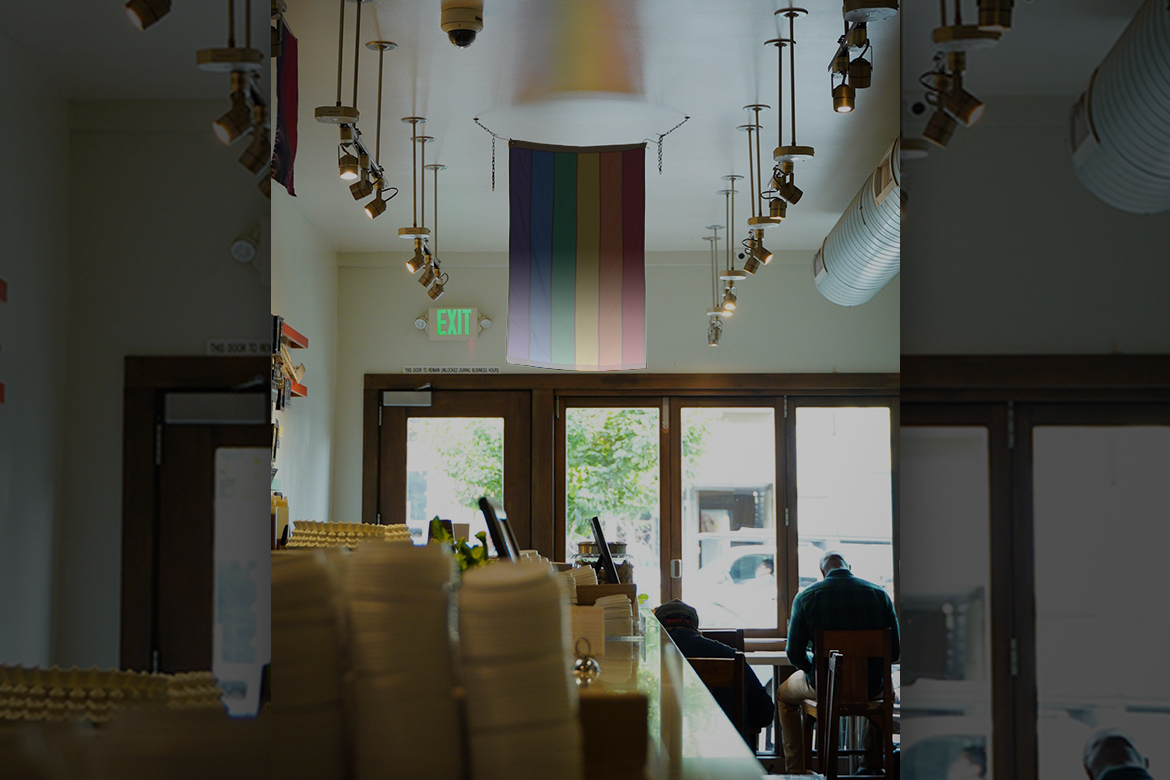
The San Francisco-based coffee chain Philz Coffee, a prominent fixture in the specialty coffee industry for over two decades, has entered a period of significant transition following its acquisition by a private equity firm. This shift, marked by a $145 million buyout and a subsequent overhaul of internal policies, has sparked considerable debate among employees, long-time customers, and industry analysts. Most recently, the company has faced scrutiny over a new directive to remove Pride flags and other diverse decor from its retail locations, a move the administration describes as an effort toward brand consistency but which critics view as a departure from the company’s foundational values.
The Evolution of Philz Coffee: From Local Roots to National Recognition
To understand the weight of recent changes, it is necessary to examine the historical trajectory of Philz Coffee. Founded in 2003 by Phil Jaber in San Francisco’s Mission District, the brand distinguished itself through a "one cup at a time" philosophy. Unlike traditional espresso-based cafes, Philz focused exclusively on personalized pour-over coffee, creating unique blends that garnered a cult-like following. The brand’s identity was deeply intertwined with the cultural fabric of the Bay Area, emphasizing community, individuality, and a "third-place" atmosphere where customers felt a personal connection to the staff and the environment.
Over the next twenty years, the company expanded significantly, moving beyond Northern California into Southern California, Chicago, and the Washington D.C. metropolitan area. This growth was fueled by multiple rounds of venture capital funding, totaling over $75 million from investors including Elevation Partners and Spark Capital. By the early 2020s, Philz had successfully transitioned from a single neighborhood storefront to a major player in the "third wave" coffee movement, competing with brands like Blue Bottle and Peet’s Coffee.
The 2023 Acquisition and Financial Restructuring
In August 2023, the trajectory of the company changed fundamentally when it was announced that Freeman Spogli & Co., a Los Angeles-based private equity firm, would acquire Philz Coffee for approximately $145 million. Freeman Spogli & Co. is known for its investments in consumer and retail brands, with a portfolio that has included companies such as Arhaus, Sur La Table, and various food service entities.
The acquisition involved a complex financial restructuring that had immediate implications for the company’s stakeholders. According to reports surrounding the deal, the buyout provided significant payouts and bonuses to the co-founders, the CEO, and representatives of the investment firms that had previously backed the chain. However, a controversial aspect of the merger was the treatment of common stock. The acquisition reportedly resulted in the cancellation of all common stock, rendering the shares held by many current and former employees effectively worthless.
This move was particularly impactful because Philz Coffee had historically encouraged its employees to invest in the company, framing equity as a way for the workforce to share in the brand’s long-term success. The elimination of these shares during the private equity transition created a rift in employee relations, setting the stage for further tensions as the new ownership began implementing operational changes.
The Decor Policy and Removal of Pride Flags
In early 2024, under the direction of the new ownership and leadership, Philz Coffee implemented a new policy regarding store aesthetics. The most visible manifestation of this policy was the directive to remove Pride flags and other non-standardized decorations from all retail locations. This decision was met with immediate pushback from both staff members and the public, particularly in the San Francisco Bay Area, where the Pride flag is viewed as a vital symbol of safety and inclusion.
Mahesh Sadarangani, who assumed the role of CEO following the acquisition, addressed the policy change in a statement provided to local media. Sadarangani characterized the move as an effort to streamline the brand’s visual identity and create a uniform experience for customers across all geographical markets. He stated that the company was working toward creating a more "consistent, inclusive experience" by removing a variety of flags and miscellaneous decor.
The administration argued that "inclusivity" in this context meant a neutral environment that looks the same in San Francisco as it does in Chicago or Virginia. Sadarangani further emphasized that the removal of physical symbols did not represent a shift in the company’s core values, noting that Philz intended to continue its tradition of holding Pride-related events in June. Despite these assurances, the move was widely interpreted by the community as a "sanitization" of the brand to make it more palatable for a broader, more conservative corporate framework.
Public Response and the Change.org Petition
The reaction to the new decor policy was swift and organized. A petition on Change.org, titled "Urge Philz Coffee to Keep Pride Flags Up," was launched shortly after the news broke. Within a week, the petition garnered nearly 6,500 signatures, reflecting a significant level of consumer dissatisfaction.
The petition argued that the Pride flags held deep symbolic value for both employees and customers, serving as a signal that Philz locations were safe spaces for the LGBTQIA+ community. Critics pointed out that the company had historically benefited from its association with progressive Bay Area values and that removing these symbols felt like an abandonment of the community that helped build the brand’s initial success.
On social media platforms such as Reddit, the discourse was equally critical. Users in the r/bayarea and r/coffee communities expressed concern that the private equity takeover was stripping the chain of its "soul." Comparisons were drawn to large-scale fast-food franchises, with some commenters noting that the push for "consistency" was making the once-unique cafes feel indistinguishable from standardized corporate chains like McDonald’s.
The Role of Private Equity in the Specialty Coffee Sector
The situation at Philz Coffee is not an isolated incident but rather part of a broader trend of consolidation and private equity involvement in the specialty coffee industry. Over the past decade, several high-profile "third wave" coffee brands have been acquired by larger conglomerates or investment firms:
- Blue Bottle Coffee: Acquired by Nestlé in 2017 for a reported $500 million.
- Stumptown Coffee Roasters and Intelligentsia: Both were acquired by Peet’s Coffee, which is owned by JAB Holding Company, a massive European investment firm.
- Caribou Coffee and Panera Bread: Also under the JAB Holding Company umbrella.
The primary goal of private equity in these acquisitions is typically to scale the business rapidly, optimize operational efficiencies, and eventually exit the investment through a sale or initial public offering (IPO) at a significantly higher valuation. This process often involves the standardization of products, store layouts, and labor models to ensure predictable returns across hundreds of locations. While this can lead to increased profitability and market reach, it frequently clashes with the "artisanal" or "local" identity that made the brands successful in the first place.
Chronology of Key Events
- 2003: Phil Jaber opens the first Philz Coffee in San Francisco’s Mission District.
- 2003–2022: The company expands to over 70 locations across the United States, raising millions in venture capital.
- August 2023: Freeman Spogli & Co. acquires Philz Coffee for $145 million. Common stock held by employees is canceled.
- September 2023 – Early 2024: New leadership begins implementing operational changes focused on brand consistency and "streamlining" the retail experience.
- June 2024: Despite the new decor policy, the company maintains it will participate in Pride Month activities, though store-level displays remain restricted.
- Late 2024: Widespread reports emerge regarding the removal of Pride flags, leading to public petitions and social media backlash.
Broader Implications for Brand Identity and Consumer Loyalty
The challenges facing Philz Coffee highlight a fundamental tension in modern retail: the struggle to maintain a "boutique" brand identity while operating under the mandates of private equity. For many consumers, the value of a brand like Philz is not just in the product—the coffee—but in the cultural and social atmosphere the brand provides. When that atmosphere is perceived to be compromised in favor of corporate uniformity, brand loyalty often erodes.
The removal of Pride flags is seen by analysts as a "risk-mitigation" strategy often employed by corporate entities seeking to avoid political controversy in diverse markets. However, in the case of a brand born in San Francisco, such a move can be counterproductive, as it alienates the core demographic that provides the brand with its cultural capital.
Furthermore, the financial impact on employees—specifically the loss of equity—raises questions about the sustainability of "employee-centric" corporate cultures during private equity transitions. As Philz Coffee continues to integrate into the Freeman Spogli portfolio, the company will need to navigate the difficult balance between achieving the "synergy" and "consistency" desired by its investors and retaining the authentic community connection that originally defined the brand.
The outcome of the current controversy may serve as a bellwether for other specialty brands facing similar transitions. As the specialty coffee market becomes increasingly crowded and corporate-dominated, the ability to maintain a distinct, values-driven identity may become a brand’s most valuable—and most fragile—asset. For now, Philz Coffee remains at a crossroads, facing a public that is increasingly wary of the "corporate borg" transformation often associated with private equity ownership.