
 Ali Ikhwan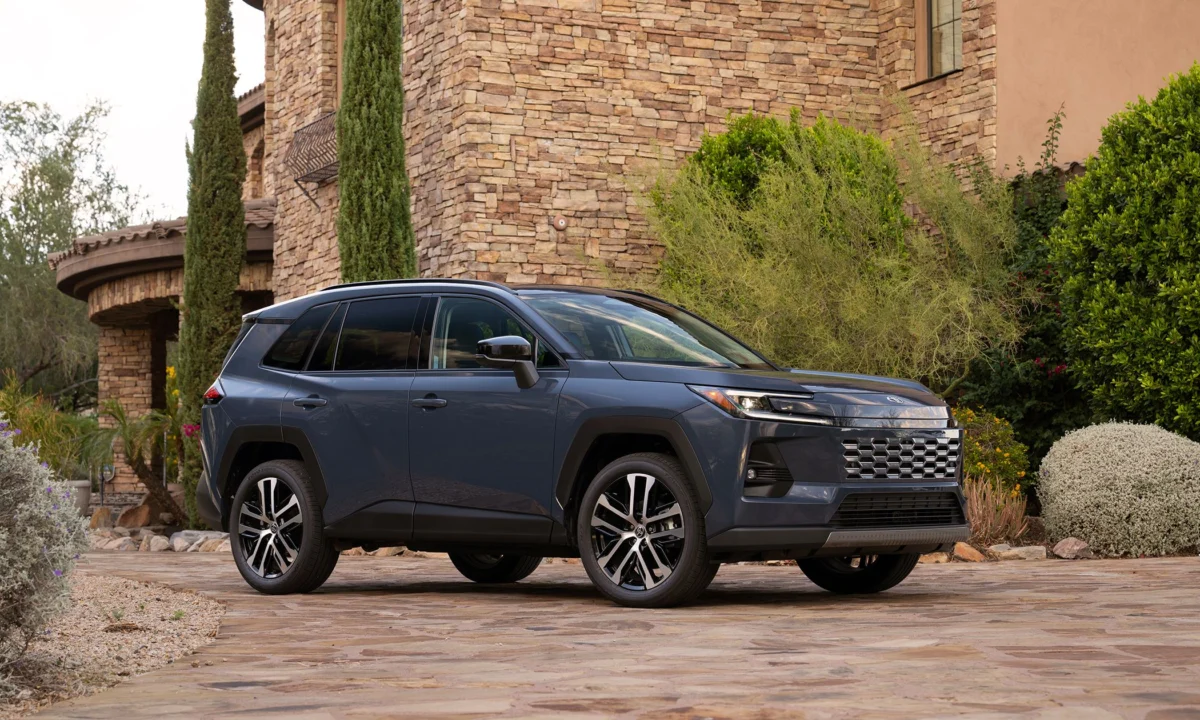
The global automotive landscape has reached a significant inflection point in the second quarter of 2026, characterized by a stark divergence in consumer behavior between the European and North American markets. While European car buyers are accelerating their transition to battery-electric vehicles (BEVs) in response to soaring energy costs and geopolitical instability in the Middle East, their American counterparts are increasingly retreating toward internal combustion technology, specifically in the form of gasoline-electric hybrids. This shift marks a definitive departure from the aggressive electrification projections established earlier in the decade and signals a new era of "pragmatic mobility" in the United States.
According to data released this month by a coalition of European consultancies and non-governmental organizations, BEV sales in Europe surged by more than 33 percent in the first half of 2026 compared to the same period in 2025. This surge is directly correlated with the economic fallout of the ongoing conflict involving Iran, which has disrupted global oil supplies and sent gas prices to historic highs across the continent. In contrast, the U.S. market has seen a far more muted response to the same global pressures. While domestic electric vehicle sales grew by nearly 15 percent in the second quarter compared to the first, the total volume remains significantly below the targets set during the previous administration’s climate initiatives. Instead, the real momentum in the American market lies with hybrids, which are projected to see a 9 percent increase in sales this year, even as overall vehicle sales are expected to contract by more than 2 percent.
Geopolitical Instability and the Strait of Hormuz Crisis
The primary driver of this market shift is the sustained volatility in global oil markets resulting from the conflict in the Strait of Hormuz. As a critical chokepoint for global energy transit, the Strait has become a theater of uncertainty, leading to a 30 percent year-over-year increase in U.S. gasoline prices. For the average American commuter, the sudden spike at the pump has served as a catalyst for reevaluating vehicle efficiency, though not necessarily through the lens of total electrification.
In Europe, where gasoline taxes are historically higher and the charging infrastructure is more densely integrated into urban planning, the spike in oil prices has made the total cost of ownership for BEVs undeniably superior to internal combustion engine (ICE) vehicles. However, in the United States, the response has been tempered by a combination of geographic realities and a shifting regulatory environment. American consumers, facing the same price pressures, are gravitating toward vehicles that "sip gas rather than glug," according to data from Kelley Blue Book. Hybrids, which utilize a combination of traditional engines and electric motors, offer a middle ground that mitigates the impact of high gas prices without requiring the behavioral changes associated with pure electric driving.
The Reversal of Federal Support and Regulatory Retrenchment
The stagnation of the American BEV market cannot be attributed to fuel prices alone; it is also a direct consequence of a dramatic shift in federal policy. Following the transition to the current Trump administration, the robust federal support system for electric vehicles was largely dismantled. The most significant blow to the industry was the reversal of the $7,500 federal tax credit for EV purchases, a move that immediately increased the effective price of most electric models for the average consumer.
This policy shift created a ripple effect throughout the domestic automotive industry. Automakers, who had previously committed billions of dollars to "all-electric" futures, began to dial back their production targets and pivot their capital expenditures toward more profitable hybrid segments. Ford, for instance, famously scaled back its electric F-150 Lightning production in favor of hybrid powertrains, while luxury manufacturers like Lamborghini have similarly paused or delayed their pure-electric rollouts. The removal of federal incentives, combined with a cooling of the regulatory pressure to meet stringent fleet-wide emission standards, has allowed manufacturers to prioritize consumer demand for hybrids over the long-term goal of carbon neutrality.
The Strategic Dominance of Toyota and the "Hybrid-Only" Pivot
If 2026 is the year of the hybrid, Toyota stands as the primary beneficiary of this trend. While other manufacturers spent the early 2020s racing to develop Tesla-competitors, the Japanese automaker maintained a steadfast commitment to the hybrid technology it pioneered with the Prius in the late 1990s. This long-term strategy has paid significant dividends. Toyota reported a nearly 20 percent increase in hybrid sales this quarter, bolstered by a lineup that has become increasingly "hybrid-only."
Flagship models such as the Camry and the RAV4—the latter being one of the best-selling vehicles in North America—are now primarily or exclusively available with hybrid powertrains. Industry analysts note that this strategy has normalized the technology for the average consumer. Many buyers, who have been loyal to the RAV4 brand for decades, are transitioning to hybrids not out of a specific desire for electrification, but because it is the standard offering from a brand they trust.
Other manufacturers are following Toyota’s lead. Honda recently reported that hybrid trims accounted for 51 percent of its popular CR-V sales. In a move that underscored the industry’s current skepticism toward pure BEVs, Honda announced it would discontinue its Prologue EV in the U.S. after the 2026 model year, effectively leaving its North American lineup without a battery-electric option for the immediate future. Similarly, Hyundai and Kia have seen substantial growth in their hybrid offerings, further cementing the technology’s dominance in the mid-market segment.
Consumer Psychology: Range Anxiety and Economic Pragmatism
The American preference for hybrids over BEVs is deeply rooted in "range anxiety"—the fear that an electric vehicle will run out of power before reaching a charging station. This concern is particularly acute in the United States, where vast distances and a fragmented charging network make long-distance travel in an EV more complex than in a gasoline-powered car.
Hybrids eliminate this concern by offering the best of both worlds: the efficiency of an electric motor for city driving and the reliability of a gasoline engine for long-distance trips. "A hybrid doesn’t feel like an electric vehicle—these are very different animals," says Stephanie Brinley, associate director of AutoIntelligence at Mobility Global. "People are looking to save; they have range anxiety. The hybrid is the perfect solution."
Furthermore, the price gap between traditional ICE vehicles and hybrids has narrowed significantly. In 2026, a hybrid powertrain typically adds only a few thousand dollars to a vehicle’s sticker price, a premium that many consumers find justifiable given the 30 percent increase in fuel costs. In contrast, pure BEVs often remain significantly more expensive, even with recent price cuts from manufacturers like Tesla.
The Tesla Defection and the "Messy Middle" of Transition
Perhaps the most telling statistic of the current market shift comes from Edmunds, which reported that more than 20 percent of Tesla owners who traded in their vehicles in the second quarter of 2026 chose to purchase a hybrid rather than another electric vehicle. This "defection" suggests that even early adopters of EV technology are finding the hybrid value proposition increasingly attractive in the current economic and political climate.
Even Detroit’s "Big Three" have adjusted their rhetoric. General Motors, which once famously declared its intent to stop selling gas-powered cars by 2035, has signaled that it will "lean on the tech" of hybrids to navigate what executives are calling the "messy middle" of the electric transition. Ford’s Maverick compact truck has seen immense success with its hybrid trim, proving that the technology has broad appeal even in the traditionally conservative pickup truck segment.
Long-Term Implications and the 2030 Outlook
Despite the current cooling of the BEV market in the U.S., some analysts remain optimistic about the long-term prospects of electrification. They point to the historical trajectory of hybrid technology as a roadmap for what is to come. It took more than 25 years for hybrids to reach a 15 percent market share in the United States. In comparison, EVs are projected to account for 12 percent of sales by 2030—a growth pace that, while slower than initially projected, is still faster than the adoption curve of hybrids.
The current "hybrid summer" may not be a permanent rejection of electric vehicles, but rather a necessary evolutionary step for the American consumer. By introducing buyers to electrified powertrains without the risks associated with pure BEVs, hybrids are breaking down the psychological barriers to new technology. As Stephanie Brinley notes, "It’s a little crack in the armor that can make a difference when they come back to the market."
However, the divergence between the U.S. and Europe highlights a growing risk of market fragmentation. As Europe moves toward a pure-electric mandate and the U.S. doubles down on hybrids, global automakers face the challenge of managing two increasingly different supply chains and product development cycles. For now, the American market has sent a clear message: in an era of geopolitical strife and high energy costs, the hybrid is no longer just a bridge to the future—it is the preferred destination for the present.







