
 Ali Ikhwan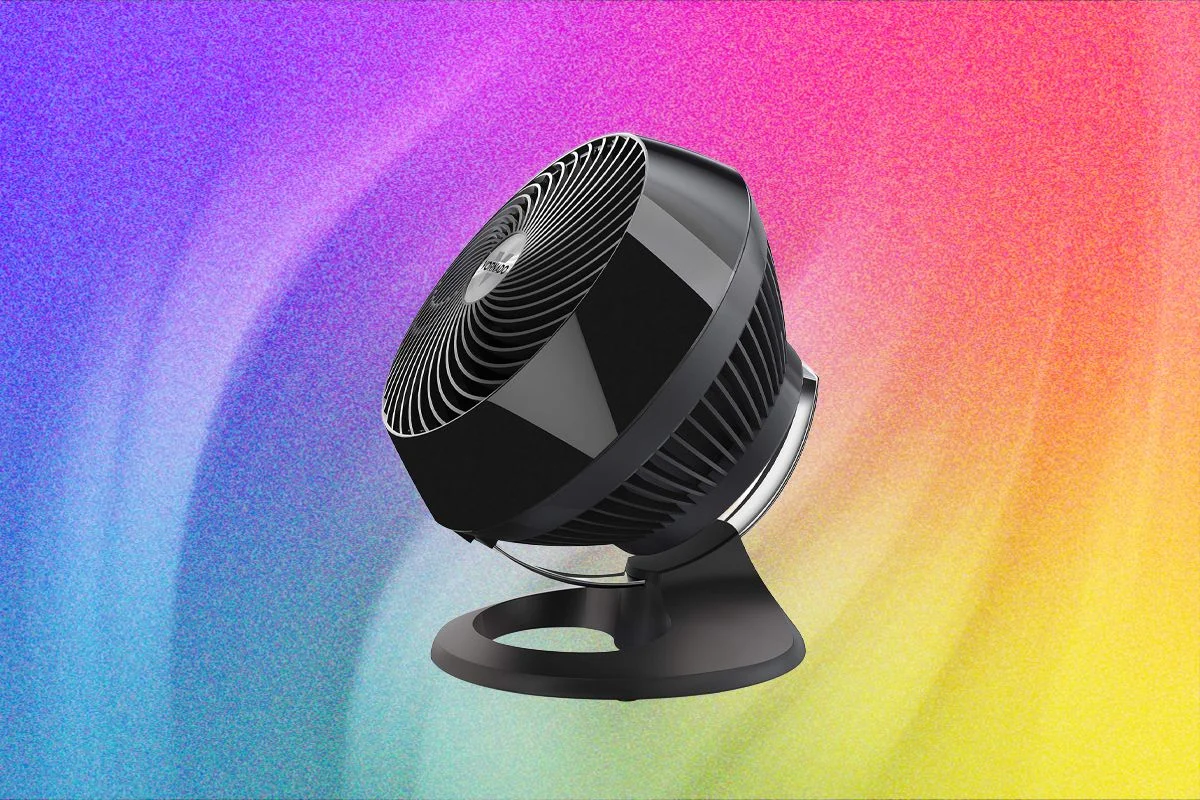
The consumer electronics landscape for residential climate control has undergone a radical transformation over the last decade, evolving from simple mechanical air movers into sophisticated, multi-functional smart devices. As global temperatures continue to fluctuate and indoor air quality becomes a paramount concern for urban dwellers, the traditional pedestal fan is being replaced by units featuring radar tracking, HEPA filtration, and integrated heating elements. Industry analysts note that the modern fan is no longer a seasonal purchase but a year-round component of the smart home ecosystem, capable of communicating with voice assistants and adapting to the presence of occupants in real-time.

The Technological Evolution of Residential Air Circulation
Historically, the residential fan market was dominated by three primary form factors: the metal table fan, the pedestal fan, and the box fan. These devices relied on simple alternating current (AC) motors and manual switches. However, the 2026 market reflects a shift toward direct current (DC) brushless motors, which offer greater energy efficiency, quieter operation, and more precise speed control.
Leading the current market is the Vornado 660, a device that utilizes the company’s proprietary "Vortex Action." This mechanical design involves a spiral grille that rotates air into a high-volume "corkscrew" column, allowing for air circulation across entire rooms rather than narrow corridors. Weighing approximately seven pounds and featuring a five-year warranty, the 660 represents the "all-rounder" category, balancing portability with high-performance output.

In contrast, the rise of "smart" technology has introduced features that once belonged to the realm of science fiction. The Dreo TurboPoly 707S, for example, utilizes millimetre-wave sensors—the same technology used in advanced security and automotive systems—to track human movement. This allows the fan to redirect airflow automatically as a person moves across a room, optimizing cooling efficiency without manual adjustment.
Chronology of Market Innovations and Industry Updates
The trajectory of fan technology can be traced through several key milestones that have redefined consumer expectations:

- The 1980s–1990s: Dominance of utilitarian metal and plastic fans with limited speed settings and high noise profiles.
- 2010s: The introduction of bladeless technology by firms like Dyson, focusing on safety and aesthetic appeal.
- 2020–2023: The "Smart Home" boom, where Wi-Fi connectivity and app integration became standard for mid-to-high-end models.
- 2024–2026: The integration of environmental sensors (radar, thermometers, and humidistats) and multi-functional capabilities, such as air purification and "cryo-inspired" cooling plates.
As of April 2026, the market has seen a surge in specialized devices. Shark, a brand known for vacuum technology, has entered the space with the FlexBreeze and TurboBlade series. These models focus on modularity, allowing fans to switch between pedestal and floor configurations or between "T" and "I" shapes to customize the direction of airflow.
Quantitative Analysis: Performance Data and Noise Metrics
Performance in the fan industry is typically measured by wind speed (feet per minute, or ft/m) and acoustic output (decibels, or dB). Recent testing of the 2026 lineup reveals a significant push toward "whisper-quiet" operation for bedroom use.

The Dreo TurboPoly 508S has set a new benchmark for acoustic performance. While marketing materials claim an output of 20 dB, independent testing shows a real-world level of 29 dB on its lowest setting—still significantly quieter than the 40-50 dB average of traditional fans.
In terms of raw power, industrial-grade "air movers" like the B-Air VP-20 continue to dominate. Featuring a 1/5 horsepower motor, these units are designed for heavy-duty tasks such as drying flooded basements or clearing smoke. Testing indicates that these high-velocity units can output wind speeds that exceed the measurement capacity of standard consumer anemometers, though they operate at noise levels (approximately 70-80 dB) that preclude normal conversation.

Specialized Niches: Fitness, Misting, and Air Purification
The diversification of the market has led to the creation of highly specialized sub-categories tailored to specific lifestyle needs.
High-Velocity Fitness Fans
For the growing home-gym market, devices like the Vornado Fly Max have been engineered to simulate outdoor wind resistance. These units often include magnetic remotes that can be strapped to treadmills or stationary bikes, allowing athletes to adjust intensity without breaking their stride.

Indoor-Safe Misting Technology
Traditionally, misting fans were restricted to outdoor use due to the risk of wetting furniture and floors. The 2026 Dreo TurboCool 765S utilizes ultrasonic technology to produce mist particles as small as 17 microns. These particles are fine enough to evaporate almost instantly, providing a cooling effect similar to air conditioning while keeping surfaces and clothing dry.
Integrated Air Purification
Following the increased frequency of wildfires and heightening awareness of indoor pollutants, "purifier fans" have become a major market segment. The Dreo MC710S offers 99.97% HEPA filtration, allowing the device to clean the air while circulating it. This dual-purpose design is particularly favored in apartments where floor space is at a premium.

Official Responses and Manufacturing Standards
Manufacturer philosophies regarding longevity and customer support remain a point of contention in the industry. Established brands like Vornado and Lasko continue to offer generous five-year warranties, emphasizing mechanical reliability and "no-frills" durability. Vornado representatives have stated that their focus remains on the "physics of airflow" rather than digital distractions.
Conversely, newer entrants like Dreo and SwitchBot prioritize feature density and software integration. While these brands offer advanced app-based scheduling and RGB mood lighting (with the 508S model offering over 1,000 color shades), they often provide shorter one-year warranties. Industry analysts suggest that consumers must currently choose between the "legacy durability" of traditional brands and the "high-tech versatility" of modern smart-fan manufacturers.

Environmental Impact and Broader Implications
The demand for high-efficiency fans is intrinsically linked to broader climate trends. As heatwaves become more frequent and severe, the World Health Organization (WHO) has issued guidance on fan usage, noting that while fans provide comfort, they can actually increase body temperature if ambient air exceeds 104°F (40°C). This has spurred the development of the aforementioned misting and "cold plate" technologies, which provide genuine thermal relief rather than just moving hot air.
Furthermore, the "Corsi-Rosenthal Box" movement—a grassroots effort to create DIY air purifiers using box fans and HVAC filters—has influenced manufacturers to produce more robust box fans. The Lasko 20-inch Classic, for instance, has remained a staple in this movement due to its weather-resistant motor and slim profile, making it the primary choice for cost-effective air filtration in wildfire-prone regions.

Conclusion: The Future of Indoor Climate Management
Looking forward, the residential fan is expected to become even more integrated into the "Internet of Things" (IoT). The introduction of Matter compatibility in brands like SwitchBot suggests a future where fans, air conditioners, and smart windows work in a unified loop to maintain optimal indoor environments with minimal energy expenditure.
For the consumer, the 2026 market offers a fan for every conceivable scenario, from the "Rolls-Royce of box fans" (the Vornado 80X with its 99 speed settings) to the periscope-shaped Aecooly Chic desk fan for college dorms. As technology continues to advance, the humble fan is proving to be an indispensable tool in the global effort to adapt to a warming world, providing a low-energy, high-tech alternative to traditional refrigerant-based cooling.







