
 Ali Ikhwan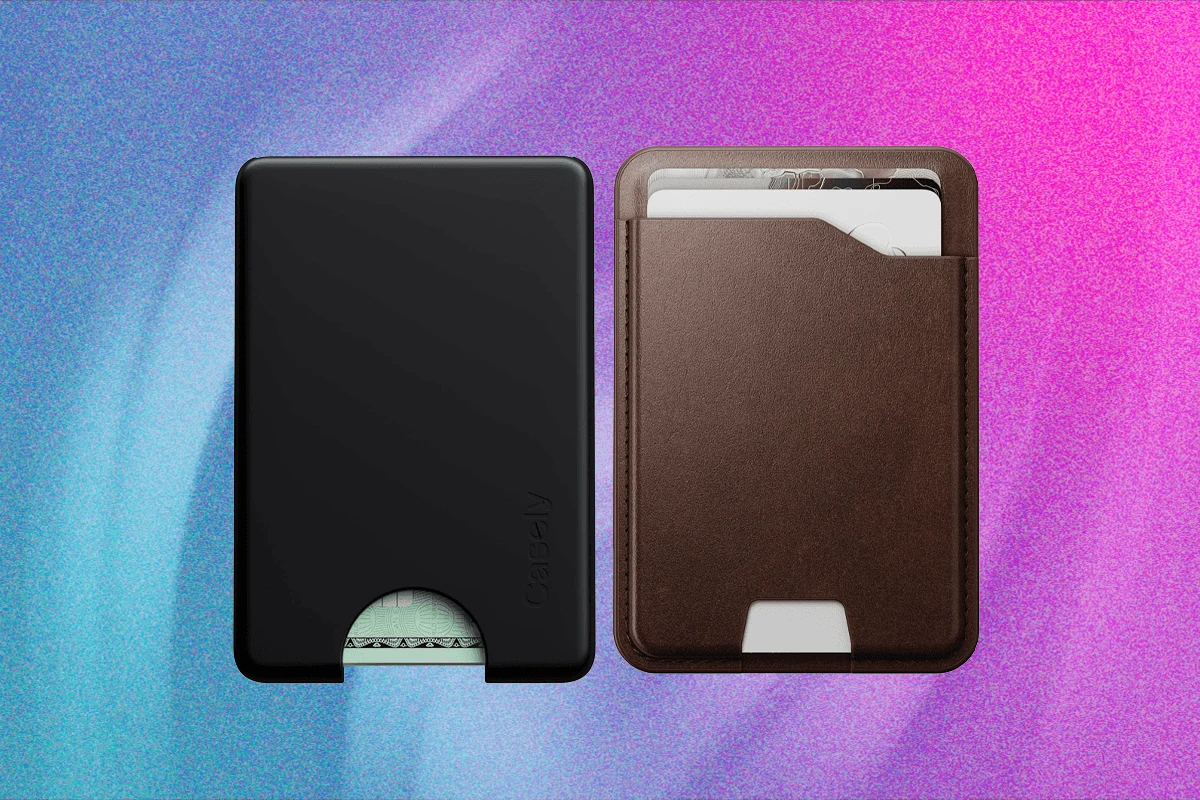
The introduction of MagSafe technology in 2020 with the iPhone 12 series marked a significant shift in the smartphone accessory landscape, moving away from purely protective cases toward a modular ecosystem of functional attachments. Since then, the market for magnetic wallets has expanded from a niche Apple-exclusive offering into a multi-billion-dollar industry populated by third-party innovators and legacy case manufacturers. As of 2024, the MagSafe wallet has become a staple of the "Everyday Carry" (EDC) movement, promising a minimalist alternative to traditional bi-folds. However, the diversity in build quality, magnet strength, and technological integration has created a complex market where price does not always correlate with performance. This report analyzes the leading contenders in the current market, evaluates the technical failures of high-profile models, and explores the broader implications of the shift toward integrated mobile payment and storage solutions.
The Technological Foundation of MagSafe Accessories
MagSafe utilizes an array of 18 magnets arranged in a circular pattern around the internal wireless charging coil of the iPhone. This array includes a vertical alignment magnet at the bottom to ensure accessories do not rotate. For wallets, the technical challenge lies in balancing magnetic pull force with ease of removal. Industry standards for high-quality MagSafe accessories typically aim for a pull force of 800 to 1,100 grams, ensuring the wallet remains attached during typical pocket insertion and removal while remaining detachable for wireless charging.
Beyond the physical attachment, the ecosystem has increasingly integrated with Apple’s software-based "Find My" network. While Apple’s native wallets use an NFC (Near Field Communication) chip to notify the user of the last known location where the wallet was detached, third-party manufacturers have begun incorporating active Bluetooth tracking and independent power sources to provide real-time location data, significantly altering the utility profile of these accessories.
Top Performers: Innovation in Tracking and Materials
The Integration of Active Tracking: ESR Geo Wallet Stand
The ESR Geo Wallet Stand represents a pivot toward active technology in a category previously dominated by passive materials. Unlike the standard Apple MagSafe wallet, which only records a "last detached" location, the ESR Geo incorporates a dedicated module compatible with Apple’s Find My network.
Technically, this requires an internal battery and magnetic charging pins, a design choice that introduces a three-month charging cycle. Despite the complexity of adding electronics to a slim form factor, the device maintains a capacity for up to four cards, exceeding its advertised limit of three. The addition of a multi-angle kickstand and a rear finger strap addresses the ergonomic challenges of modern, larger smartphones. The success of this model suggests a growing consumer demand for accessories that serve dual roles as both storage and utility tools.

Sustainable Luxury: OtterBox Symmetry Series Cactus Leather
As the tech industry faces increasing pressure to reduce its carbon footprint, material science has become a primary differentiator. The OtterBox Symmetry Series utilizes "cactus leather," a bio-polymer derived from the Nopal cactus. Developed primarily by companies like Desserto, this material aims to mimic the hand-feel and durability of bovine leather without the environmental cost of traditional tanning and livestock methane emissions.
In testing, the OtterBox wallet demonstrates a strong magnetic bond, critical for maintaining security on the back of a device. However, environmental analysts note that "vegan leathers" often require a polyurethane (PU) or textile backing to achieve structural integrity, meaning they are not entirely plastic-free. Despite this, the move toward plant-based materials represents a significant trend in the premium accessory market.
Aesthetic Nostalgia: Spigen MagSafe Classic LS
Spigen has capitalized on "nostalgia marketing" with its Classic LS series, which draws design inspiration from the original Macintosh computers of the 1980s. This approach targets a specific demographic of tech enthusiasts who value aesthetic heritage alongside modern functionality. From a functional standpoint, the wallet incorporates a thumb notch—a simple but vital UI feature that facilitates the rapid retrieval of cards. This design emphasizes that while technology evolves, the mechanical ergonomics of physical card access remains a priority for the end-user.
Critical Failures and Design Deficiencies
The MagSafe wallet market is also characterized by several high-profile failures, often stemming from poor material choices or a lack of durability in moving parts. These failures highlight the rigorous mechanical stress placed on accessories that are handled dozens of times per day.
Durability Issues in Multi-Functional Designs
The Ohsnap! Snap Grip Wallet and the Benks 600D MagSafe Wallet both illustrate the risks of combining rigid materials with moving hinges. The Ohsnap! model utilizes aluminum for its main body, providing a premium feel and high card capacity (up to eight). However, the failure point lies in the plastic grip mechanism, which has been reported to break under normal usage, rendering the kickstand feature useless. Similarly, the Benks 600D, despite its marketing focus on Kevlar—a material known for high tensile strength—uses a plastic internal shell that is prone to cracking near the hinge. These instances suggest that a "hybrid" material approach often creates weak points where different material densities meet.
The FineWoven Controversy: Apple’s Sustainability Misstep
Perhaps the most significant development in the accessory market over the past year was Apple’s decision to discontinue leather in favor of "FineWoven," a micro-twill material made from 68% post-consumer recycled content. While the environmental goal was lauded, the consumer reaction has been overwhelmingly negative.

Reports from long-term users indicate that FineWoven is susceptible to scratching, staining, and edge-fraying far more rapidly than leather or high-quality synthetics. Furthermore, the functional design of the Apple wallet requires the user to remove the wallet from the phone to access cards through a rear-facing slot. This "security-first" design has been criticized for being less convenient than third-party alternatives that allow for card removal while the wallet remains attached.
Security Concerns: The Journey Loc8 Universal
The primary function of a wallet is the secure retention of its contents. The Journey Loc8 Universal MagSafe Slim Wallet serves as a case study in failed retention mechanics. Users have reported that unless the wallet is filled to its maximum capacity, cards can easily slide out during transit. This fundamental flaw underscores the importance of internal tension springs or high-friction linings in minimalist wallet design.
Market Analysis and Consumer Trends
The shift toward MagSafe wallets is inextricably linked to the rise of digital payment systems like Apple Pay and Google Wallet. As digital IDs and mobile payments become more widely accepted, the necessity for carrying multiple physical cards has diminished.
Data on Consumer Behavior
Market research indicates that the average consumer now carries between two and four essential physical cards: a primary credit card, a debit card, and a government-issued ID. This behavioral shift has validated the three-card capacity standard seen in most MagSafe wallets. Furthermore, a 2023 industry report suggested that the "modular" accessory market is growing at a CAGR (Compound Annual Growth Rate) of 7.2%, driven largely by younger demographics who prefer customizable phone setups over permanent, bulky cases.
Chronology of MagSafe Evolution
- October 2020: Apple launches MagSafe with the iPhone 12.
- 2021: Third-party manufacturers (ESR, Spigen, OtterBox) release the first wave of non-Apple magnetic wallets.
- September 2021: Apple updates its wallet to support the "Find My" network (last detached location).
- 2022-2023: Introduction of active tracking wallets and bio-based materials (Cactus leather, Kevlar).
- September 2023: Apple replaces leather with FineWoven, sparking industry-wide debate on material durability.
Broader Impact and Future Implications
The evolution of MagSafe wallets is more than a trend in phone protection; it represents the convergence of hardware, software, and fashion. As manufacturers refine magnet technology and material science, we can expect the following developments:
- Biometric Integration: Future iterations may include fingerprint sensors to lock cards within the wallet, adding a layer of physical security to the existing digital ecosystem.
- Advanced Power Management: As seen in the ESR Geo, the inclusion of batteries in wallets will likely lead to thinner, more efficient energy-harvesting technologies, perhaps even utilizing the iPhone’s reverse wireless charging capabilities.
- Standardization: While MagSafe is a proprietary Apple technology, the Qi2 wireless charging standard, announced by the Wireless Power Consortium (WPC), is based on MagSafe. This will bring magnetic accessory compatibility to the Android ecosystem, vastly increasing the market for these wallets.
In conclusion, while the MagSafe wallet market offers unprecedented convenience and integration, it remains a "buyer beware" environment. The most successful products are those that prioritize the fundamentals: strong magnetic adhesion, durable material integrity, and reliable card retention. As the world moves closer to a truly cashless society, these magnetic attachments will likely transition from optional accessories to essential components of the modern mobile experience.







